
This is the third part of my Amazon trip story. If you want to catch the first two parts, they can be found by clicking on the menu at the top of this page.
Day 6: Mocagua
PC: @jaredgeesaman
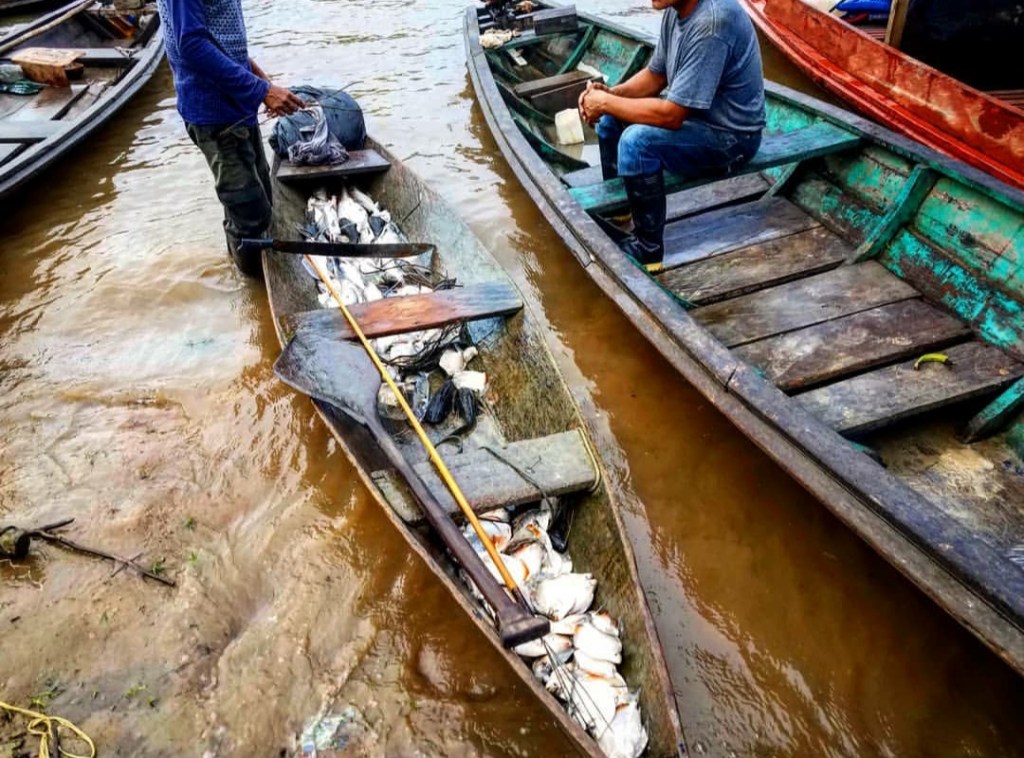
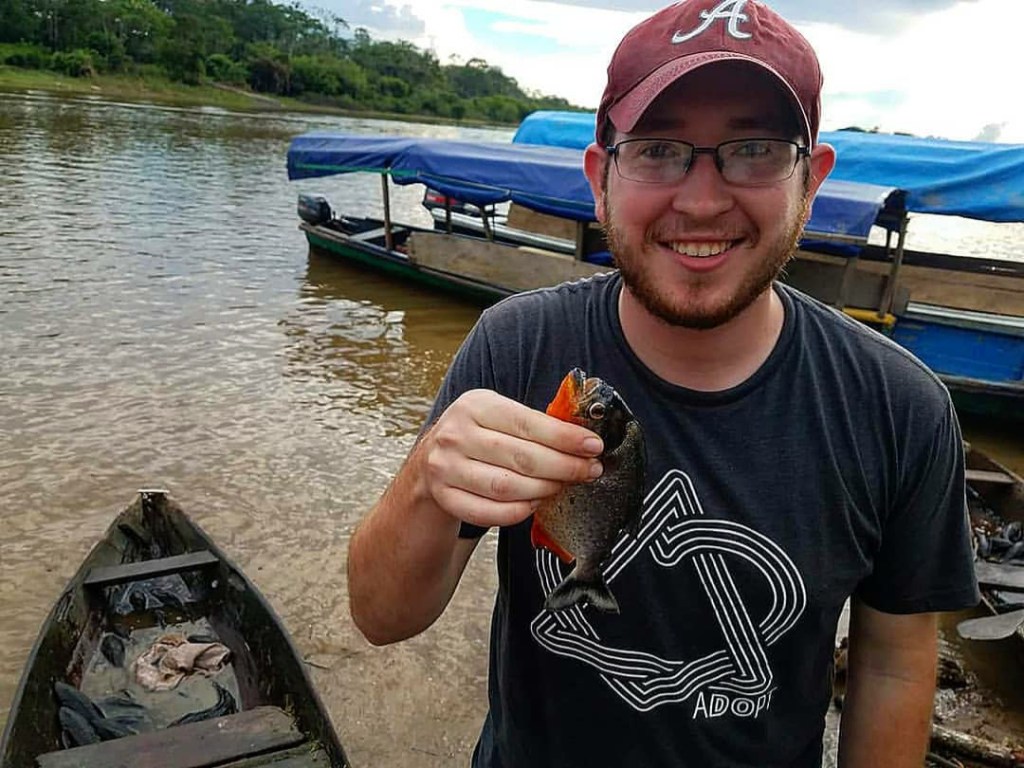
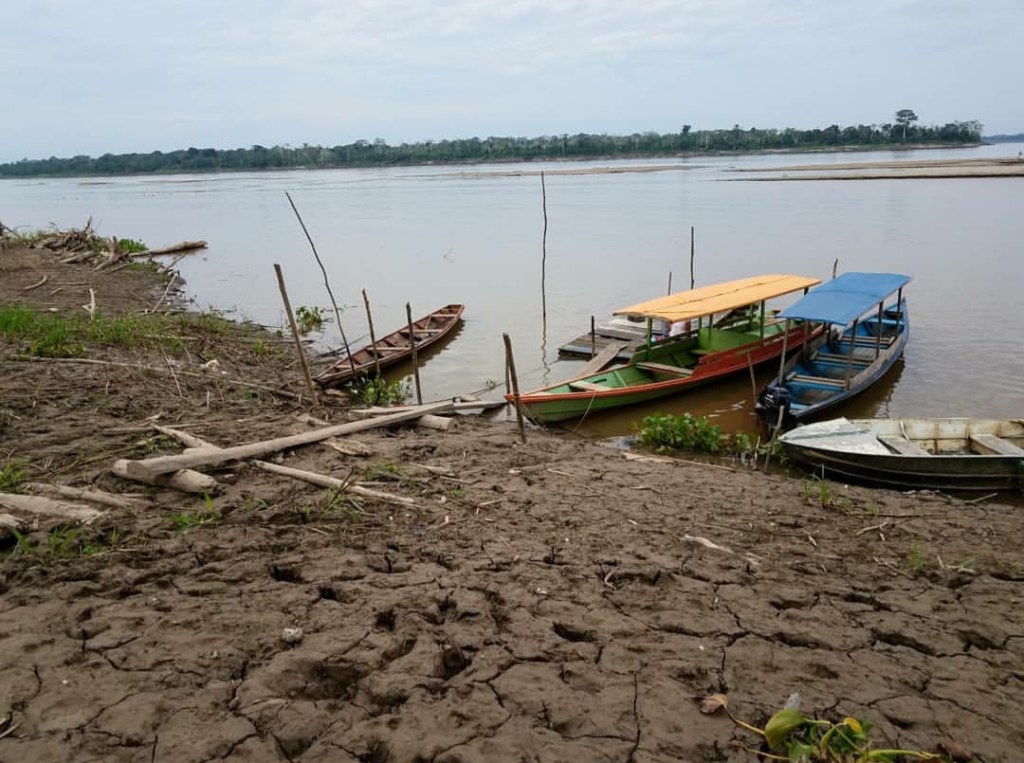
I woke up in Puerto Nariño and headed down to the river to get ready for the next clinic upriver. Many fishermen were coming to shore with their catches from the early morning, and I was able to look through their boats. There were tons of fish flopping around in the bottom of their boats, and there were many kinds of fish that I had never seen in person. I watch the show River Monsters, so I knew what they were and found it fascinating to see in real life. I saw a piranha in one of the boats, so I had to pick it up and get a picture with it. We finally loaded our boats up and started making our way upriver to a village called Mocagua in Colombia.
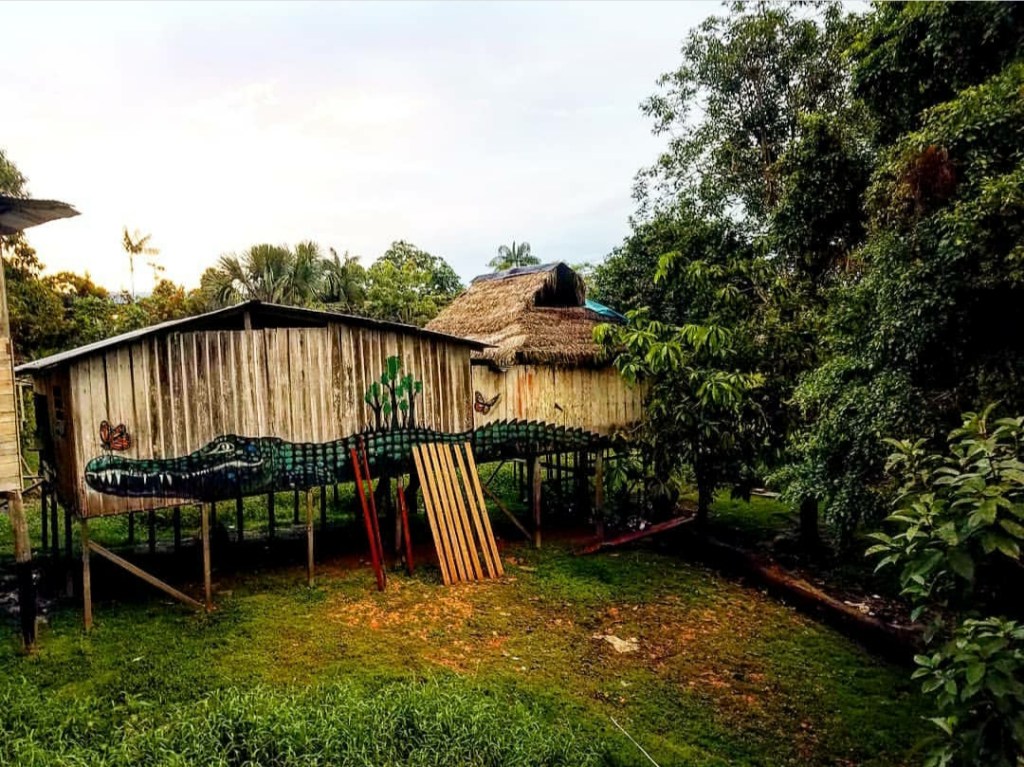
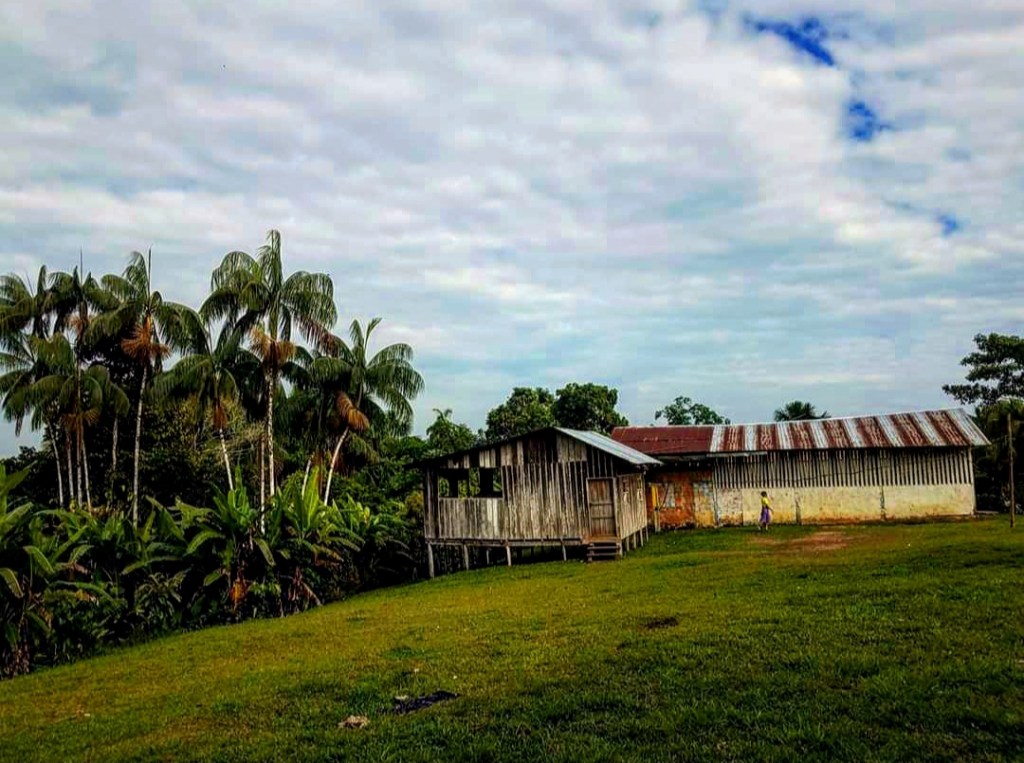
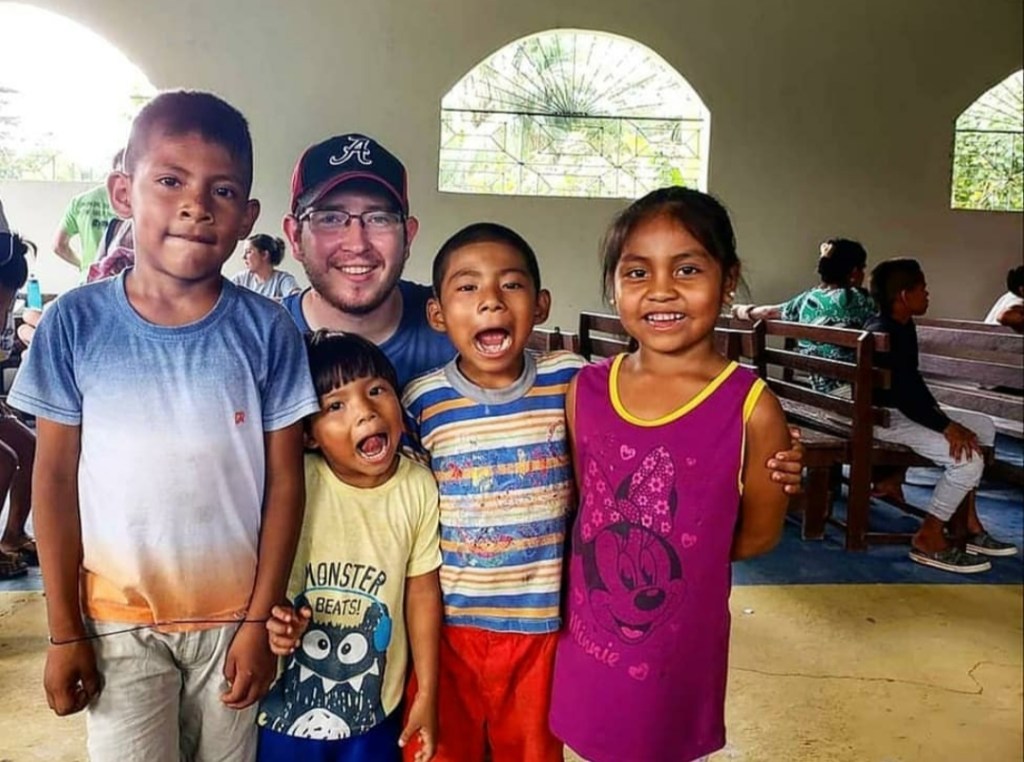
We arrived and had to climb these sketchy steps made of logs up the steep mud hill to the village. The first thing I noticed in this village was how the houses were all painted. The locals like painting their houses, and it was really cool to see. We carried all our supplies through the village and reached the church where our third clinic would be held. The local pastor traveling with us pastored many different churches throughout the region, so they don’t have set service times. A service is held whenever he arrives in the village, so we gathered for a church service before starting the clinic. And before it started, someone pointed out a tarantula on the podium about the size of a small hand. The pastor saw it, laughed at us taking pictures of it, and then smooshed it with his hand. 😳
PC: @lifeofnathaniel
We had the church service and then immediately transformed the building into a clinic. Soon, patients were moving through, and I was getting more comfortable working in triage. I got to the point where I could understand them without a translator because many people came in with the same problems. We spent the whole day putting on this clinic, and it’s just an awesome feeling being able to help these people that don’t have access to medical care. At the end of our clinic, we finally experienced why they call it a rainforest: it started storming! Everyone was running inside the church to stay dry, but it wasn’t just people coming inside… The animals were too. Several flea- infested dogs ran in with us to get out of the rain. If that wasn’t a culture shock, then what came next definitely was… a few minutes into the storm we happened to look up to the ceiling and noticed that the tarantulas were also coming in to escape the rain. There were many of them hanging on to the underside of the tin roof. Some people were scared that one might fall on them, but it was either risk that or go out into the storm. After the storm died down a little, we headed back down to the river with all our equipment and loaded the boats to head back to Puerto Nariño, which was our home for the next few nights. But as our boats were leaving Mocagua, the rain started back. We all got drenched, and the wind made it freezing. I never thought I would get cold in the Amazon, but it happened! And I couldn’t even look forward to a hot shower because there was no such thing. So now we’re all huddled up inside the boat trying to stay warm; we can’t see well because of the downpour; and some of us are dealing with a bit of sea sickness- all of this happening in the middle of the largest river in the world! Some would call it miserable, but I loved getting the full experience of the Amazon.
Day 7: Villa Andrea
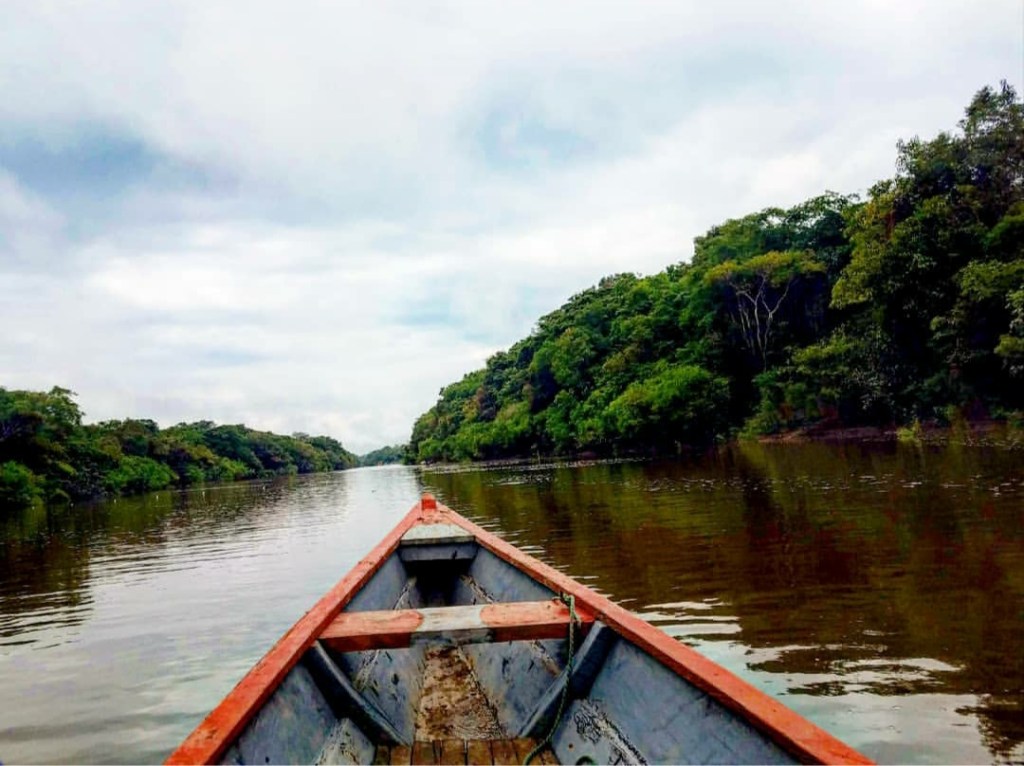
At this point of the trip, we all STUNK! There was no laundry service in the Amazon, and while we had a cold shower, it was a very weak stream that you could barely rinse yourself off with. And the smell wasn’t really body odor, but instead we just smelled like the Amazon. It’s hard to explain, but there’s a specific smell that the Amazon has that just sticks to you. I tried washing my clothes in the sink with the body wash I had, but the smell only got worse. Then I couldn’t get them to dry because it was so humid, so it kinda just smelled like it was rotting. 🤢 To this day, I still can’t stand the smell of that body wash because it reminds me of trying to wash my clothes in the sink in the middle of the Amazon. Anyway, we finally headed down to the river to leave for our next stop. This time, it was a village called Villa Andrea, and it was a little farther up the tributary where Puerto Nariño is found. We arrived and saw some kids swimming and flipping into the river. But as hot as it was, there was no way I would’ve jumped in there! I saw the fish that came out of that same river, and I heard all those patients talking about parasites, so I wasn’t about to risk it. Near the kids swimming was a small little platform on the river’s edge where several women were doing their laundry in that same river. I was curiously watching for some tips on how to wash my own clothes when I got back to the hotel. 🧐
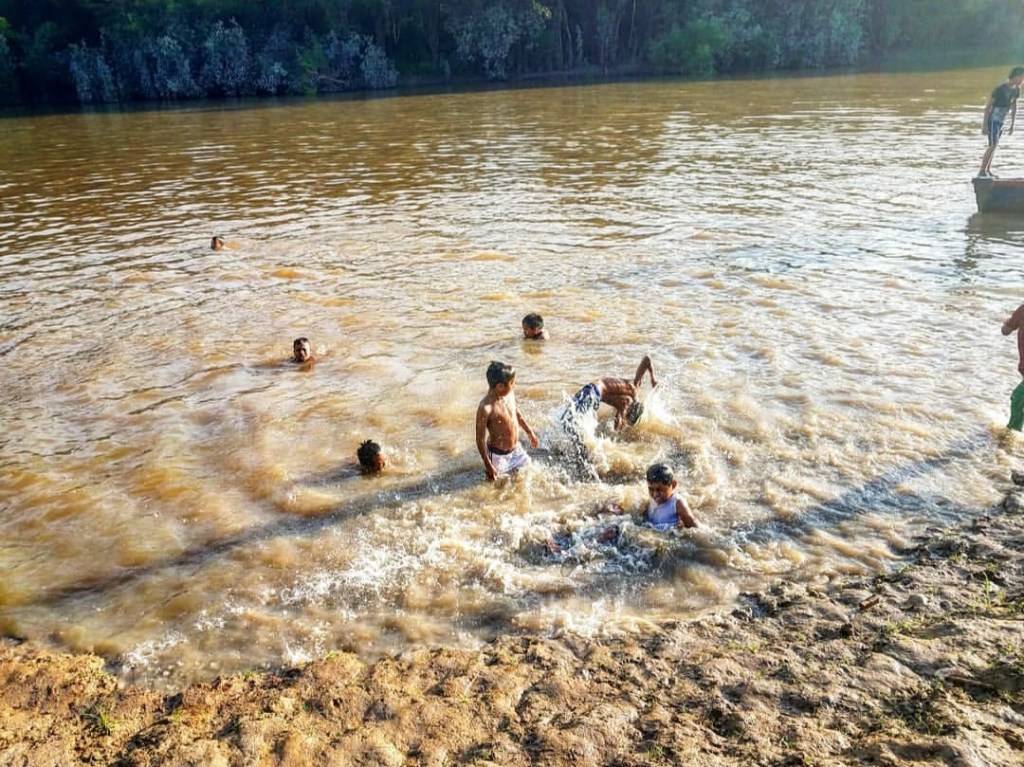
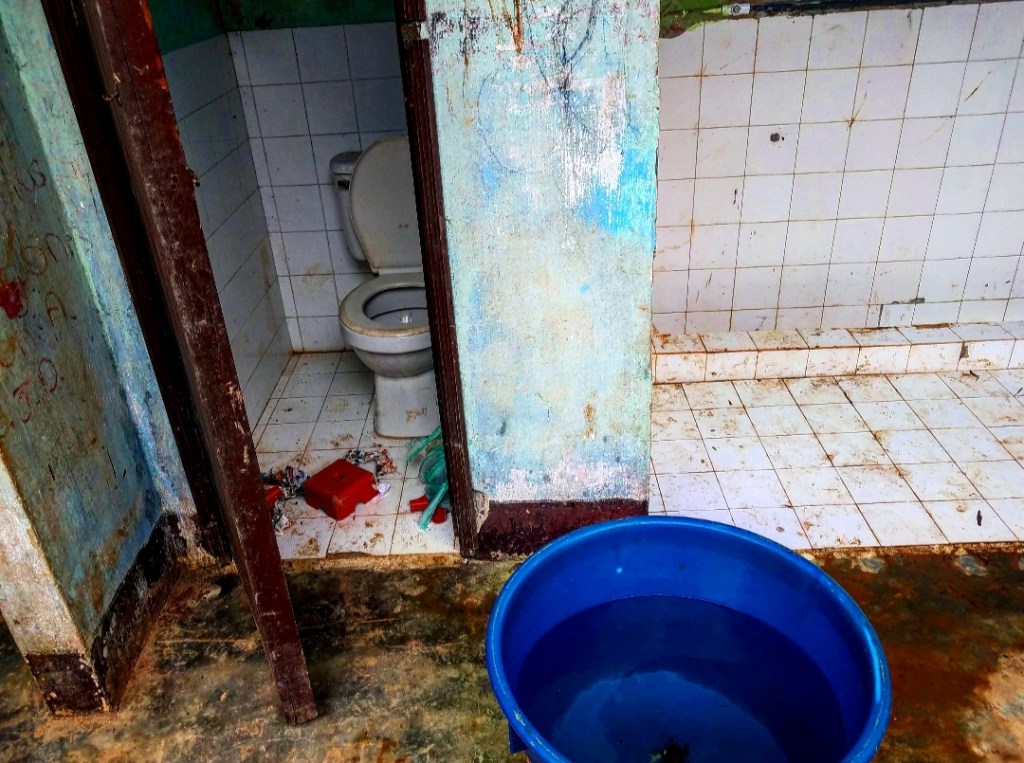
We climbed up the steep muddy hill to the village which was similar to Mocagua, except it was more spread out. There were houses stuck back in the forests here. We made it to the school building where we would hold our clinic and started setting up. Then, our trip leader Sean came to me and asked me if I could help him with something. My gut told me this was not going to be fun, but I hesitantly agreed to help. You see, the school had toilets, but there was no sewage system to connect to the toilets. And the only way to flush the toilets is with water. So we needed water, and the only place to get it when it’s not raining is from the river. So I took this giant bucket and grabbed another guy Nate to help me. We headed down that steep, muddy hill to the river, filled the bucket with river water and then realized we would have a tough time getting it back up. That thing was HEAVY! So we started trying to carry it up that hill. My feet were sinking into the mud as my back was aching from trying to keep that bucket from tipping over. Of course it did tip a little and I was directly under it, so now I’m soaked, trying to bring this enormous bucket of water up the ridiculous cliff with my feet sinking into thick mud to my ankles with every step. We eventually reached the top, and that was probably the worst thing I had to do on that trip. But someone had to step up and provide toilet water for the group, so I got to be the hero. I was exhausted and we hadn’t even started the clinic yet!
PC: @lifeofnathaniel
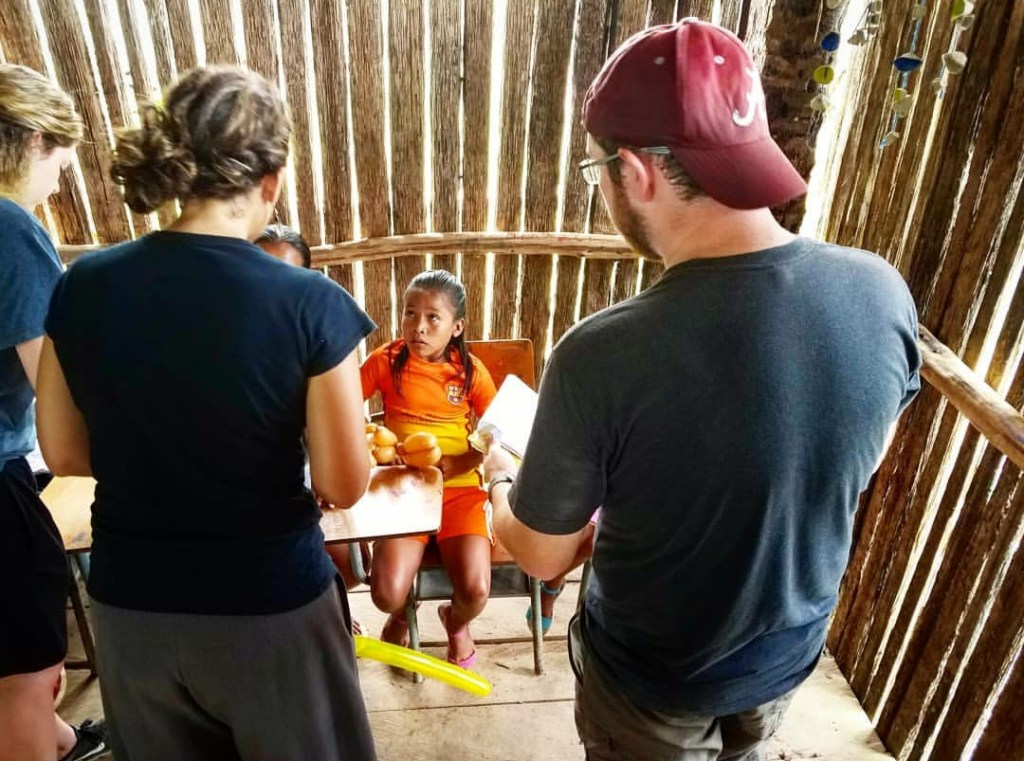
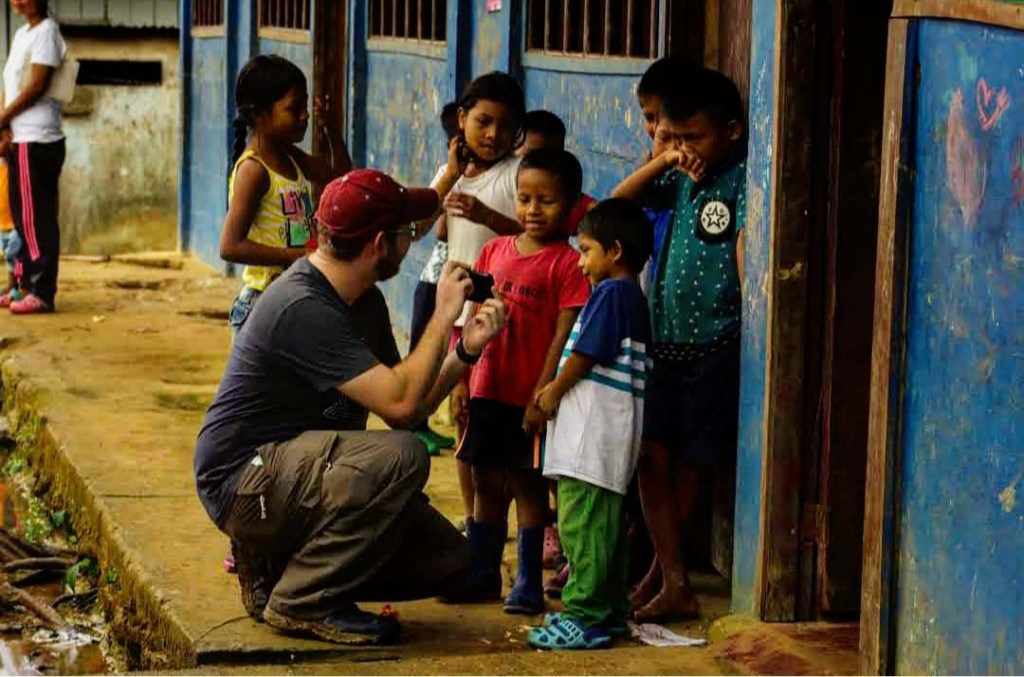
We finally got the clinic started, and it was a little more difficult understanding the patients this time. That’s because the more remote we went, the fewer people knew Spanish. We were in an area that spoke the local Ticuna language. Many did know Spanish, but some didn’t. It was mainly the elderly patients that didn’t know Spanish at all as the younger ones learned it in school. We even had one patient who didn’t know Ticuna and spoke a more remote language, so the message went through 3 different people before it reached me. Other than that, this clinic was basically the same as all the others. Except one of our patients brought in a pet monkey, so that was interesting. After we finished the clinic, some of us went exploring. We wandered off into the forest and met this one lady who let us tour her home. It doesn’t look like much by American standards, but she was proud of what she had built for herself and her family.
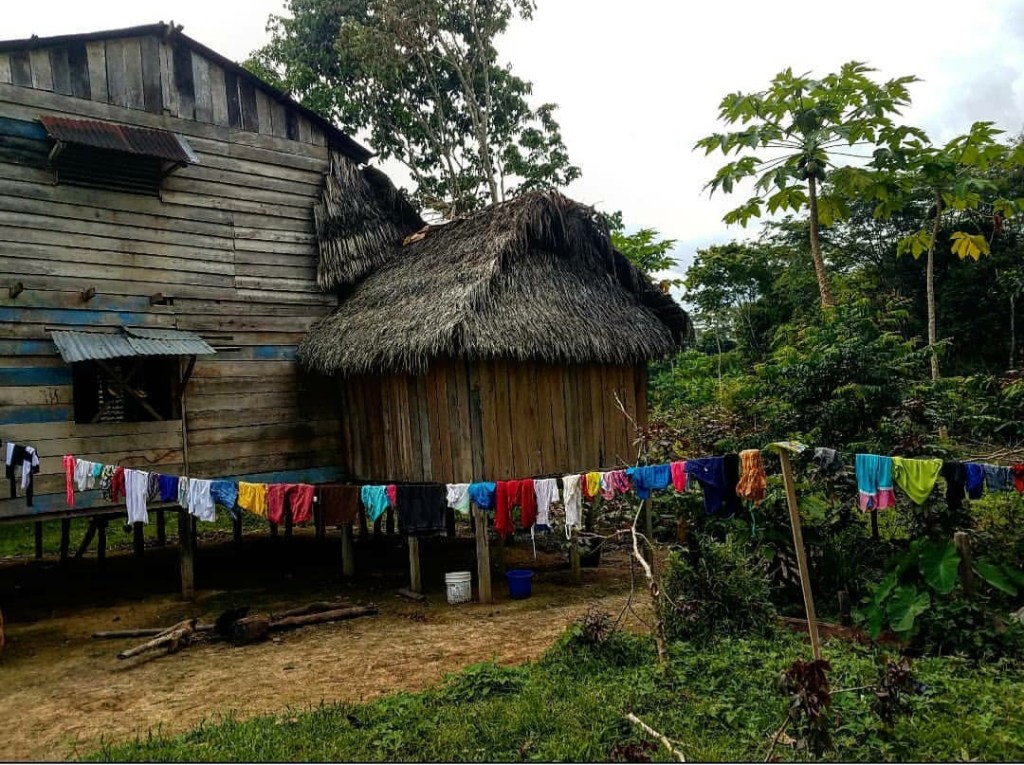
She had a garden with many unique fruits, and there was one that I requested to try. At first she didn’t want to let me because she thought it would make me sick, but she eventually agreed. As soon as I tasted it, my tongue went numb for a while, so I’m not sure how safe it actually was. We found out the fruit is used to make black dye found in clothing. After leaving, we headed back to Puerto Nariño and had a meeting about our plans for our final clinic. We found out that the final village is actually one that has never allowed outsiders to enter before. The local pastor had been trying to get access to the village for years, but when the chief found out we had doctors, he made an exception and gave us permission to come in. I was excited but also nervous for this opportunity and couldn’t wait for that last day.
Day 8: San Francisco
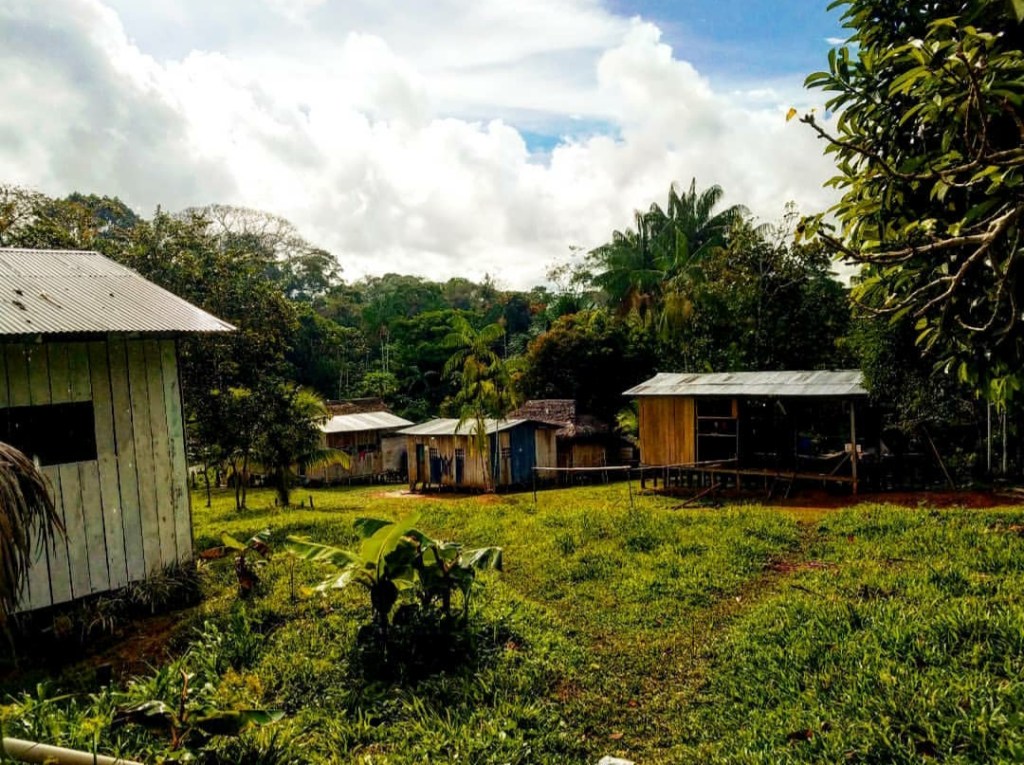
We woke up early on our last day of clinics and headed farther into the tributary to the village of San Francisco, the one that had never allowed outsiders to enter before. From the river, you would have had no idea the village existed. It was hidden far back inside the forests which you also couldn’t see because of the steep hill coming down to the river. We had to walk for a while before reaching the village. Walking through the village was an odd experience… Locals would stand in their doorways watching us pass by. We were the first outsiders to legally step foot in this village, so it was a special honor to be here. One interesting thing I noticed is that some houses had satellite dishes on top, so even in the most remote villages of the Amazon, people like their TV.
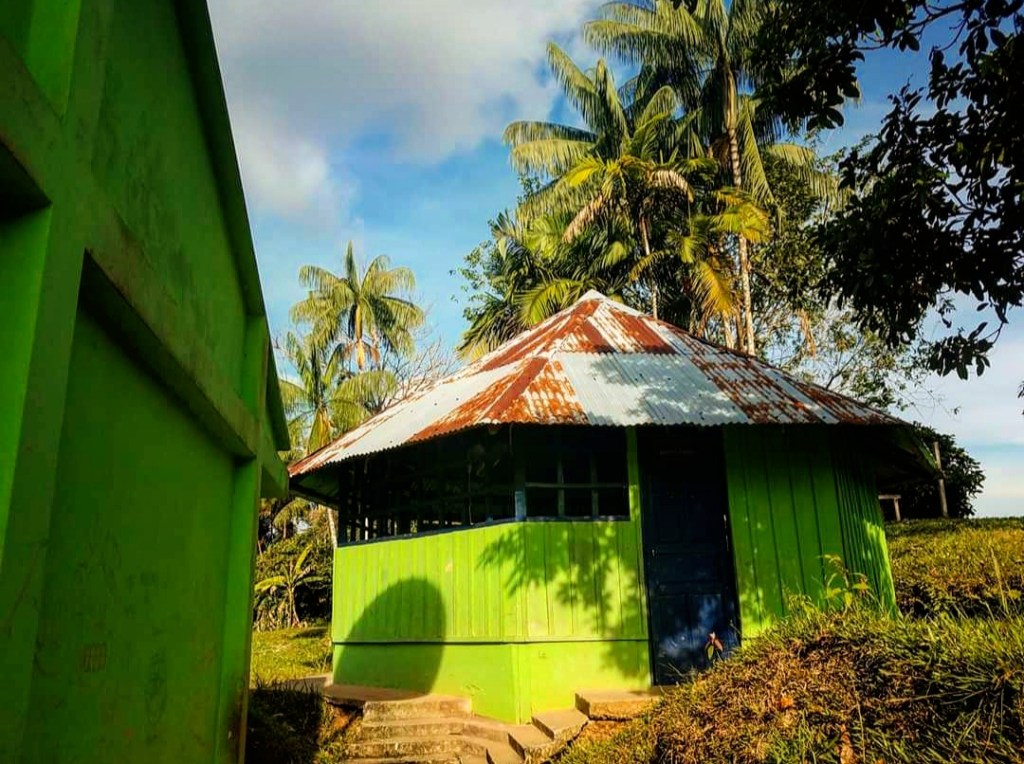
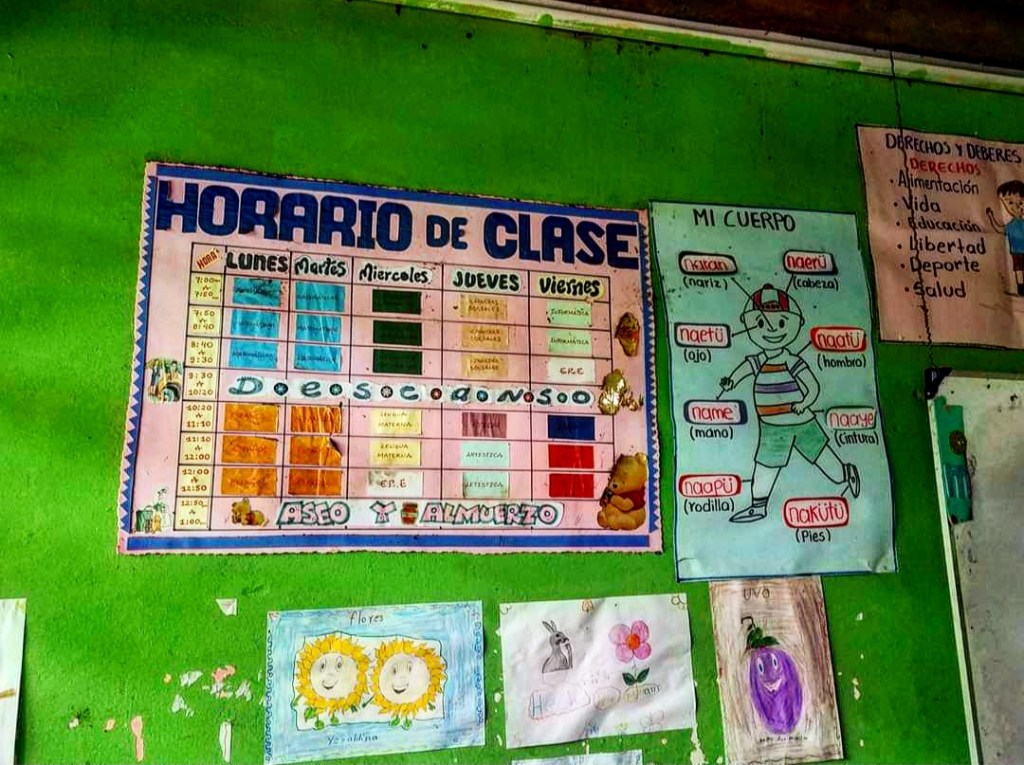
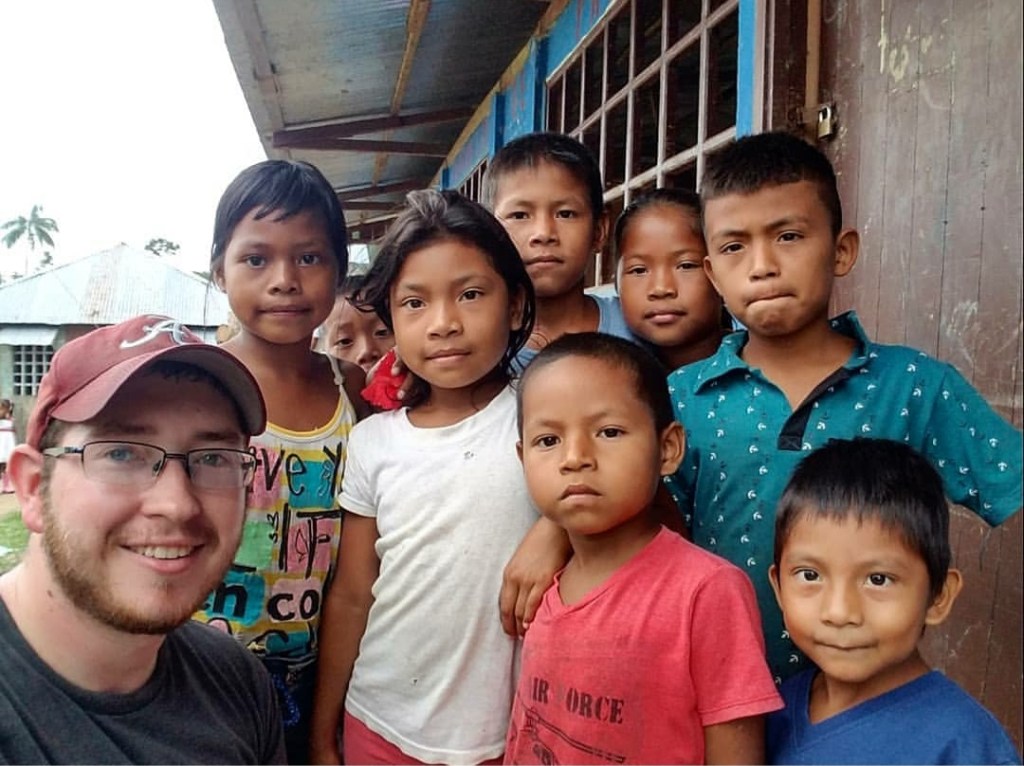
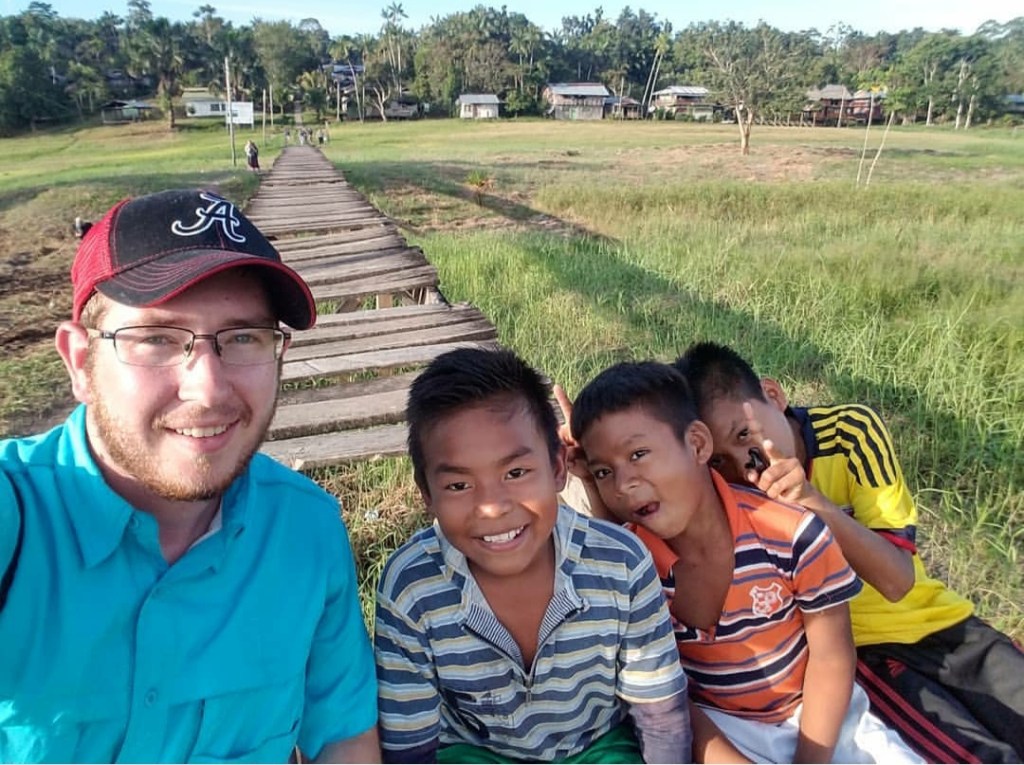
We headed for the school in the center of the village where we set up our clinic. Kids were watching us through the windows, wondering what we were doing in their classroom. Clinic was a similar experience to Villa Andrea because a lot of patients spoke Ticuna instead of Spanish. We spent the entire day helping this village that has no access to medical care at all, and it was so special being a part of it. We also brought gifts to the chief for giving us permission to come. He was very impressed with our clinic and told the local pastor that he could come back whenever he wanted. I wandered down some rotting steps into a neighborhood below and explored the village a little, but at the same time I wanted to respect their privacy, so I don’t have as many stories from this village. I did get to talk to some local kids who were playing on an abandoned bridge, so that was exciting. At the end of the day, we headed back to Puerto Nariño.
Day 9: Puerto Nariño- Tabatinga
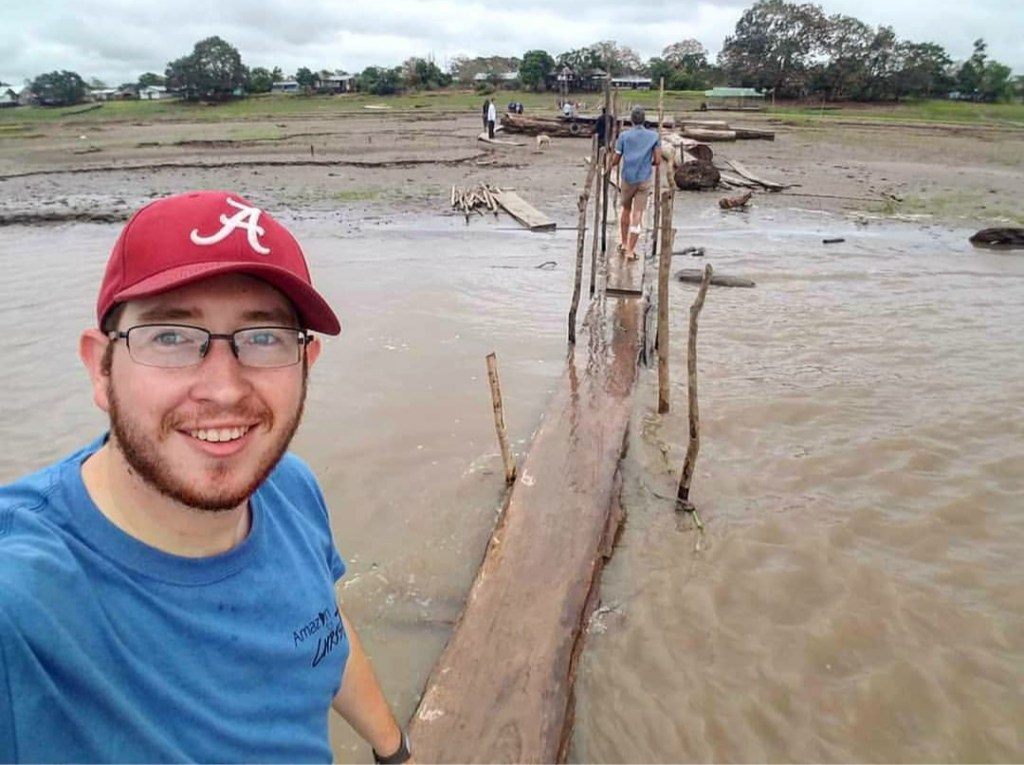
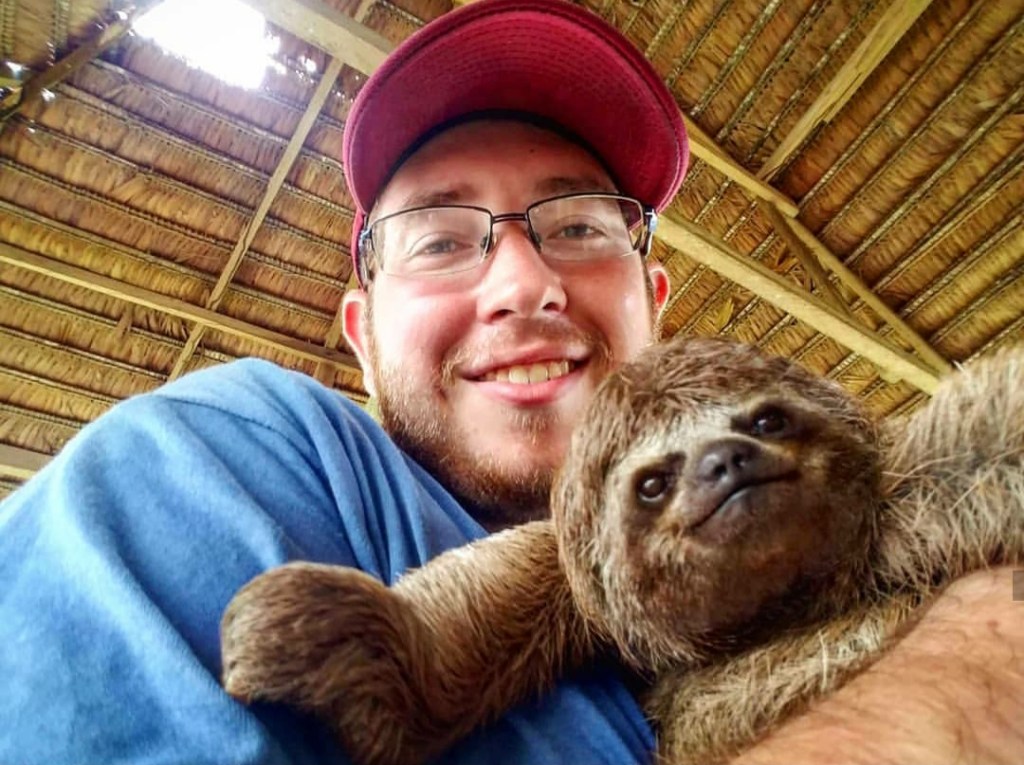
On our final day in the Amazon, we were able to try piranha for breakfast and then headed to the river to board the speed boat. We headed back down river toward Tabatinga. On the way, we decided to stop at Puerto Alegría, Peru, again. The locals brought out some rescued animals for us to see including sloths, toucans, macaws, caiman, and anacondas. I held an anaconda, got a selfie with a sloth, and got bit by a toucan, so it was worth the stop. We spent some time getting pictures with the animals and then finished the journey back to Tabatinga, Brazil.
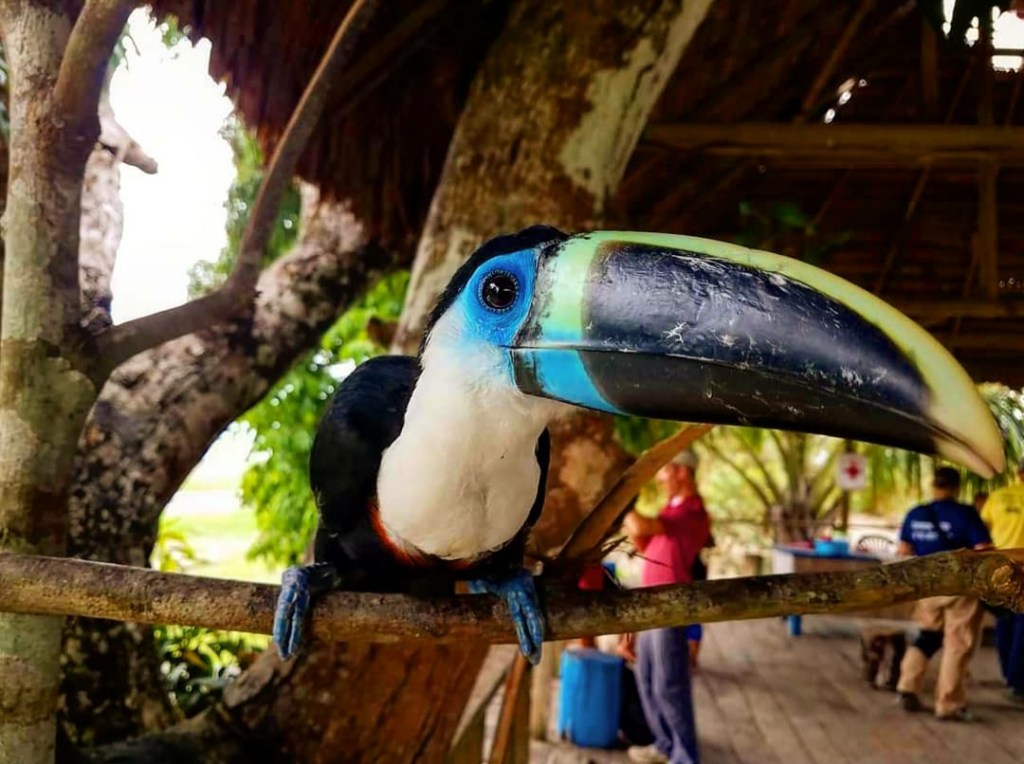
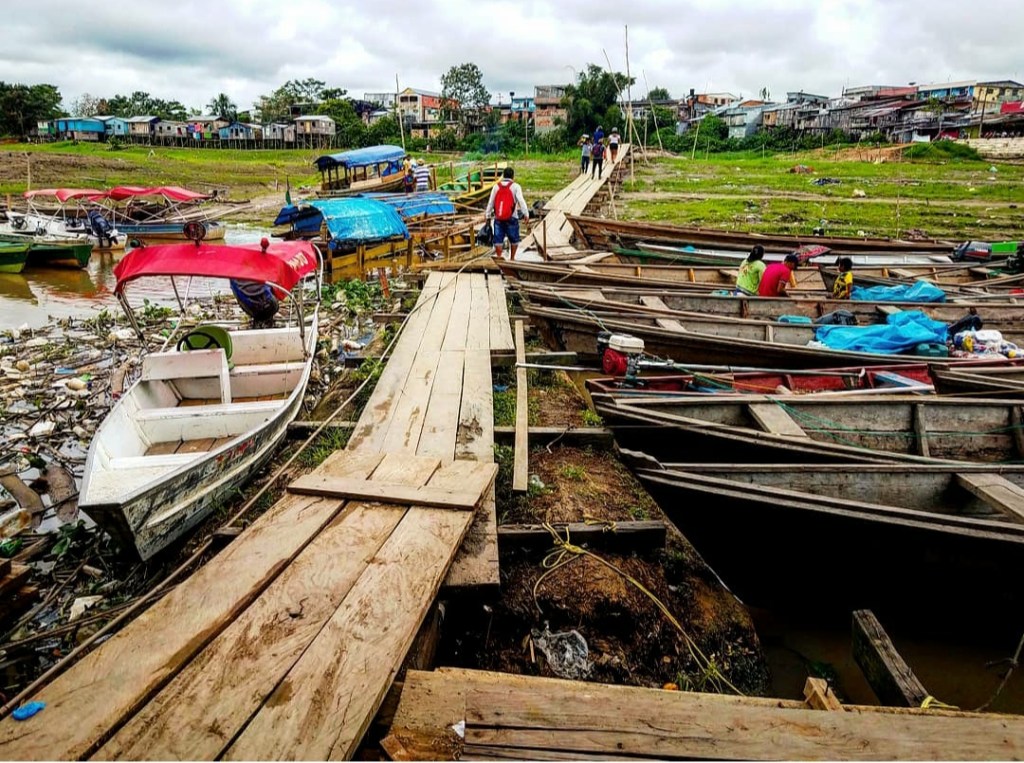
We stopped at a busier port in Tabatinga and then walked to the hotel. We then spent some time walking around Tabatinga to go souvenir shopping and then eventually went into Leticia to shop some more and buy prescription parasite medication for only a dollar (I didn’t want to risk it, so I bought some for myself). After hearing that millions of birds migrate into a park in the middle of the city around sunset, we decided to check it out. And it was crazy: the sky was literally covered in millions of these birds. We followed them to the park where the sound of birds’ chirping was so loud we couldn’t hear each other talk. (And my hat may have saved me from getting something unpleasant in the face: it was like dodging grenades). After getting dinner, we headed back to the hotel we stayed at on the first night and then left for home the following day. In the end, we treated 964 patients throughout the region, and 144 of them put their faith in Christ, so this trip had an eternal impact unlike we could’ve ever expected.
Overall, this trip was my favorite one I’ve taken. It was also the toughest and most exhausting week and a half of travel I’ve ever experienced, but the rewards far outweighed the sacrifice put into it. I came here to be a blessing to these people that don’t have access to medical care, but I think they were more of a blessing to me than I ever could’ve imagined. There was another lesson I learned that I wasn’t expecting. Many times we see the lifestyles of these people and label them as “poor.” But are they really poor? By American standards they are, but those American standards might not always be accurate. If we compare possessions and luxuries, there’s no question, but what I realized is that many of the things we believe are necessities (A/C, running water, plumbing, etc.) aren’t viewed the same way in certain parts of the world. In fact, many don’t even want it. Many of the people I came across had everything they could ever want. They had a place to stay, food to eat, and a family that loved them, and that was all they cared about. Maybe we shouldn’t automatically assume someone is poor because they have fewer things than we do. I think that true wealth can be found in the Amazon with people that literally have everything they could ever want, while we in America are never satisfied and will never come close to having everything we want. As Americans (or those from other “rich” countries), we have been so blessed, and if we focus on what we have rather than what we don’t have, we’ll finally be able to realize how wealthy we really are.
I hope you enjoyed my stories from the Amazon, and I’ll be sharing more stories in the future. Thanks for reading! (This last picture hints at my next story).
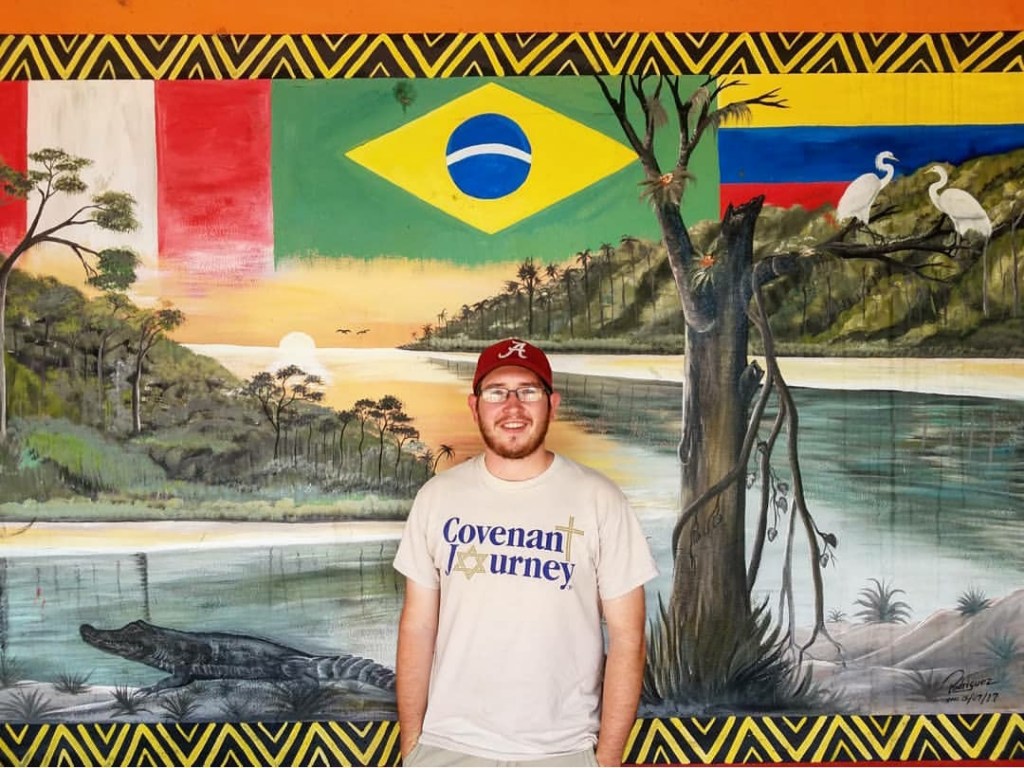
PC: @lifeofnathaniel
 Tyler's Travels