

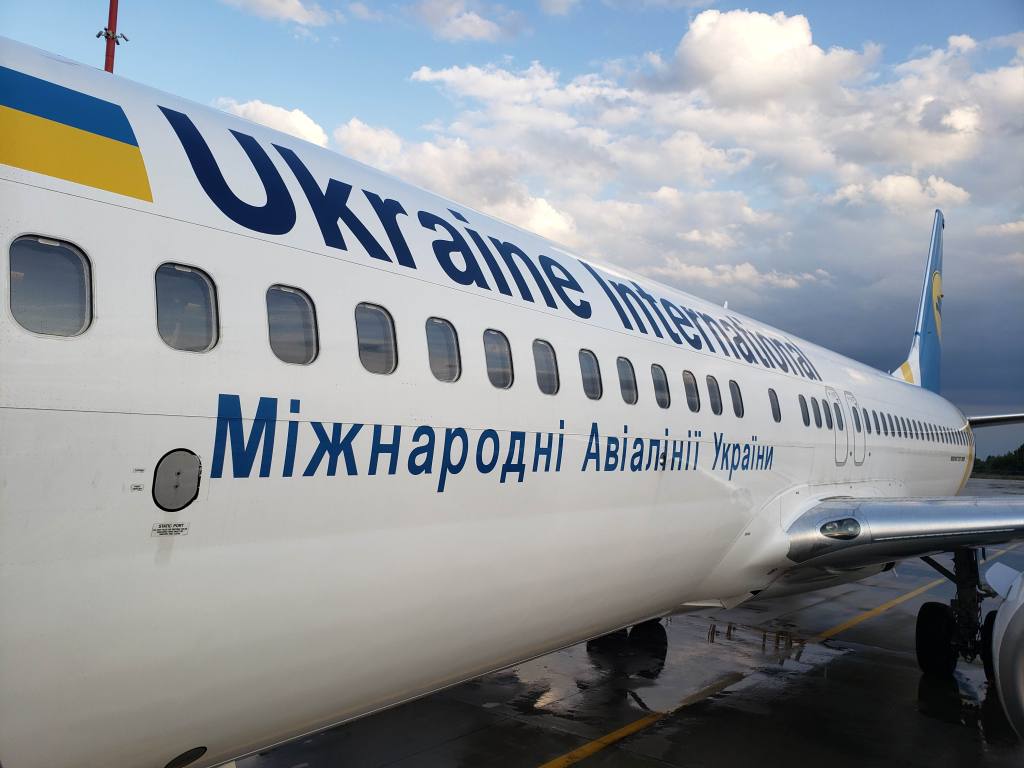
On my way to Moldova in 2019, I had a long layover in Kyiv, Ukraine. While I didn’t originally expect much from this city, I left very impressed with it, and I consider it one of my favorite cities in the world now. Below, I’ll share some pictures and explain a little about Kyiv and Ukraine, along with some of my observations. Anywhere could’ve been my first experience in Europe, but I’m glad it ended up being Ukraine!
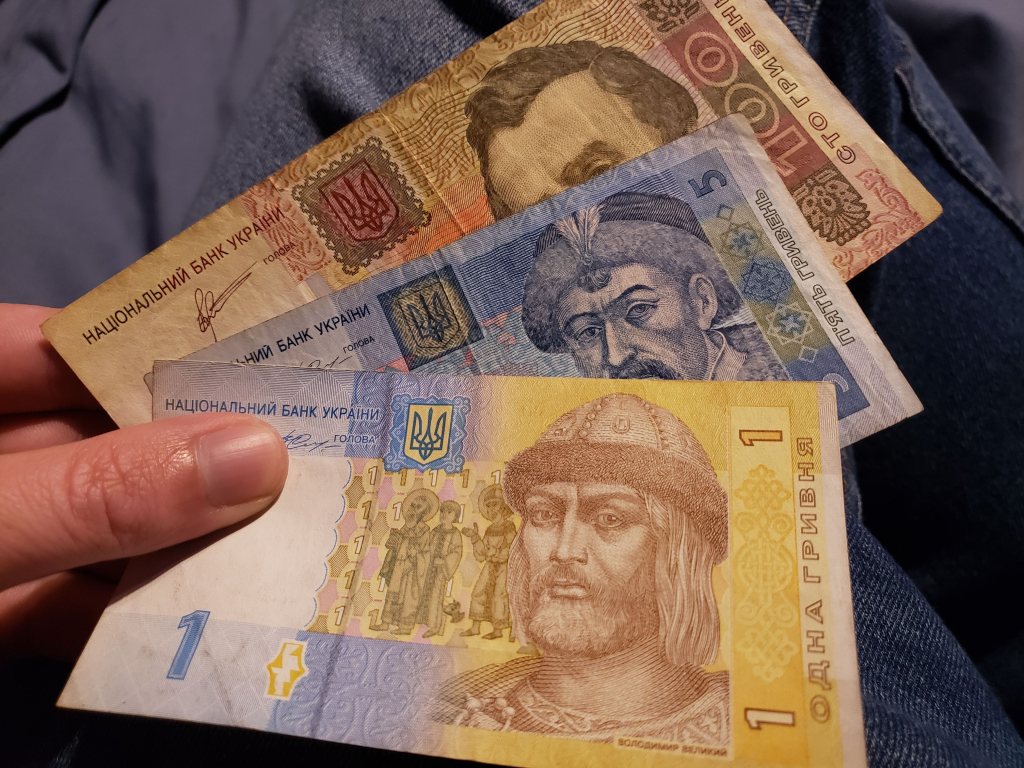
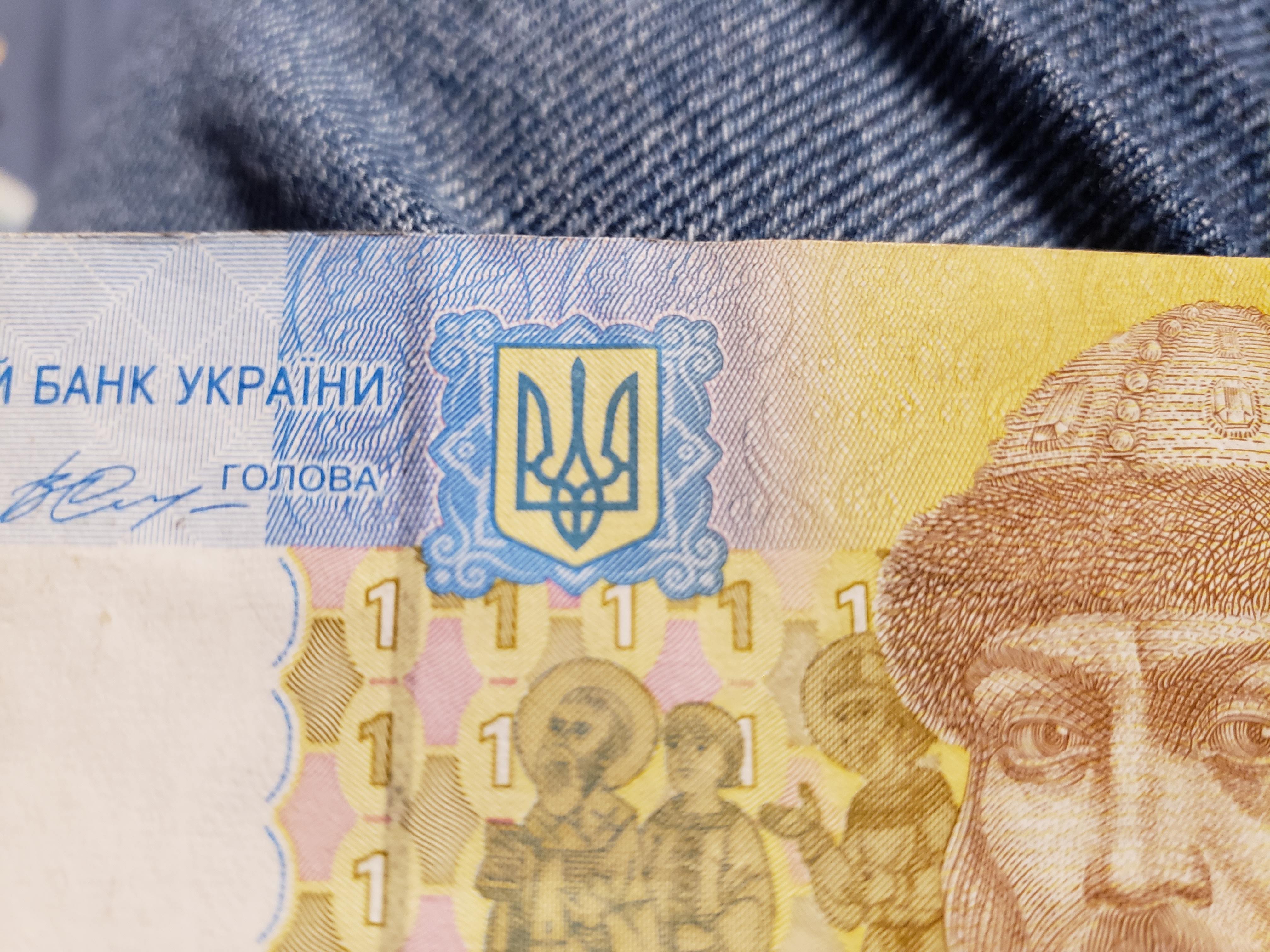
Originally my plan was to visit Chernobyl, but because of the high probability of collapse from the sarcophagus at the time, my permit to enter the Exclusion Zone was denied. Instead, my group and I decided to take a walking tour of Kyiv. Similar to other major cities, the airport is not actually in the city but in a nearby town called Boryspil, so we had to get to Kyiv. But before leaving the airport, I had to exchange money. The Ukrainian hryvnia is equivalent to 0.036 US dollars and is very colorful. You can always pick out Ukrainian currency because of the tryzub symbol that has become the national symbol of Ukraine. While its origin is technically unknown, many Medieval scholars believe it was meant to represent the Trinity.
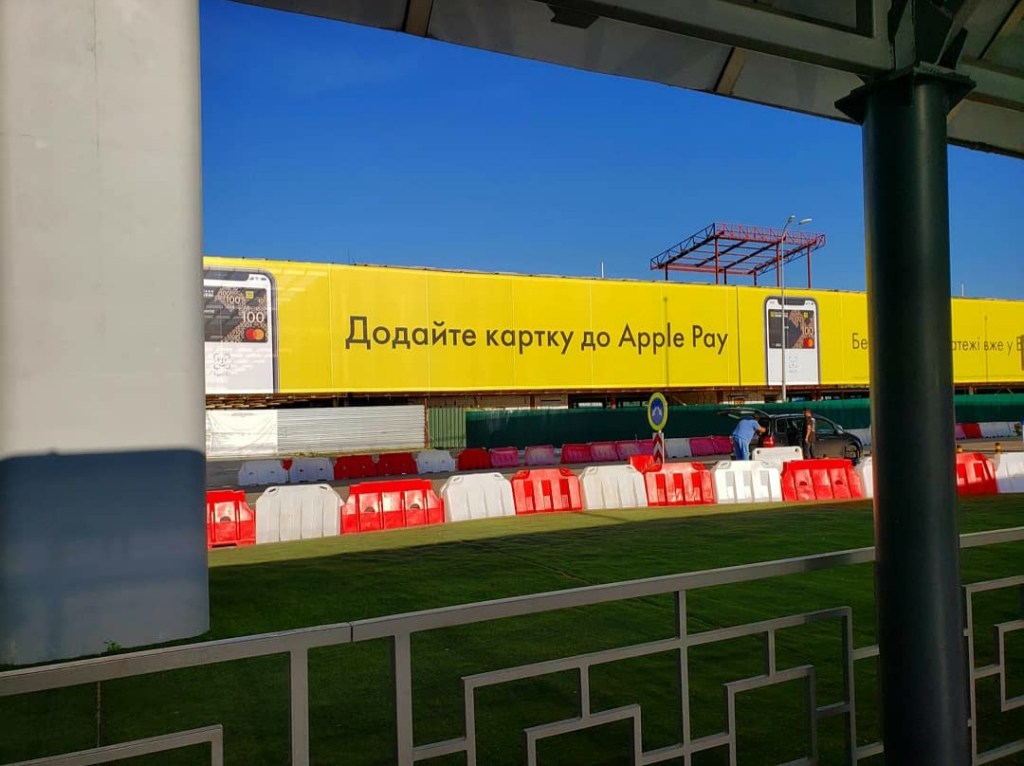
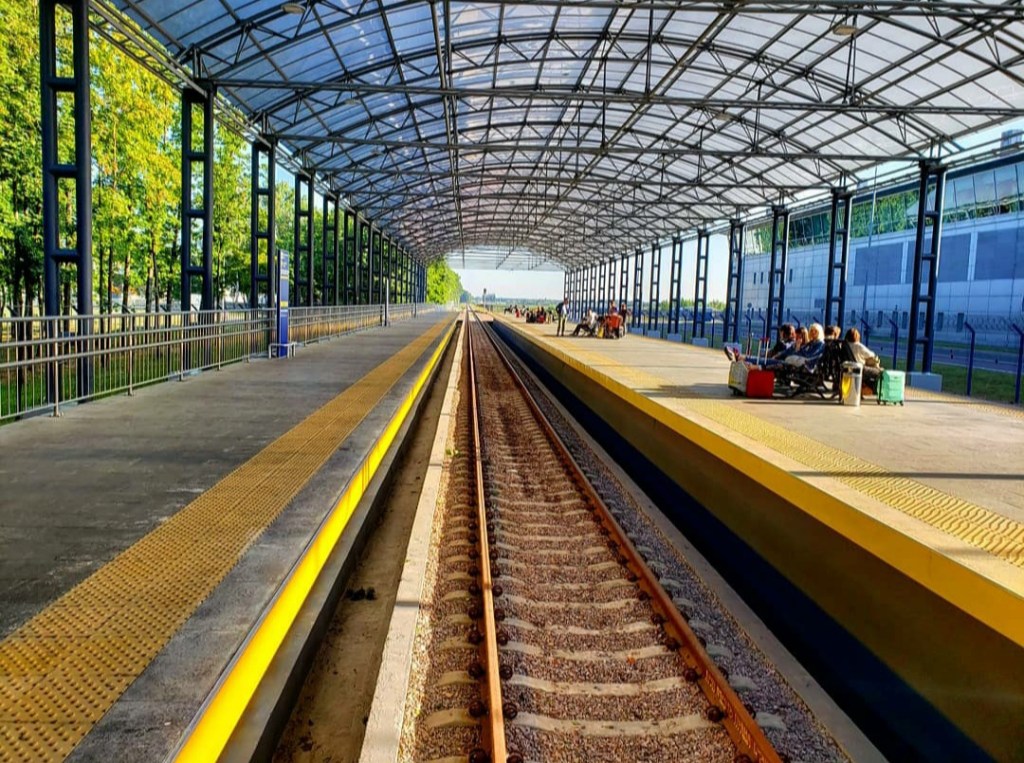
We walked to a nearby train station, and I was shocked to see how small it was, considering it’s the main form of transportation to and from the capital city. We stood around here for a while, waiting on the train which seemed to take its time.
Once on the train, it made several stops as locals got on and off. For the most part we passed through birch forests, but we did pass through small communities occasionally. The biggest city we passed through was Darnytsia, a mostly industrial city, known for train repairs.
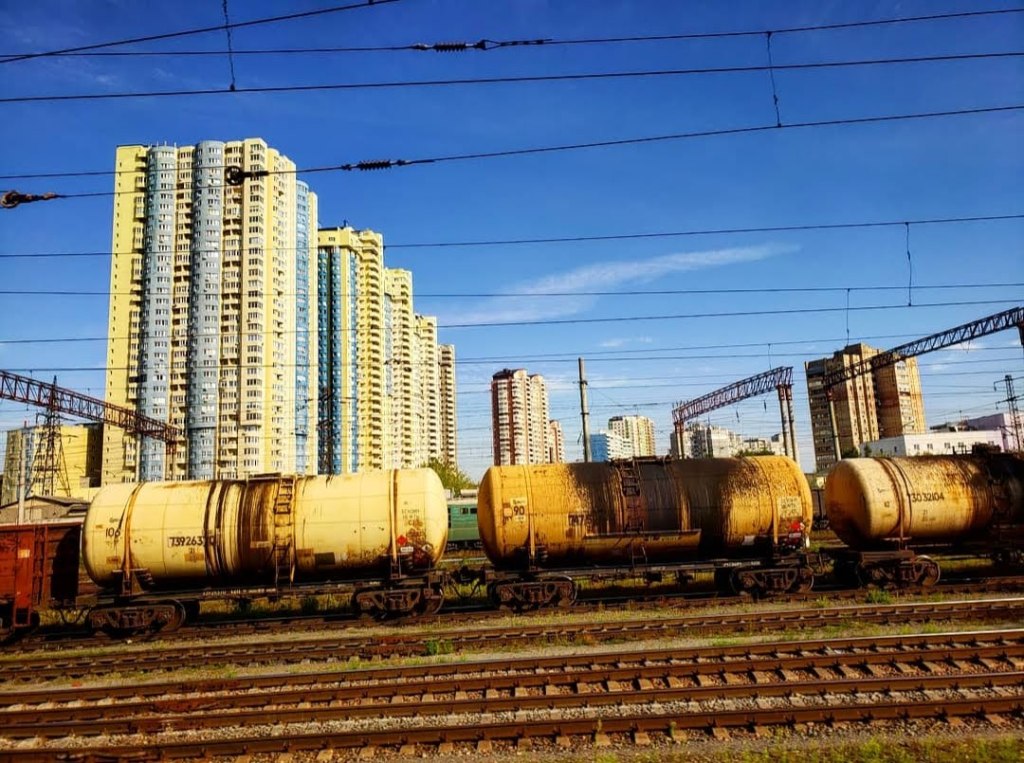
When we did pass through other cities, we were reminded of the troubled past of Ukraine. Following independence from the Soviet Union in 1991, Ukraine has struggled to rebuild its economy. While it has made some improvements, corruption and war have made growth difficult. This corruption has caused several regions to claim autonomy and try to separate themselves from the rest of Ukraine. While it’s not evident in Kyiv itself, Ukraine is in the middle of a civil war with the pro-Russia Donbass region. This would technically be the first country I visit that is in the middle of a war at the time I visited.
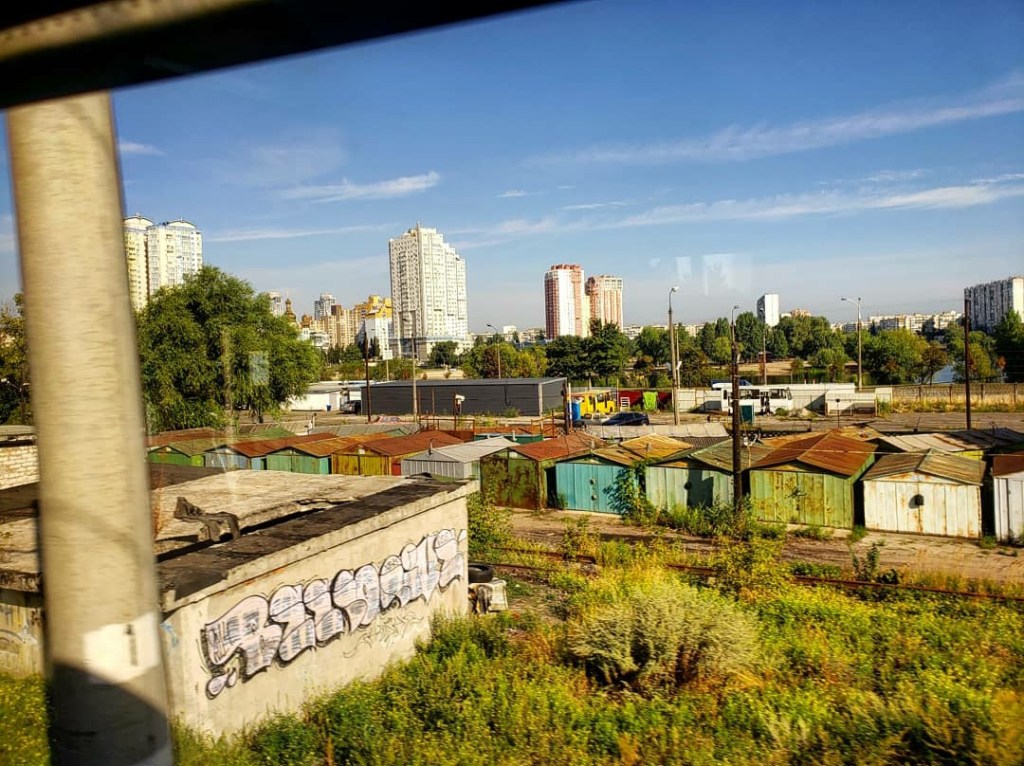
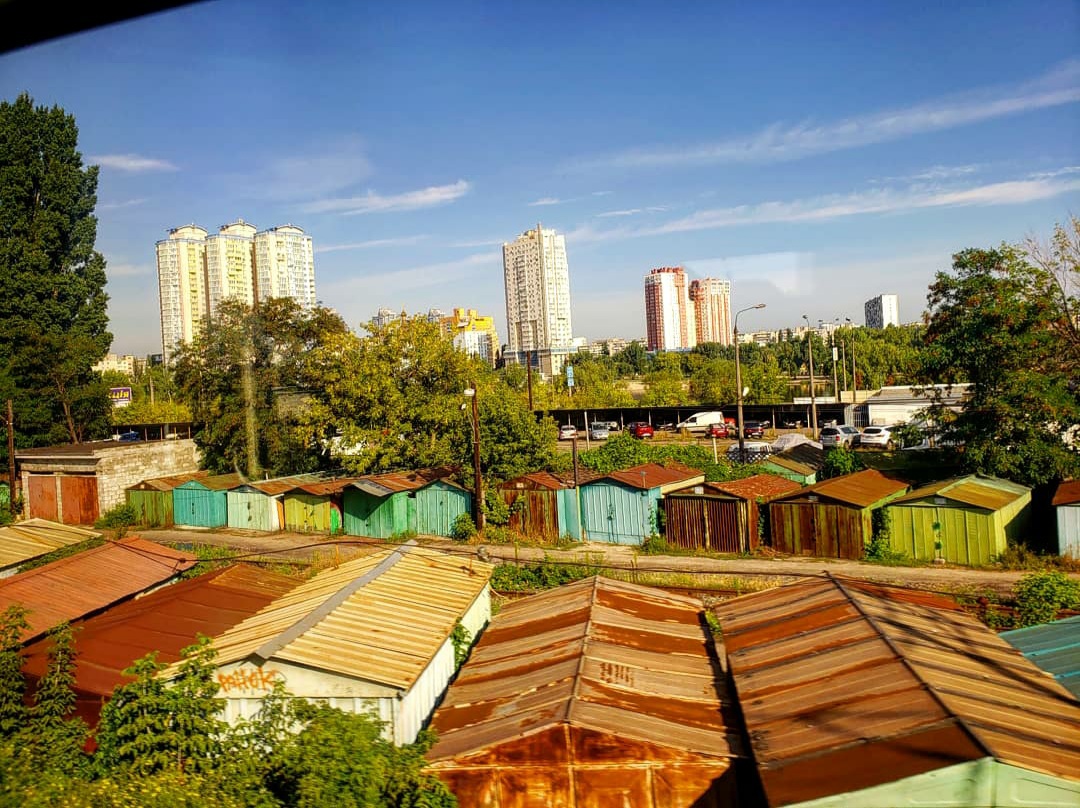
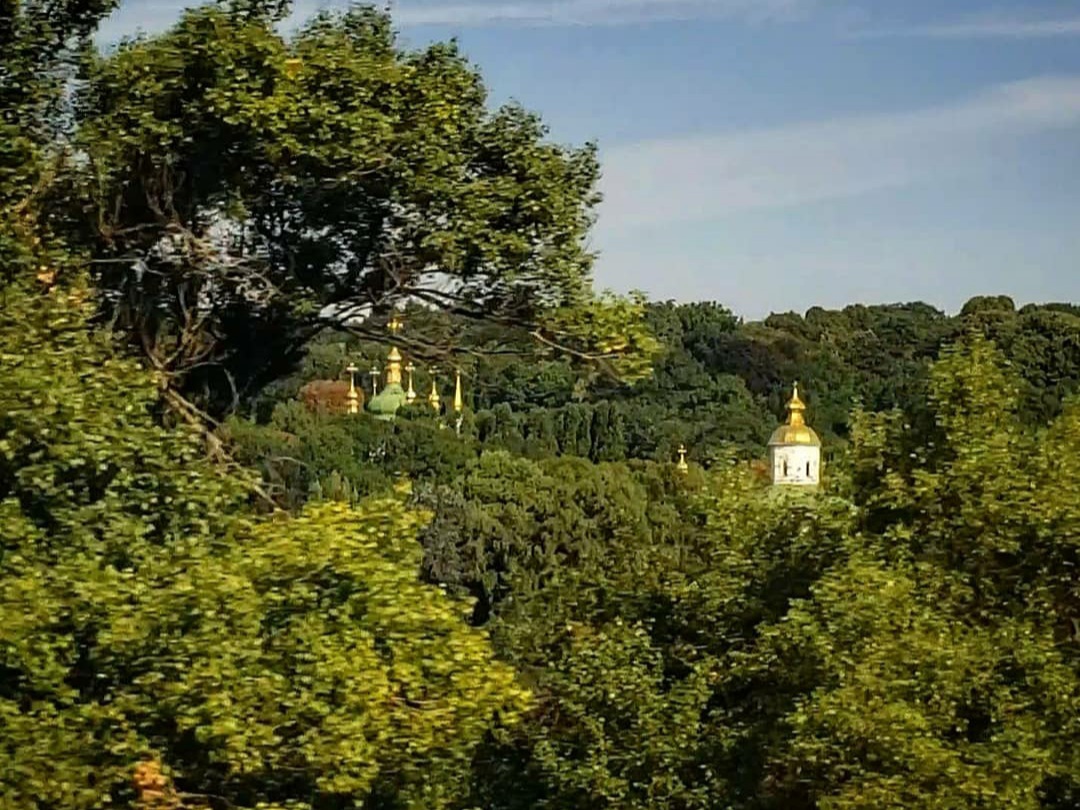
Soon, as we were entering Kyiv, several Orthodox cathedrals started to pop out from the forests. We got off in the Central Station of Kyiv and found some lockers to store our luggage for the remainder of the stay. These lockers allowed us to create our own combinations; however, it used the Russian alphabet making it difficult to remember. (And if you accidentally put the wrong combination in while trying to open it back up, a very loud alarm sounds until someone can turn it off with the key).
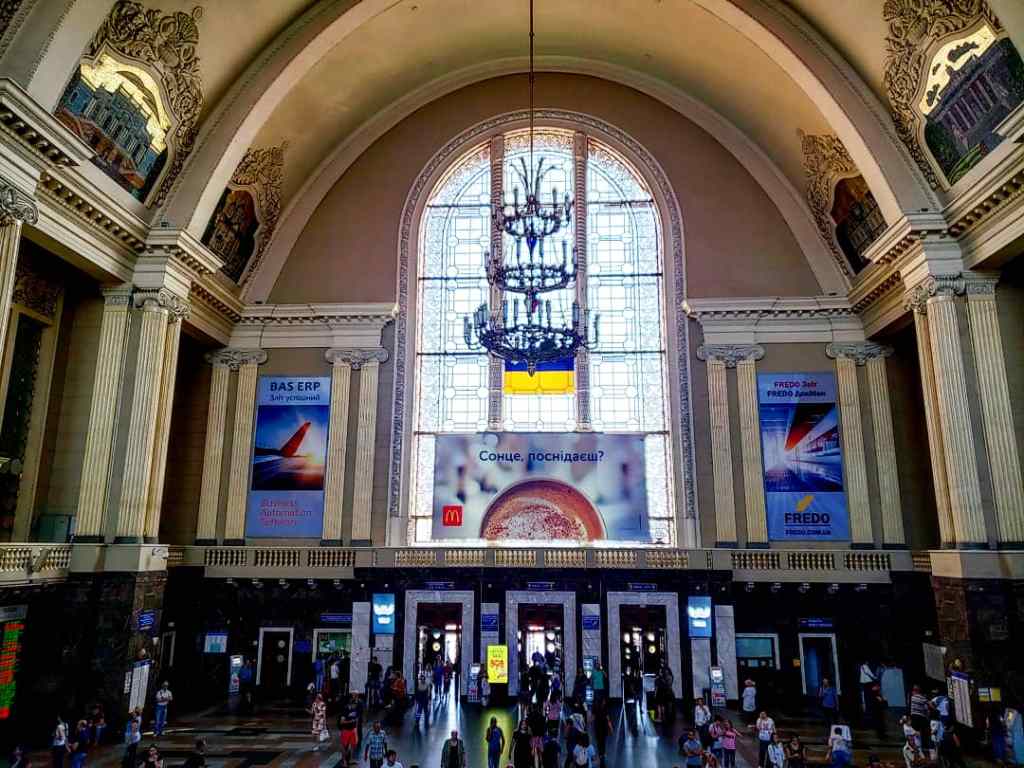
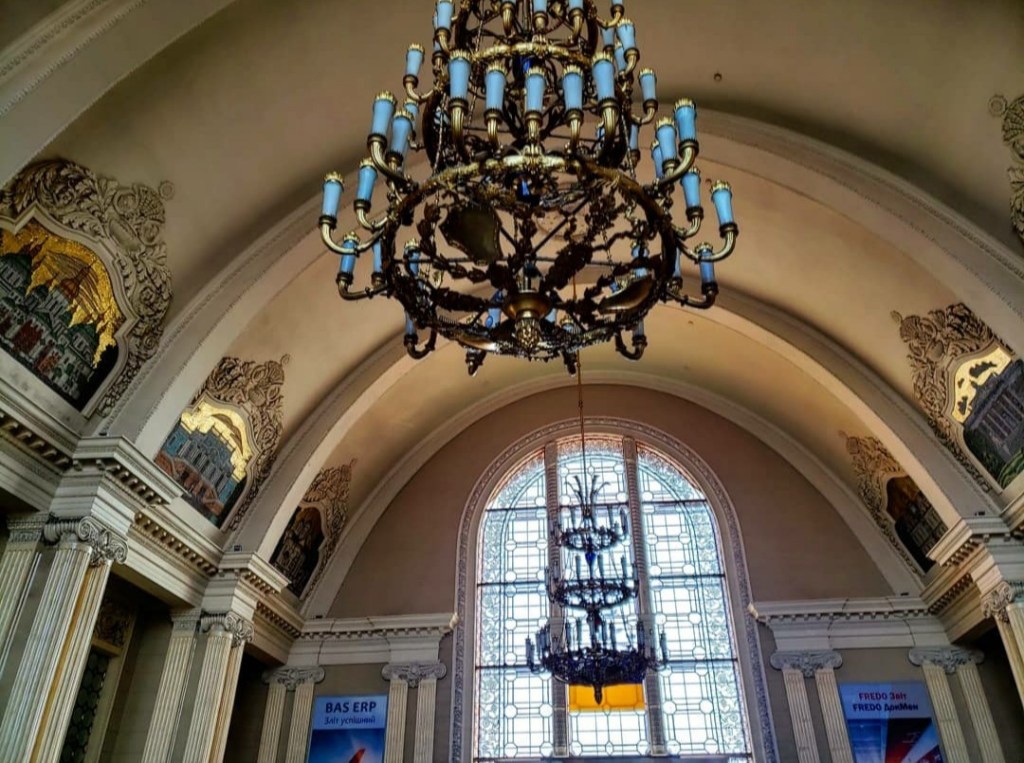
The Central Station is a beautiful building that was built in the late ’20s by the Soviet Union. It now sees over 170,000 passengers each day (at least before Covid). I loved the high ceilings and chandeliers, and especially loved the outside, showing that unique Soviet style architecture. While Kyiv is no longer a part of the Soviet Union, the evidence of its Soviet past is everywhere.
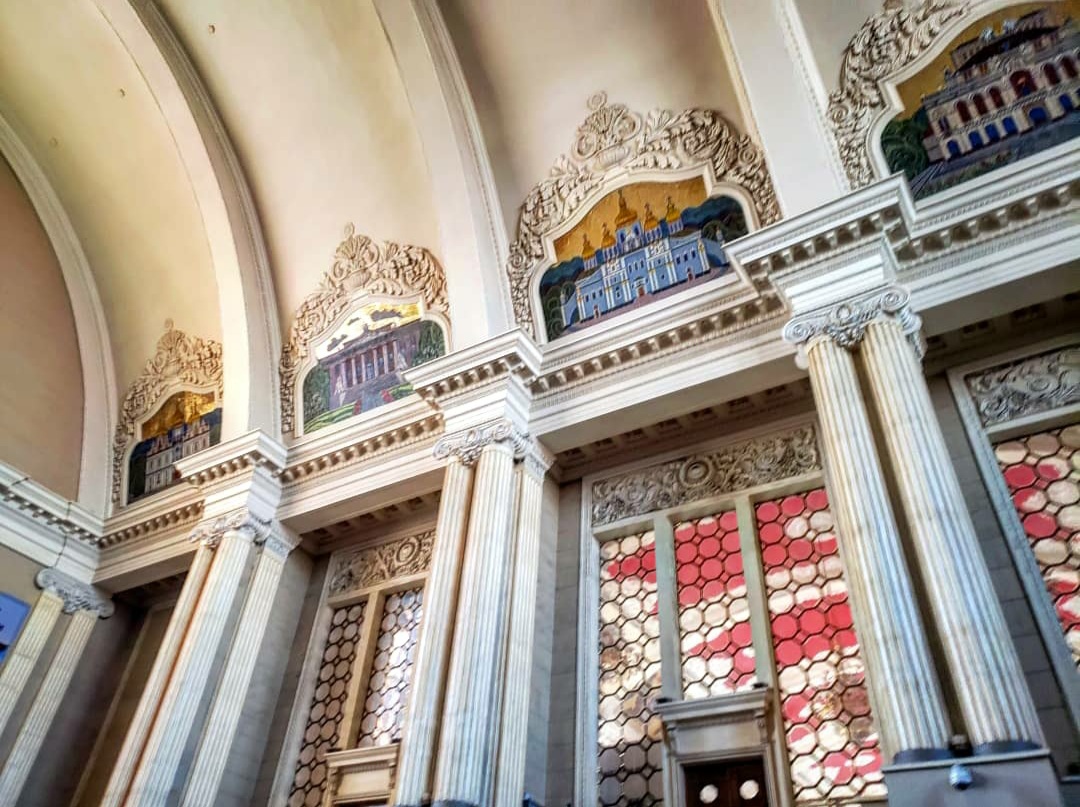
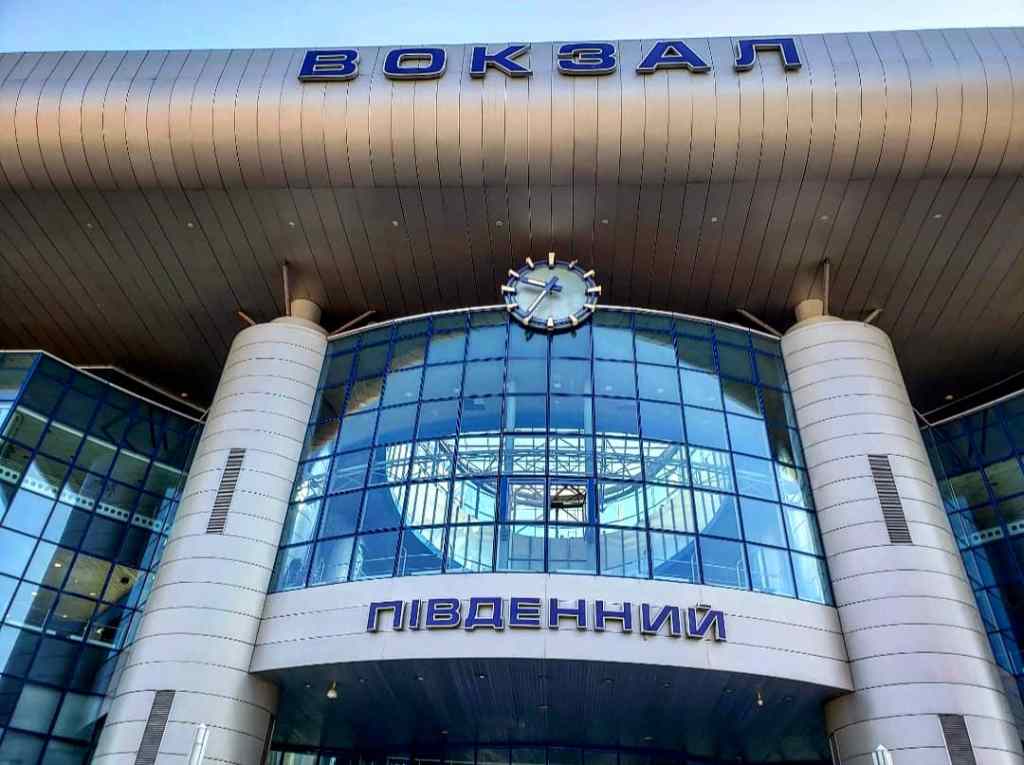
Coming out of the station, I saw beautiful cathedrals and old Soviet architecture everywhere I turned. One thing that really impressed me about the city is its use of tunnels instead of crosswalks to make crossing these crazy streets much safer. Our goal was to make it to Independence Square to meet up with our walking tour guide.
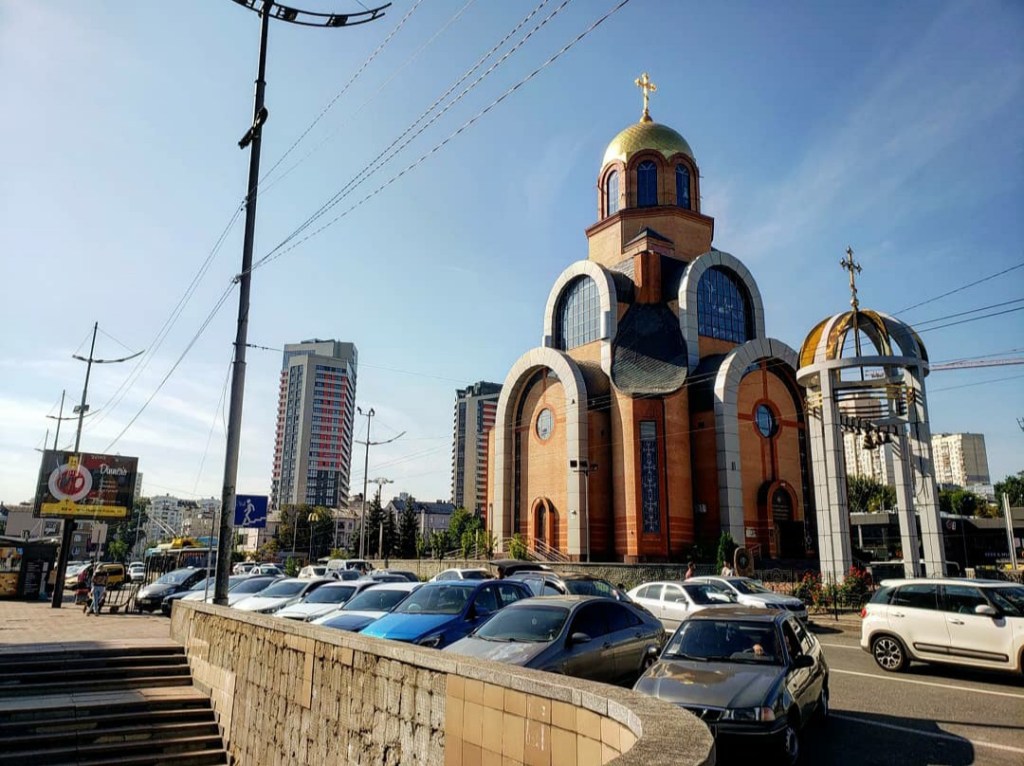
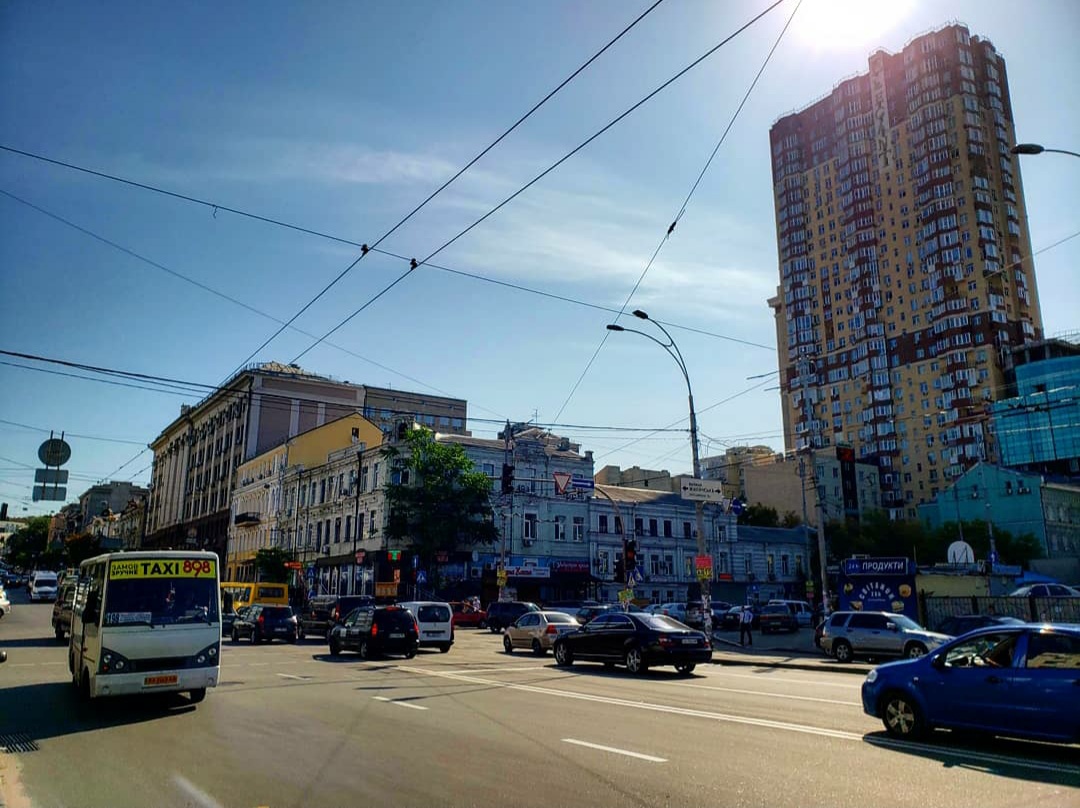
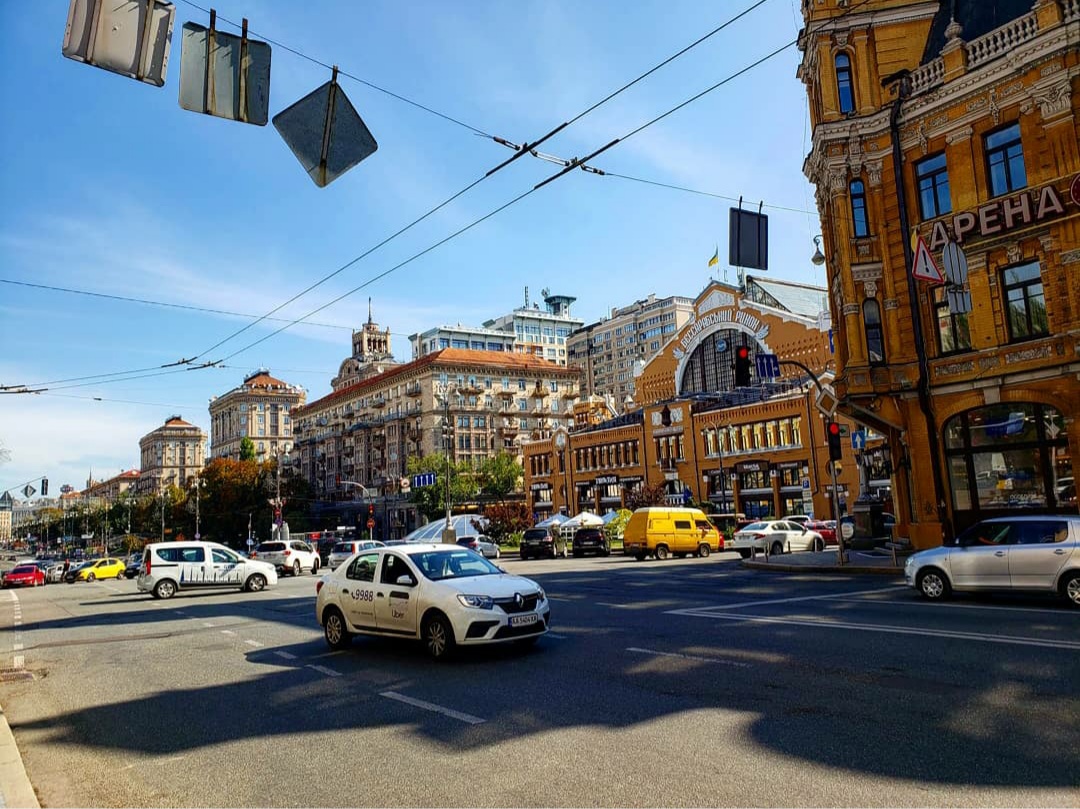
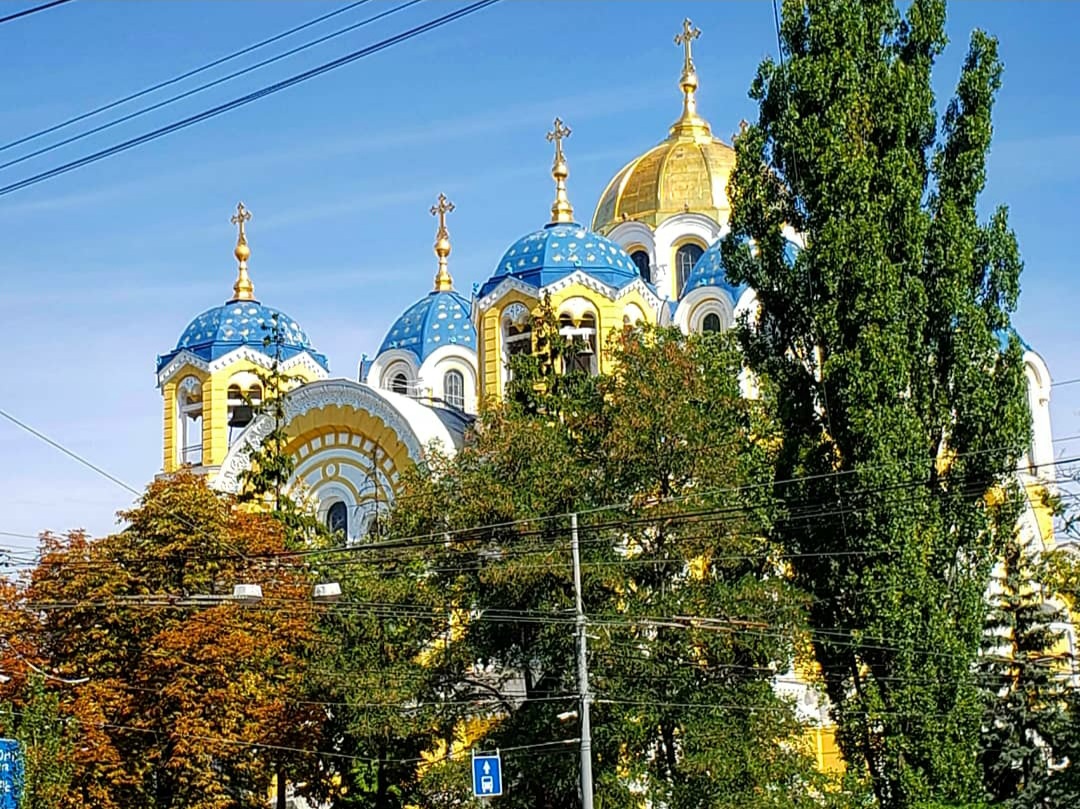
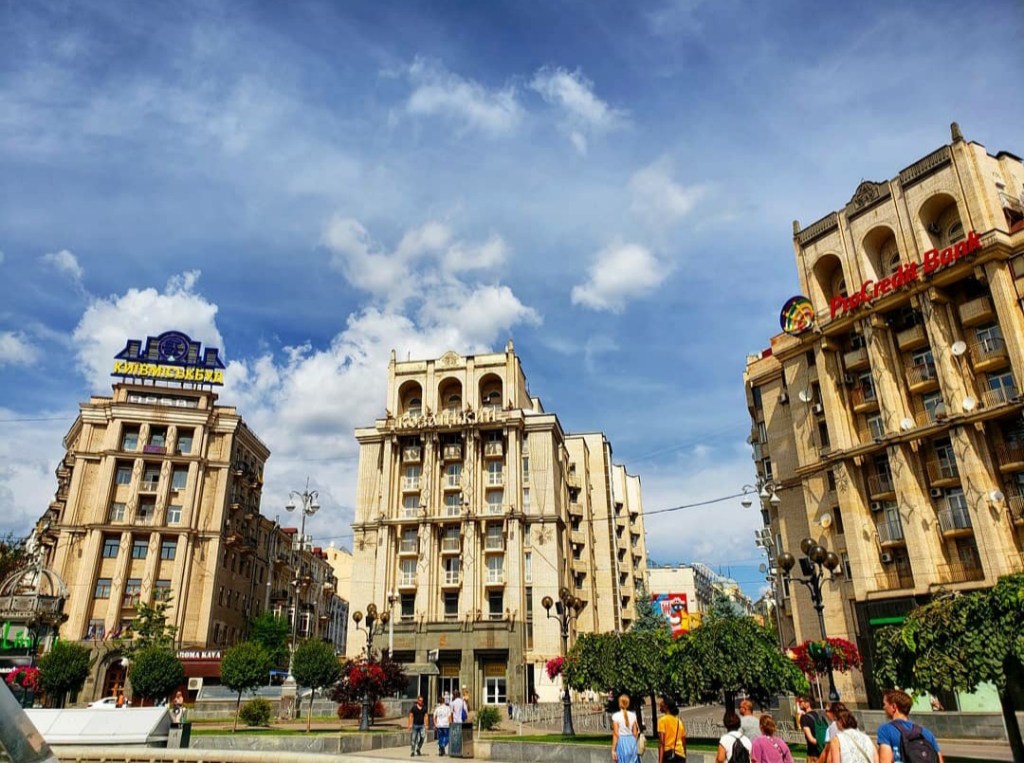
We eventually reached Kreshchatyk, the main street of Kyiv. Started in 1873, this road houses most of the important buildings in Ukraine. It’s also used for big events and closes to traffic on weekends. It was destroyed during World War II when the Red Army mined the streets in order to stop the advancing Nazis. On one end of Kreshchatyk is a tall arch. I love the architecture in this city, and it makes walking it very enjoyable!
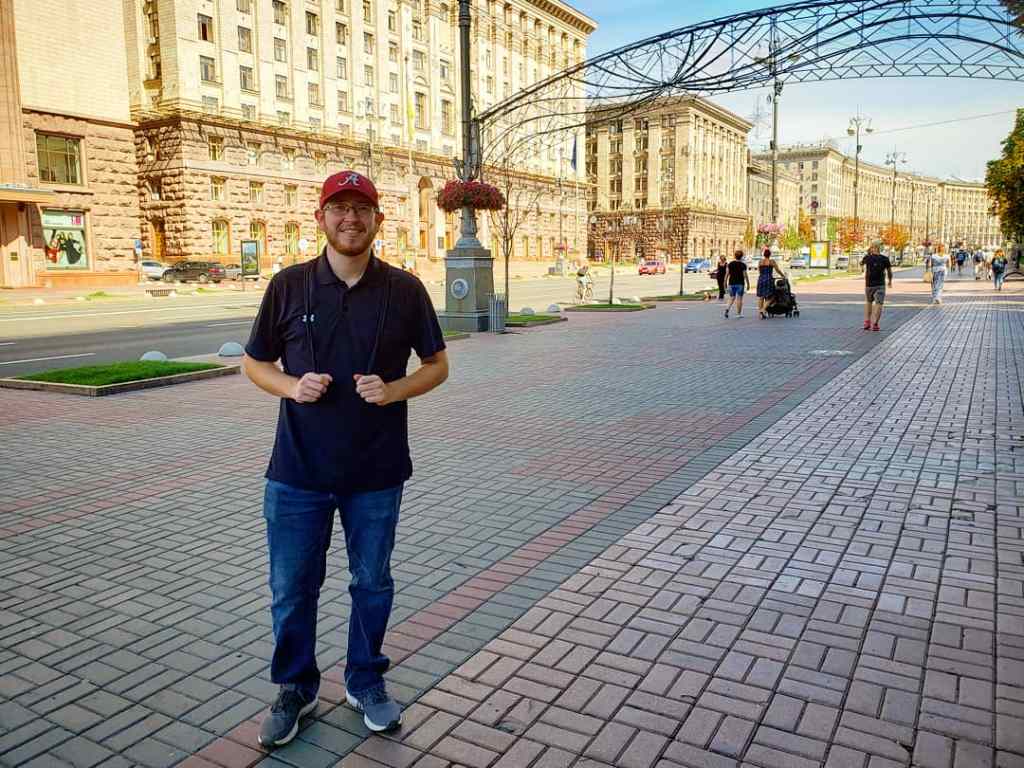
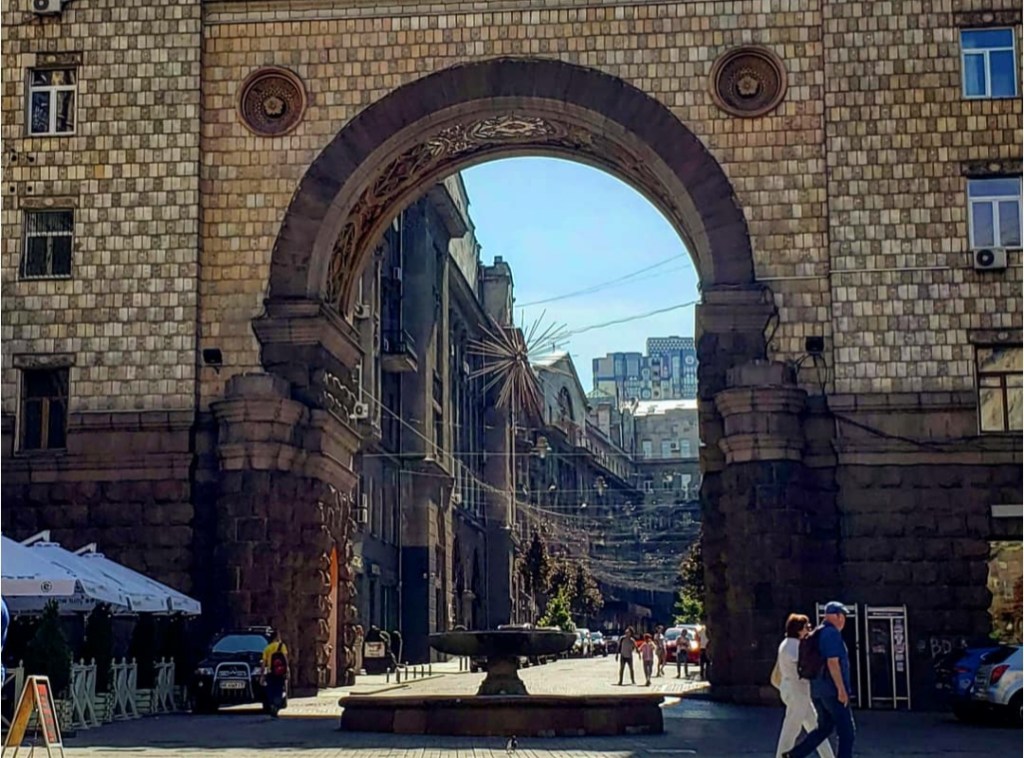
We finally made it to Maidan Nezalezhnosti, or Independence Square (Maidan, for short). It’s the main square of Kyiv and has been used for many protests over the years. In the center is the Independence Monument, celebrating independence from the Soviet Union. I went inside the mall located by the square to use the restroom and was annoyed that I had to pay to get inside the restroom, but that’s normal for many parts of Europe.
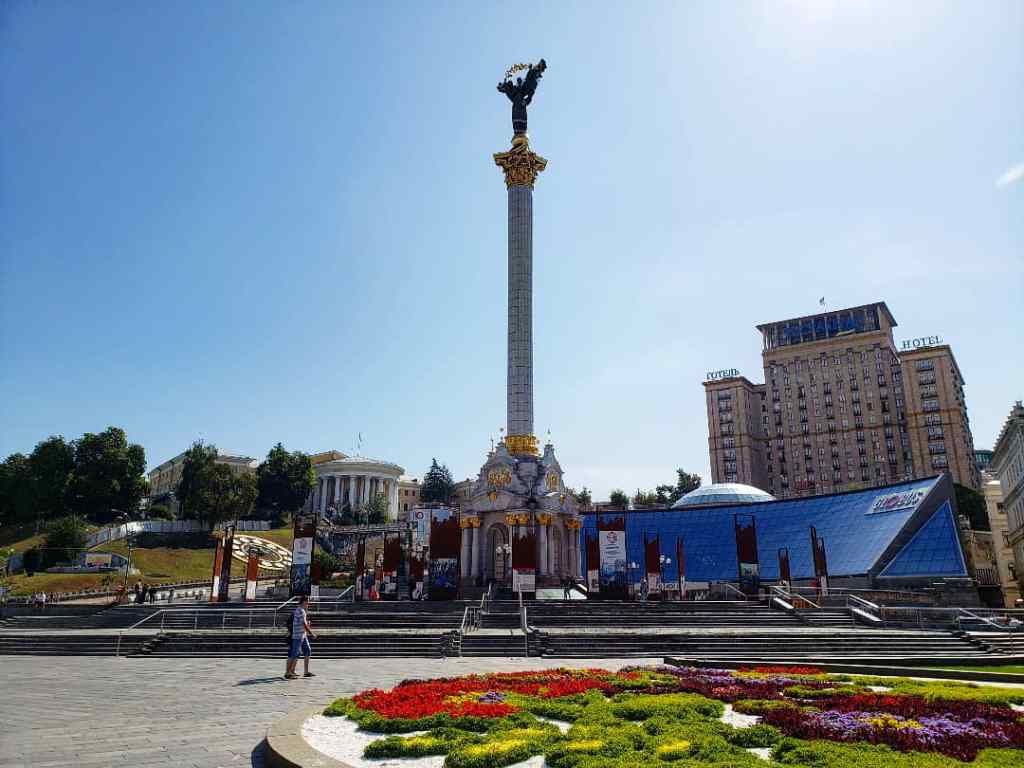
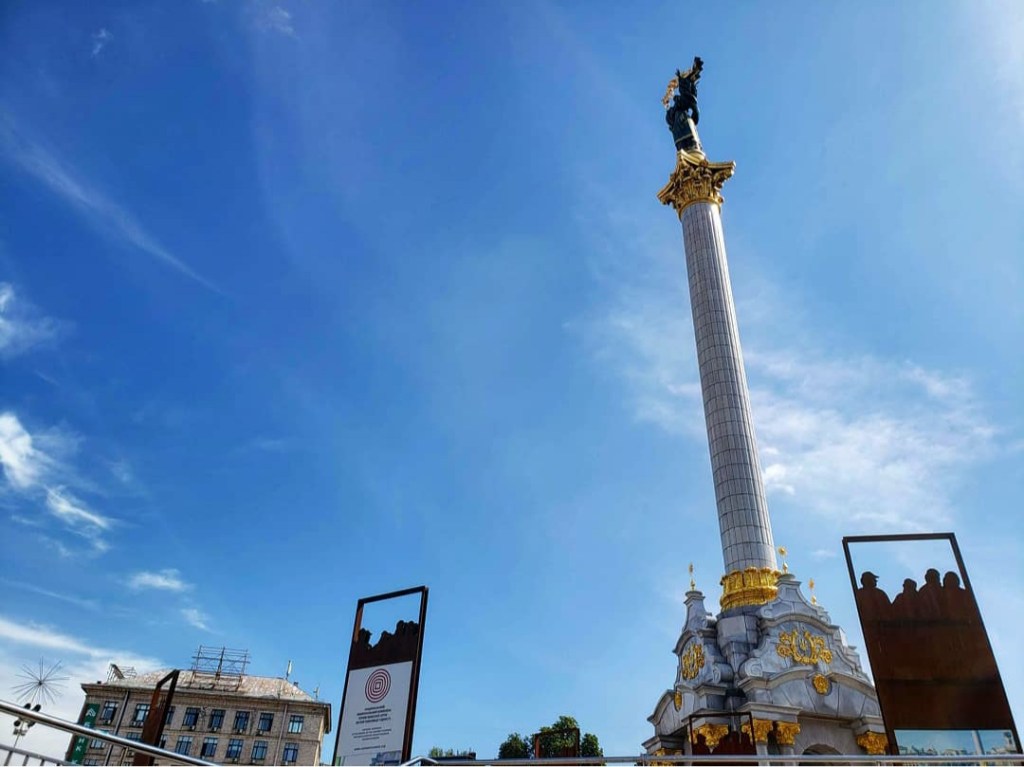
But Maidan is most known for the violent protests known as Euromaidan which occurred in 2013. This all started when the Ukrainian government started taking steps toward closer ties with Russia. This obviously upset many Ukrainians as they had worked so hard to gain independence. Soon protests erupted here in Maidan, calling for the president’s resignation. In order to stop the protests, snipers were placed on top of the clock tower building across the street and shot into the crowd, killing many protesters and nearby civilians. It was one of the bloodiest days in Ukrainian history with many being killed in this spot. It was a very surreal experience, standing in the same spot where all this took place.
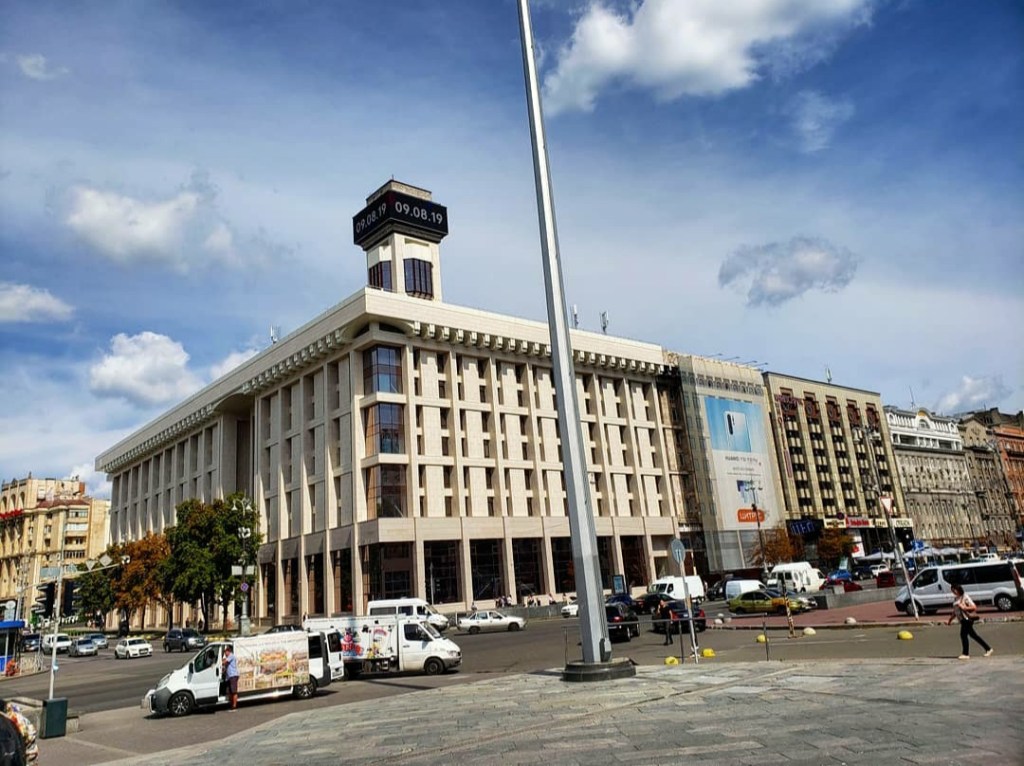
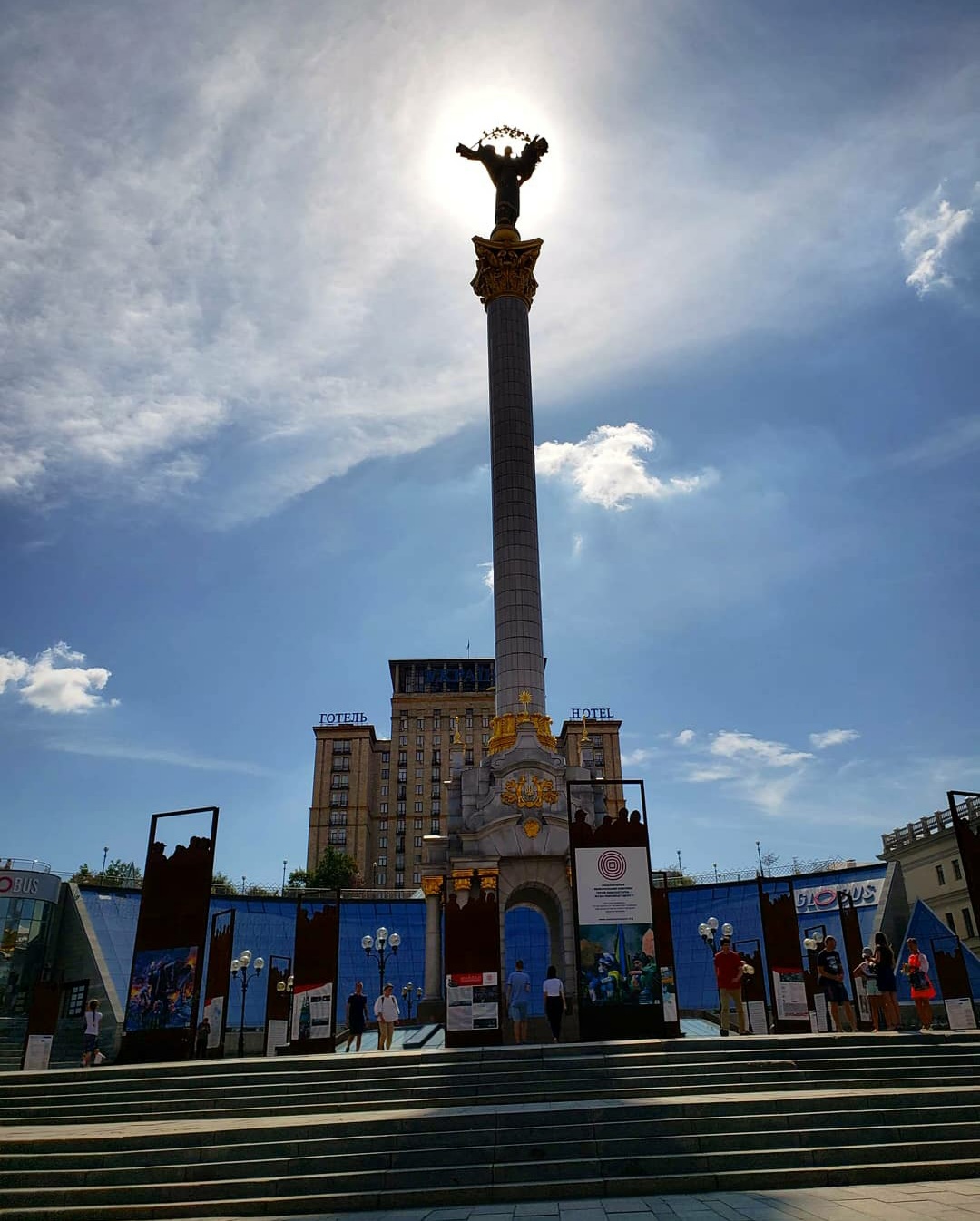
This corruption of power resulted in the 2014 Ukrainian Revolution where the government was overthrown and the president ousted. It also eventually led to Russia’s occupation of Crimea and the current war with the Donbass region. Hundreds of people wound up either dead or missing in a violent conflict that took place in Maidan shortly after these protests. It was here where our walking tour of the city started.
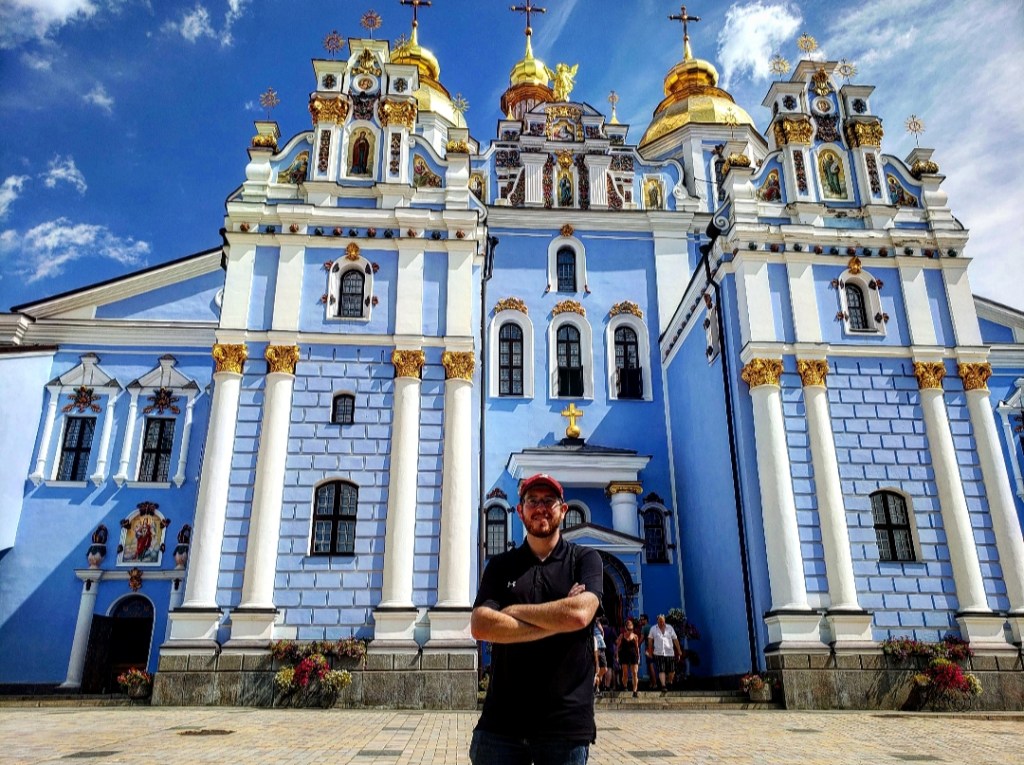
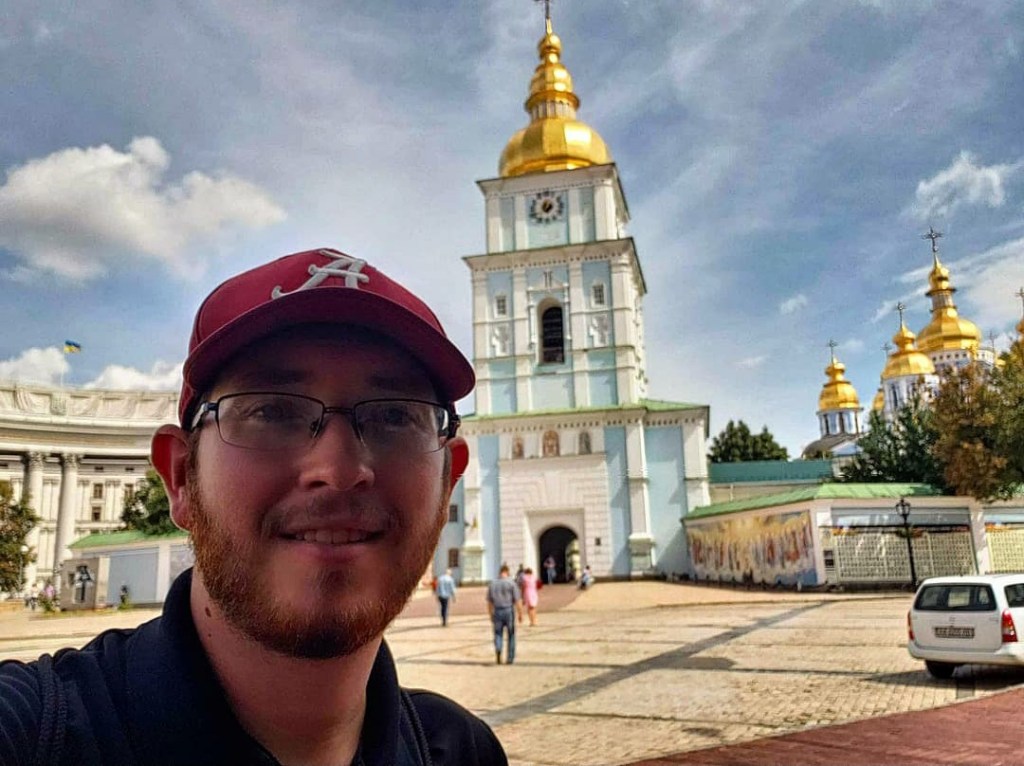
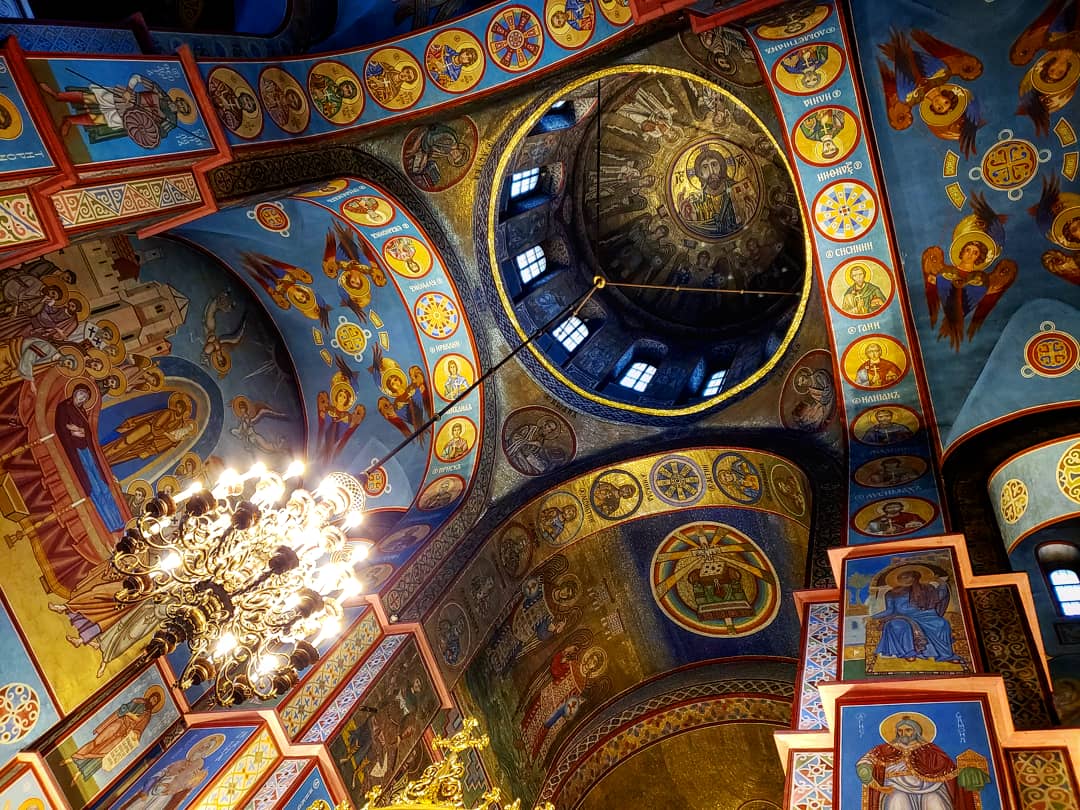
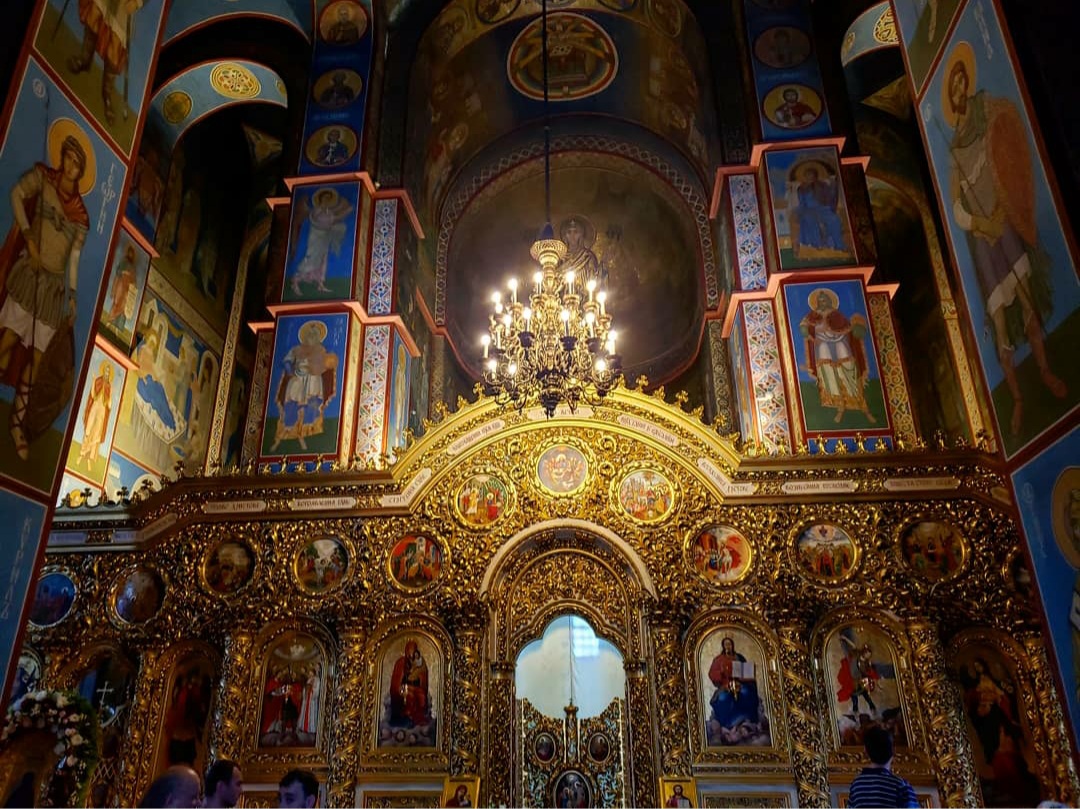
Our first stop was at St Michael’s Golden-Domed Monastery. The Orthodox religion is very important to Ukraine and is practiced all over the country. Their buildings are some of the most beautiful religious buildings I’ve ever seen. This monastery was originally built in the Middle Ages but was later destroyed by the Soviets. After independence, it was rebuilt and has since become the headquarters for the Ukrainian Orthodox Church. Walking inside, we were directed to remain silent and remove hats out of respect.
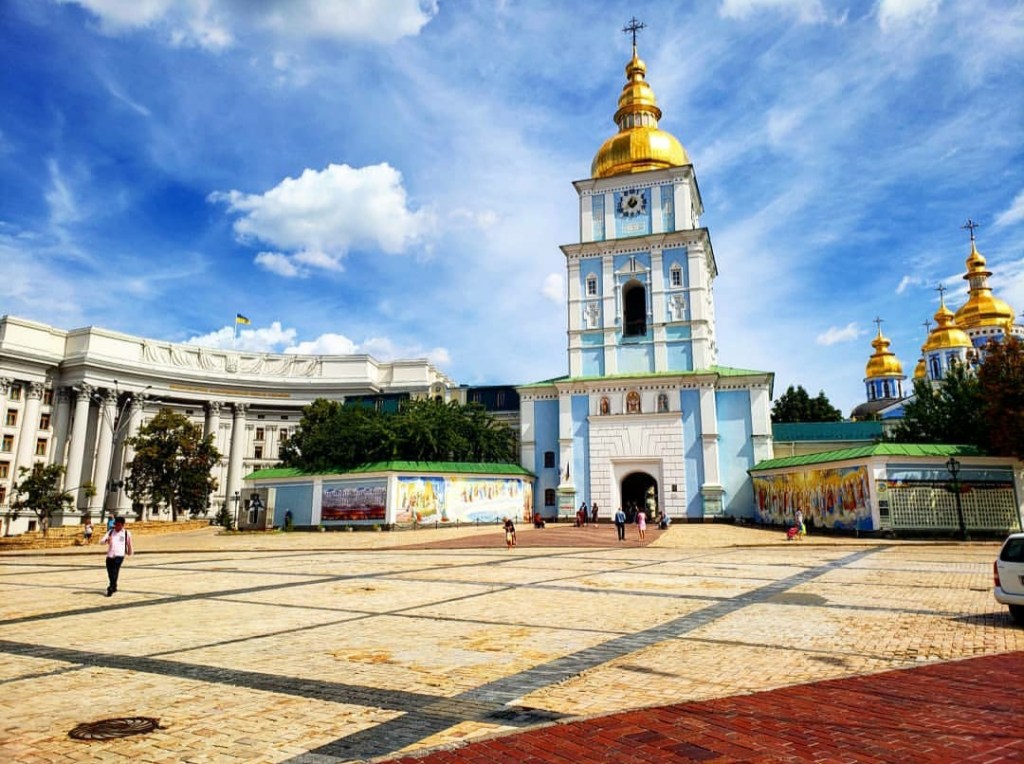
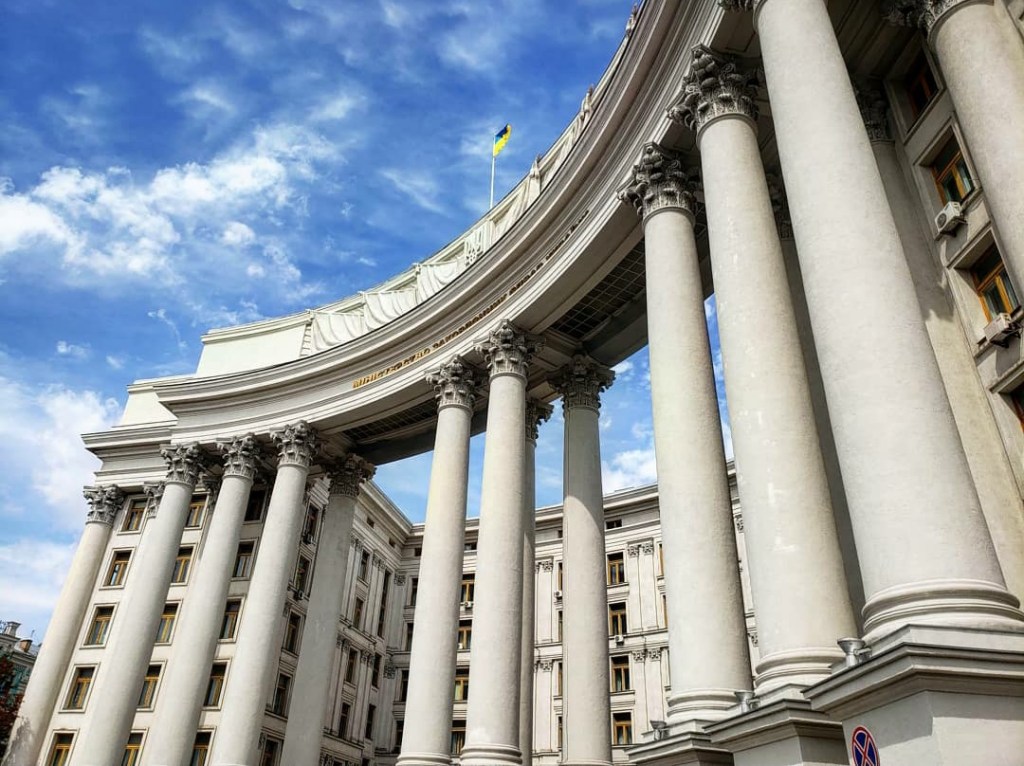
Across the street from the monastery is the Government Building where the Cabinet of Ministers meets. This is the highest body of executive power in Ukraine.
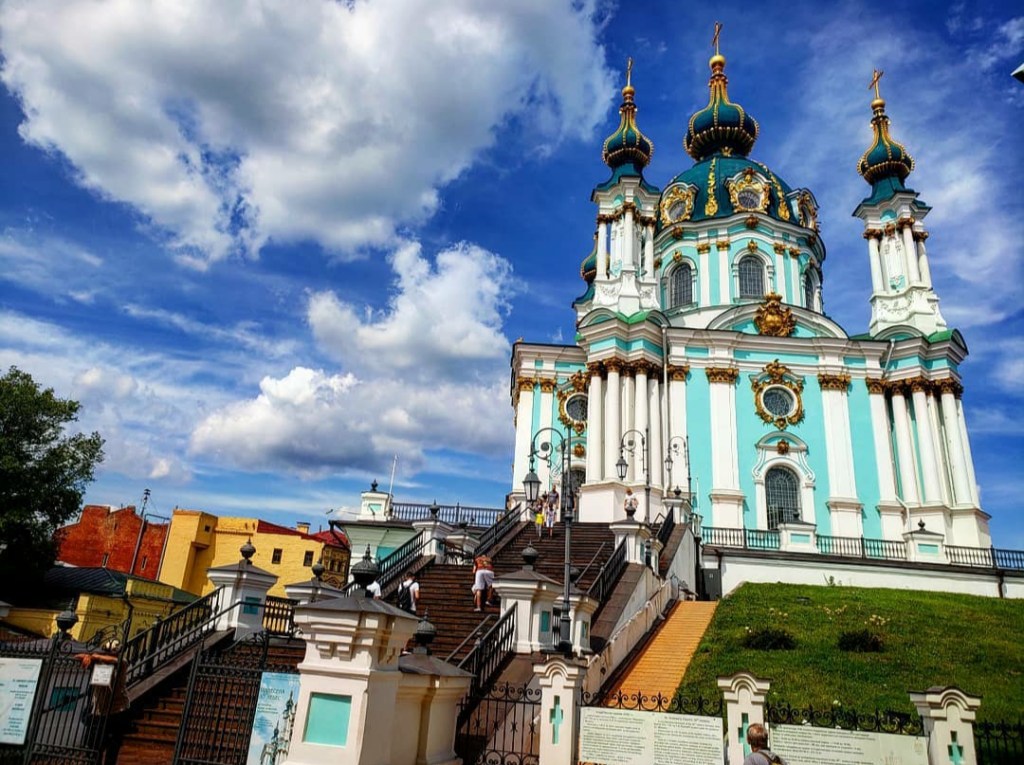
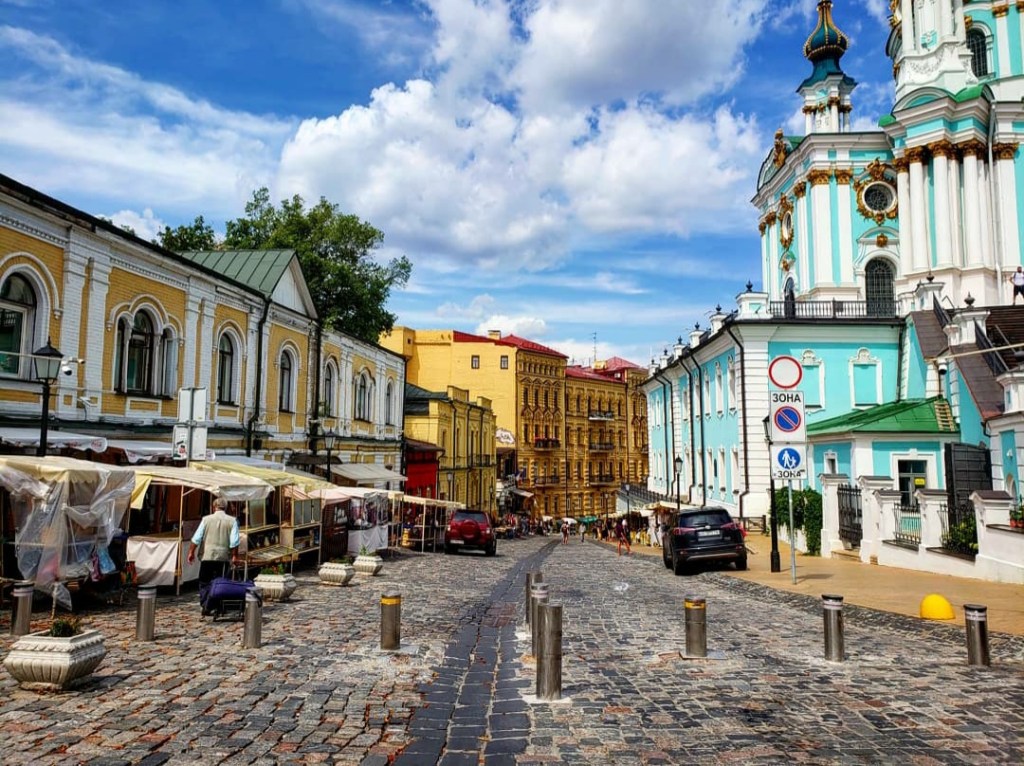
And just down the road from there is St Andrew’s Church which was originally built for the Russian Empress Elizabeth. The interior contains 1,028 slabs of gold, but it was closed at the time I visited. It is a popular wedding destination. Right next to the church there are many locals set up on the side of the road selling souvenirs and crafts.
Farther down the road from there is St Sophia Cathedral. It was built in the 11th century and named after the Hagia Sophia in Istanbul. It is a UNESCO site and one of the seven wonders of Ukraine. There’s a large square in front of it, surrounded by beautiful architecture.
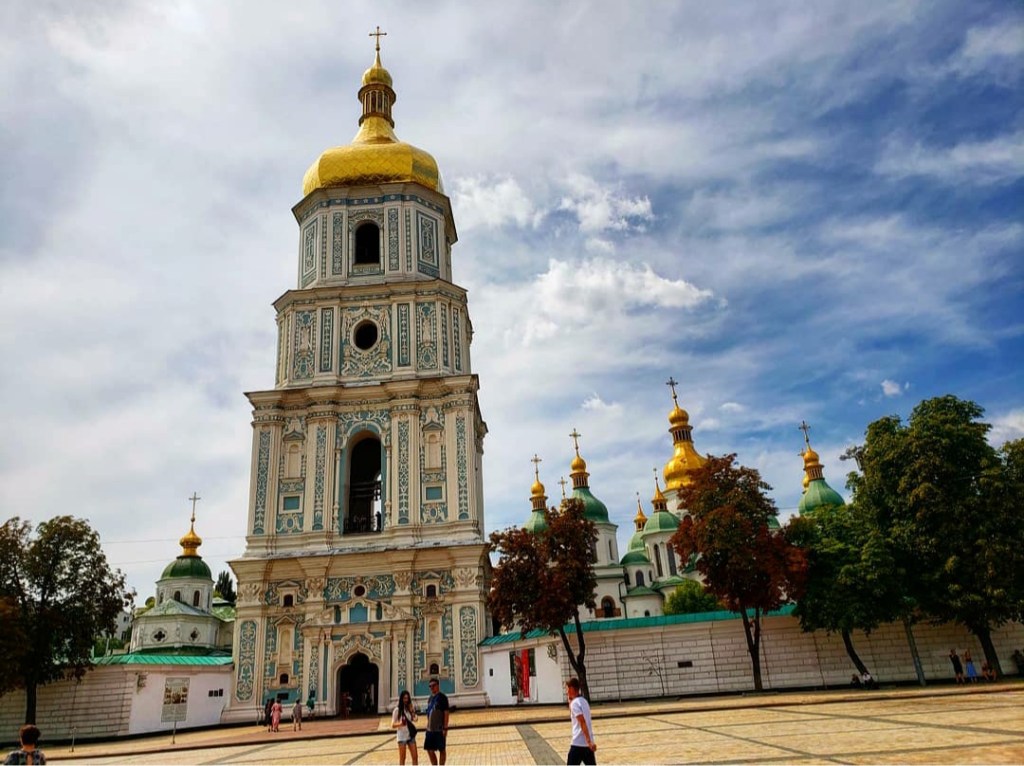
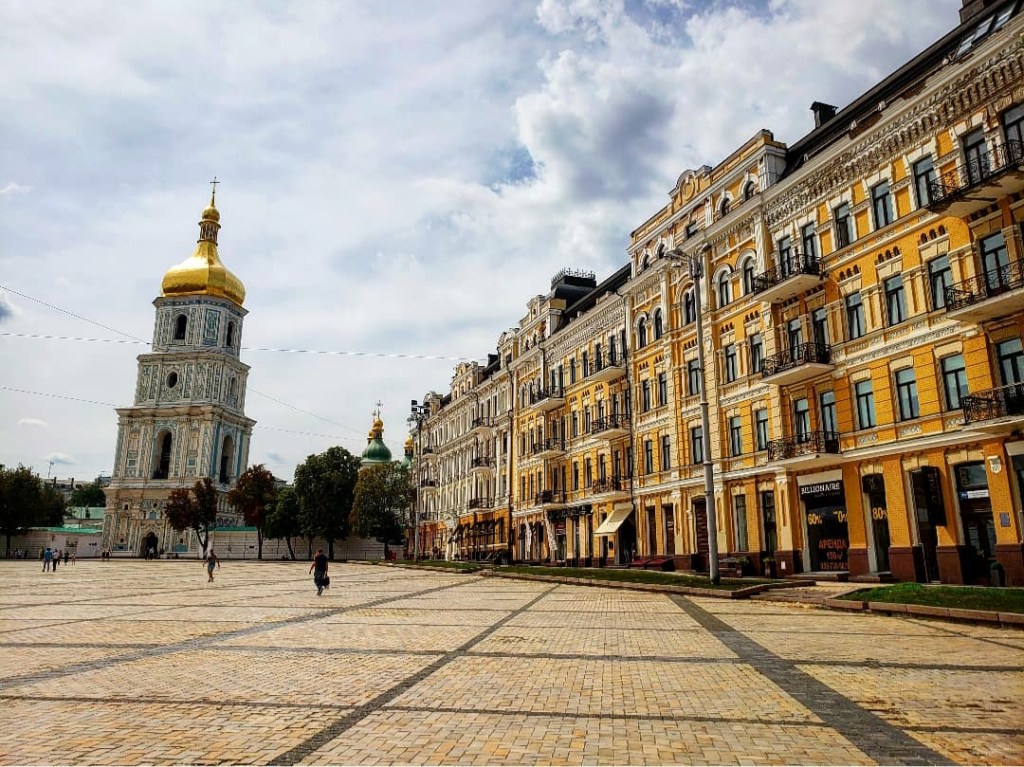
This was where we said goodbye to our tour guide and separated from the rest of the group to find a place to eat. Unfortunately, I started to feel very sick at this point. We walked around looking for a restaurant big enough to hold our group. We finally found one, and it was an interesting buffet style restaurant where you put whatever you want on your plate before passing through a pay station to reach the dining area. I had no idea what was on my plate or how much it cost. I didn’t eat much though as I was feeling sick, and I unfortunately forgot to take pictures of it as well.
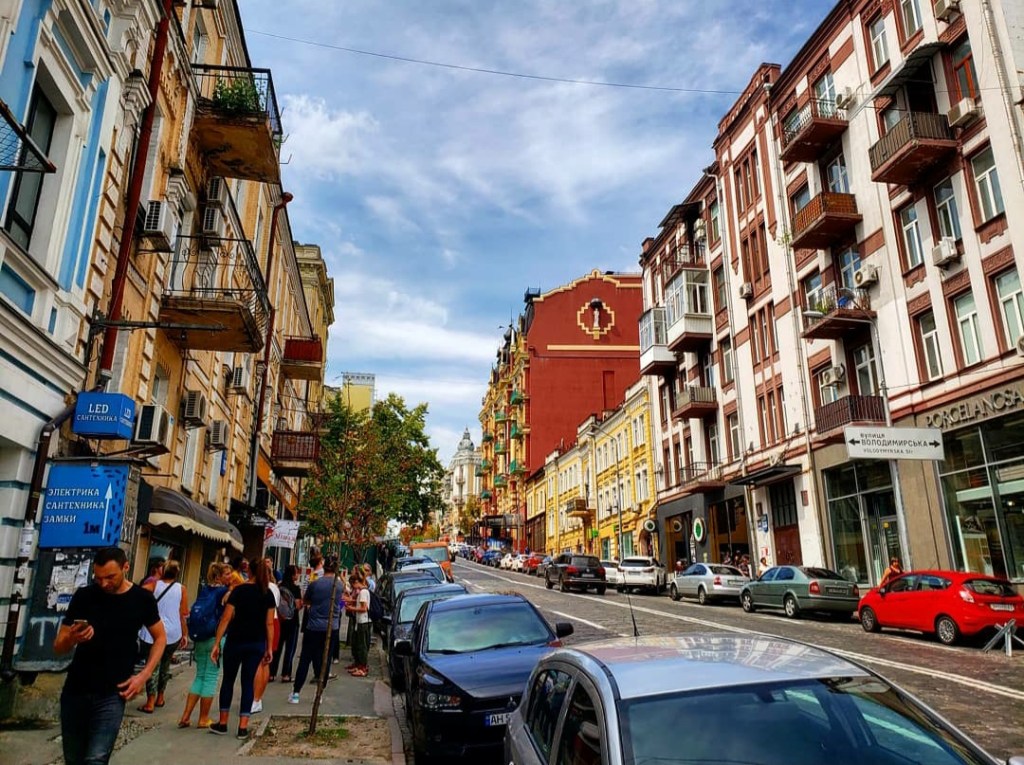
After that, we headed to a souvenir shop for a while and then had to get back to the airport in Boryspil to make our flight to Moldova. Central Station was too far to walk, so we had to call many Ubers to pick us up and take us to the station. Internet connection was bad, so this was an interesting experience. My first Uber ride ever was actually in Ukraine. We finally made it on the train back to Boryspil and had to say goodbye to this awesome city. I loved my time in Ukraine and hope to someday make it back! There’s so much more I’d like to see here.
 Tyler's Travels