
PC: @evernewimagery
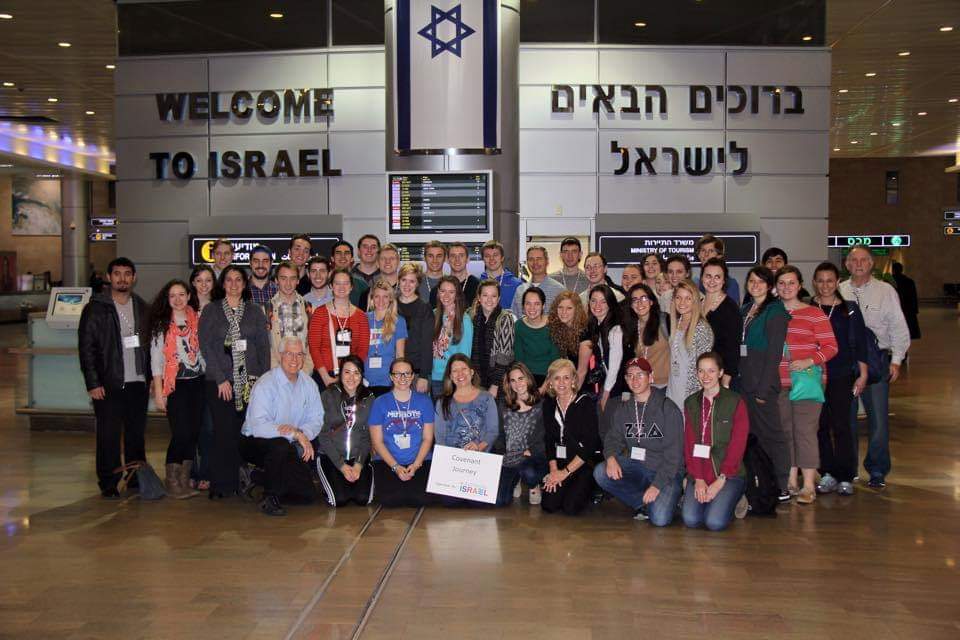
In 2014, I heard about an opportunity that interested me. It was a trip with an organization called Covenant Journey that took Christian college students to Israel for only $500. It seemed too good to be true, and I almost didn’t sign up. This was an organization no one I knew had ever heard of, and they had never done this before, so there were no reviews to go off. When I eventually pulled up the application, I saw that you pay the $500 up front when you apply, before ever knowing if you would get accepted, and the application asked for a lot of personal information including social security number and passport number. In my mind, this could have easily been a scam, so when I eventually signed up it was literally a leap of faith. A couple weeks later I was notified that I had been selected, and a couple weeks after that I was on my way to Israel with no idea what to expect. This is a summarized version of that trip:
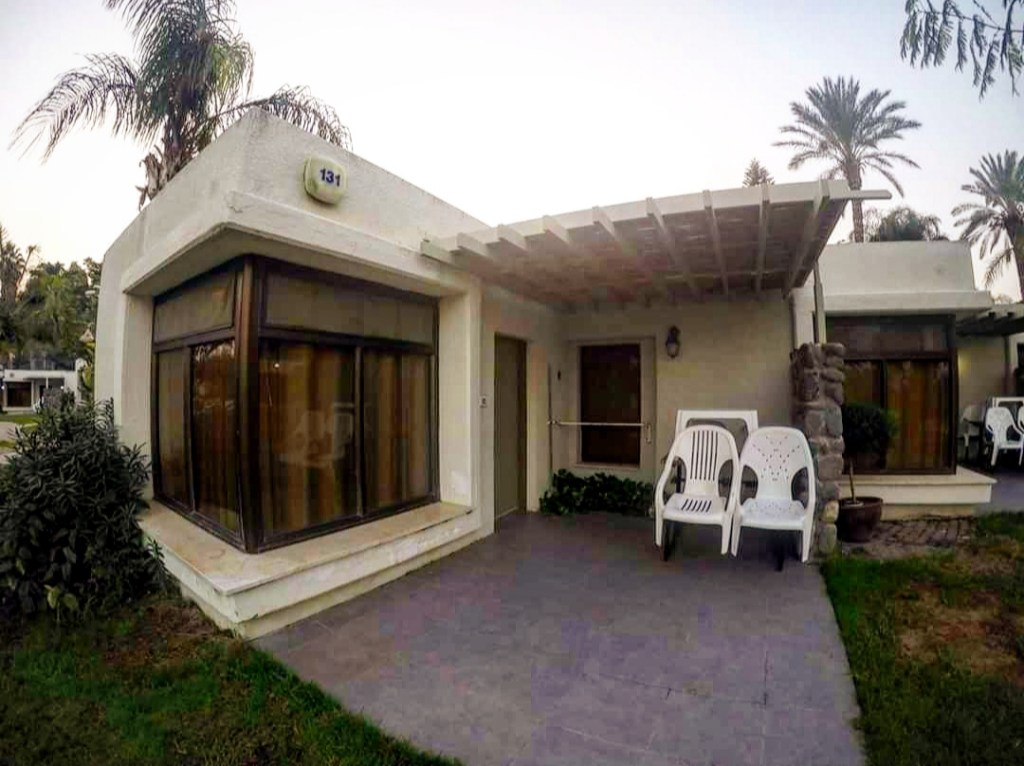
I arrived in Tel Aviv late at night and then boarded the tour bus heading to the Sea of Galilee in the Northern District. We stayed in Kibbutz Maagan near Tiberias at a hotel literally on the Sea of Galilee. We got to know each other and heard from a tour leader telling us that this hotel was Thomas Kinkade’s favorite place in Israel. I met Joe who would be my roommate for the trip and got settled into the room. I also blew the power for half the room when I tried to plug in a power strip. (I was still a beginner traveler at the time). The following morning I woke up early to watch the sun rise over Galilee and got chased off the beach by an animal of some kind (I think it was a pig, but it was still too dark to tell). I eventually made my way back down to the edge of the lake as the sun was just starting to rise. I knew that this trip was going to be something special: I just had no idea how much it would change me later on. It was so surreal standing on the edge of the body of water where Jesus calmed the storm and walked on water and where the disciples fished. I had heard all these stories my whole life, and I was now standing at the very place where those took place.
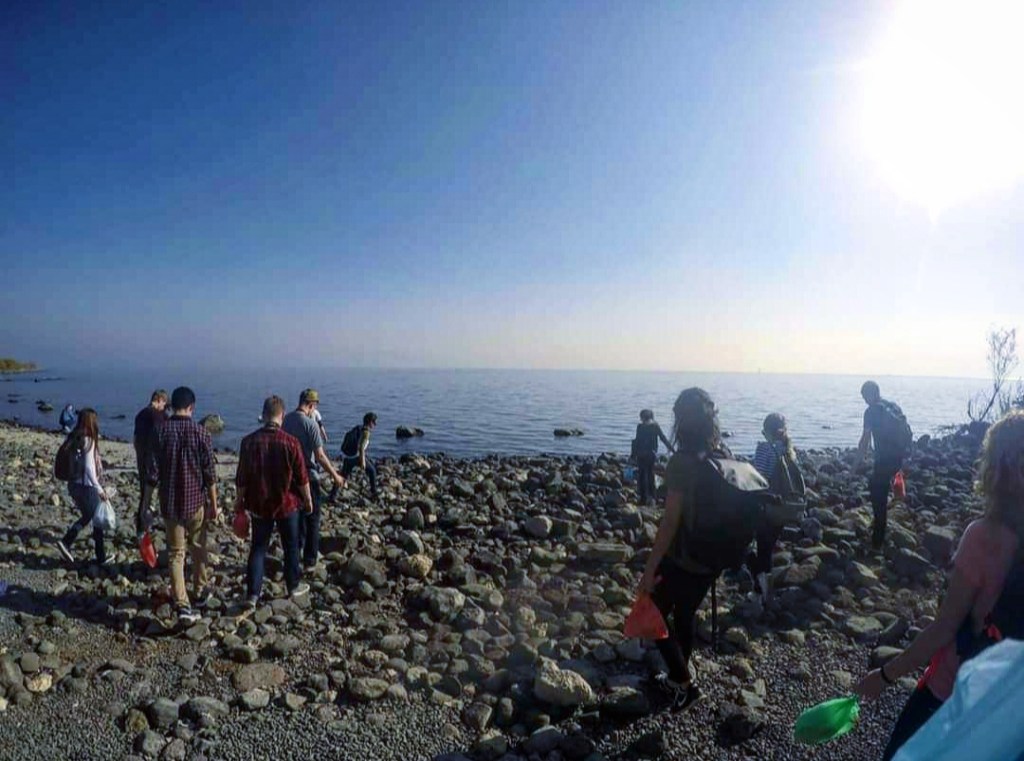
Our group started traveling along the Sea of Galilee, hitting the highlights along the way. We stopped at a museum in Kibbutz Ginosaur where there is an ancient boat that had been dug up that dates back to biblical times. While it’s a stretch, it is possible that Jesus used this boat Himself. We watched a documentary about how the boat had been found preserved in the mud and about the dating process showing it was from the time of Christ. While it was probably just a random boat, it is still an example of the type of boat Jesus would’ve used and helps us visualize the stories more. From there, we headed to the Mount of Beatitudes where Jesus preached the famous Sermon on the Mount recorded in Matthew 5-7. (“Blessed are the poor in spirit for theirs is the kingdom of heaven”). There was a cathedral at the top where Jesus possibly stood, and the hill leading down to the valley would’ve created the right acoustics for His message to spread to the whole valley. And then from there, we visited Tabgha which is believed to be the site of the Feeding of the 5000. It was (possibly) here that Jesus took five loaves and two fish and fed 5000 men, plus their families, with scholars estimating there were probably around 12000 people present. The cathedral here includes an ancient mosaic of the loaves and fish. It has become an important symbol that can be found in religious buildings around the world, including the Curchi Monastery in Moldova, which I recently visited.
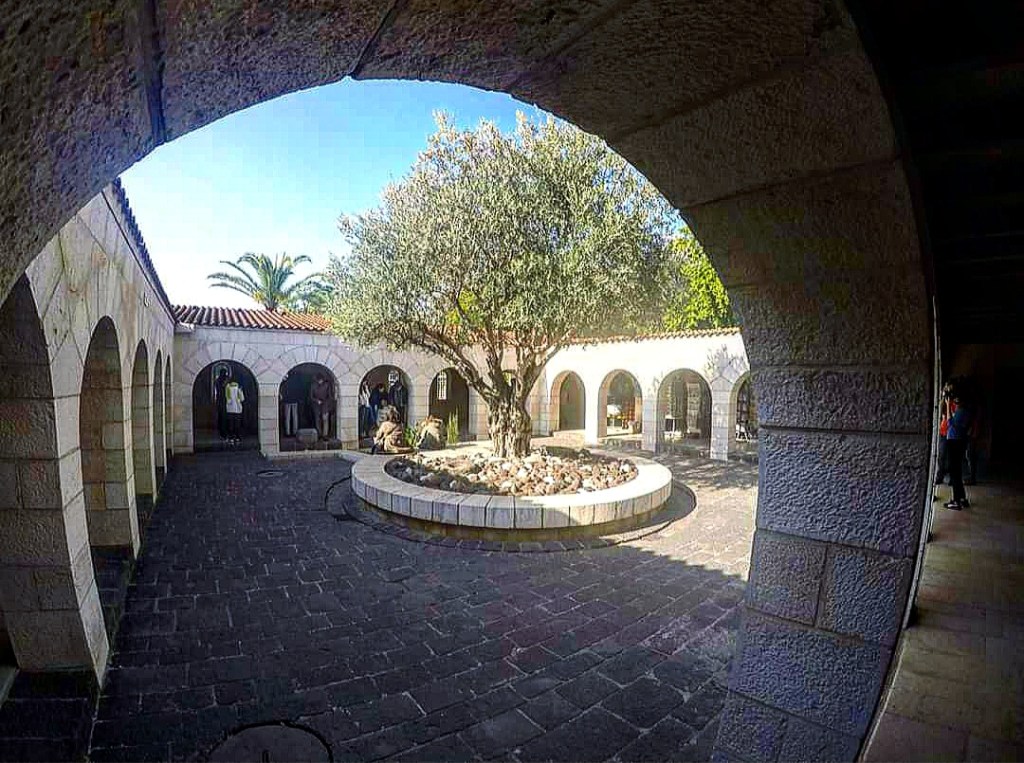
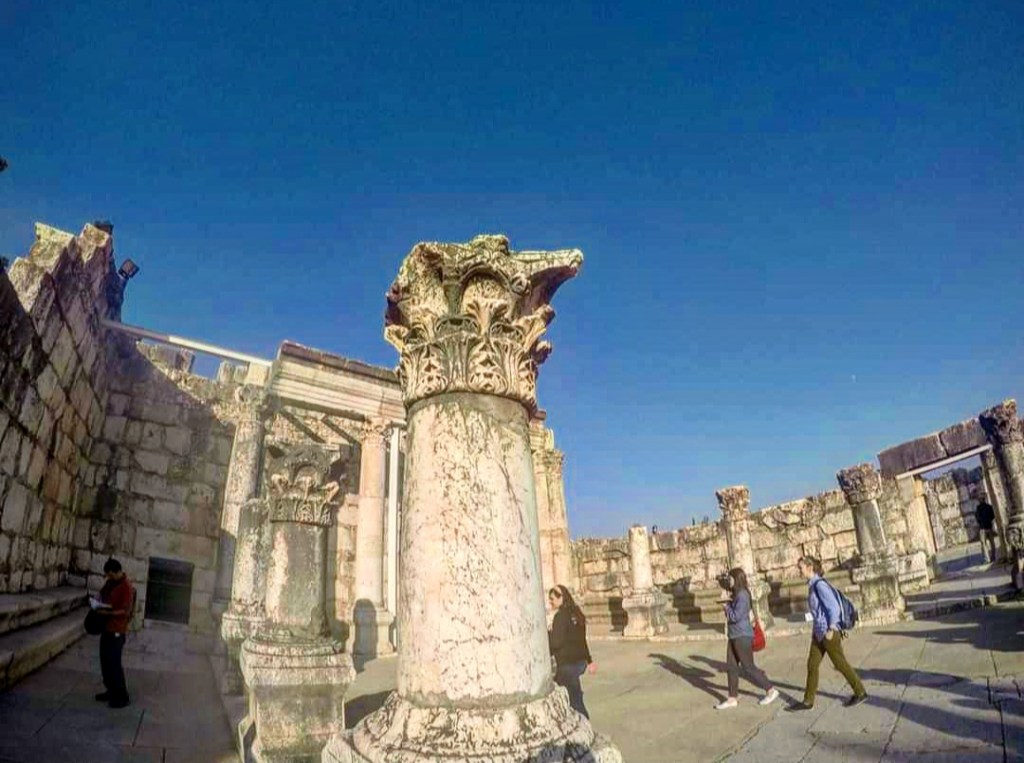
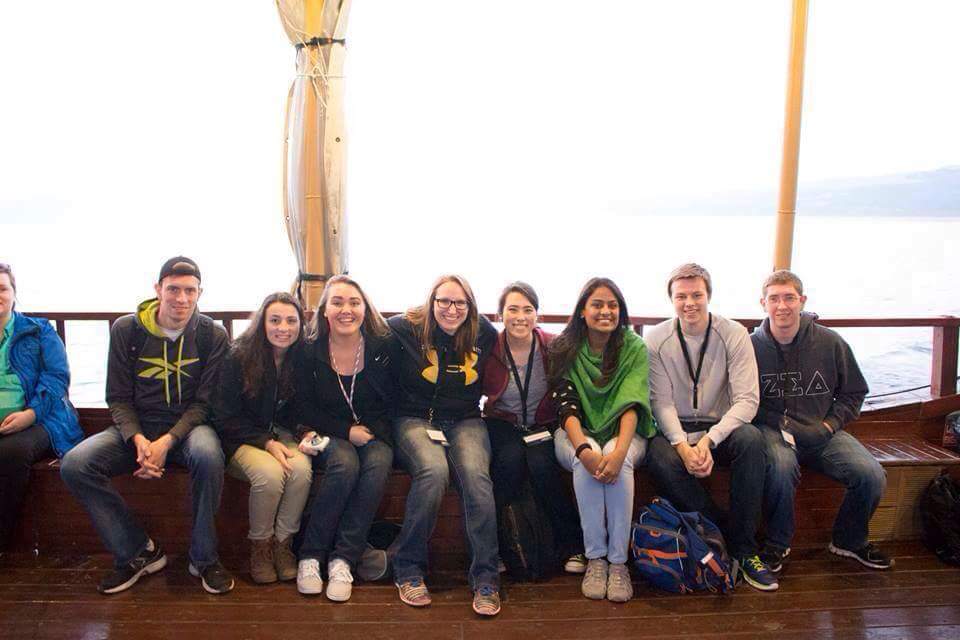
From here, we went to Capernaum and visited the synagogue where Jesus performed many miracles and healings. Today, Capernaum is no longer a livable city and is all in ruin, fulfilling Jesus’ prophecy that it would be destroyed in Matthew 11:23. While the synagogue does not look like it did in Jesus’ time, it was still the same synagogue that He preached in multiple times. This area has been controlled by so many empires over the years that the synagogue has undergone several remodels and as a result looks much different. There were also ruins that are believed to be Peter’s mother-in-law’s house. To end the day, we took a sunset cruise on the Sea of Galilee and danced to Israeli folk music. While on the Sea of Galilee, I looked out toward the hills of Tiberias and saw the lights of the city illuminating the night sky, reminding me of Matthew 5:14 where Jesus taught “Ye are the light of the world. A city that is set on a hill cannot be hid.” The Middle East is a somewhat dark region of the world. There is a lot of persecution and unrest, but Israel really is that light in a dark place, just like Tiberias. When you really think about it, Israel shouldn’t even exist. Many nations have sworn to destroy them and many have tried, but this small country the size of New Jersey has remained calm and defied all odds to stand strong against its enemies. Another verse I was reminded of is Genesis 12:3, “And I will bless them that bless thee, and curse him that curseth thee: and in thee shall all families of the earth be blessed.” God promised Abraham thousands of years ago that He would protect Israel, and the fact that Israel is still a strong presence in the world today is only further proof that God is real and that He keeps His promises. But what I like about that verse is that He doesn’t only promise to protect Israel: he promises to protect those that stand alongside Israel. For that reason, I will always stand by Israel no matter what because I fully believe that God keeps His promises and that He will bless me for it.
PC: @cindy.cj1
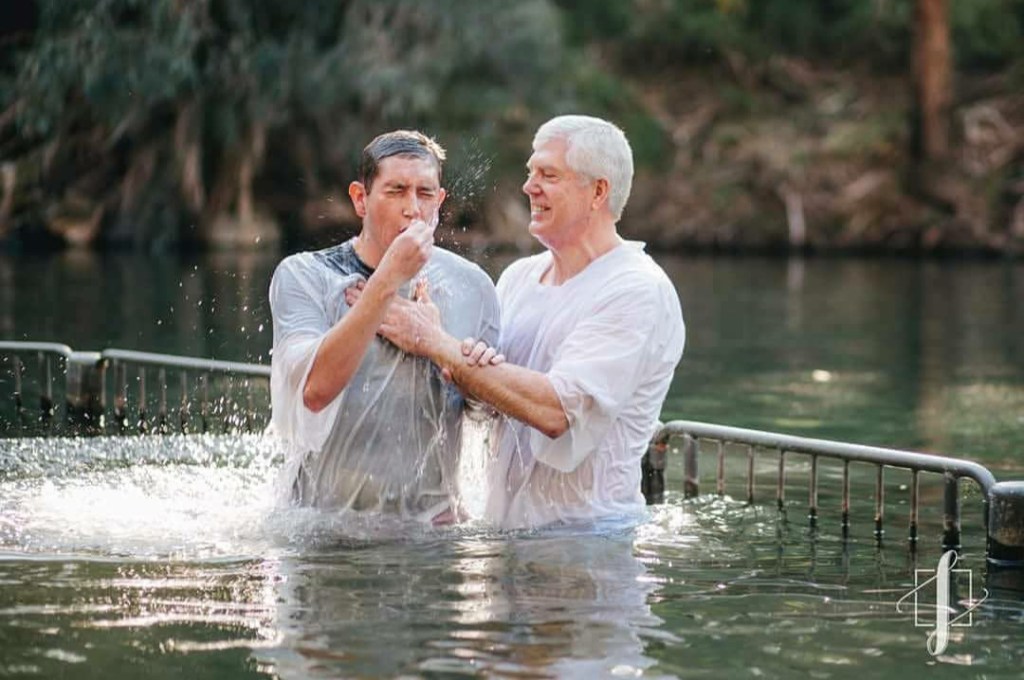
That night was December 31, 2014, and I stood on the shore of the Sea of Galilee to welcome the new year. Many of the people on my trip decided to do a polar plunge at midnight, but I decided not to because it was very cold, and I didn’t want to get sick (That excuse ended up being very ironic because I was the one that ended up getting sick soon after). I was able to Skype my family still in 2014 from the future and then go to bed. The next morning started with our group traveling to Yardenit and visiting the Jordan River. This provided a very special opportunity for me because I had never been baptized before. I got saved when I was 10 years old but kept pushing baptism off for the next 9 years. Standing at the Jordan River, I knew there would never be a better time or place for me to get baptized, so I decided to do it. The water was freezing, but having my official baptism done in the same river where my Savior was baptized was one of the highlights of all my travels.
PC: @evernewimagery
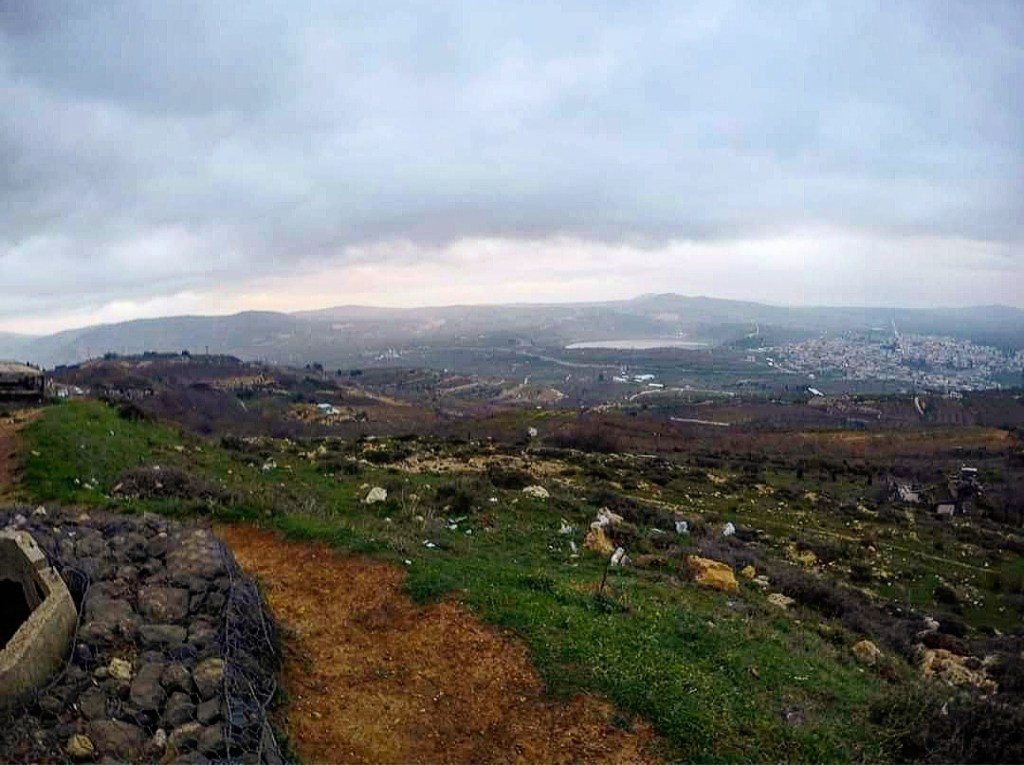
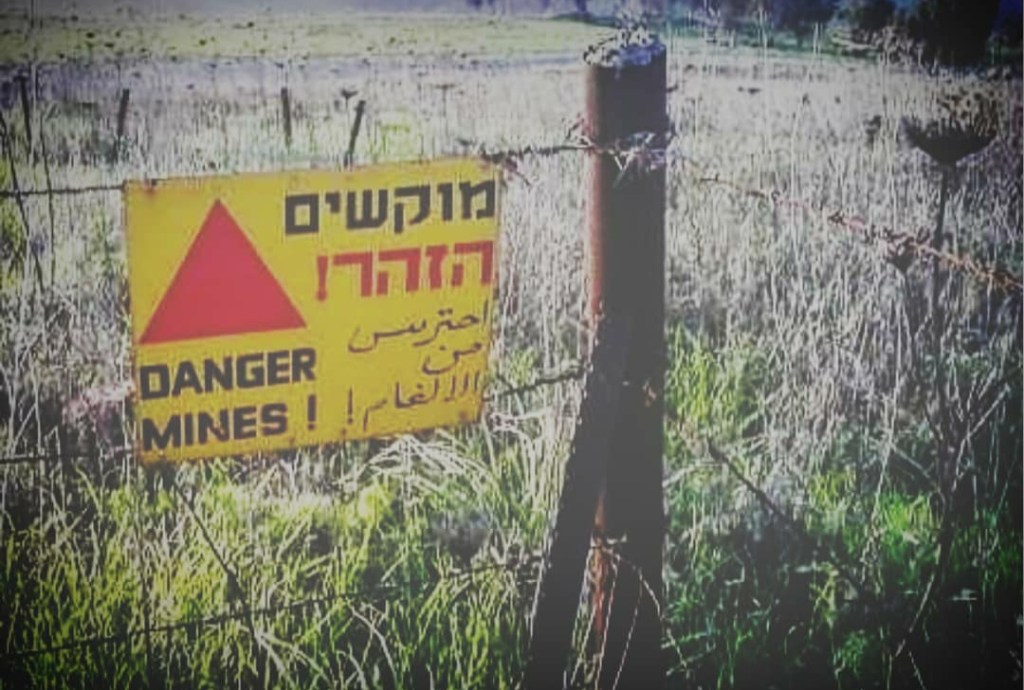
After drying off, our group continued traveling north until we reached the Golan Heights. This is an area that is disputed between Israel, Lebanon, and Syria, but the biggest conflict in this area is with Syria. Many organizations including the UN and Guinness World Records actually take Syria’s side and consider it a part of Syria, but being there it couldn’t be more clear that it belongs to Israel. There were fields still covered in mines from the Seven Day War and war bunkers that I was able to go inside. We then took time to stand on a hill overlooking Syria with a military general. While on this hill, we were informed that we had over 10,000 missiles pointed directly at us. The general gave us a security briefing and explained a bit of the history behind the current dispute between these countries. Honestly it doesn’t make much sense why Syria is fighting over this small section of land, but biblical prophecy states that the surrounding nations will hate Israel, so it’s going to happen no matter what.
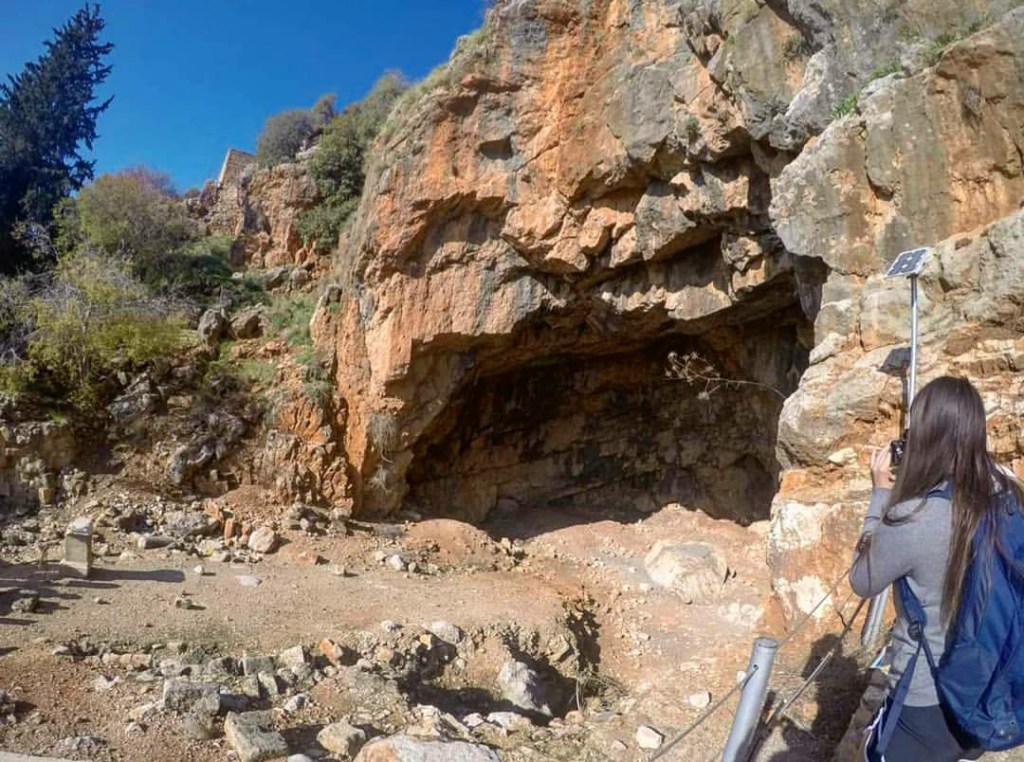
From there, we visited the area known currently as Banias, or biblically what was called Caesarea Philippi. This is a town that was known for worshippers of the god Pan. One belief that these Pan worshippers had was that the cave in the center of the city was the door to hell, and this belief was known to all those that passed through. There is a stream below it, and they believed that as the stream rose and fell, the door was opening and closing, allowing demons to enter and exit hell. This adds a lot of context to the passage where Peter proclaimed that Jesus was the Son of God. Matthew 16:13 explains that they were in Caesarea Philippi for that conversation which led to Jesus’ response in verse 18. He said “That thou art Peter, and upon this rock I will build my church; and the gates of hell shall not prevail against it.” He was explaining to Peter that His church, or His followers, will base their entire belief on what Peter just said, that Jesus is the Son of God. And that the gates of hell will not defeat them. Jesus was known for speaking in parables, using His surroundings as word pictures to explain His teachings, and He was using what Pan worshippers literally believed to be the gates of hell to illustrate His message. One of the coolest things about traveling around Israel is that the Bible comes alive in ways you could never expect and how the stories you grew up hearing become more real than ever.
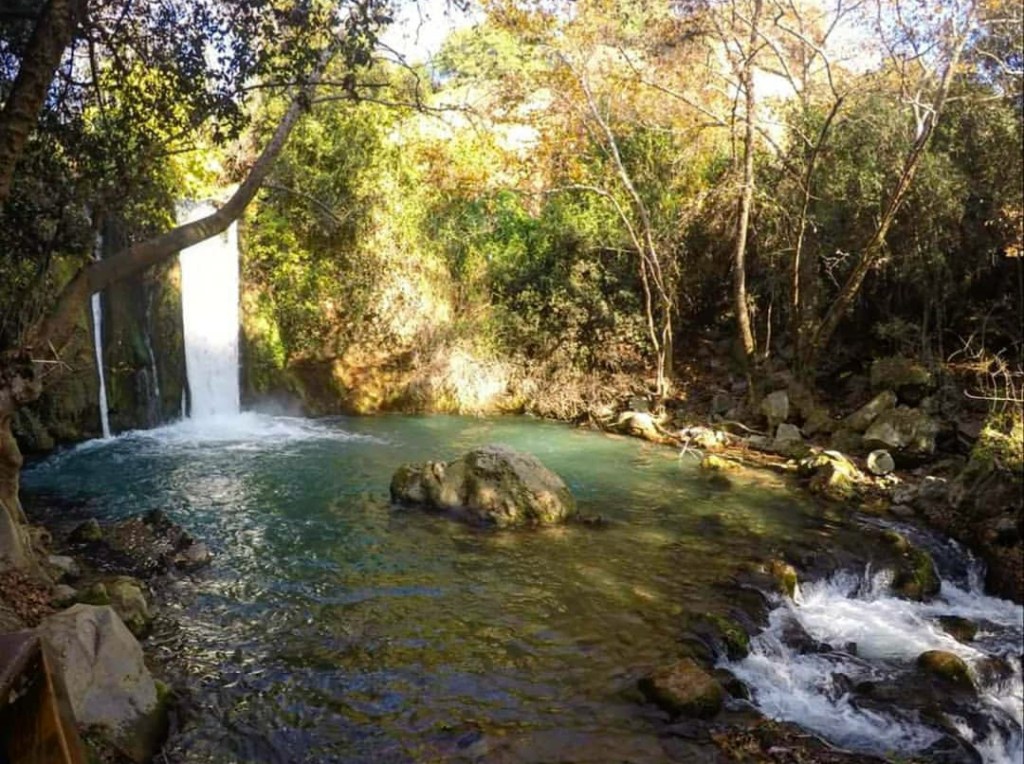
We then went hiking around Banias, seeing beautiful waterfalls and green valleys, disproving the misconception that the Middle East is just a big desert. We also visited a Druze community located in Banias and learned that Israel is one of the only places in the region that allows them to practice their religion. So much for those claims that Israel isn’t tolerant of other beliefs…
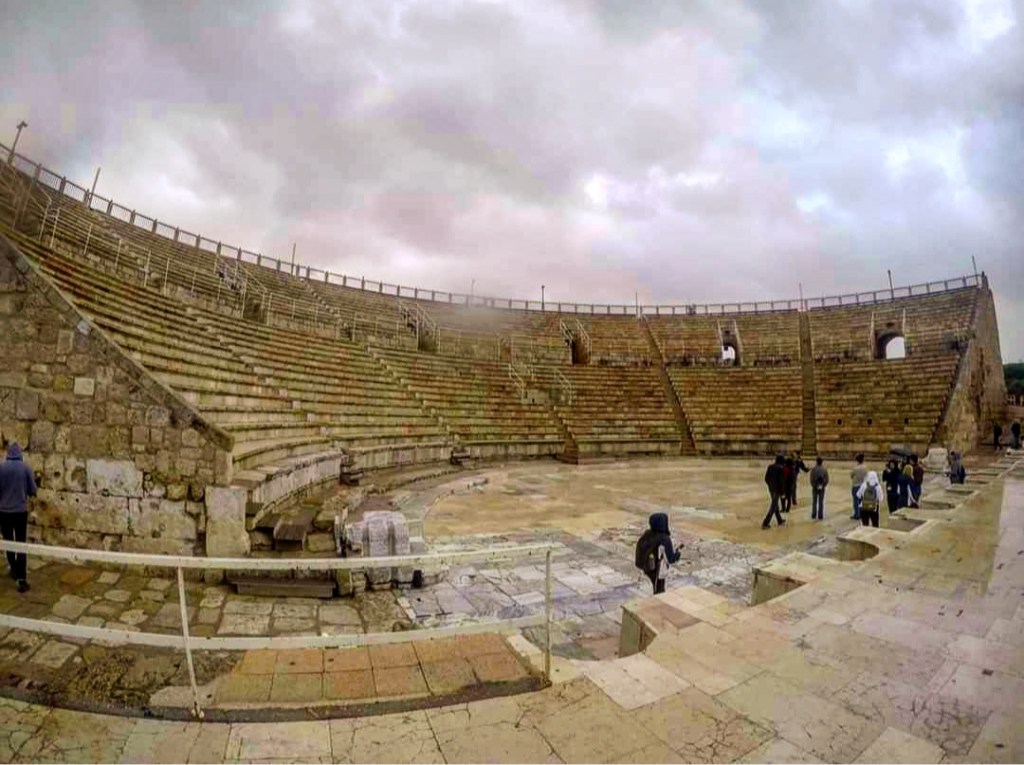
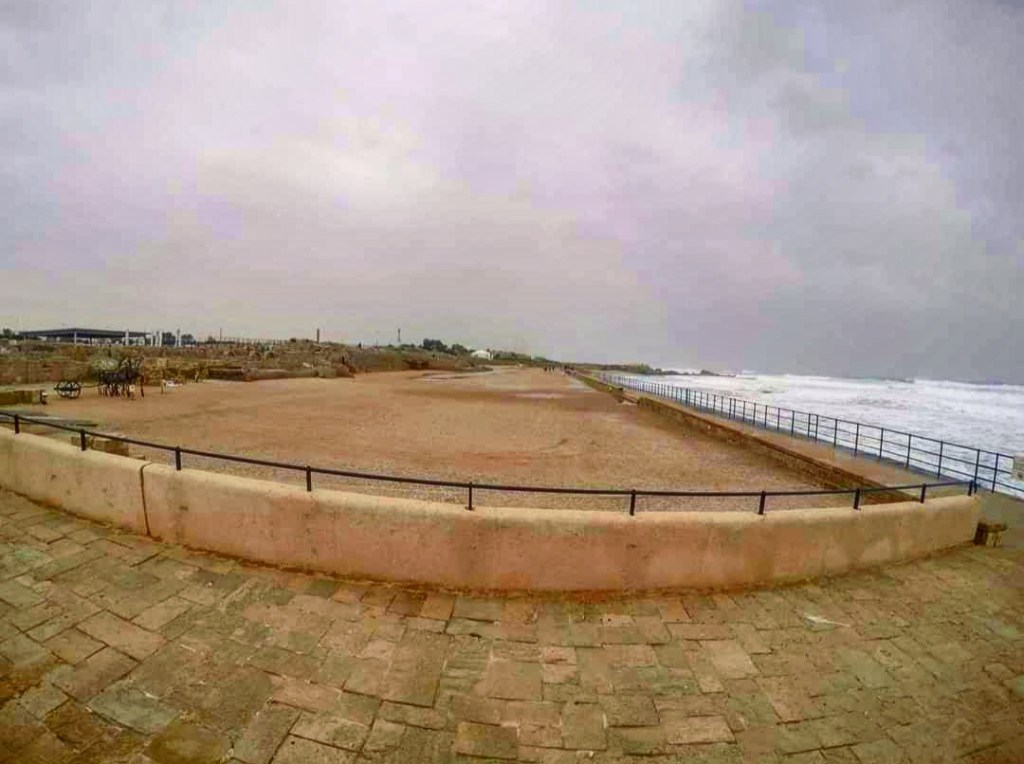
The next day was a travel day. We were leaving the Galilee region to head to Jerusalem, making a couple stops along the way. Unfortunately, I woke up feeling very sick. But I had no choice but to keep going. We packed up everything and took off, heading to an ancient town on the Mediterranean called Caesarea Maritima (don’t get it confused with the other Caesarea). The city was built under Herod the Great during Jesus’ time on earth and is one of the locations where Paul had been imprisoned during his ministry. We saw the ruins of a chariot racing stadium and an old palace located right where the waves of the Mediterranean crash onto the shore. We also visited an amphitheater, which was probably the most impressive of these Roman ruins. The city was controlled by the Romans and named after Caesar Augustus, who was also mentioned in the Bible. Pontius Pilot, who sentenced Jesus to death, was also stationed in this city.
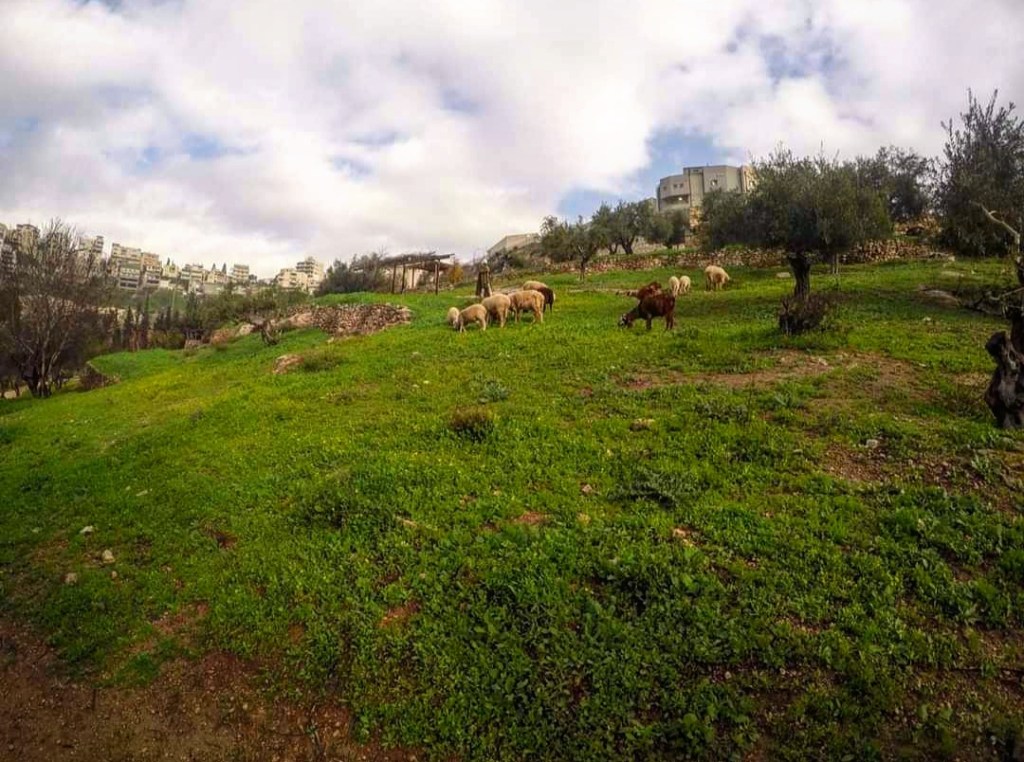
From here, we made a quick stop in Nazareth, the town that Jesus grew up in. Unfortunately, at this point, I was feeling so sick that I really couldn’t concentrate on what was being taught. The only thing I wanted was a warm shower and a bed. We walked through the Nazareth Village open-air museum that showed what shepherd life was like during biblical times among other things, but again, this stop was a huge blur for me.
After stopping for dinner, we continued on to Jerusalem which became my favorite city in the world. But that story will be discussed in my next post. I’m trying not to make these too long, but there’s a lot to pack in. Thanks for reading, and don’t forget to check out Part 2 when I post it next week!
 Tyler's Travels