
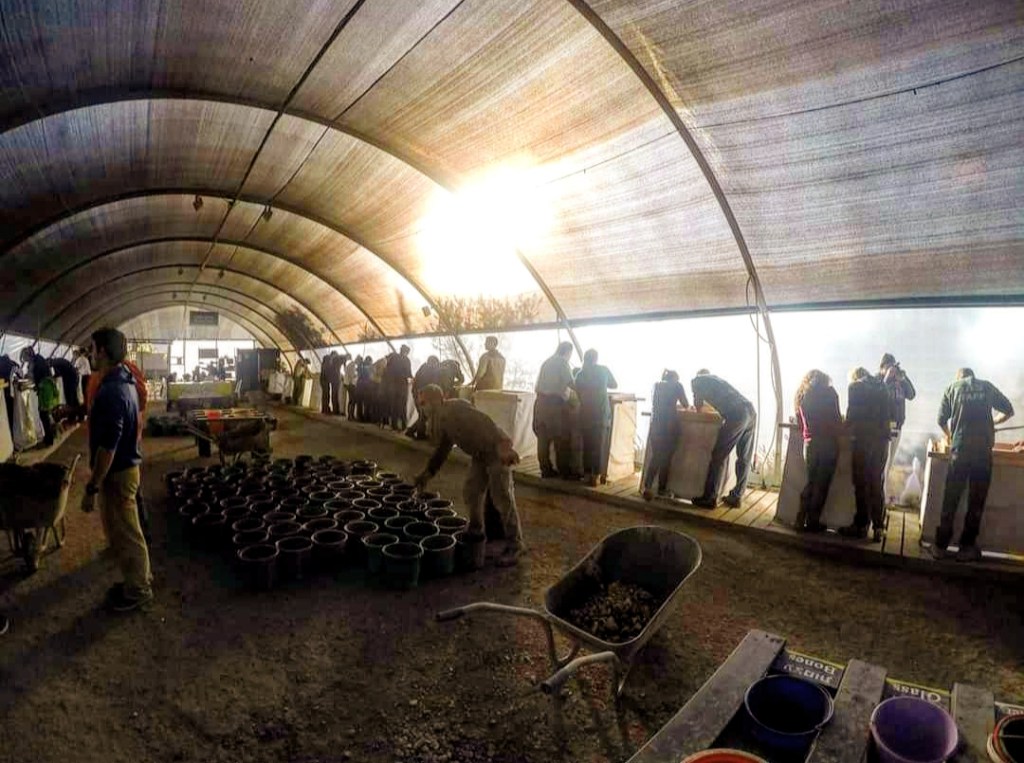
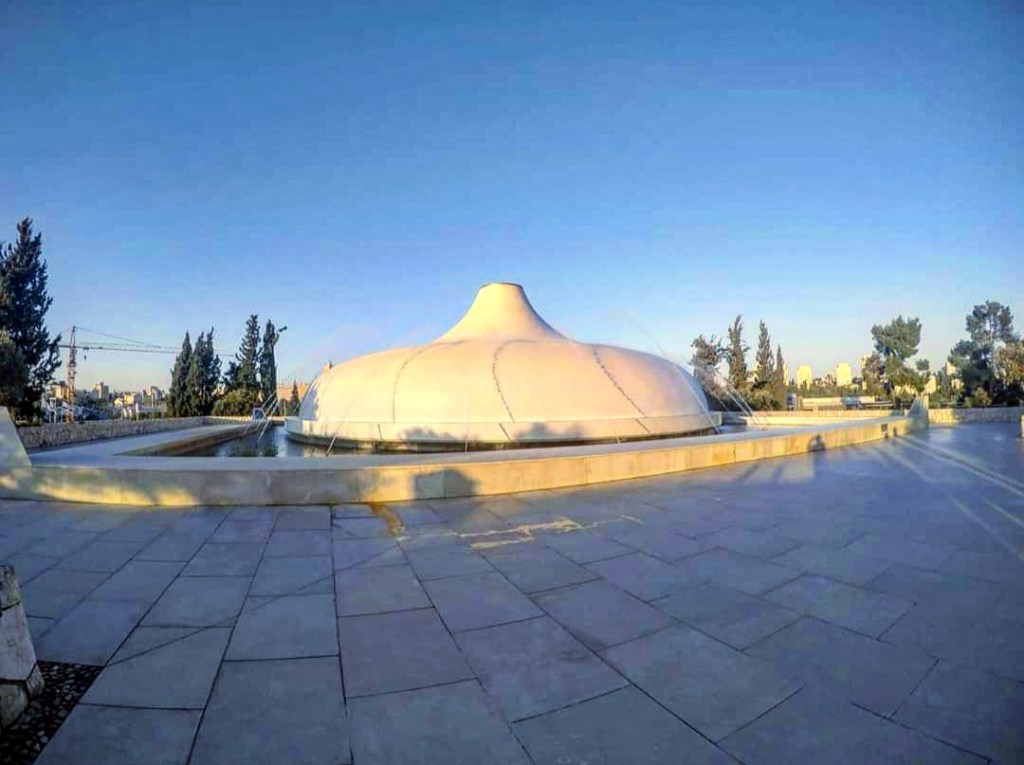
On our last day in Jerusalem, we first headed to an archaeological site outside the city. Here, we were able to take buckets of rock and dirt from the site and search through everything for metal, bone, pottery, or really anything that was valuable. It was a cool experience, but I unfortunately didn’t find anything. From there, we visited the Israel Museum and the Shrine of the Book, where many ancient scrolls are on display. We were strictly told we couldn’t take pictures here, so I didn’t take any.
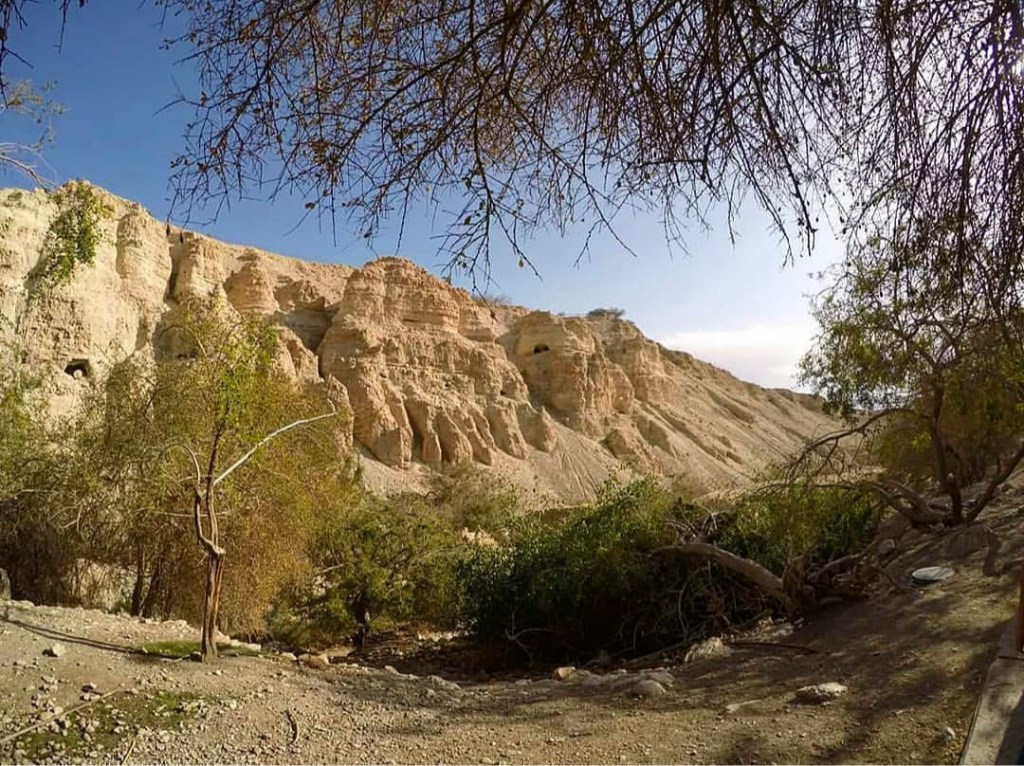
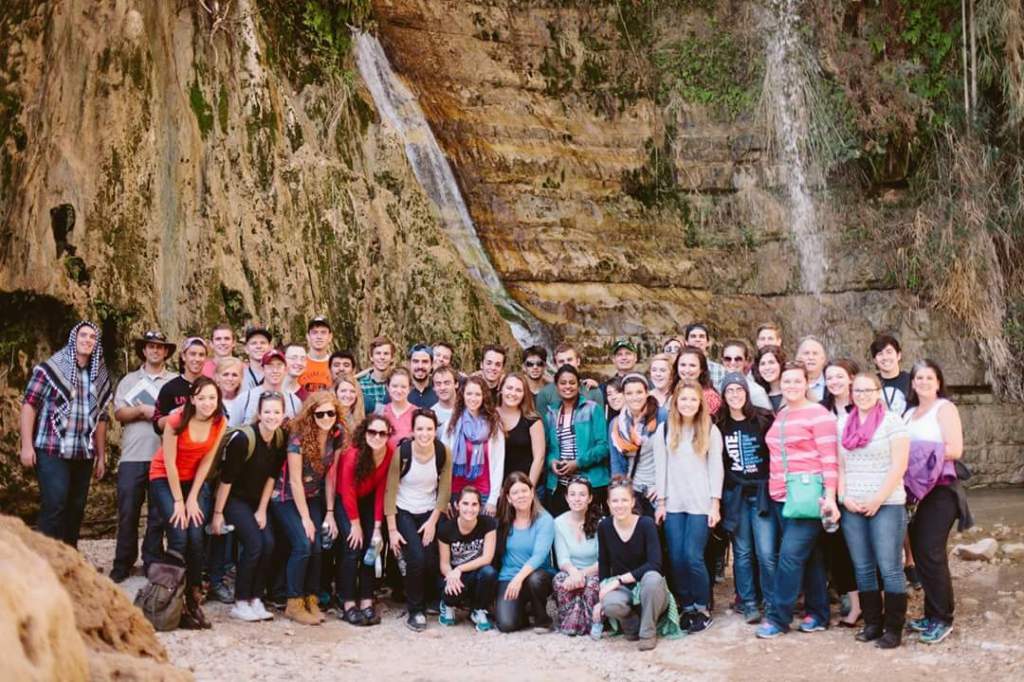
After Jerusalem, we headed down south to the desert. First, we passed through a small section of Judea and Samaria (West Bank), passing through checkpoints along the way, and quickly passing by Qumran, the site of the Dead Sea scrolls. And then we reached Ein Gedi. This is a nature reserve with historic significance. It’s a beautiful oasis in the middle of the desert with many date palm trees and a waterfall. This is also known as the location where David hid from Saul in the Old Testament. There are many caves throughout the reserve, and it was in one of them where David cut off the bottom of Saul’s robe.
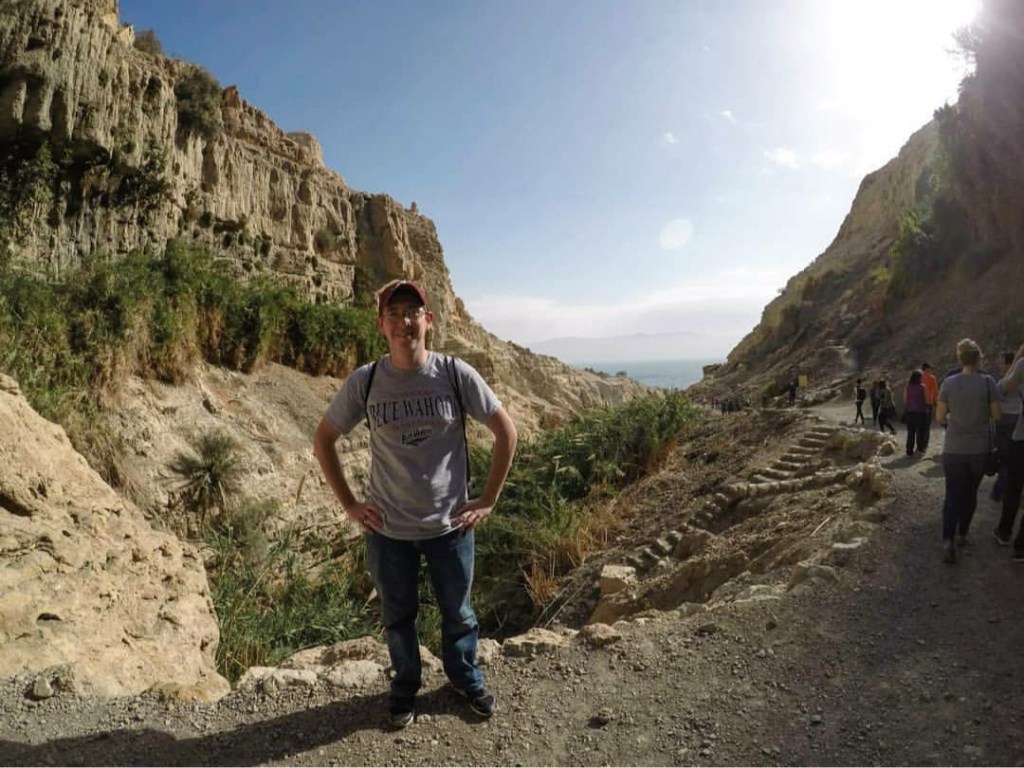
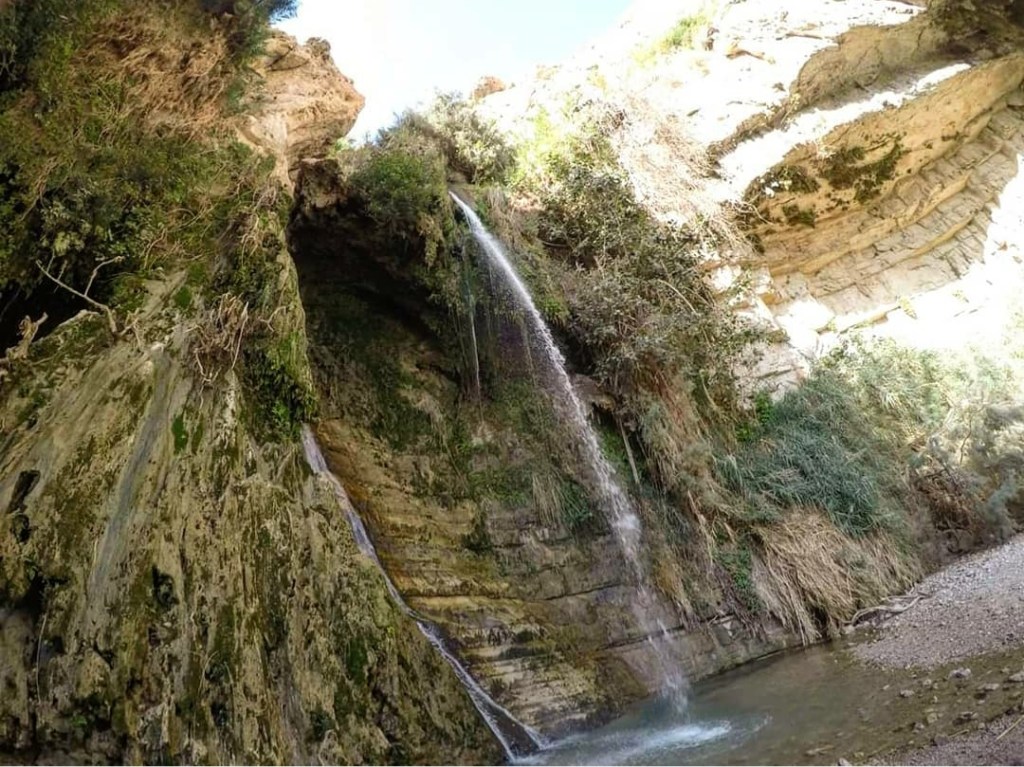
We hiked throughout the park and up to the waterfall that feeds the steam. Then the steam cuts through the valley between two cliffs that create a picturesque scene where the Dead Sea can be seen in the distance. It’s one of my favorite areas in Israel, but because it’s the desert, it’s really hot! After hiking through Ein Gedi, we headed to Masada, the famous mountaintop fortress known for being the last Jewish stronghold against the Romans.
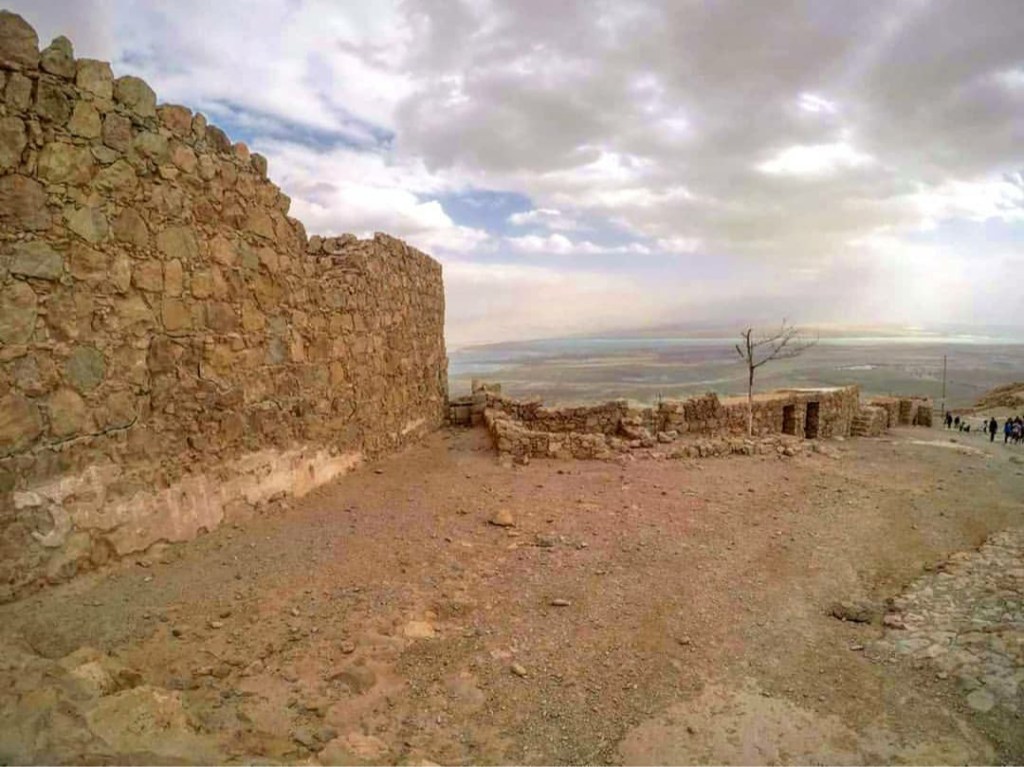
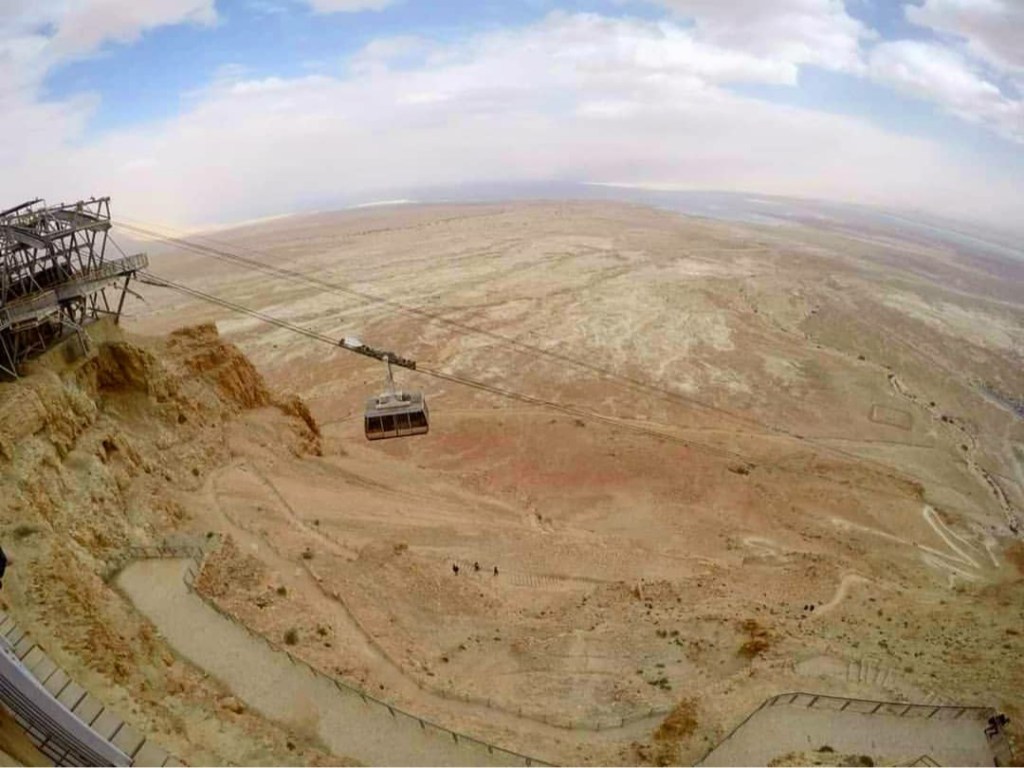
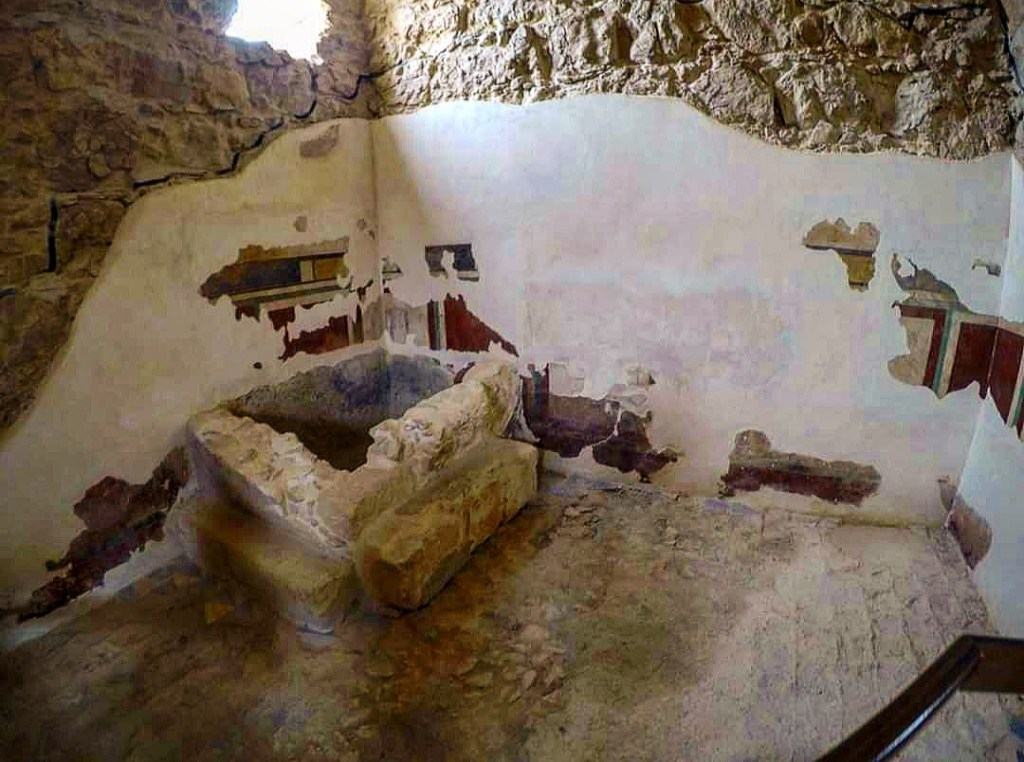
Back around AD 73, the Romans laid seige to Masada and started constructing a ramp so they could breach the wall. The Jews inside Masada determined they would rather die than become prisoners to the Romans, so they set everything on fire and committed mass suicide. While the story that took place here is very sad, the views from the top are stunning and the ruins are very interesting to explore. We took the cable car to the top of Masada and took in the views of the surrounding Judean Desert. We toured Roman bath houses and water cellars up here as well.
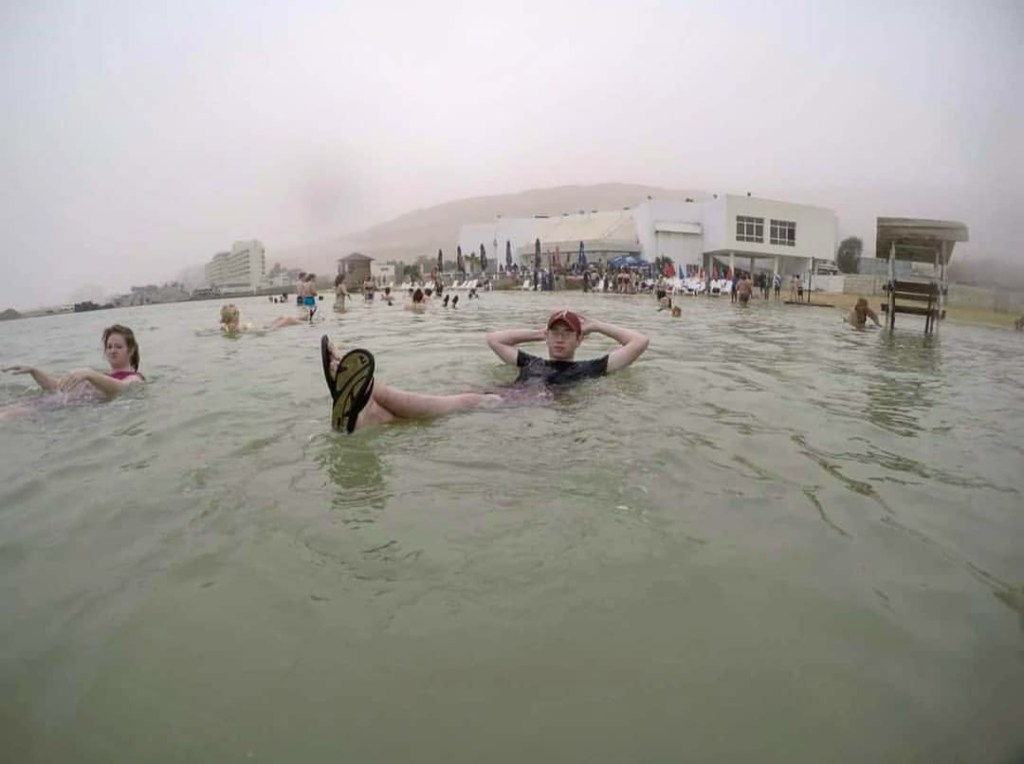
After Masada, we were very hot, so it was time to cool off in the Dead Sea. The Dead Sea is known for being the lowest place on earth and for being one of the saltiest bodies of water in the world. I started walking into the water and was surprised that it felt like normal water. It didn’t feel any different than the bay back home…. yet. As I made my way farther into it, I started to notice the difference. That’s because it got harder to stand upright as the salt created a buoyancy to the water and my feet wanted to float to the top. Once laying back on top of the water, it was hard to get back down. I was literally laying on top of the water! It’s definitely one of the coolest experiences to have! I went back to the shore to grab my camera for the typical Dead Sea-leaning back-picture. I started to notice that the rocks on the bottom of the lake were literally pure salt. Then as I was making my way back into the Dead Sea, I slammed my foot into a jagged rock and shredded my skin up. I tripped over it and went straight into the water (or, on top, since you can’t really sink) and my foot was throbbing in pain. The salt added another layer of sting to the whole situation as my foot was cut open from the impact with that rock. I quickly took the picture and then got out.
But for some reason, I didn’t think to look down at my foot when I got out: I headed straight to the shower. After swimming in the Dead Sea, you are covered in salt that just sticks to you, so you have to take a shower to try to rinse it all off. But as I was in the shower, I happened to look down and the entire floor of the shower was red: just completely covered in blood! I almost fainted, turned the water off, and ran out to get some first aid. I showed Yosef, the first aid/security guy for our group and he immediately said “Oh, [bleep]!” He tried to clean it all off and bandage it as best as he could, but the pain was still very intense. I couldn’t put regular shoes on, so I was limited to just wearing flip flops for awhile. Also, because I ran out of the shower so quickly, I was still covered in salt. We were then instructed to leave in order to make our next stop. I started hobbling around very slowly, trying to get to the tour bus. We then took off for the town Arad. We stopped to visit the Fountain of Tears, a sculpture dedicated to those that died in the Holocaust, and then visited a local family who volunteered to give us an authentic meal in their home. I was walking around like I was crippled because my foot was in so much pain, and I was covered in a thick layer of salt, so I’m sure I made a great impression on this family! After the meal, we headed to the town Mitzpe Ramon to grab a hotel for the night. Of course, my room was on the top floor and there was no elevator. So, I climbed every flight of stairs to the top on my useless foot.
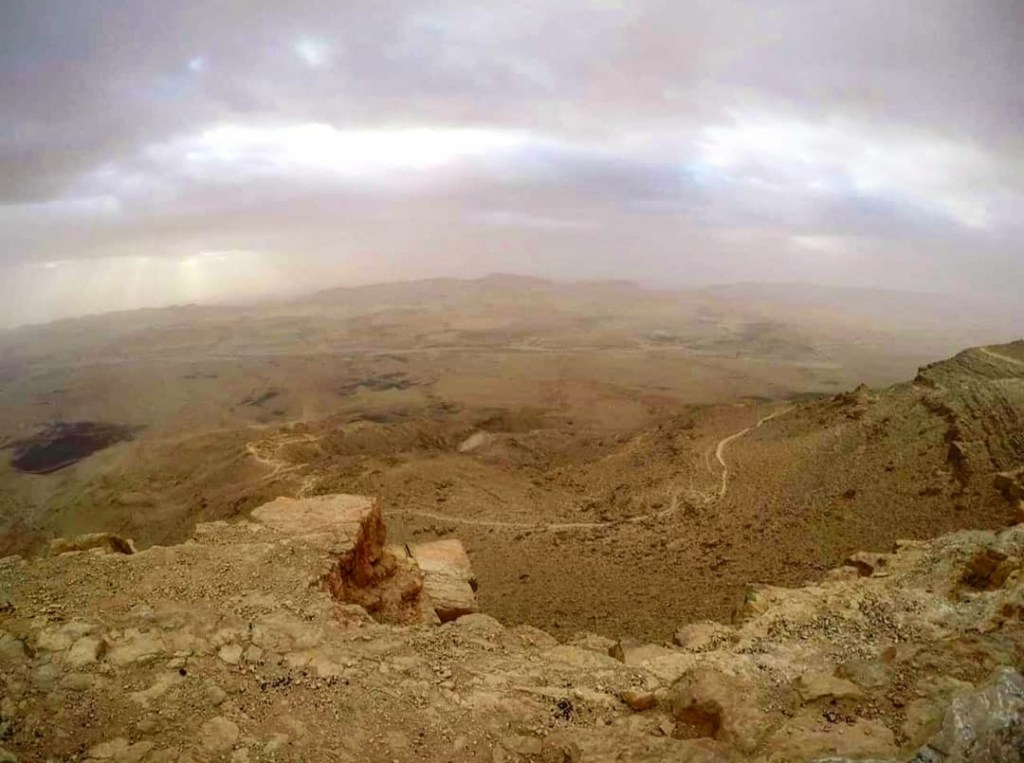
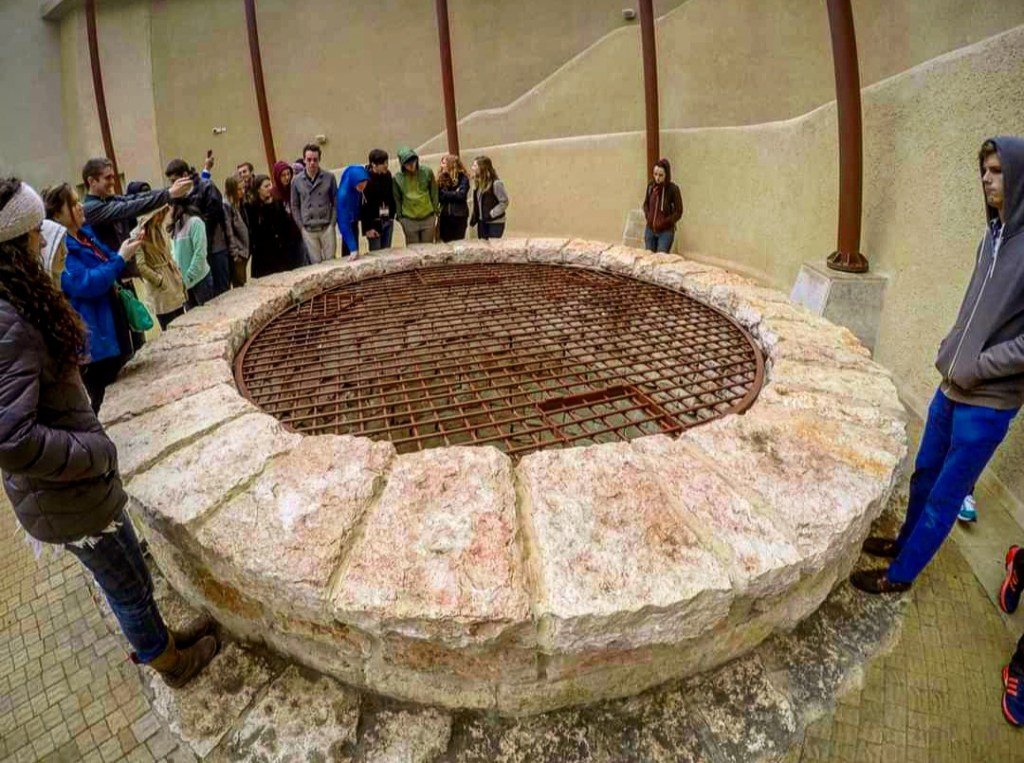
The next morning, we made a quick stop at Ramon Crater before heading to Beersheba. By the time I made it to the crater, everyone else was leaving, so I only had enough time to snap a picture. The area was very rocky making it difficult to walk on with a crippled foot. And of course everyone was waiting on me to get back to the bus before leaving for Beersheba. Beersheba is a desert town that is very dusty and also has historic significance. Some people may think the town is boring, but I actually enjoyed it and wouldn’t mind spending more time there. The main thing we did was visit Abraham’s well. This well is believed to be the one that Isaac’s servants dug for Abraham in Genesis 26:25. We had to go in two separate groups and I was in the first group, so once I finished, I (along with a few others) wanted to go find a gas station for some snacks and drinks. We started walking until we found a place and then got lost trying to get back to the museum. A dust storm had recently started, making visibility really low. I was worried the group would go on without us, but then we saw the tour bus pop into view with the rest of the group on board.
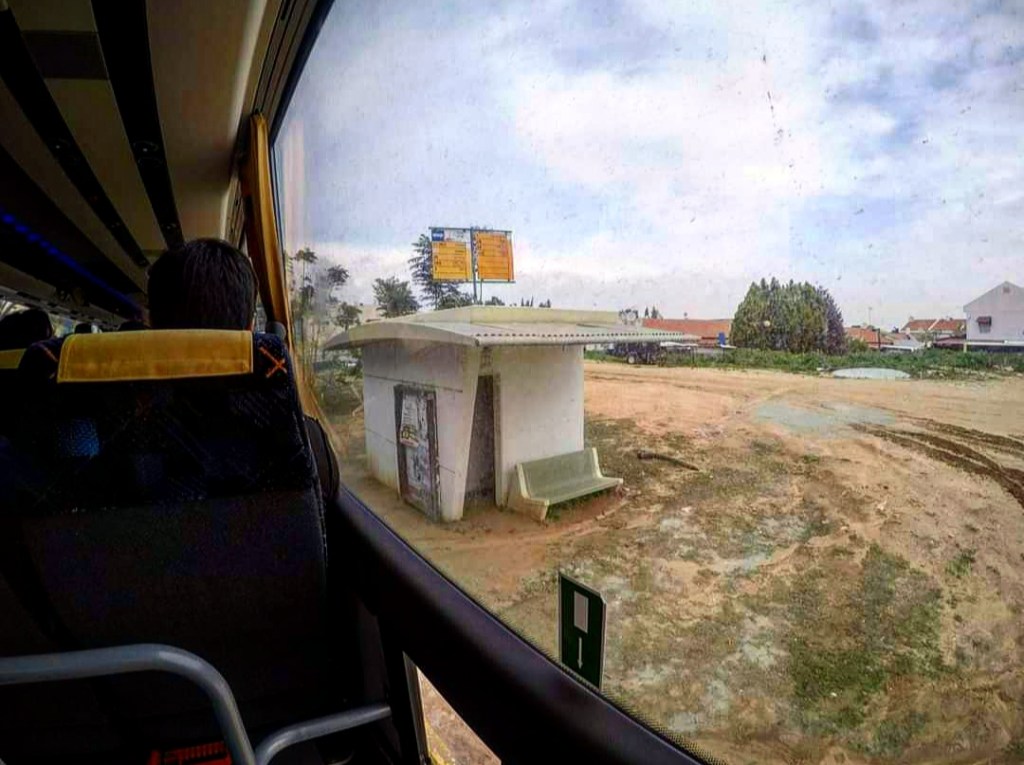
After Beersheba, we headed to one of the most eye-opening places of the trip, Sderot. This is a town on the border of the Gaza Strip. Anytime you hear news of Gaza firing rockets into Israel, it’s very likely that these are landing in Sderot because it’s the closest town. When a rocket is sent into the city, a siren goes off warning all its inhabitants, and then they only have 15 seconds to find shelter. Because of this, bomb shelters literally line the streets of Sderot. Every building or public place is required to have a bomb shelter too.
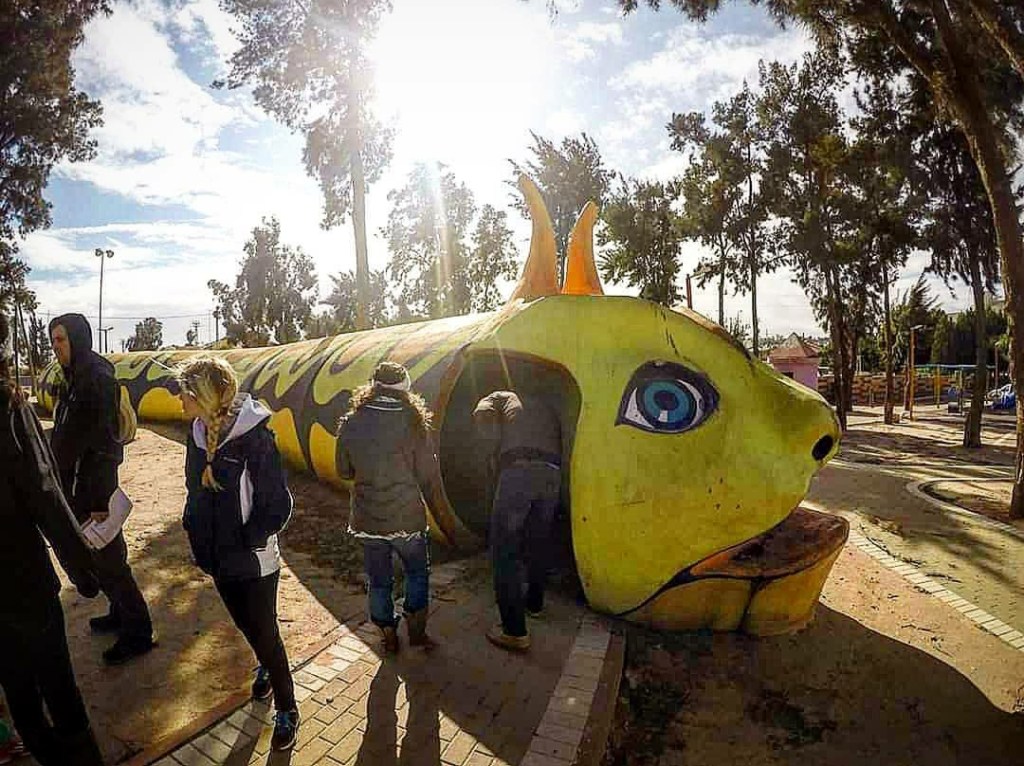
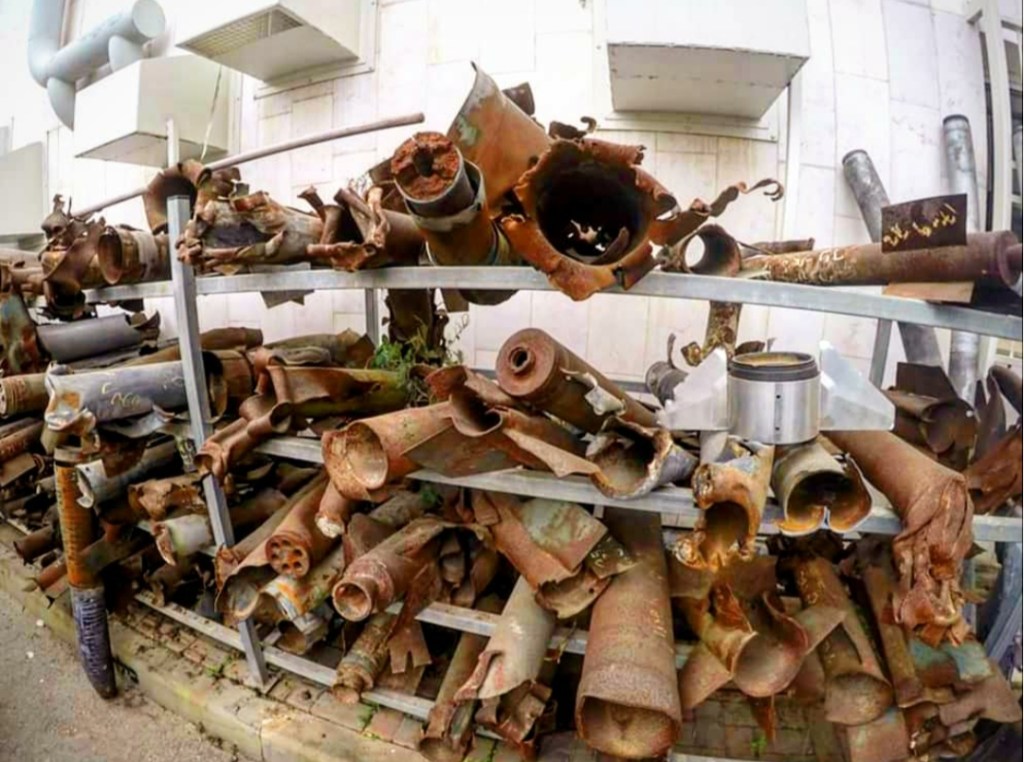
We visited the police station which has intercepted many of the Qassam rockets sent into the city and had them all up on display. They then showed us a school that had recently been bombed. From there, we went to a playground that had bomb shelters decorated to look like caterpillars. It’s a sad reality that kids can’t even go to the playground without having a bomb shelter nearby. It was a humbling experience to see and meet people that live their lives day to day, always having this in the back of their minds. As they go throughout their day, they constantly have to keep in mind where the nearest shelter is because at any time that siren can go off.
We then visited a hill that overlooks Gaza, and Roni, our guide, explained to us how Israel only fights back but never starts the fight. Gaza is run by Hamas, a terrorist organization. Hamas doesn’t care for the people of Gaza: they take any aid sent to the Strip to fund weapons and terrorism rather than use it for food and infrastructure as intended. It’s reported that Israel has bombed schools and hospitals in Gaza, but the truth is that they only bomb the locations that rockets are being sent from. Hamas will set up inside a school to shoot rockets into Israel and then Israel sends a warning before firing back, giving everyone a chance to escape. Hamas uses social media and lies to make Israel look bad, but Israel is only defending themselves.
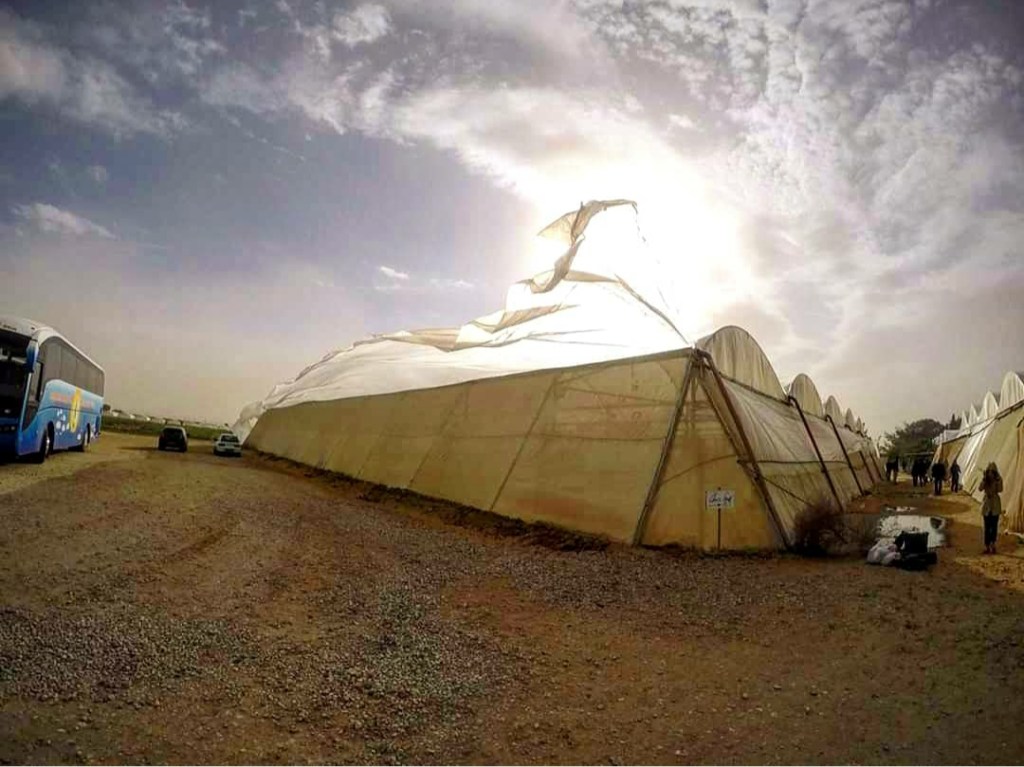
After leaving Sderot, we visited a greenhouse in the desert. Here, the farmers showed how Israeli technology has turned even the most desolate location into a farm. They are growing all kinds of fruits and vegetables here, and they even let us eat a freshly-grown meal. We then finished the day in Tel Aviv where we grabbed a nice hotel downtown. Some of us explored the hotel and even sneaked into an employee stair tower to find our way up to the roof for a great view over the city.
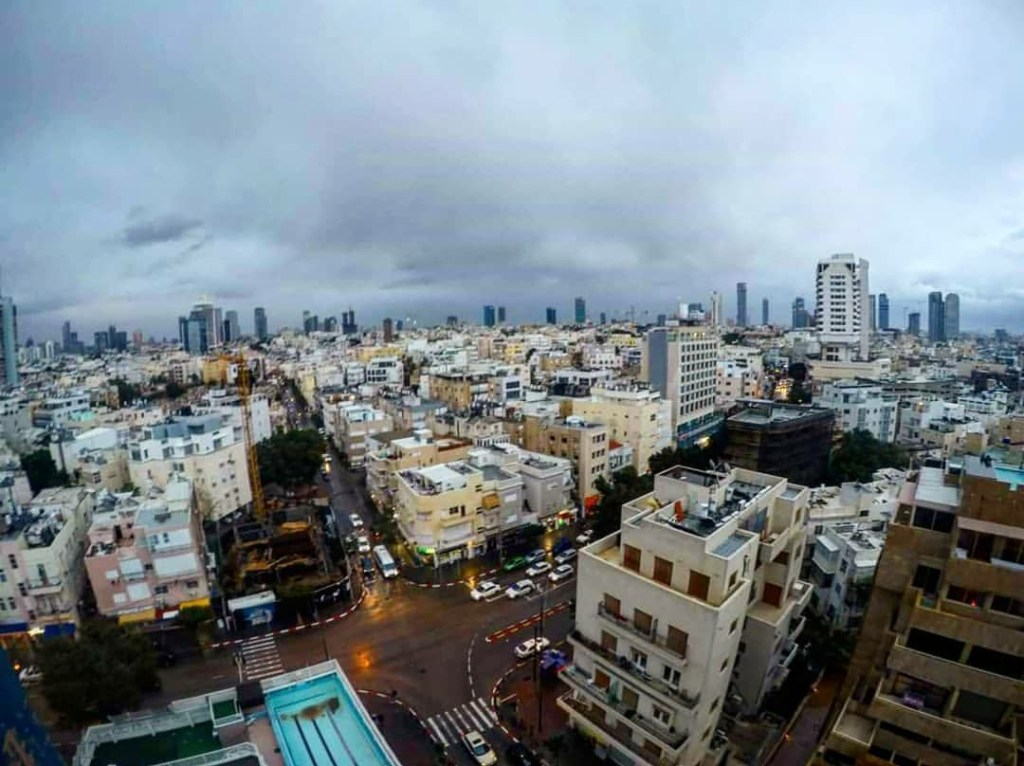
On our last day, we toured Tel Aviv, stopping in several museums and even the visiting the room where Israeli independence was declared. We finished the night at a Palestinian family’s house where they offered us a goodbye dinner, and then we sang praises to God for allowing us to have this experience.
I quickly moved through this story, trying to fit in as many details as I could, but there was so much we did that I couldn’t include everything. I feel honored to have been included in the very first Covenant Journey and will never forget this experience. I have grown a lot as a result of this trip, and it changed my perspective on a lot of things. I’m very thankful that I was able to be a part of it.
If you would be interested in participating in the next Covenant Journey, check out their website to see if applications are available at this time. Thanks for reading!
 Tyler's Travels