

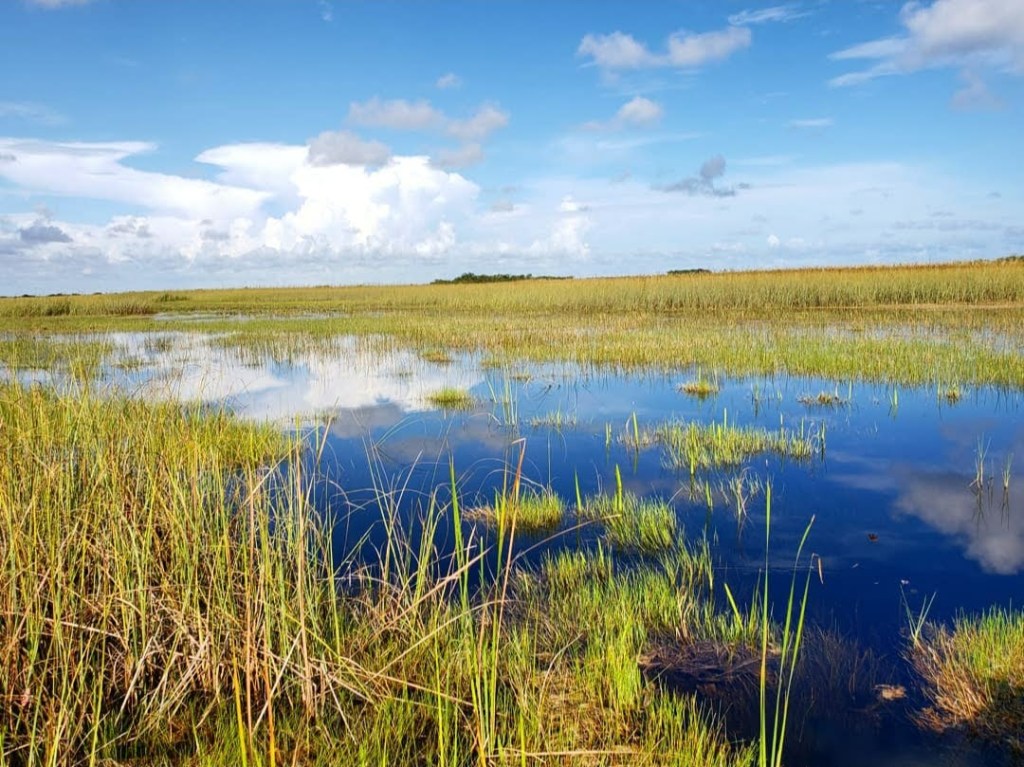
When you think of the 63 US national parks, Florida probably isn’t the first state to come to mind. National parks are typically these large beautiful landscapes with dramatic views and many hiking trails. But Florida actually has 3 official national parks, and each one is very different from the average national park because they are all primarily focused on water environments. (Big Cypress is often included with them, but it’s not an official national park). The most famous of these is the Everglades, right next to Miami. At 500,000 acres, it’s one of the largest wetlands in the world and the largest remaining subtropical wilderness in North America. It’s home to many different endangered plants and animals, and it’s the only place in the world where American alligators and American crocodiles can both be found. Due to the universal value of this park, it was given the designation of UNESCO World Heritage Site by the United Nations. This is the closest to a “normal” national park in Florida.
Another national park located just outside Miami is Biscayne. This is a unique park because 95% of it is water. It’s a park made up of bright blue water, beautiful coral reefs, and thick mangrove forests. It’s the largest marine park in the national park system and the only one to be upgraded to national park status. The last of the three national parks in Florida is one of the most remote in the United States, Dry Tortugas. This park is located 70 miles away from Key West in the middle of the Gulf of Mexico and is so far from civilization that it’s technically in a different time zone than the rest of the Keys. This tiny speck of land surrounded by nothing but water is where the largest brick structure in the Americas was built in the 1800s. A paradise today, it was once used as a horrible prison camp during the Civil War. I recently took a road trip through South Florida to visit all three of these parks and decided to write this guide giving advice on how to visit them. With each one, you will likely want to start planning early because spots are very limited for many of the activities you’d want to participate in. I’ll go over each of the three in more detail below:
Everglades National Park
The Everglades is the easiest to visit of the three, but it still has its challenges. Though part of the national park is located within Miami, it will require a decent amount of driving to reach it from the city. If you don’t want to stay in Miami, other options are Homestead, Florida City, or Everglades City. There are 4 entrances currently into the park: Gulf Coast, Shark Valley, Ernest F. Coe, and Flamingo. (The fifth entrance, Chekika is closed indefinitely as of December 2013). Before just showing up to the park, you need to know what you’re planning to do there, so I’ll share what each one is known for. The Gulf Coast entrance and Flamingo entrance are located where the typical “Everglades” meets the bay, so mangrove tours and kayaking are the most popular activities. There are also boat ramps if you have a private boat with you. Both of these are on extreme opposite ends of the park and are about 1.5 hours away from the Miami area in opposite directions, but the Tamiami Trail is a road that runs through the park leading from one entrance to the other. The other two entrances are the ones I visited and are also the two most popular, so those are what I’ll be focusing on in this guide. Shark Valley is where you go for airboat and tram tours or bicycle trails, and Ernest F. Coe is where you go for hiking.
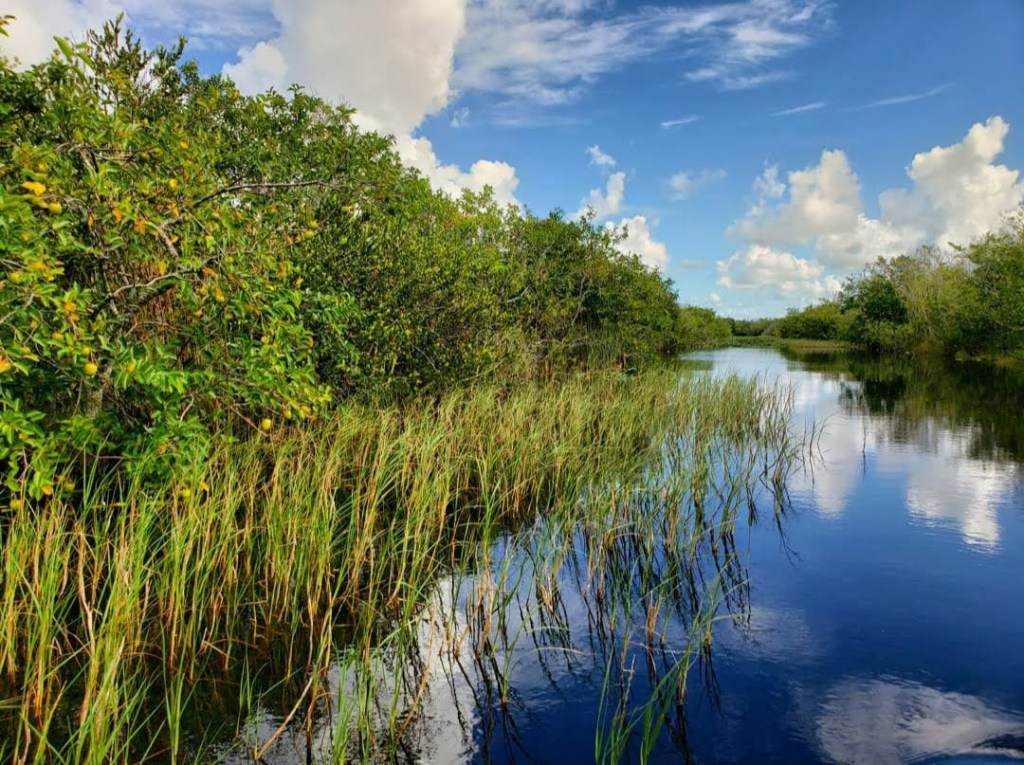
Obviously, the most popular activity within the Everglades is taking an airboat tour. While there are many companies that advertise offering Everglades airboat tours, there are only 3 official companies that have authorization to give tours within national park boundaries. If you book with a different company, it will be a similar experience, but you won’t technically be in Everglades National Park, so if you’re strictly wanting to stay within the park borders like me, this is important. The 3 companies to look for in order to stay in the national park are Coopertown Airboats, Everglades Safari Park, and Gator Park. My family went with Everglades Safari Park, but all 3 seem to offer similar experiences for about the same price. The typical airboat tour lasts 30-45 minutes and are followed by a small 10 minute alligator show. To see what each of these parks offers, you can visit the Everglades page on nps.gov where it provides links to all 3 companies’ websites. Because this is the most popular activity in Everglades, I recommend booking ahead of time.
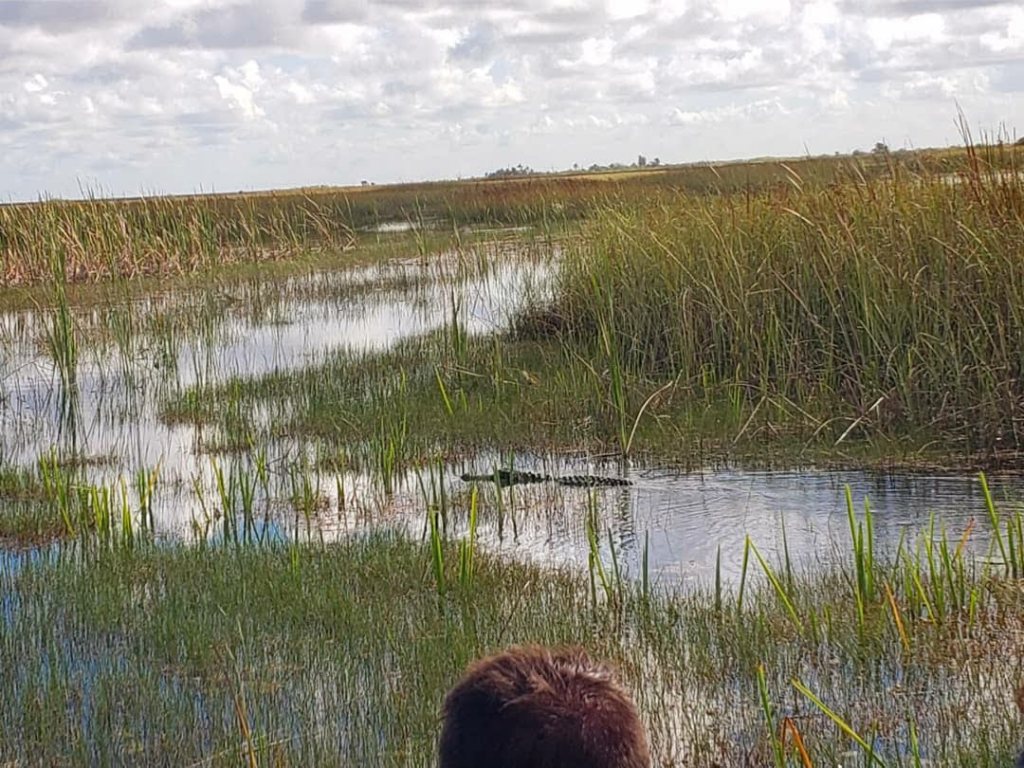
Another thing to consider when booking an airboat tour is the time of year you’re visiting. Summer is the wet season, and it’s very hot. Because of this, alligators are much less likely to be seen. Our guide told us that many of their tours during the summer don’t see any alligators at all, but to give yourself the best chance of seeing them this time of year, you should book your tour early in the morning while the gators are still out. Bug spray is necessary, and rain occurs every afternoon, so you’ll want to plan accordingly. Winter is the dry season, and alligators are seen everywhere, but the risk here is the water level. If the water level in the Everglades is too low, airboats can’t run, so your tour could be canceled. For the same reason, the areas that tours can cover are much smaller, and as a result, the tours will likely be shorter and much more restricted. Time of year is definitely something to consider to make sure you get the experience you’re hoping for.
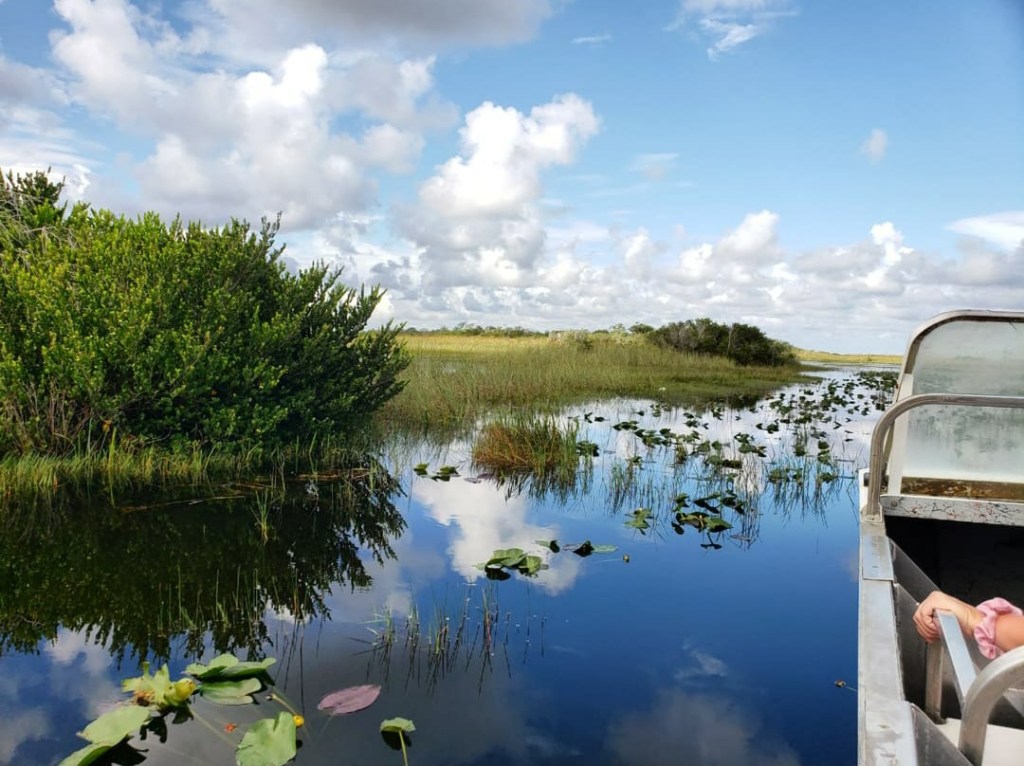
Also in the Shark Valley section of the park is the Shark Valley Observation Tower, a tower that gives great views of the Everglades. I planned to visit this but didn’t realize you have to book a 3-hour tram tour in order to reach it. If it’s something you’re interested in, make sure to check online to see what times the trams leave so you don’t have to wait too long. We couldn’t stay because we had other appointments to make later that day. Renting bikes is another option here if you’re interested, but it will obviously take longer to reach the tower.
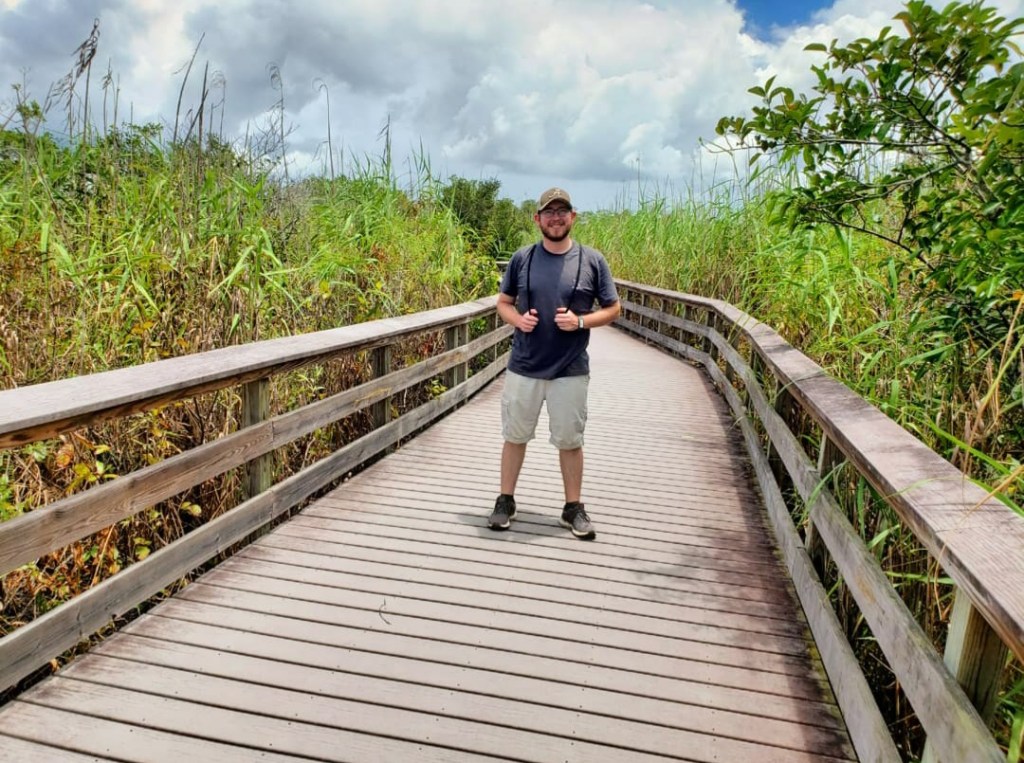
The Ernest F. Coe entrance is where you’ll find the famous Anhinga Trail and Gumbo Limbo Trail, along with several others. If you’re planning to visit both of these entrances in the same day (Shark Valley and Ernest F. Coe), plan about an hour to travel from one to the other. The Anhinga Trail is one of the best places within the Everglades to see alligators, but again, the time of year will affect that. During the summer you likely won’t see any, but I’ve seen videos from other times of year where this trail is covered in gators. The Gumbo Limbo Trail is another popular one, and it’s right next to Anhinga Trail, so I’d recommend trying to hike both on the same day as they’re both short and have good scenery. I didn’t have time for Gumbo Limbo, but I’ve heard good things about it.
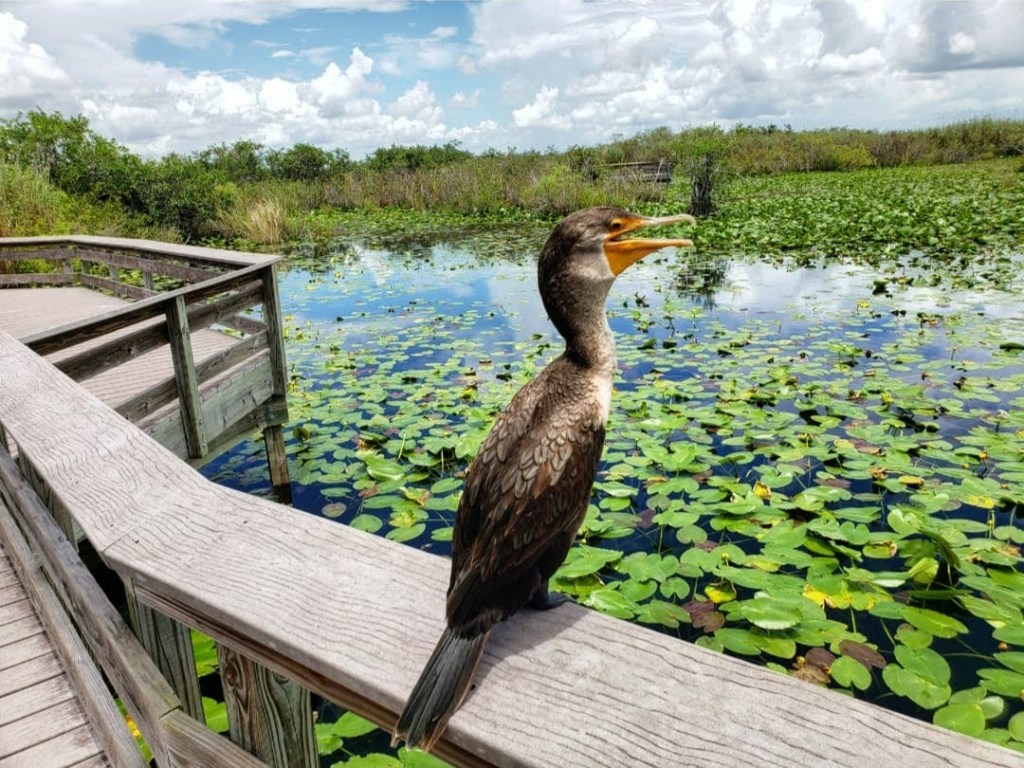
If I were to plan another trip to the Everglades, I would probably reserve two days in order to fully appreciate the park without feeling rushed, and I’d come during the fall. Spring would work too, but then you’d be dealing with Miami spring breakers. I would plan to drive along the Tamiami Trail, the scenic road which passes through the park, and I’d probably also look into taking a swamp walk tour to get a much closer look at this park. But however you choose to visit the Everglades, it should be a great experience (as long as you bring bug spray- Mosquitoes are everywhere!)
Biscayne National Park
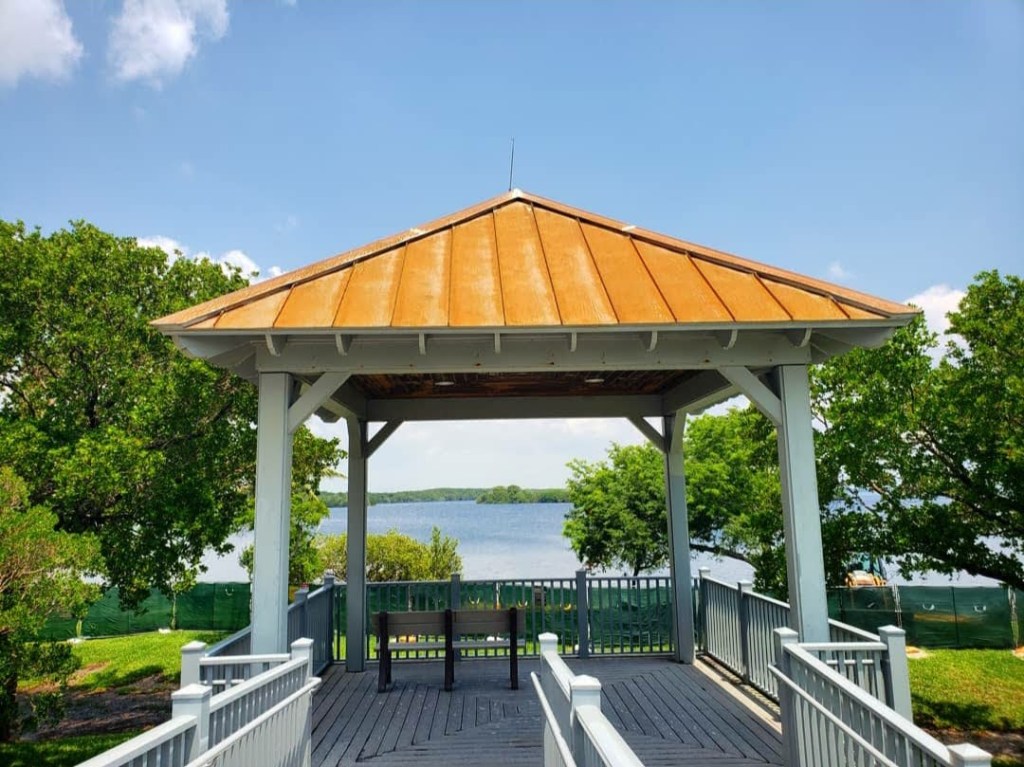
To visit Biscayne National Park, you will want to be staying in either Miami, Homestead, Florida City, or the upper Keys (in particular, Key Largo). As I’ve already mentioned, Biscayne National Park is 95% water, so the best way to see the park is by taking part in some sort of water activity. If you have a private boat, you’re free to explore as much as you want to, but if you don’t, your options are much more limited. It’s located right by Miami, but if you’re looking into renting a boat from Miami, just be warned that most rental companies don’t allow you to bring the boat into the park. I looked into it, and every rental company I looked at had specific boundaries you have to stay inside, and these always excluded the national park.
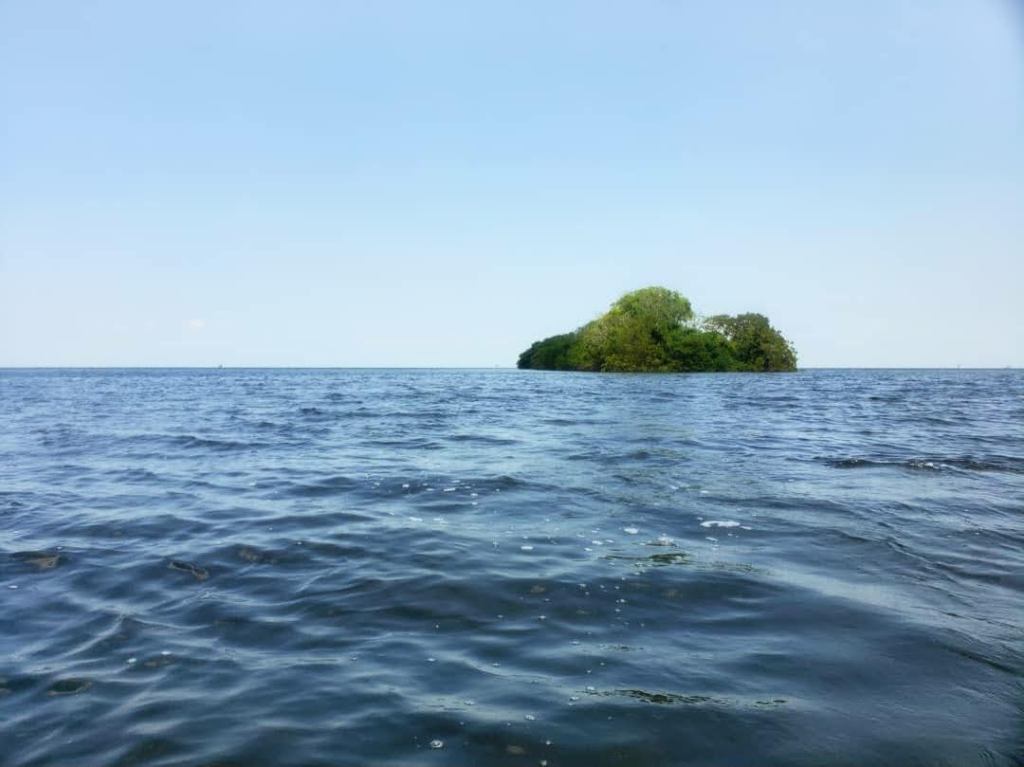
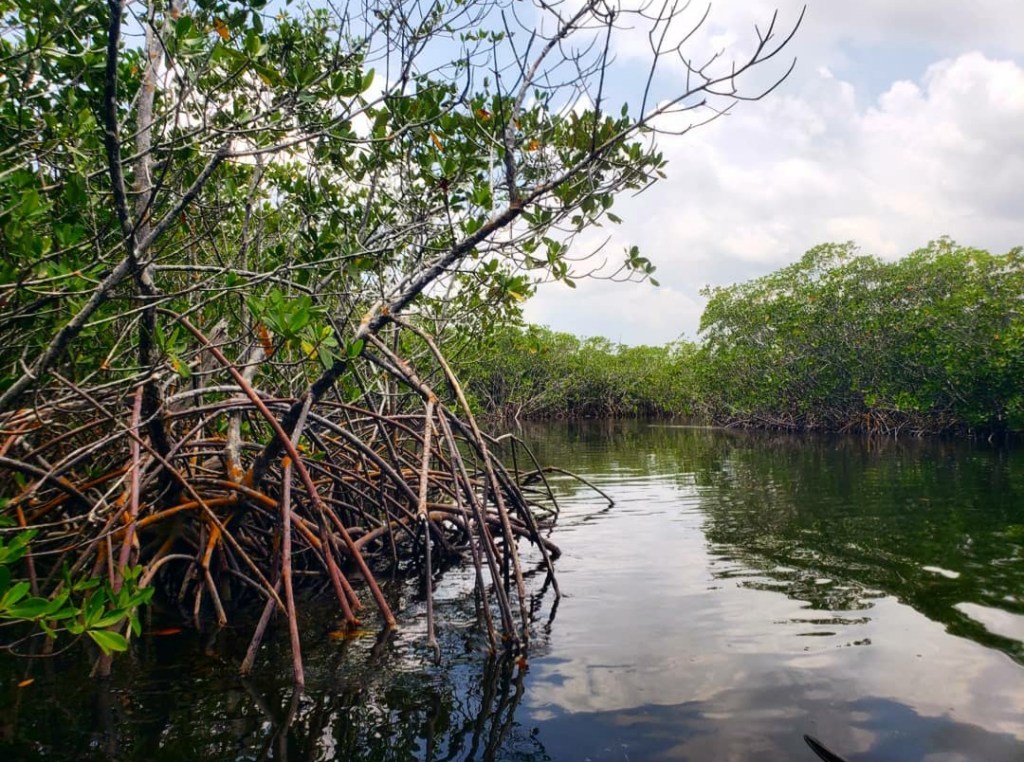
Assuming you’re going to book a tour instead of bringing a boat, you’ll want to pull up the website for Biscayne National Institute. There are many different tours that seem like good options. One popular activity is snorkeling, and there are several tours that offer snorkeling in the mangroves, shipwrecks, or coral reefs, but your snorkeling location can change depending on weather and wind directions, so be prepared for that possibility. There are boat tours that take you out to Elliott Key or the other islands and even one that takes you to Stiltsville, an old neighborhood built on stilts over the water. Then there are kayak or paddle board tours in the shoreline mangroves or Jones Lagoon. But when planning your tour, make sure to put in your planned dates because the tours offered change by day of week and time of year. In the summer, most tours are only available on the weekends, with only a handful being available during the week. And I recommend booking these weeks in advance because each tour has very limited space, and they all only run a couple times a day.
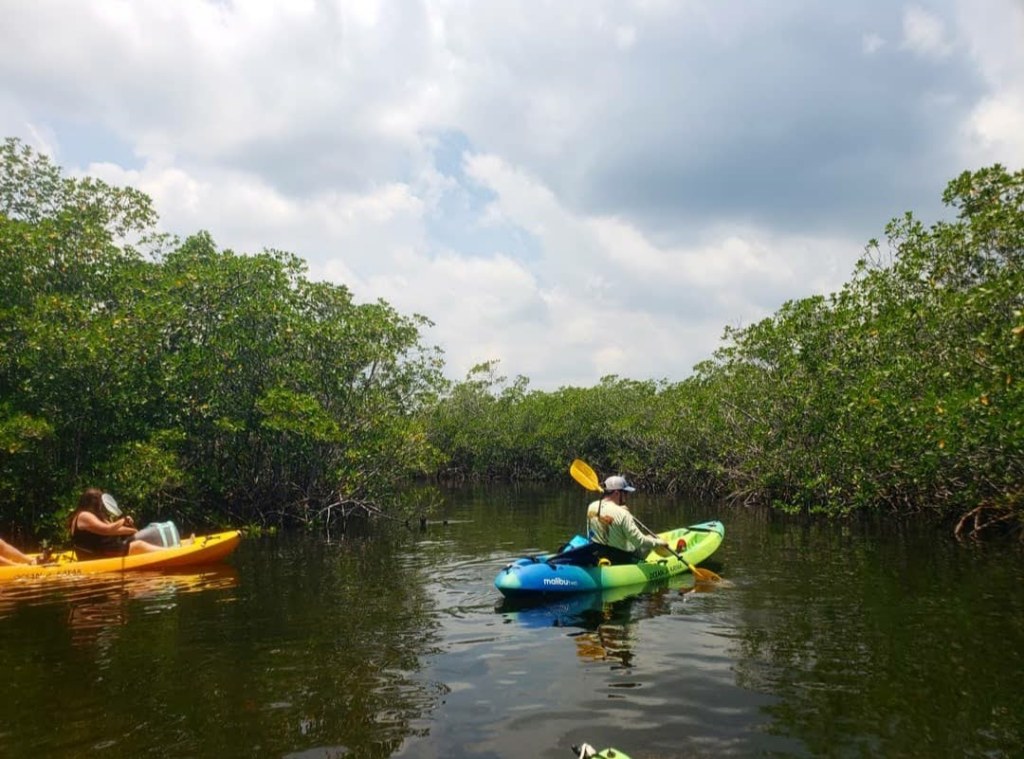
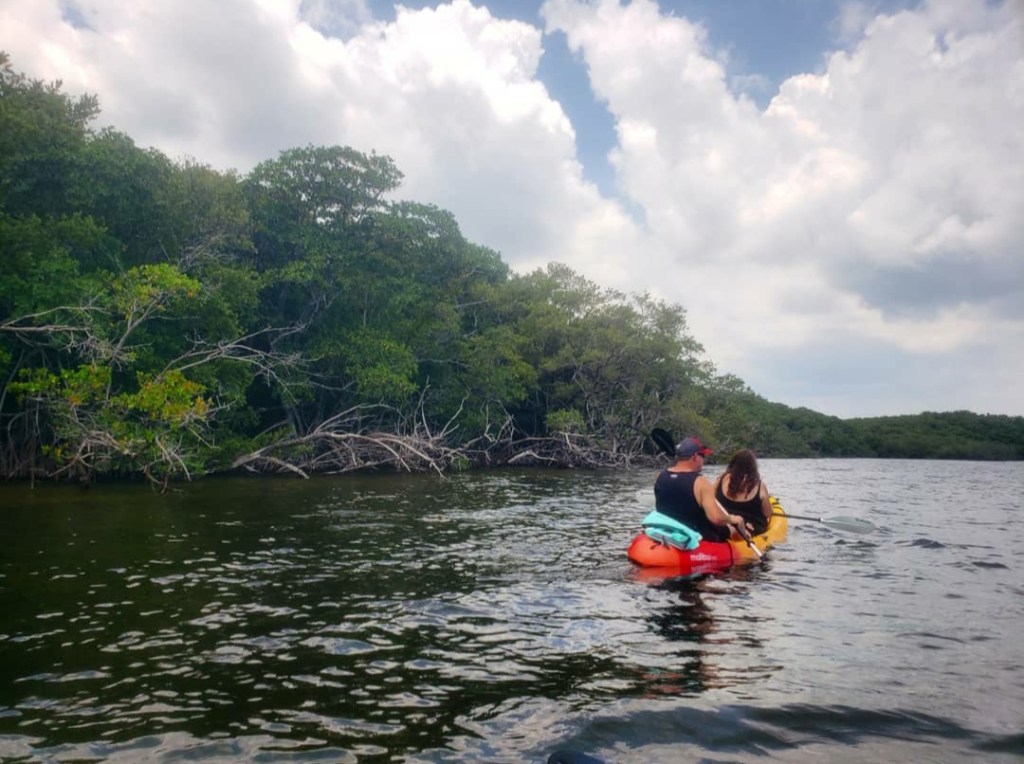
My family booked a kayak tour of the shoreline mangroves, and it turned out to be a great experience because we randomly found ourselves in the middle of a group of manatees. But this definitely wasn’t my first choice. Most tours have a group size limit of 6, and we had 7 in our group, severely limiting our options. I called them to see if they can make exceptions, and they do not. And if you can’t take a tour for some reason or just don’t want to, you can hike the Jetty Trail which I’ve heard is nice. If I were to return, I’d plan a full day with a trip out to Elliot Key and a stop somewhere to snorkel. Then I’d possibly plan an additional half day to get out to Stiltsville because I’m interested in the history of the area. Overall, Biscayne is not your typical national park and is very different from every other park I’ve visited. But if you enjoy water activities, it could definitely be the park for you!
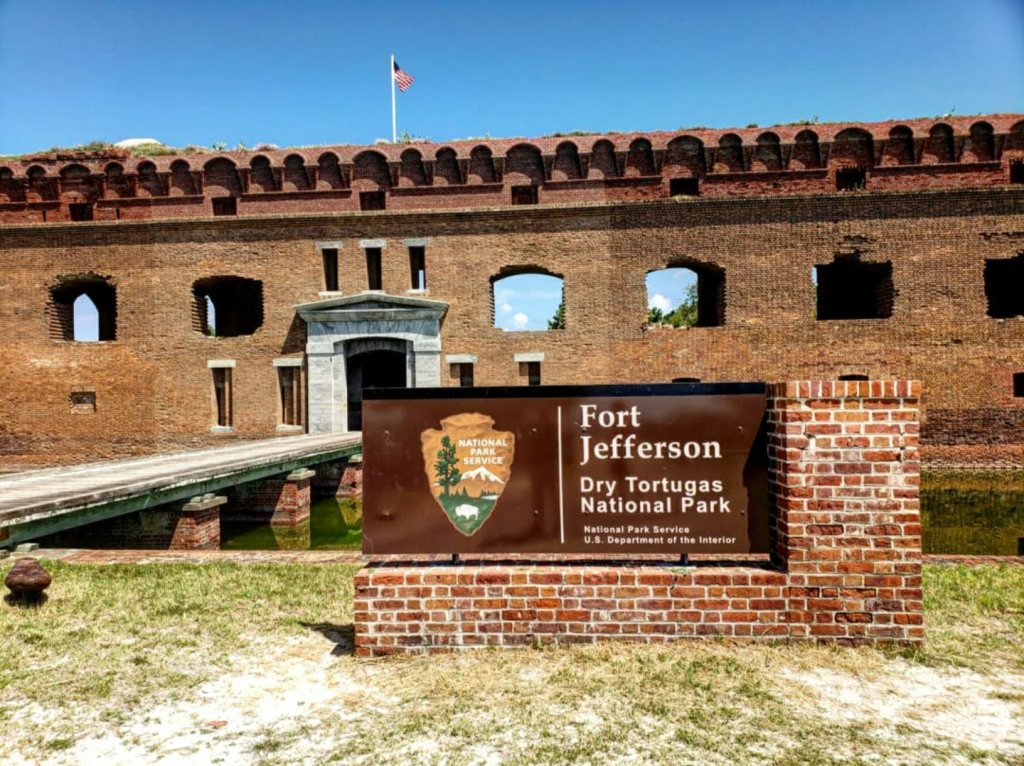
Dry Tortugas National Park
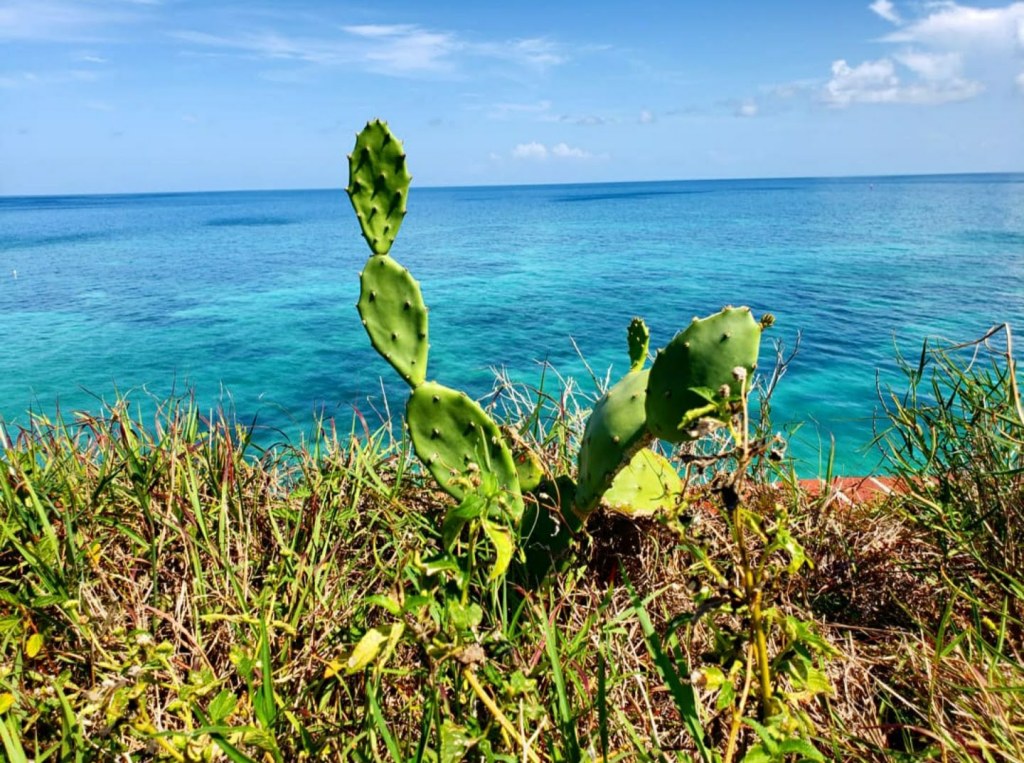
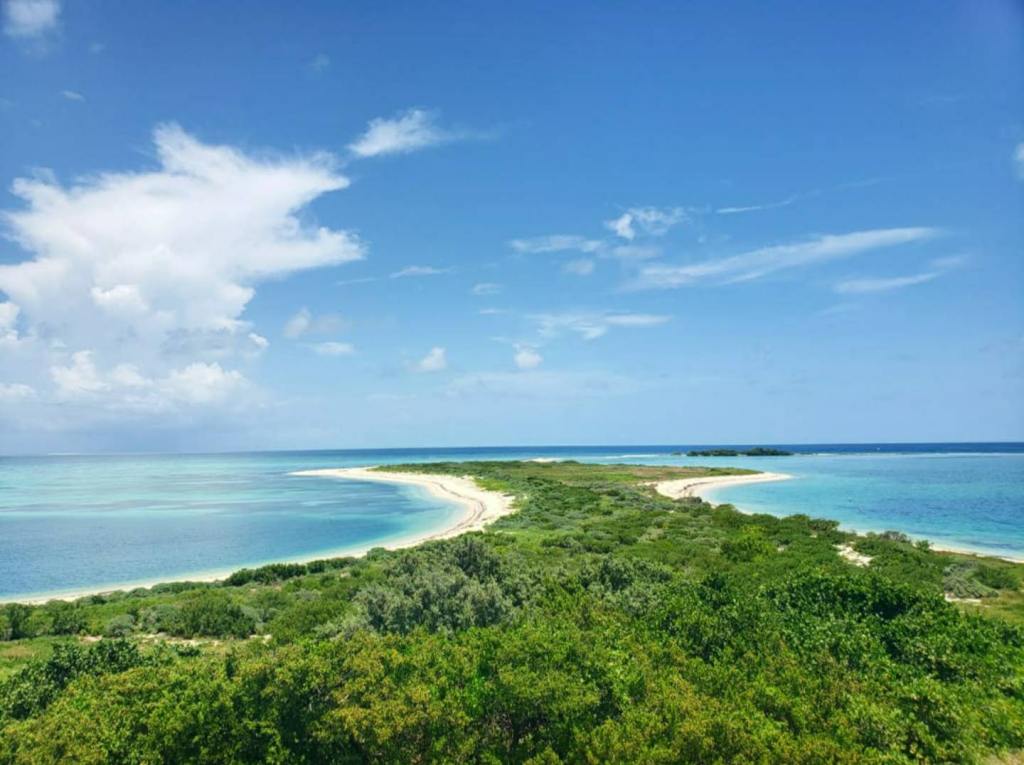
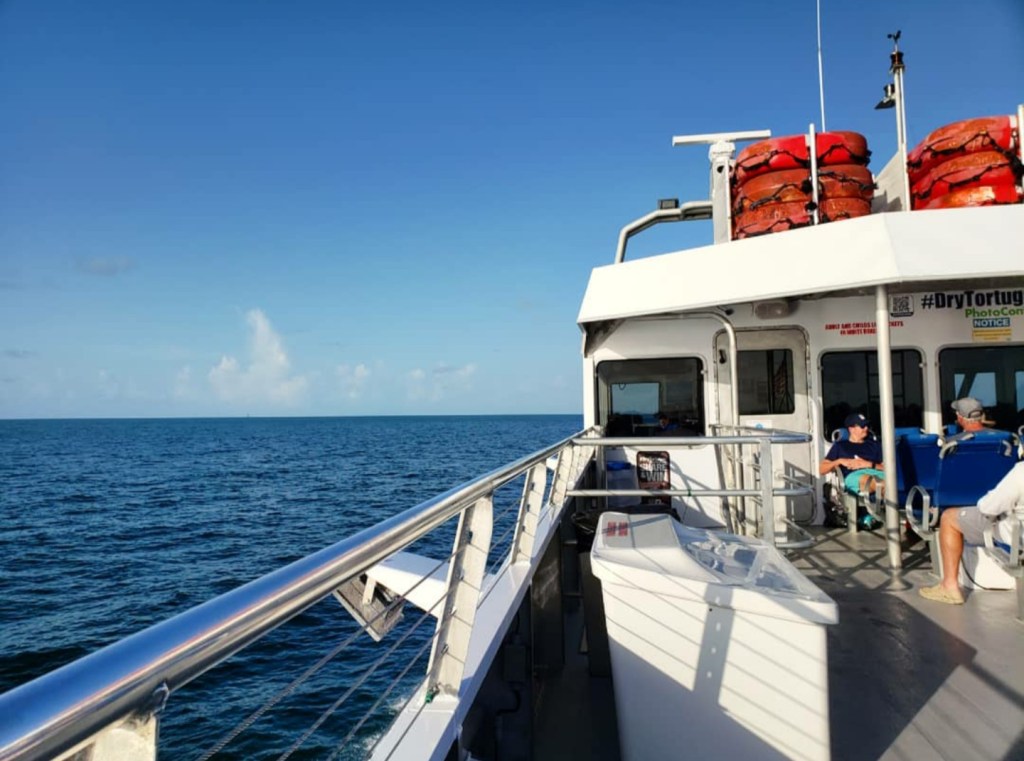
For Dry Tortugas, you’ll want to be staying in one of the lower Keys, though Key West would be ideal. Dry Tortugas is one of the most difficult parks to reach in the lower 48 states. It’s a remote island located 70 miles from Key West. There are only two ways to reach it: by boat or by seaplane. Like Biscayne, if you have a personal boat, you can take yourself to Dry Tortugas, but it’s not a safe trip to attempt, so I don’t recommend it. To get there, you pass through a large stretch of shallow water which is littered with old shipwrecks and reefs. If you don’t know the area, attempting this journey would be risky. The easier and much safer way to reach it is to either hire someone that makes the trip regularly to take you (expensive) or take the Yankee Freedom III, a ferry service to the island (still expensive but not as bad). The ferry costs $190 a person, so it’s definitely not cheap, but it’s by far the cheapest way to get to the park. This must be booked online months in advance if you want to secure your spot on the ferry. The other option is to fly by seaplane, which I’ve heard is an amazing experience, but it’s around $350 a person (price varies by season). The ferry can be booked through drytortugas.com. Since I took the ferry, I’ll explain all you need to know in order to successfully plan your trip to Dry Tortugas.
With either the ferry or seaplane, you are limited to just a few hours at the park. This is enough time to fully explore the fort and maybe do some snorkeling right offshore. But you’re there with a bunch of other tourists, making it a little more difficult to get pictures or find a spot on the beach. There are also other activities that there’s just not enough time to attempt given the time constraints. There are a couple other islands about a mile or two from the main island which you can kayak to, but it takes a decent amount of time to make that trip, so you’re not really able to do it if you come by ferry or seaplane. The only way to get more time on the island and away from crowds is to camp.
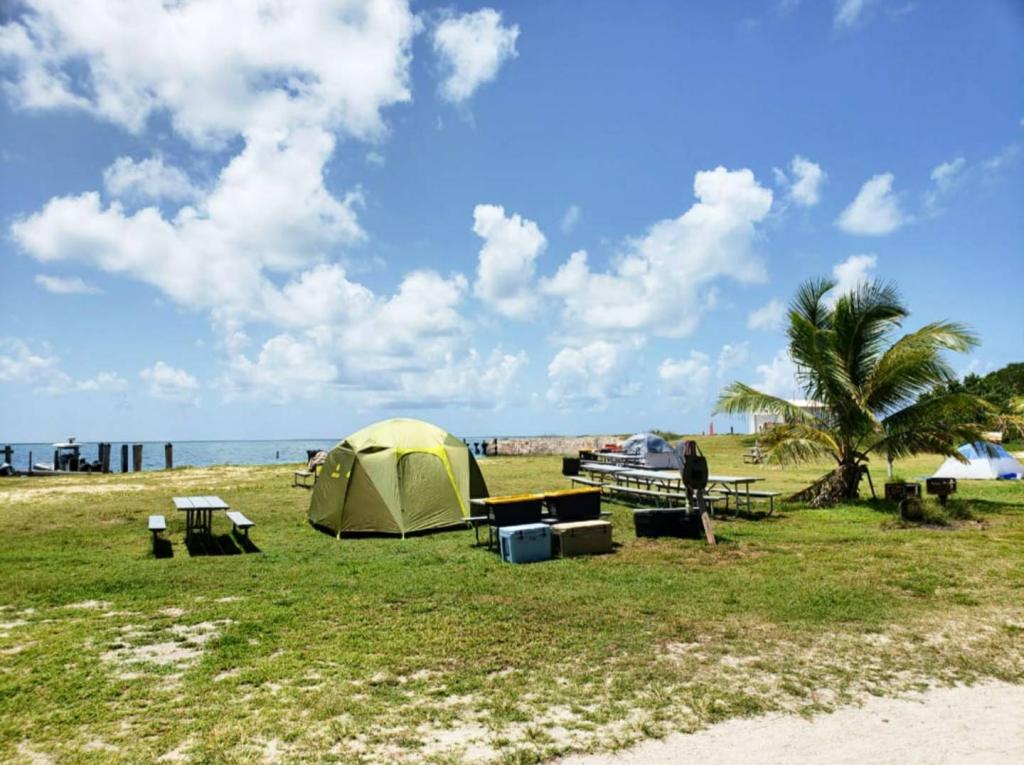
Camping is one of the best ways to experience the park because you have the whole island to yourself for a full day. But if you’re planning to camp, you need to make reservations about a year in advance. I tried to make a reservation back in March, and it was already booked through the end of September. This is because the ferry can only bring a few campers each day because of the storage space needed to bring all their equipment. If you can come by private boat, you won’t have to deal with this issue. If you do camp, you have to bring everything you’ll need including a ton of water because it won’t be available on the island. (Seaplanes obviously can’t take campers).

If you’re taking the ferry, you have to meet at the dock in Key West before 7:00 am or they will leave you. Many people forget to schedule the ferry in advance and have to try to get a ticket on standby. So your spot will be given away if you’re late. There’s no need to pack a lunch because the ferry includes lunch. It also includes snorkel equipment if you’re interested in snorkeling, but nothing else is included. You’ll definitely want to bring sunscreen because the sun here is intense! And don’t forget a beach towel if you’re snorkeling, or you’ll end up like me with no way to dry off. There is no need to bring bug spray to the island because mosquitoes don’t exist here since there’s no source of fresh water. And make sure to watch the time because you definitely don’t want to get left behind if you’re not prepared to camp. The ferry only comes and leaves once a day. One thing to point out is the time difference. I didn’t have an issue with this but some may. Dry Tortugas is technically in Central Time Zone while Key West is in Eastern. The ferry operates on Eastern Time Zone to make it easier, but your phone may get confused about the time, so you’ll want to watch out for that just in case. I really enjoyed my time at Dry Tortugas, but if I were to return, I’d definitely want to plan to camp overnight and take time to kayak out to the other islands.
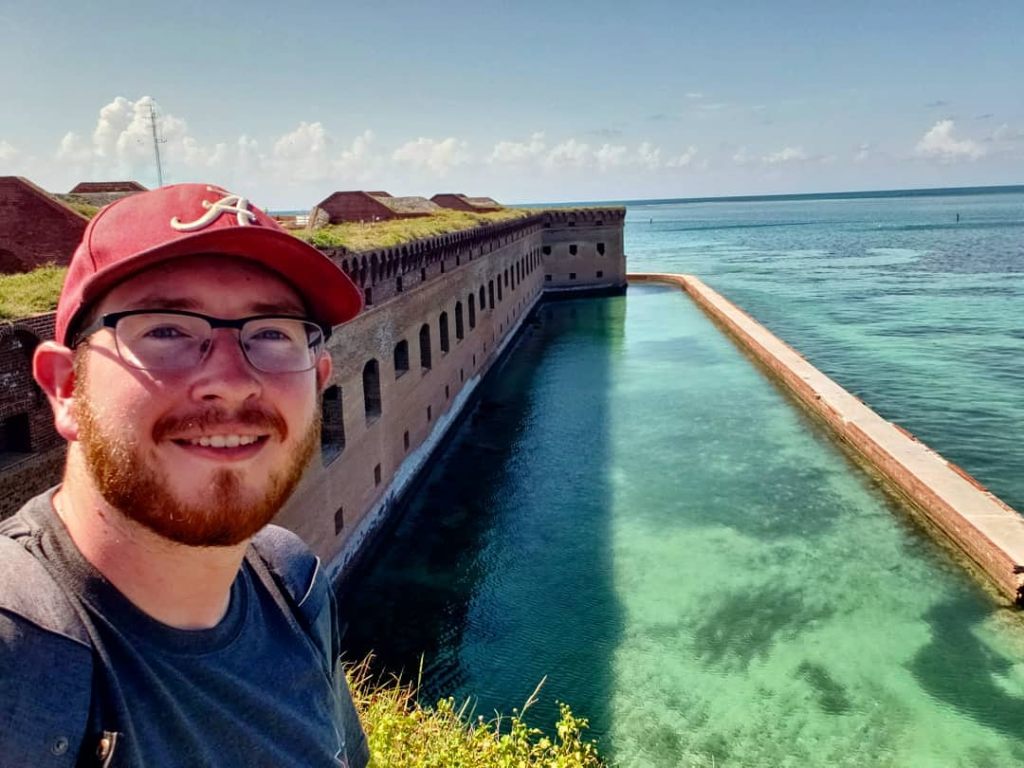
Overall the Florida national parks are worth visiting but are more difficult to visit than most. Each one should be planned in advance or you won’t be able to do much. This guide should be helpful if you’re planning to visit one or more of Florida’s national parks. It took me a long time to figure all this out on my own and some things I didn’t know until I was there, so this would’ve been very useful for me too. Thanks for reading!
 Tyler's Travels