
The one state I’ve been to more than any other (except Florida) is Alabama. I live really close to Alabama and cross over regularly throughout the year. But at the same time it’s a state that I haven’t really taken the time to explore. Of the three largest cities in Alabama (Huntsville, Birmingham, and Montgomery), the only one I’ve ever really stopped in is Montgomery, but even that was just to visit friends rather than see the city. Lately I’ve been looking for an excuse to go up to these areas of the state, so when I found out Audrey had a volleyball tournament in Huntsville, I decided that would be my excuse to finally go up there. Audrey and my parents (with the dogs) drove up on Thursday, and I left immediately after work on Friday to head up to Huntsville, the city that recently became the largest city in Alabama.
Huntsville
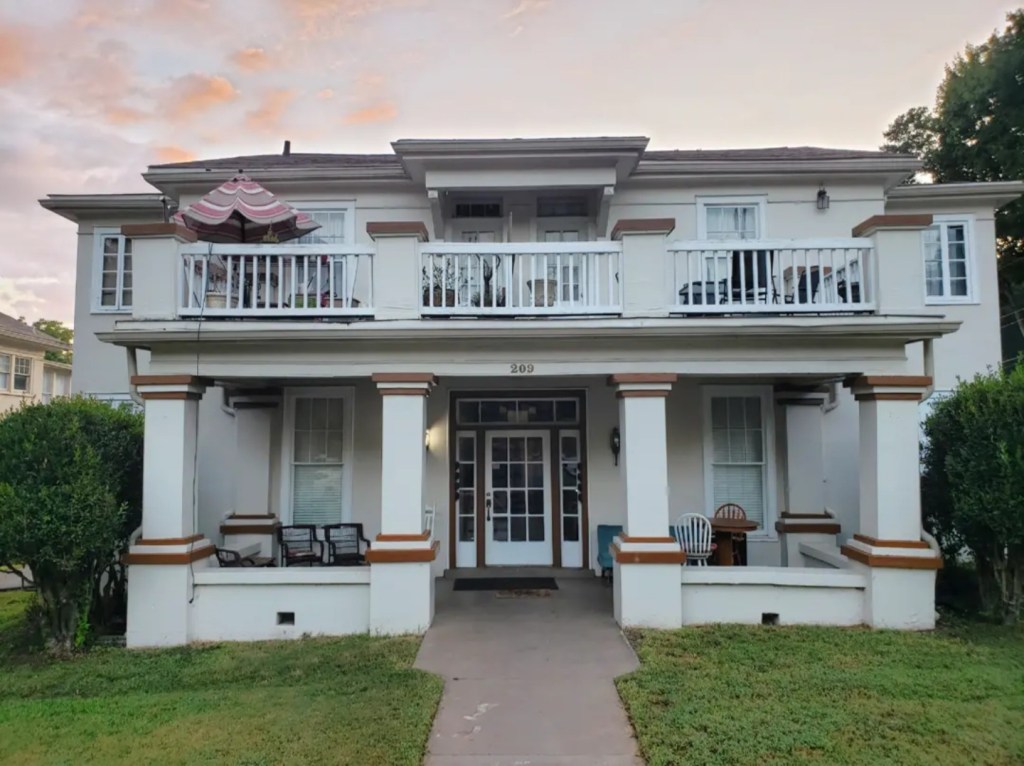
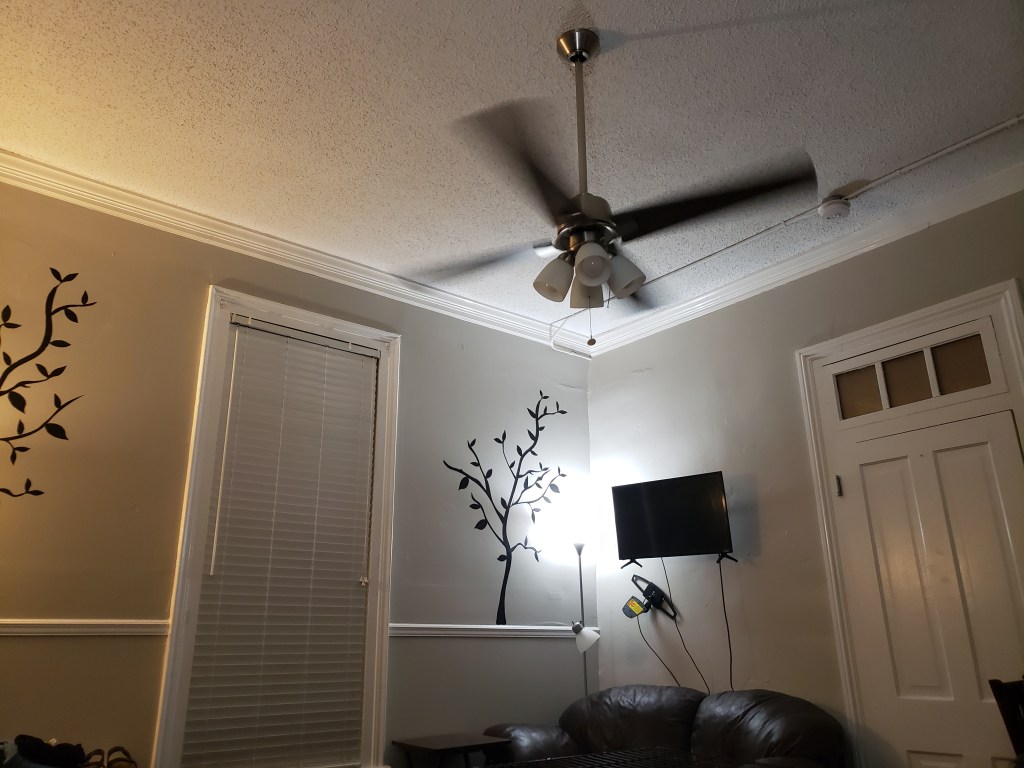
I arrived in Huntsville around 10:40 pm and found the house we were staying in. It’s an old historic house built in 1837 in the Twickenham Historic District of Huntsville. This area is full of old historic houses, and each has a sign out front with the name of the original owners and the year it was built. This particular house has 14 bedrooms and each has high ceilings with tall windows. The current owner has converted it into an Airbnb and rents out the individual bedrooms inside the house. I was impressed and really liked the room until I had an unfortunate situation.
Around 1:00 am, I woke up and didn’t really feel right. I was itching from head to toe and got up to go look at the mirror in the restroom. My neck was red and part of my face was swollen. It looked like I had mosquito bites everywhere. That’s when I decided to pull my phone out and look at the bed… and I was not happy to see multiple bed bugs all over the pillow I was using! I had nowhere to go, so I couldn’t just leave. I inspected all my clothes to make sure there were no hitchhikers and then went over to the couch where I sat until morning. I don’t blame the owner of the house- this can happen anywhere, and they took care of it as soon as I told them about it.
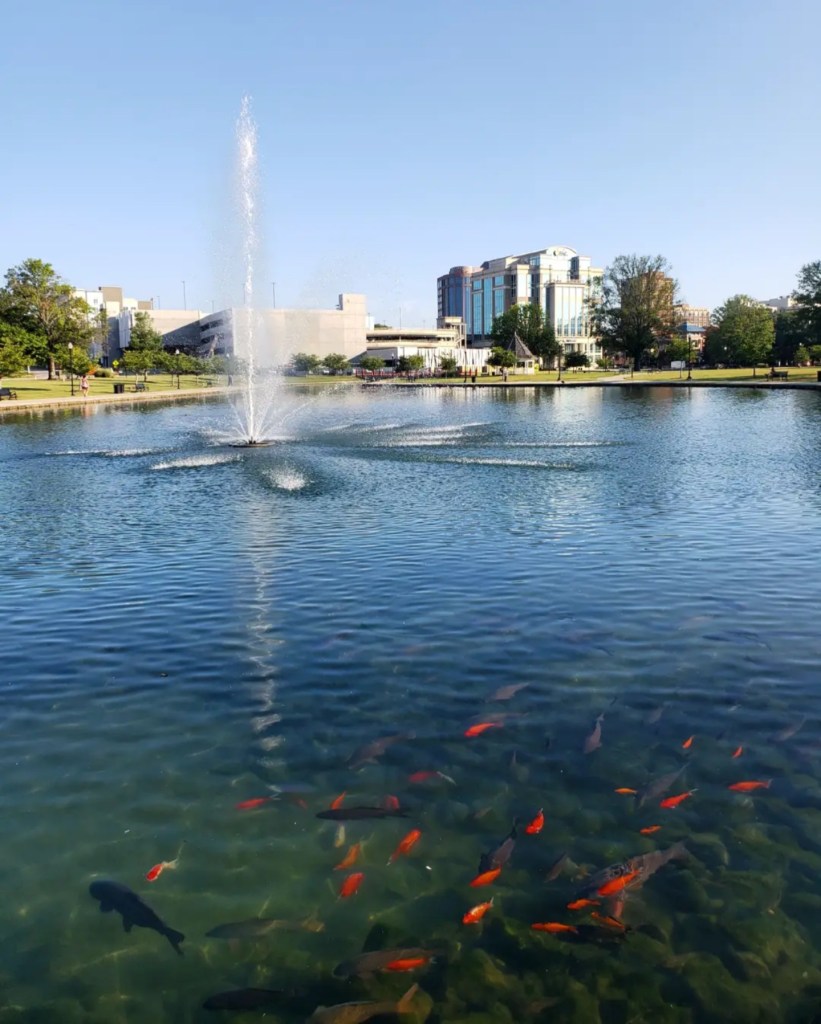
My time in Huntsville definitely didn’t start out great, but I was determined not to let that bad experience affect my opinion of the city as a whole. So when the sun rose, I went for a walk around the Twickenham Historic District to see all the old mansions. It’s a nice area, and there were a lot of people out running. After that, I headed over to Big Spring International Park. This is a natural spring that has historically been a very popular spot for those passing through. The city of Huntsville was built around the spring because it was such an important landmark. And I loved this park! It has to be my favorite urban park I’ve visited as it’s just so clean and relaxing. The water is filled with koi fish and ducks, and there are multiple water fountains making it a unique atmosphere. I was very impressed with how clean the park is and the care that goes into keeping it nice.
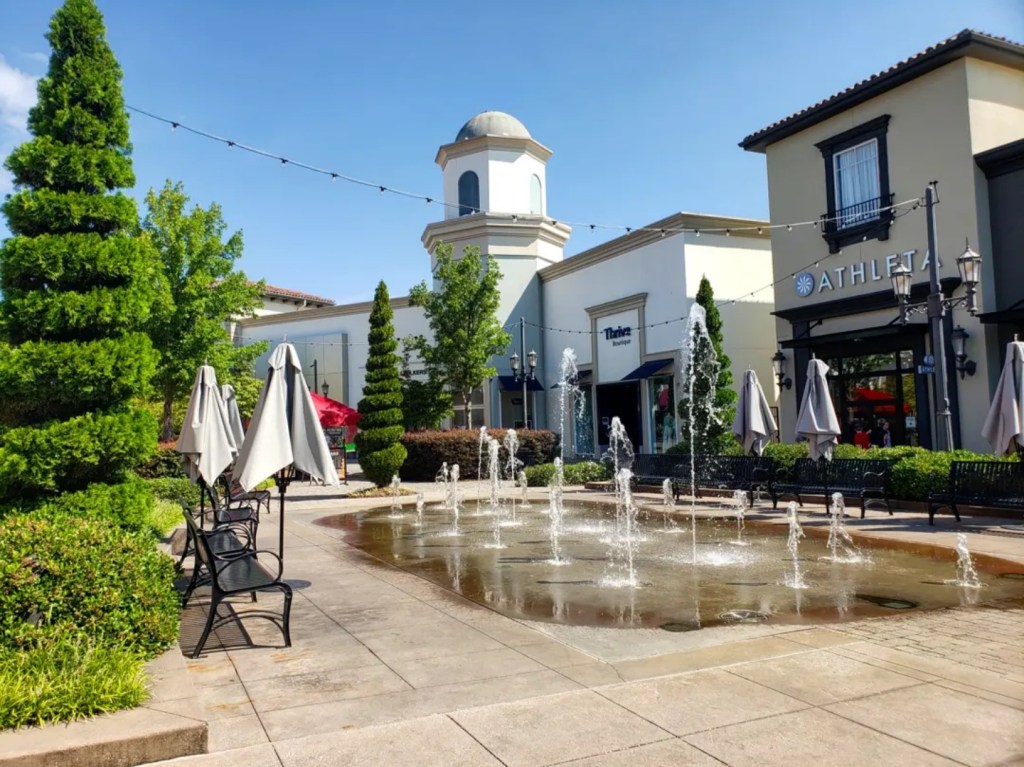
After exploring the whole park, I headed over to Audrey’s game before visiting Bridge Street Town Centre. This is a large outdoor shopping complex, but it’s very well maintained. There’s green everywhere, and it’s another relaxing place to walk around. There are canals here, and they offer gondola rides to visitors, though there were no gondolas when I went due to construction crews repairing one of the bridges. I found an Alumni Hall where I bought a new red Alabama hat to replace the one I’ve been wearing since 2017. Then, I made it back in time for Audrey’s championship game.
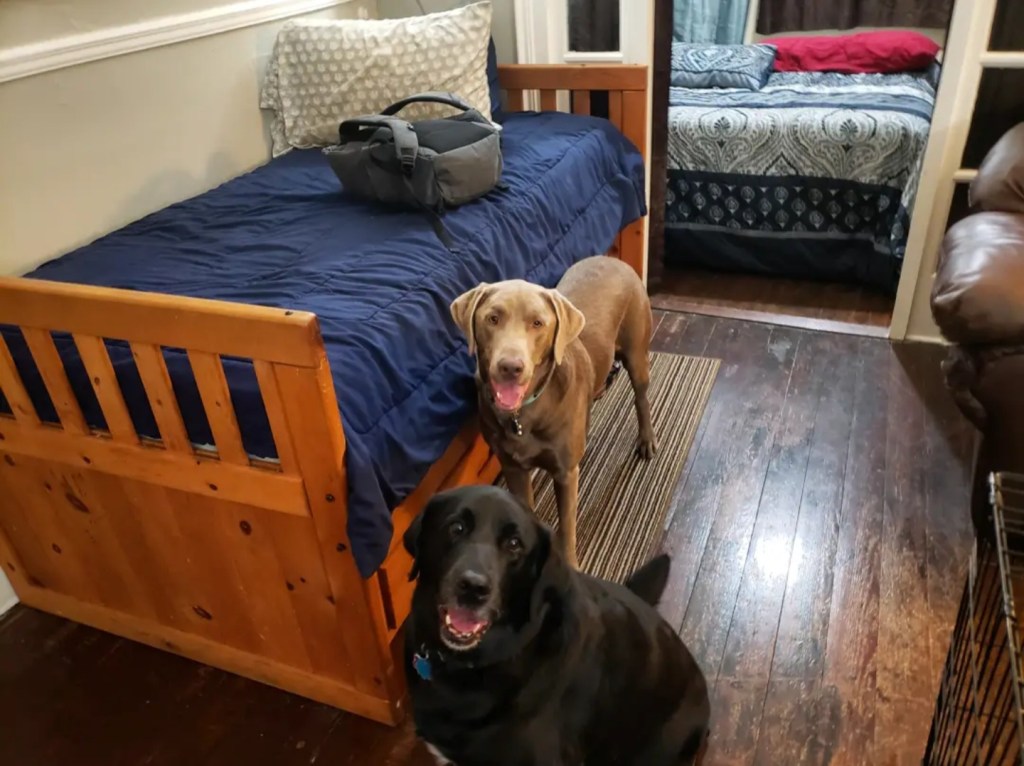
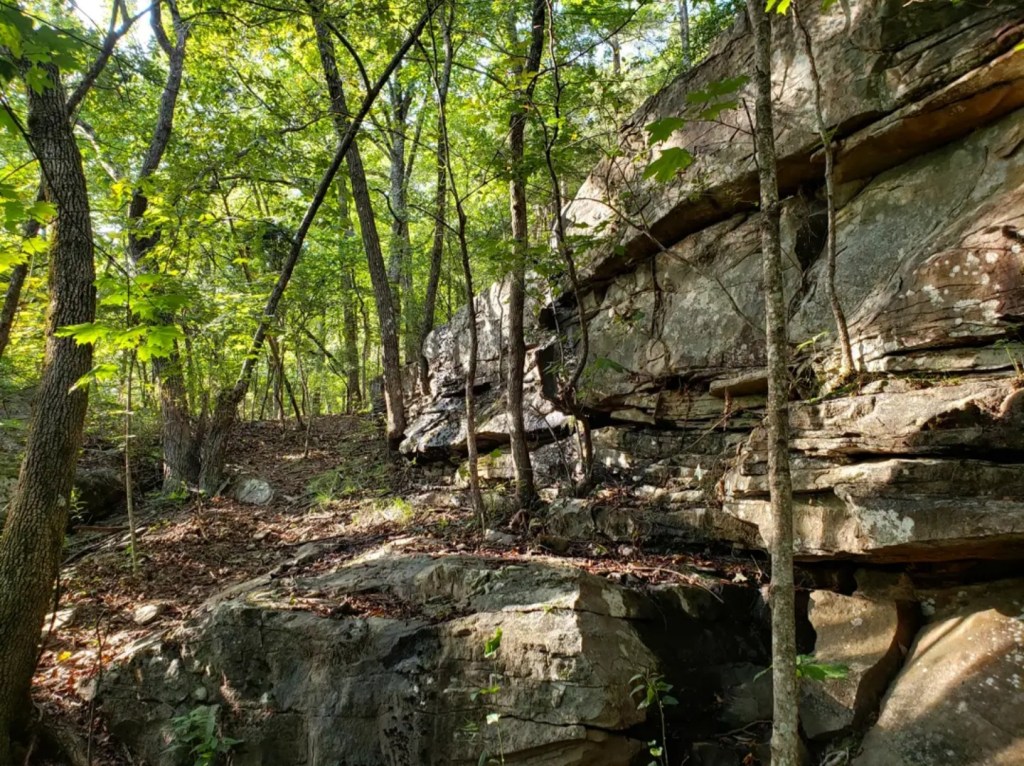
They placed second in the tournament, and Audrey along with the team headed back home as soon as it was over. Mom and Dad considered driving back too, but they decided to come with me to take the dogs on a hike in Monte Sano State Park. It’s a nice park with good trails. It was really nice to let Charlie and Dixie get some exercise before their long drive back. After we walked a couple miles, Mom and Dad left, and I headed back to the Airbnb where the cleaner had stripped the bed and sprayed pesticide all over it to hopefully get rid of the bed bugs. For the remainder of the night, I got some dinner and then went to (a different) bed early to prepare for the next day.
Birmingham
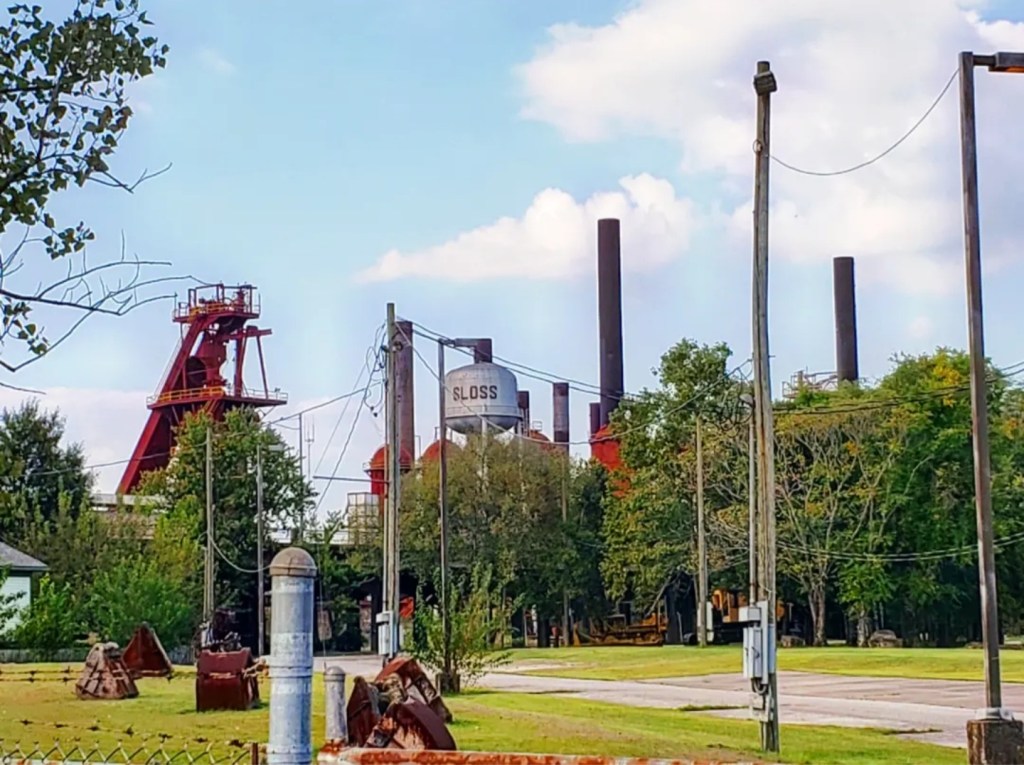
The next morning, I woke up early and left Huntsville for Birmingham. Birmingham was Alabama’s largest city until very recently when Huntsville passed it. However, Birmingham definitely feels much bigger than Huntsville. It’s much more like a typical big city. I first headed into the historic district of the city, which was very industrial. Birmingham was a popular mining and iron-producing city back in the day, and the evidence of that is all over the older parts of town. Sloss Furnace is visible from far away, and it was a furnace used in producing iron. I would’ve loved to tour it, but I came on a Sunday when it’s closed.
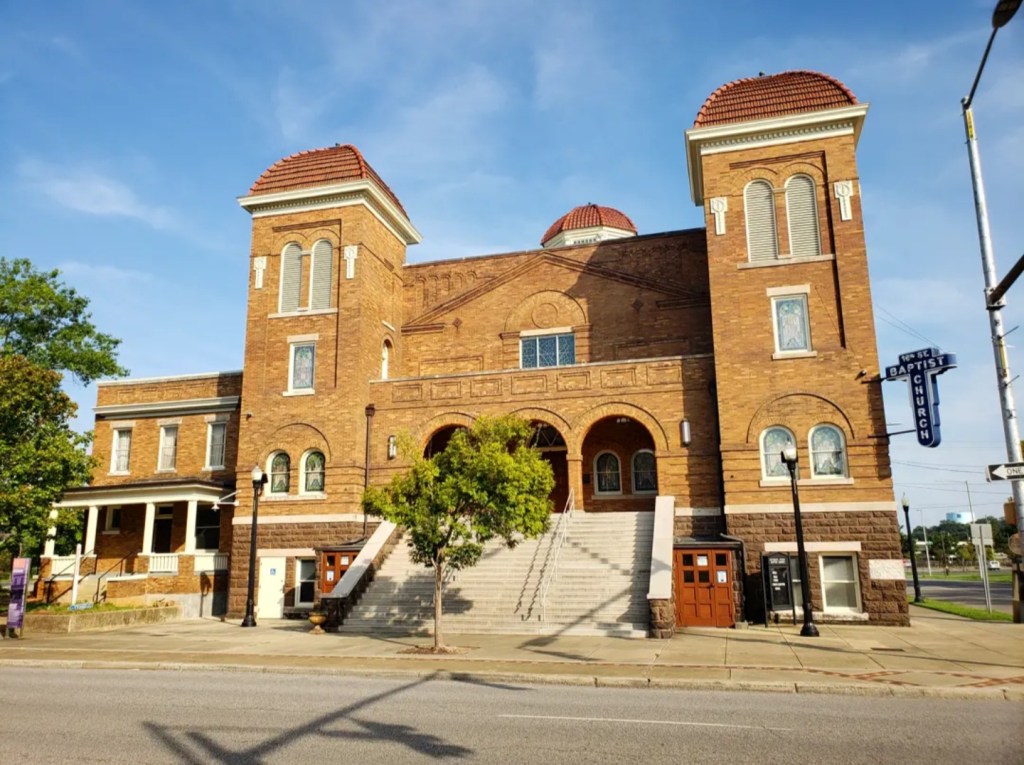
From there I headed over to 16th Street Baptist Church which became the first African American church in the city. It was bombed by KKK members in 1963, and four young girls were killed in this event. There’s a field across the street with statues honoring those four girls, along with leaders of the Civil Rights Movement.
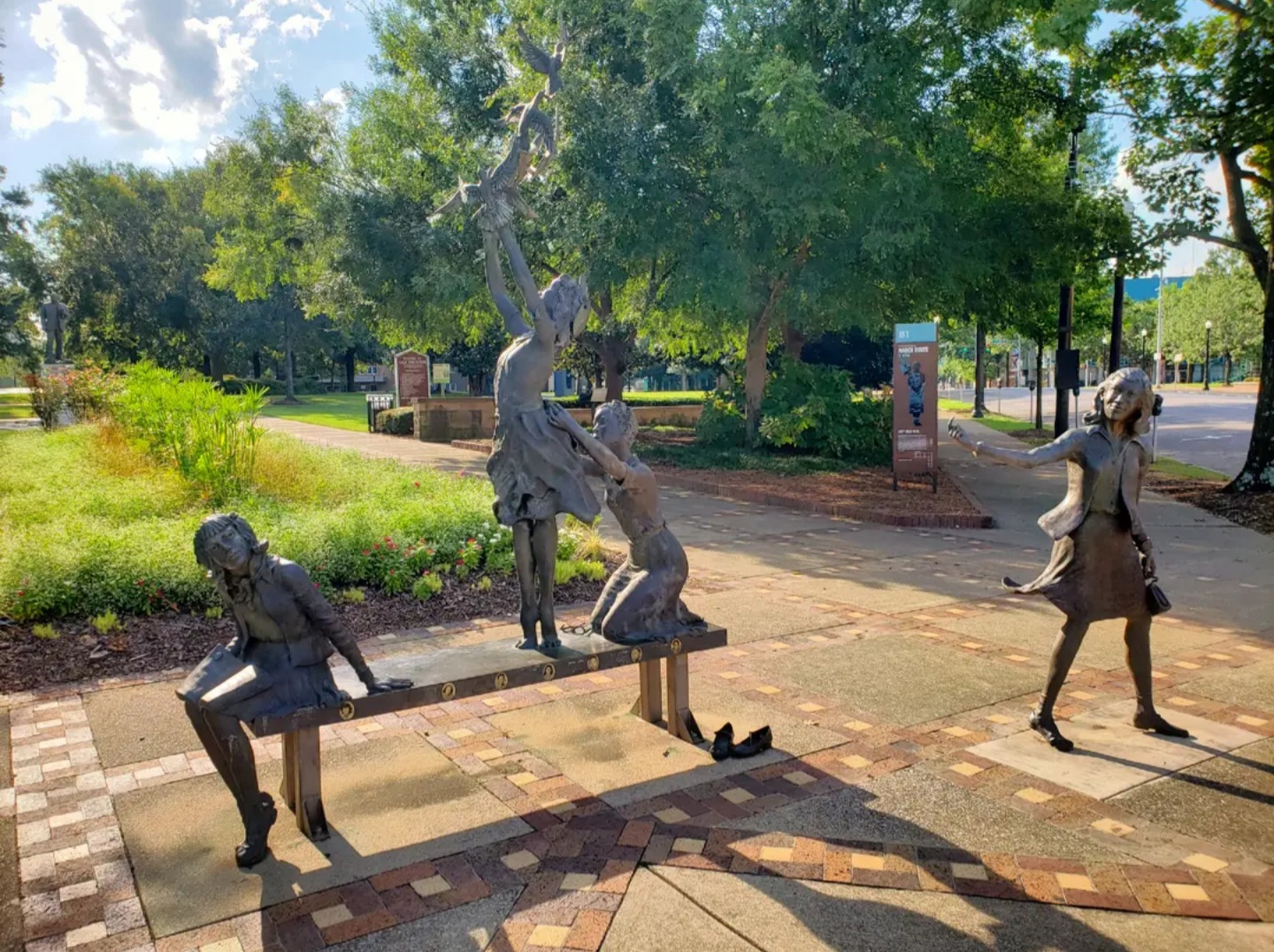
And after exploring that park some, I went to Railroad Park, a nice green park located right next to the railroad lines as they cross through downtown Birmingham. With many green parks like this, Birmingham actually has more green space per capita than any other big city in the United States. It’s definitely a beautiful city to drive around. I enjoyed seeing Railroad Park, and it’s a very popular place for running and walking dogs. It’s also right across the street from Regions Field where Birmingham’s minor league baseball team plays. After waking around this area for a while, I headed over to Vulcan Park, atop a mountain overlooking the city.
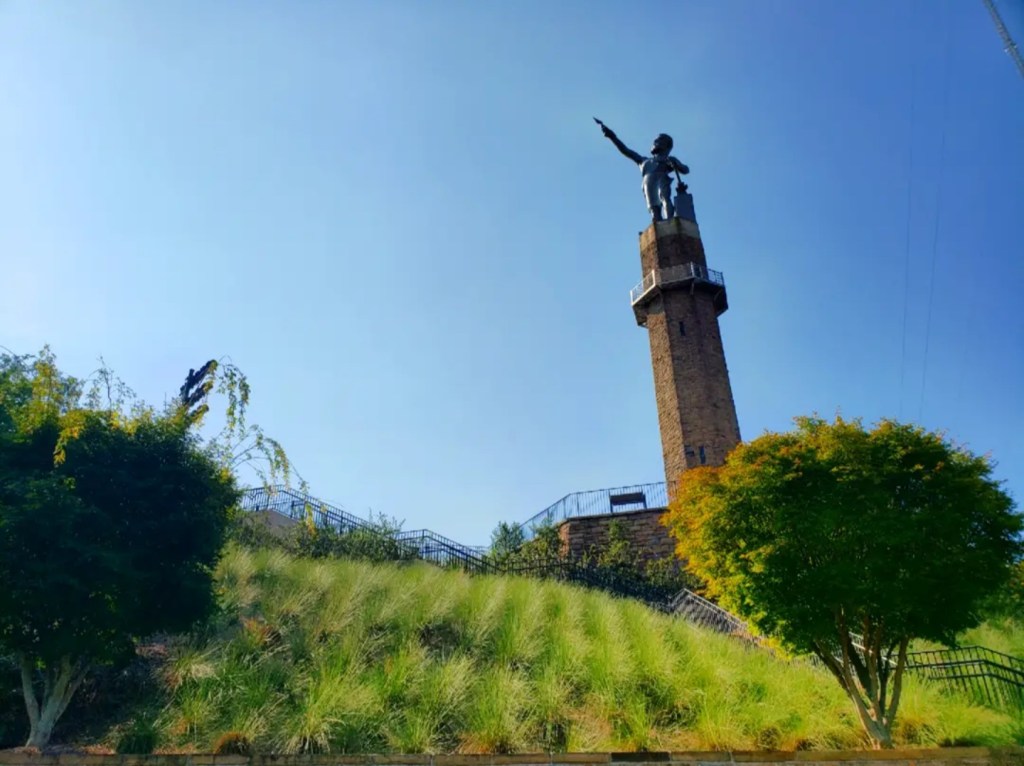
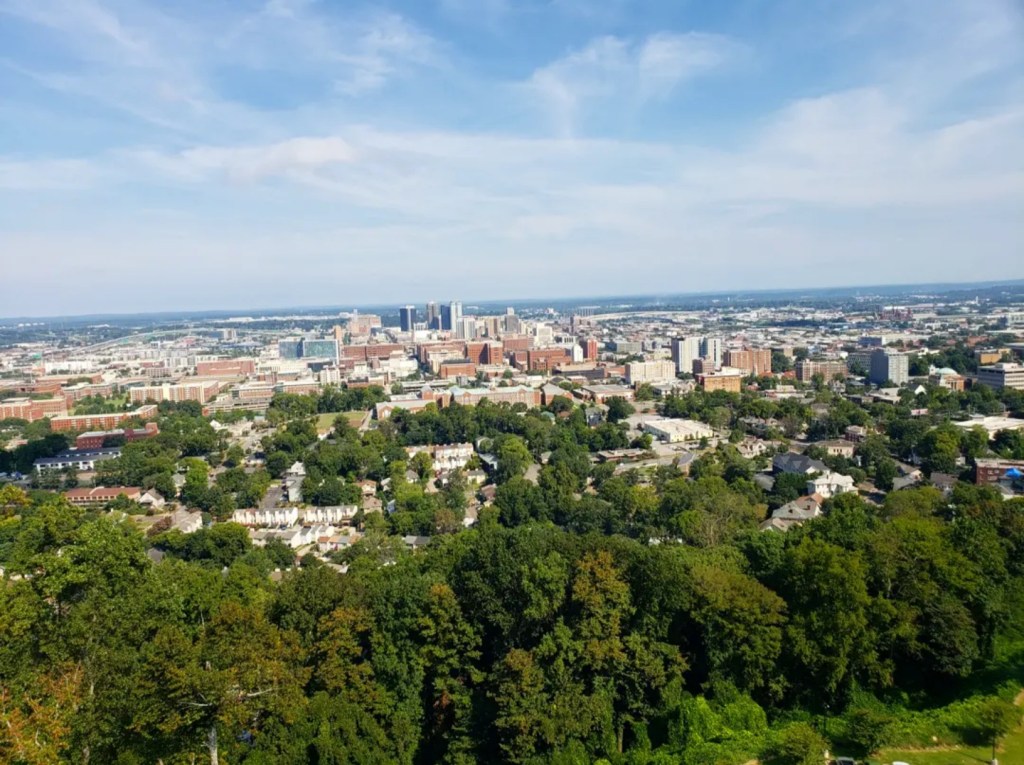
There’s a tall statue of Vulcan, the Roman god of fire and metal, meant to represent Birmingham’s history of mining and iron production. This is the world’s largest cast iron statue, made of 100,000 pounds of iron and standing 56 feet tall. There’s also an elevator giving access to the observation deck at the top of the statue. I reached the top, and the view was amazing! I could literally see the whole city of Birmingham from up there. There is also a museum here talking about the history of iron production in the city, but I didn’t really have time to stay.
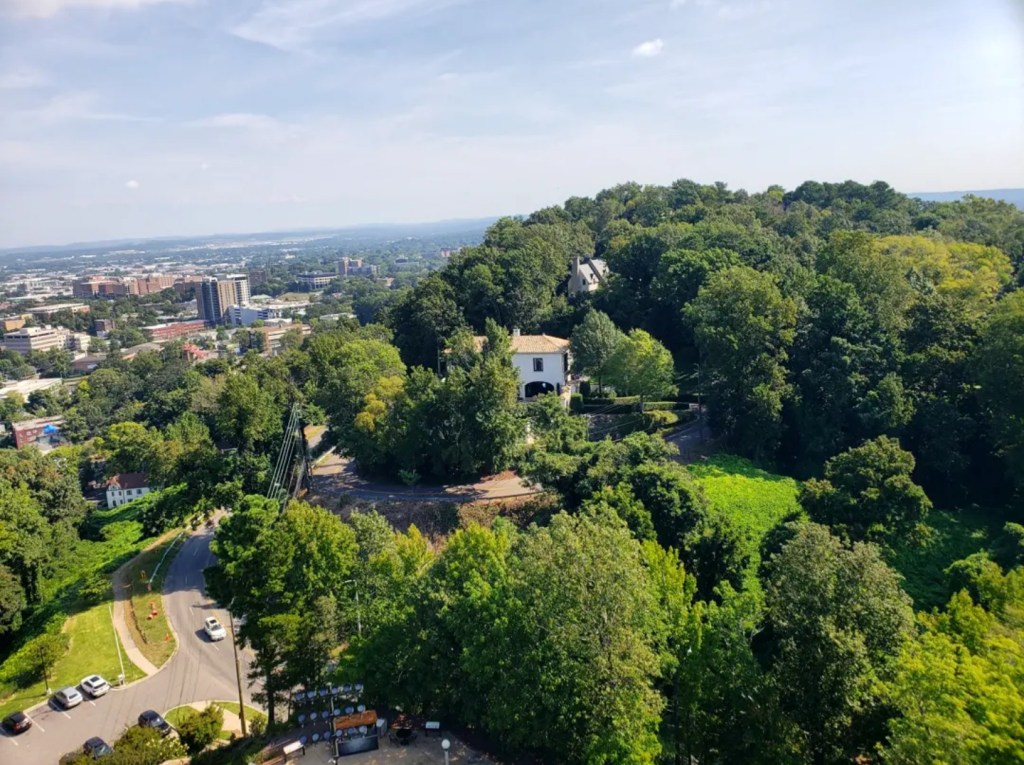
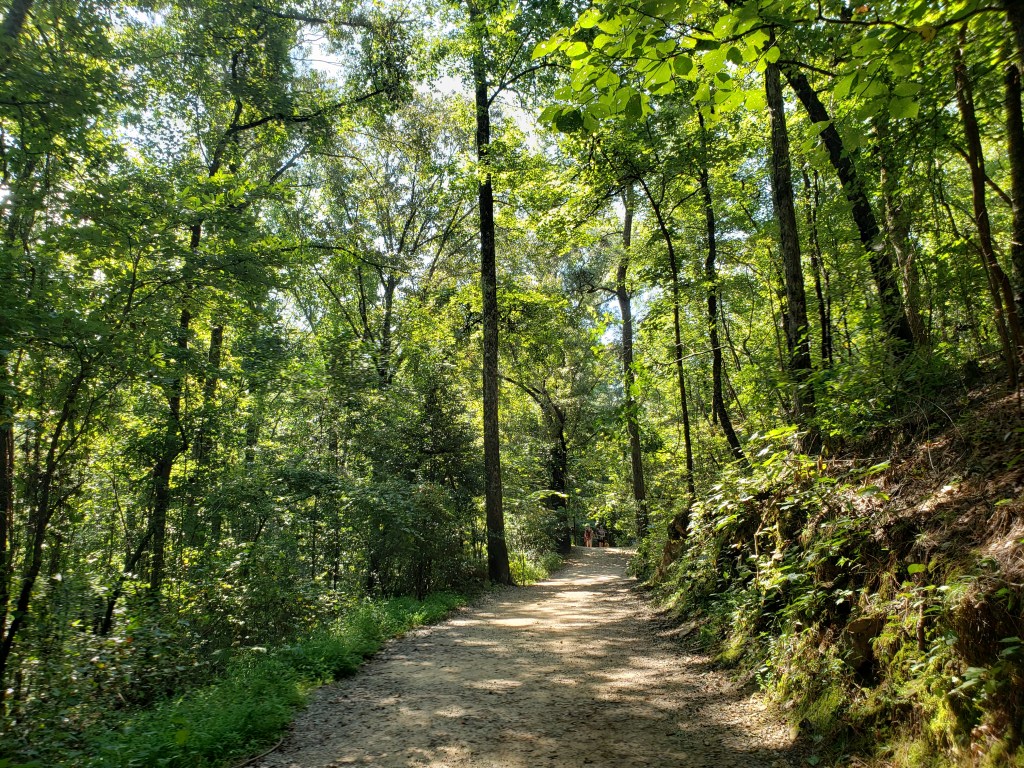
After leaving Vulcan Park, I made one last stop at Red Mountain Park. It’s called “Red Mountain” because of all the iron mines. There are still ruins of these mines throughout the park, and I intended to visit one of them. But I misread the trail map, which I didn’t realize until I had walked a couple miles in the wrong direction already. I knew I still had a whole stop in Montgomery planned, so I had to go back to my truck and cut out the mine visit. It was a beautiful park to hike through though.
Montgomery
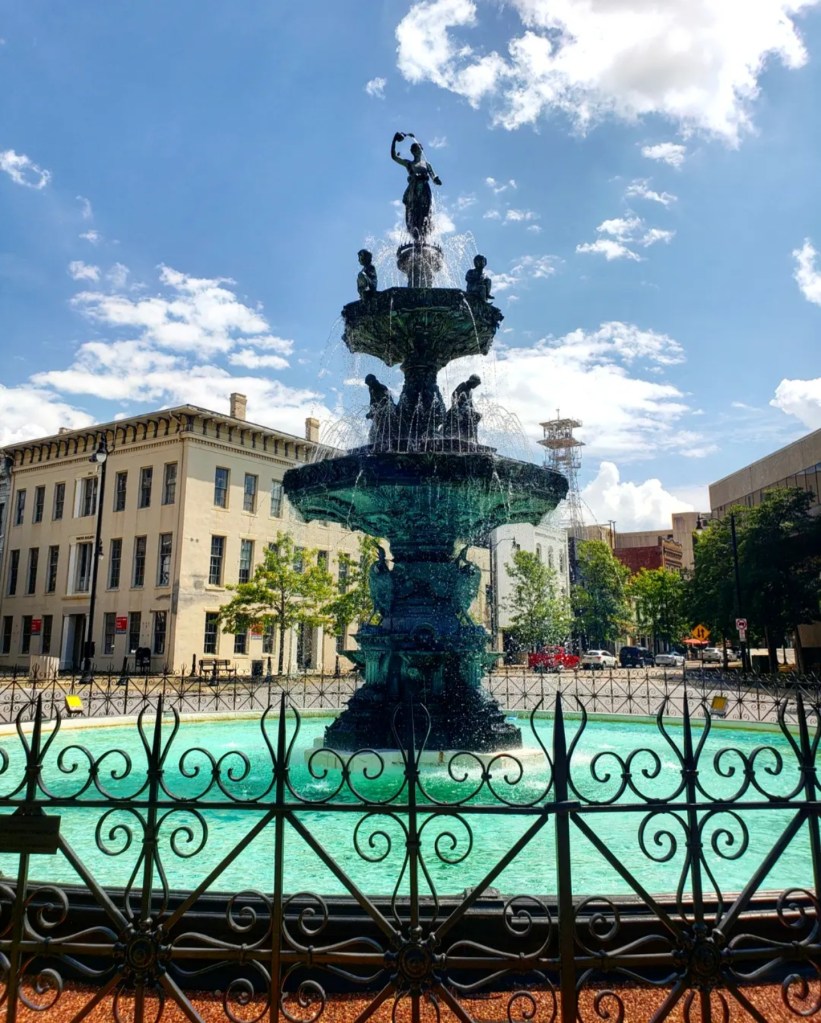
After reaching Montgomery, I drove into the center of the city which is where a lot of historic events have happened. Montgomery is known for its strong Civil Rights history, but there’s more to it than that. The main street is called Dexter Avenue, and it’s known as the most historical short street in America. Right at the beginning of the street is Court Square, a major roundabout intersection in downtown Montgomery. This square was once used as the center of slave trading in the city, and people would come from miles away to buy slaves here. As a result, the street was originally known as “Market Street” before its name was eventually changed. Today, there’s a beautiful fountain in the center of the intersection which was built over a deep well which had served the Native Americans long before the arrival of Europeans.
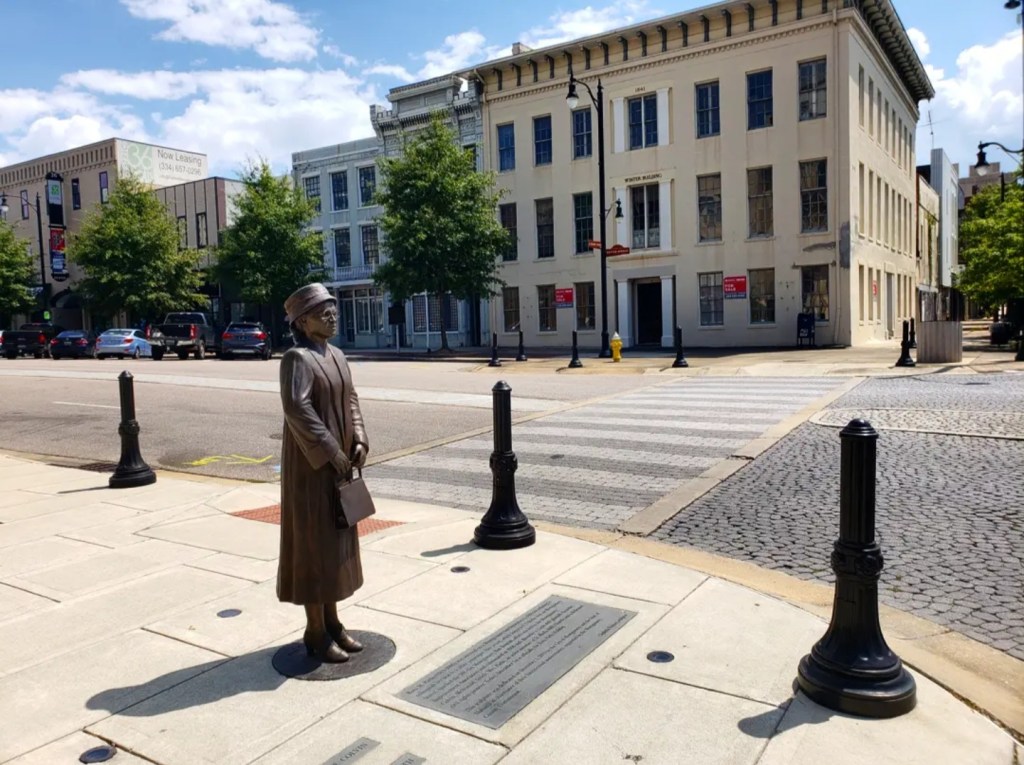
This same intersection is also the location where Rosa Parks refused to give up her seat on the bus to a white person. The fact that she would be expected to give up her seat because of the color of her skin and then be arrested for not doing so seems ridiculous today, but this was unfortunately seen as normal during these times. This was such an important event in the fight to end segregation, and there is a statue of her at this corner to honor her contribution to the Civil Rights Movement.
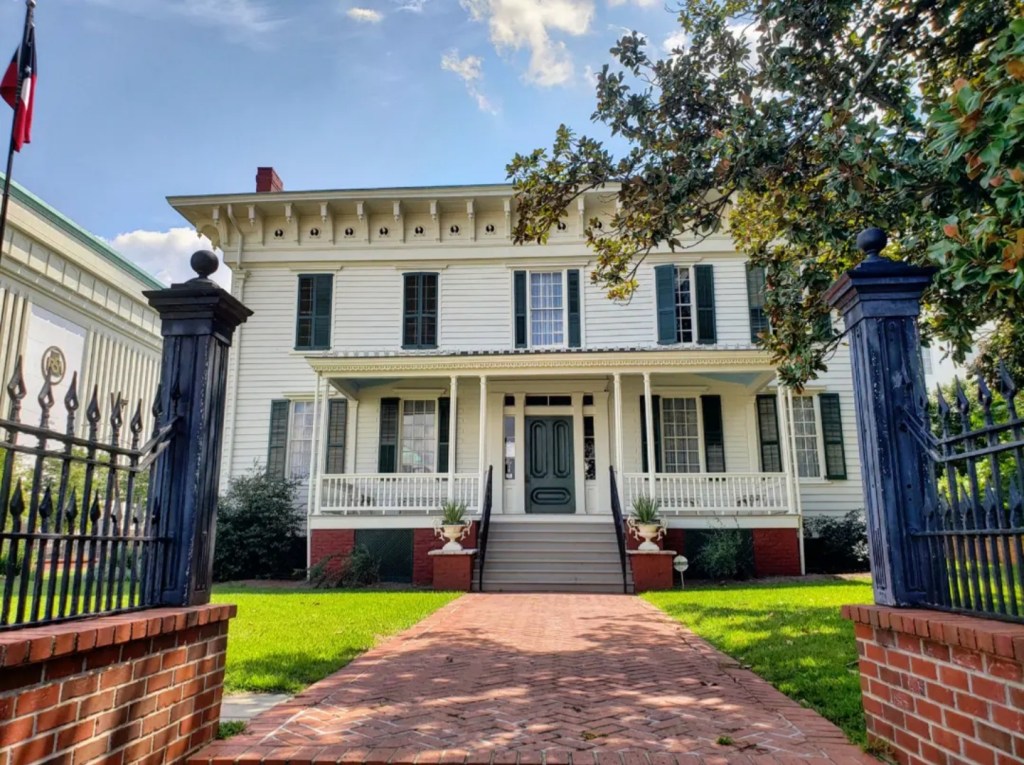
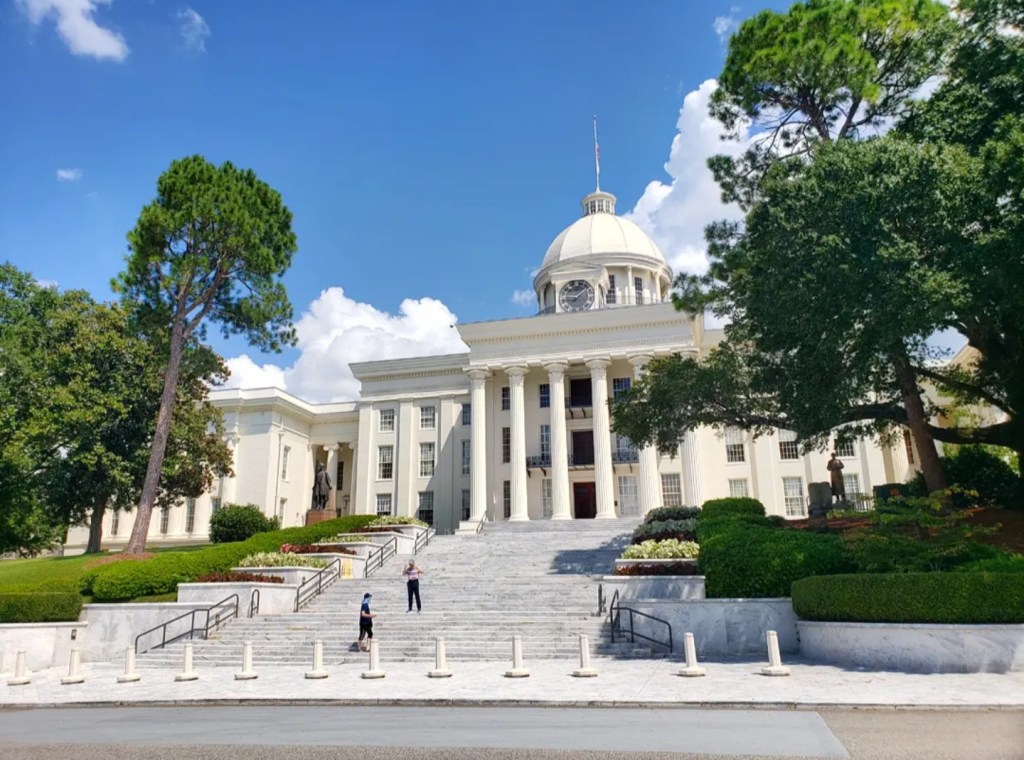
From there, I continued to drive down Dexter Avenue and noticed the historic buildings along both sides of the street. The road leads directly to the Alabama State Capitol, and this large beautiful building can be seen from the opposite end of the street where the fountain stands. When Jefferson Davis became president of the Confederate states, there was a parade that marched down this road to where the First White House of the Confederacy still stands, right next to the modern Capitol building. But this would not be the last march to occur along this street.
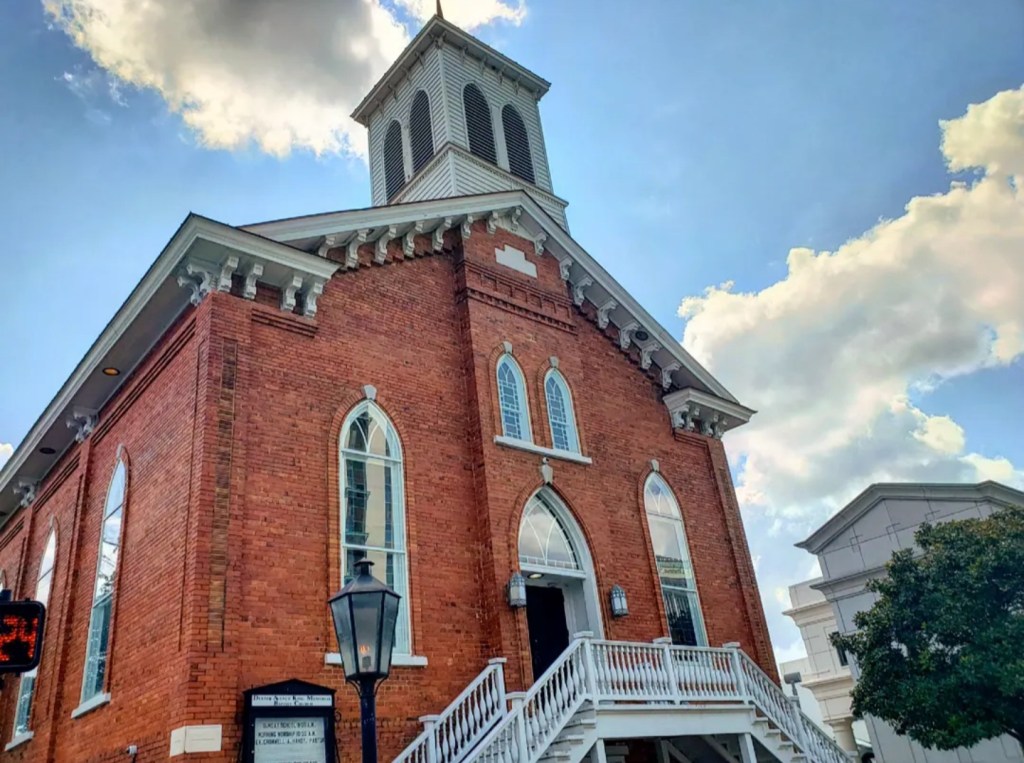
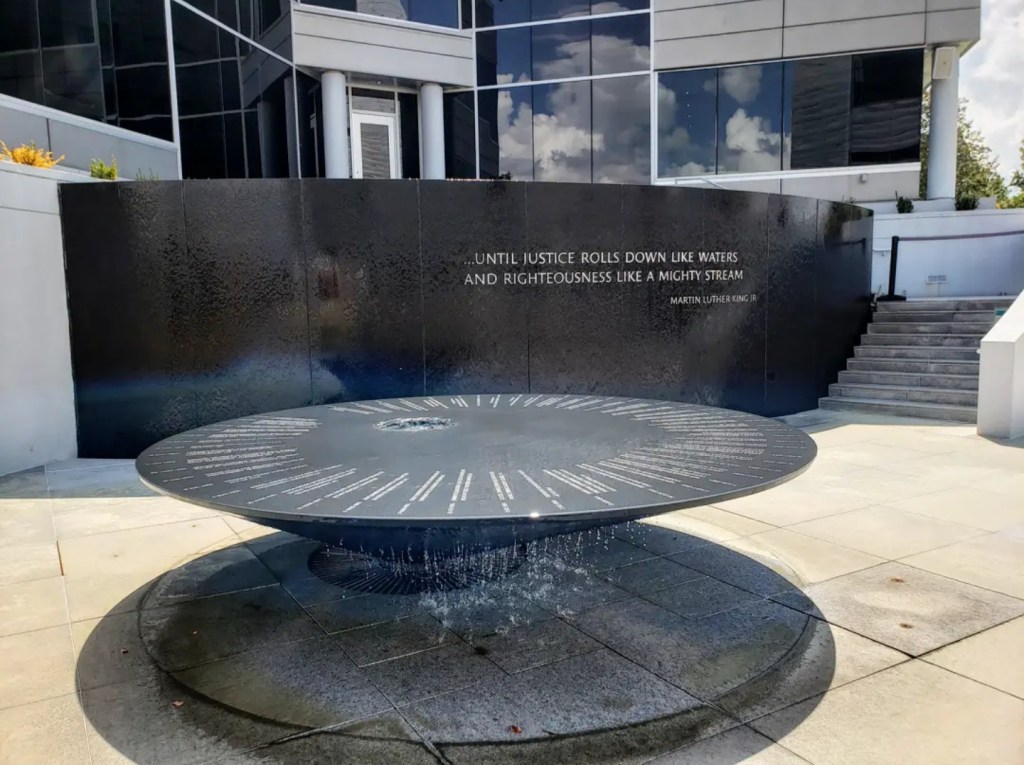
Over halfway down, near the Capitol, is Dexter Avenue Baptist Church. This church was very influential in the Civil Rights Movement as its pastor was Martin Luther King Jr., and it was along this road where the Selma to Montgomery march ended, leading to the eventual passing of the Voting Rights Act of 1965. (More on that later). Just down the road from the church is the Civil Rights Monument which is dedicated to those that lost their lives in the fight for African Americans to receive the same freedoms as everyone else in the United States. I knew that there was a lot of history in Montgomery, but I actually didn’t realize that all of this occurred along the same street until I got here. It’s definitely a place to visit if you’re interested in history.
Before leaving Montgomery, I headed down to Riverfront Park which is found along the Alabama River. To be honest, I wasn’t impressed with it. I expected more, but I know that a lot of events take place here, so maybe I just came at the wrong time. But after seeing what I wanted to in Montgomery, I had one last stop to make: Selma. I already mentioned the march into Montgomery that led to the Voting Rights Act of 1965, but there was a lot leading up to this moment, and Selma was where it really all began.
Selma
So I drove 45 minutes from Montgomery to Selma to see this town because of how important it is as a historic site. Though the 15th Amendment had allowed for African Americans to vote almost 100 years earlier, in 1965, Alabama started a voting registration campaign which would require citizens to pass a test in order to become eligible to vote. This was designed to prevent many African Americans from being able to vote because during this time of segregation, they didn’t have access to the same education that everyone else did.
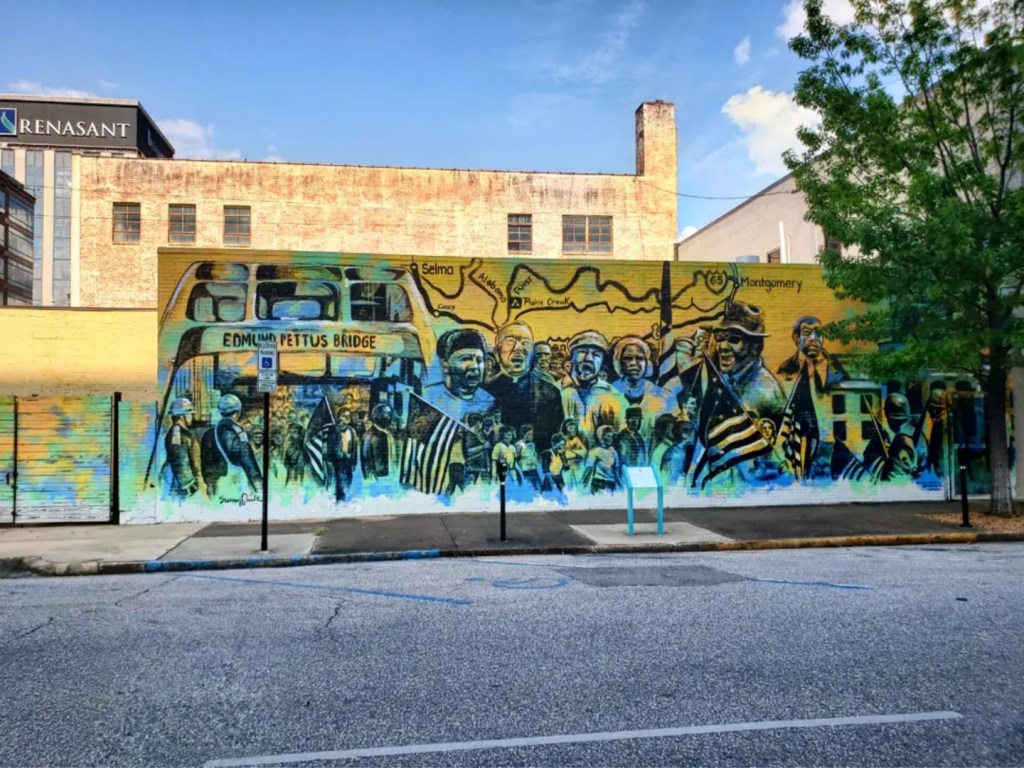
A protest was organized in response which would go from Selma to Montgomery. It was led by John Lewis and Hosea Williams and 600 African Americans joined this march. But then, armed troopers were ordered to attack them as they reached the Edmund Pettus Bridge on the edge of Selma. This resulted in many injuries and at least 50 hospitalizations. The event became known as Bloody Sunday and brought national attention to Selma. Two weeks later, now with national support and federal protection, Martin Luther King Jr led this planned protest across the same bridge all the way into Montgomery and up to the steps of the Capitol building. In response, Lyndon B Johnson signed the Voting Rights Act of 1965 which outlawed discriminatory voting standards, giving everyone the right to vote.
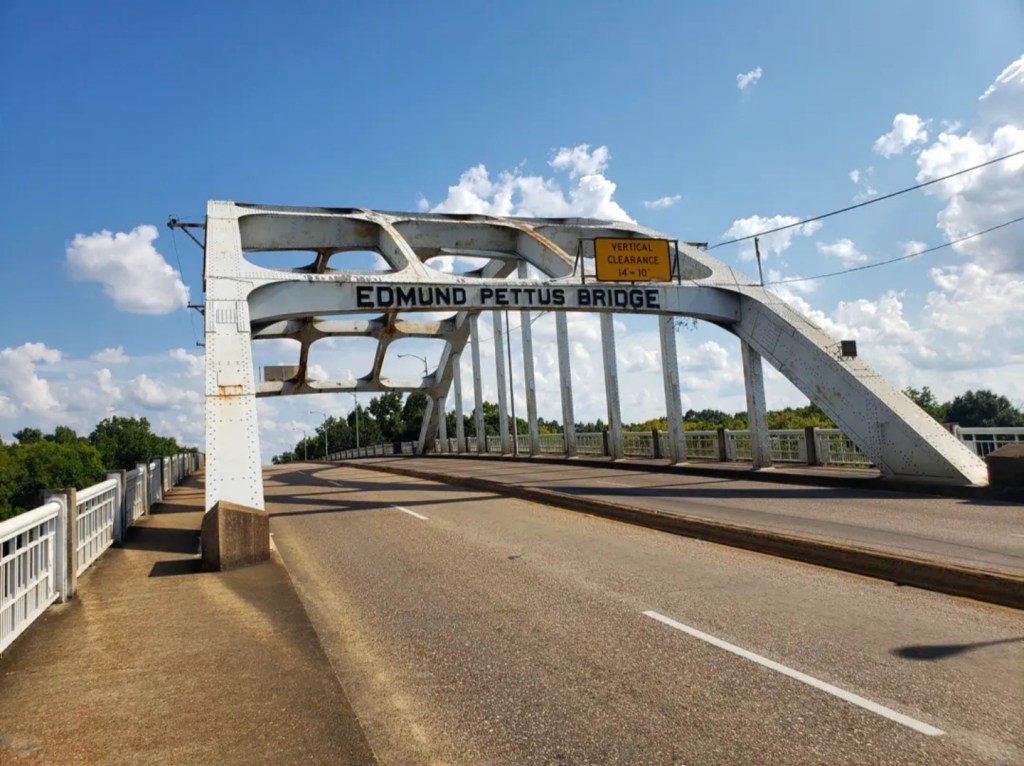
I just couldn’t come to the Montgomery area without taking the time to see this place. It’s such a historic event that doesn’t get talked about as often as it should. Though it’s kinda out of the way with not much else around, I felt that it was an important stop on my road trip through Alabama. I really enjoyed getting to visit these three (or four) cities, and I think all of them are really underrated as tourist destinations. Thanks for reading about my time in these less-visited areas, and I hope you enjoyed it!
 Tyler's Travels