
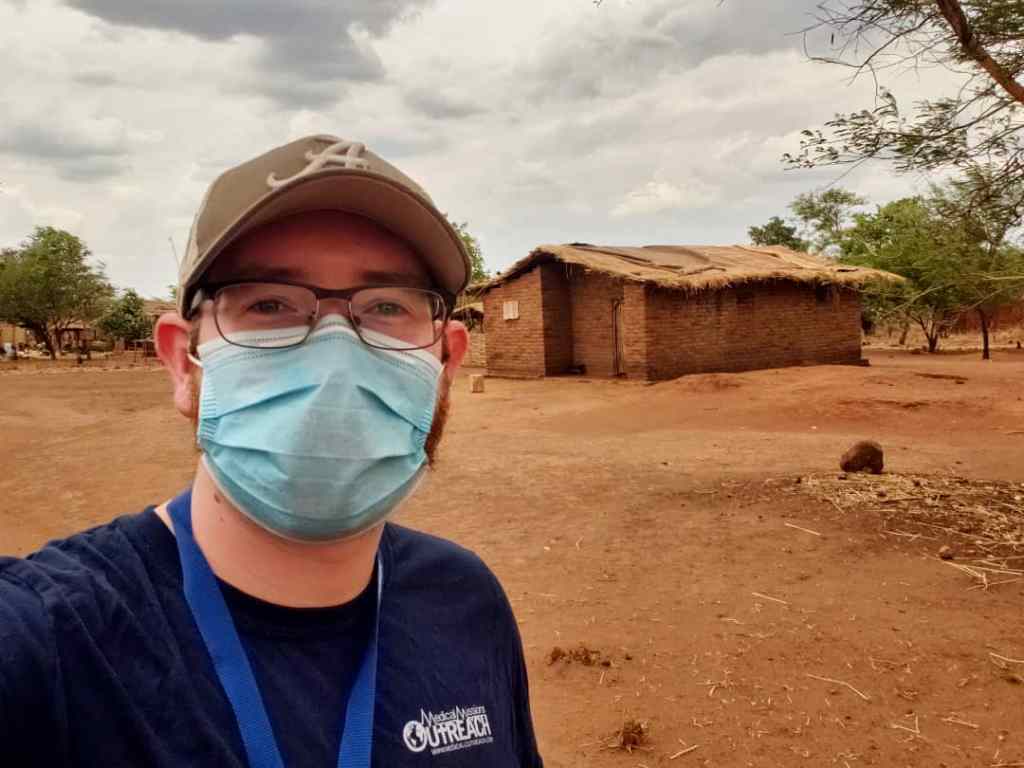
This is a continuation of my Zambia story that I started yesterday. If you want to read about my first thoughts from Zambia and everything leading up to this point, you can read that by clicking here. I had just returned from a walk around Chipata, and our whole group met up in the hotel for lunch. Our original plan for the day was to count medications and organize our equipment for the upcoming medical clinics we were holding. But considering all of our equipment had been confiscated at the airport, that was not possible. So Bradley, our team leader, announced that instead we’d head over to a local market in Chipata to kinda get a sense of their culture.
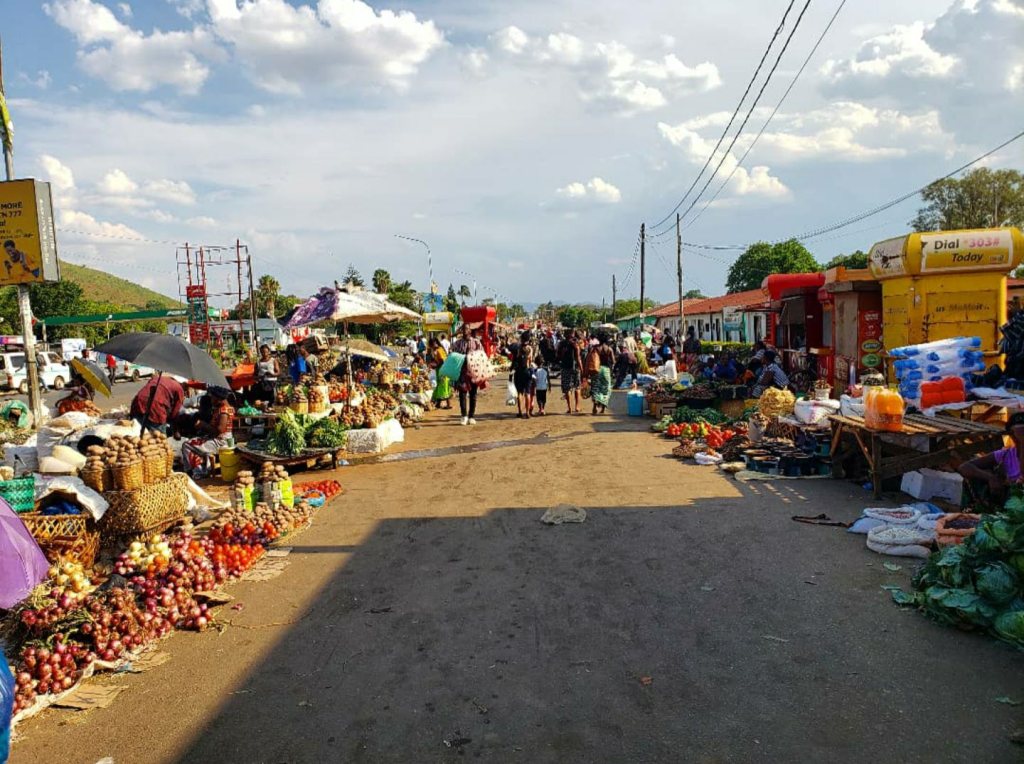
I was still dealing with bad knee pain following the long drive to Chipata, and as a result, I didn’t want to sit in the back of the bus again. They told me that the front seat by Moses our driver was available, so I got to sit shotgun! This seat had the best views, so I obviously loved it. We soon left the hotel and headed to Kapata Market. We stopped near a mall there in Chipata and then walked along the street where many locals were selling fruits, vegetables, and other things. They just had everything laid out in front of them, lining both sides of the sidewalk. And then we turned into the maze-like Kapata Market, and it was so crazy and crowded!
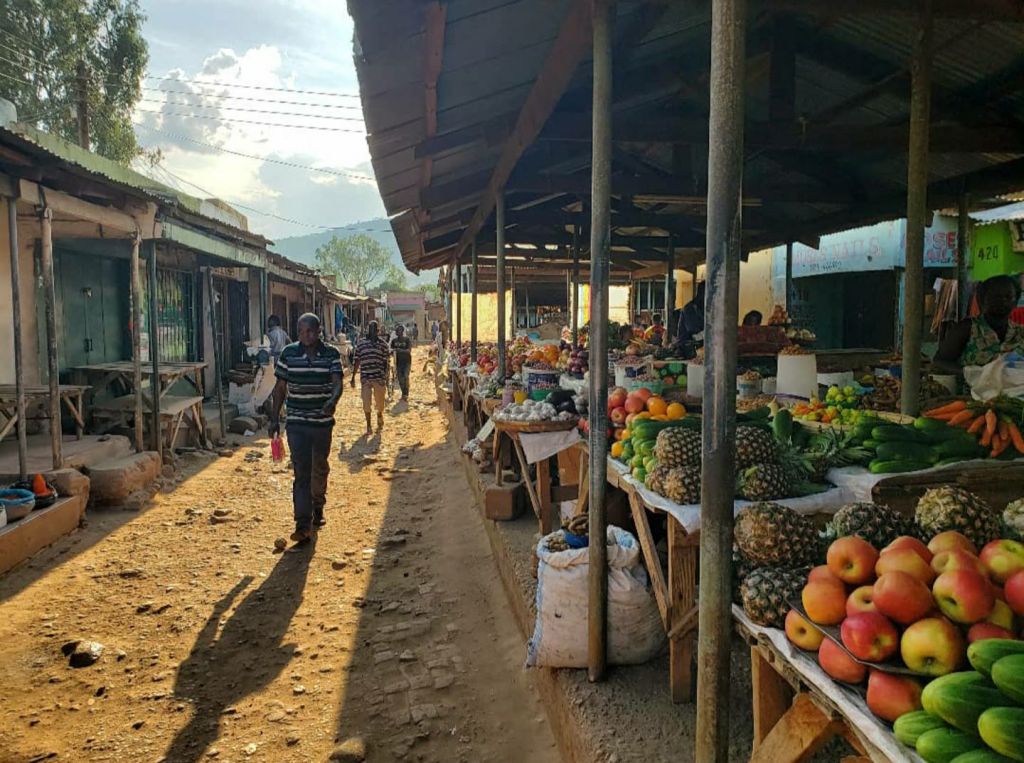
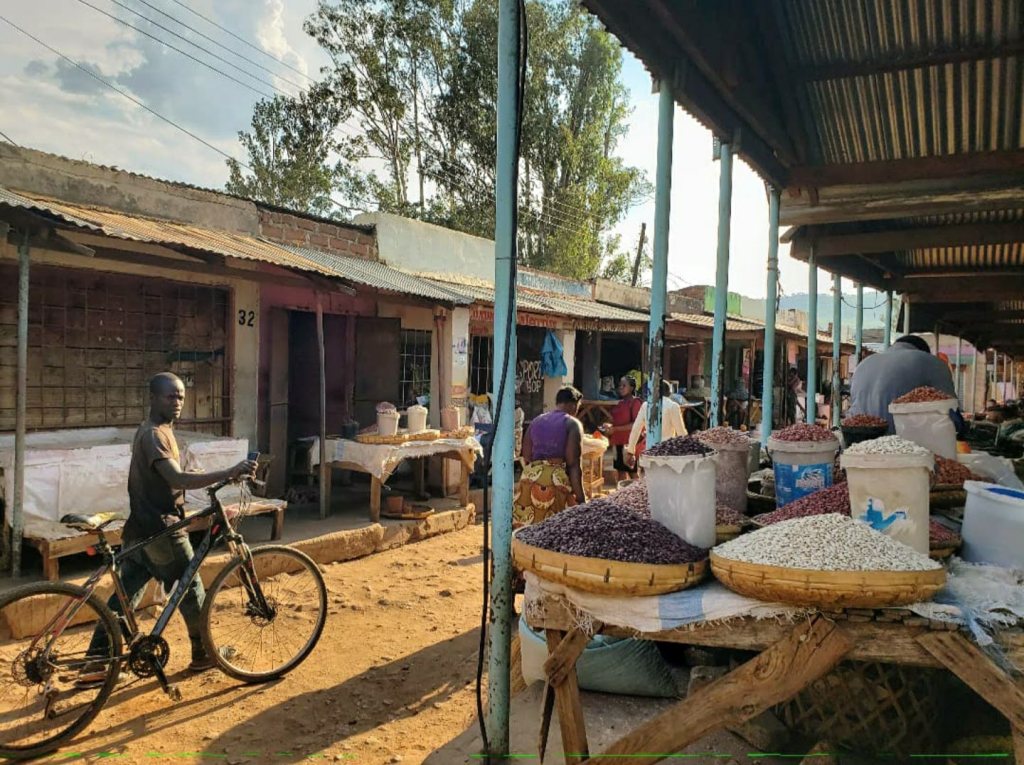
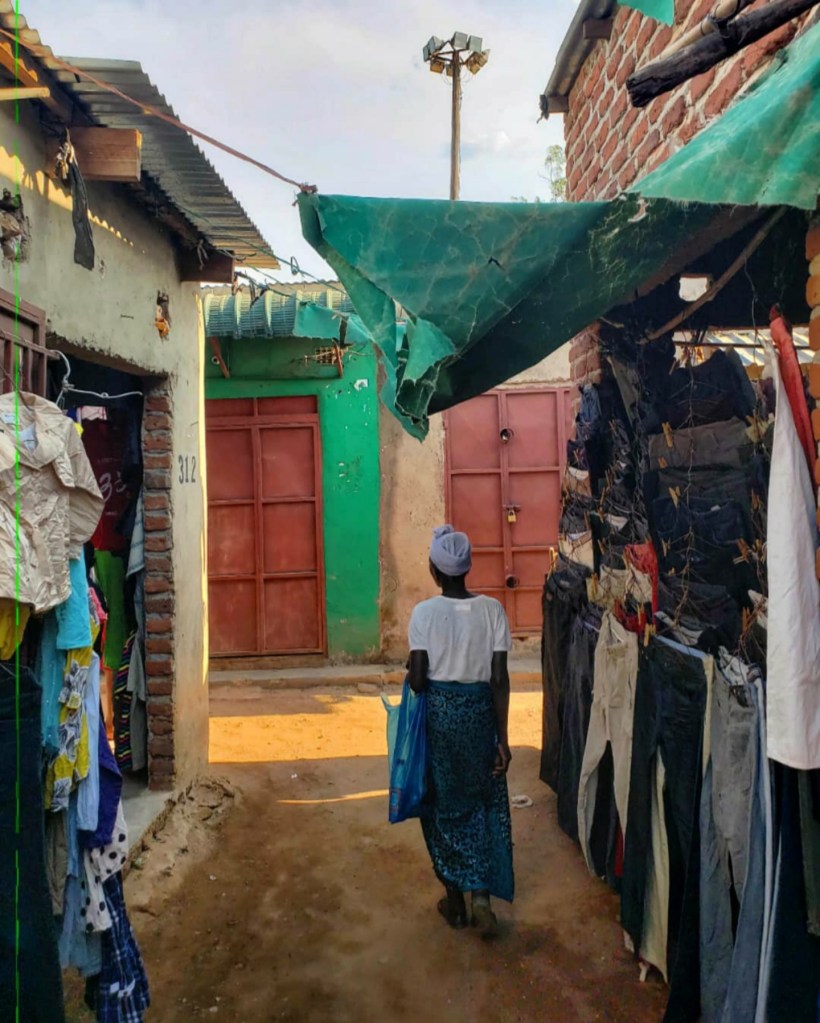
It literally felt like walking through a maze with everything you can think of being sold. You could find fruits and vegetables, seeds and spices, clothing and fabrics, shoe stores and barber shops, or even things like butcheries. Everything is so colorful, and the smells are overwhelming. I loved everything about this market as I felt like I was being fully thrown into this culture with no explanation. Everyone I passed yelled out “Welcome to Chipata” and gave me a thumbs up or wanted a fist bump. I passed buckets of these tiny dried-up, rotting fish and then buckets of dead caterpillars and was told that I’d have a chance to try them later. Of course, that had me very excited, but I’m not sure about the rest of the group. We wandered around this market for a while, and I honestly could’ve stayed all day. I believe that visiting local markets is one of the best ways to get a sense of a city’s culture, and I loved it here!
We eventually left the market and headed into a more mountainous area where the Beaman family (the missionaries we were partnering with) had some property. They showed us around their property where they are growing many different types of fruits and vegetables and even putting in a fish pond. We then had dinner at their property and took time to get to know each other some more before heading back to the hotel.
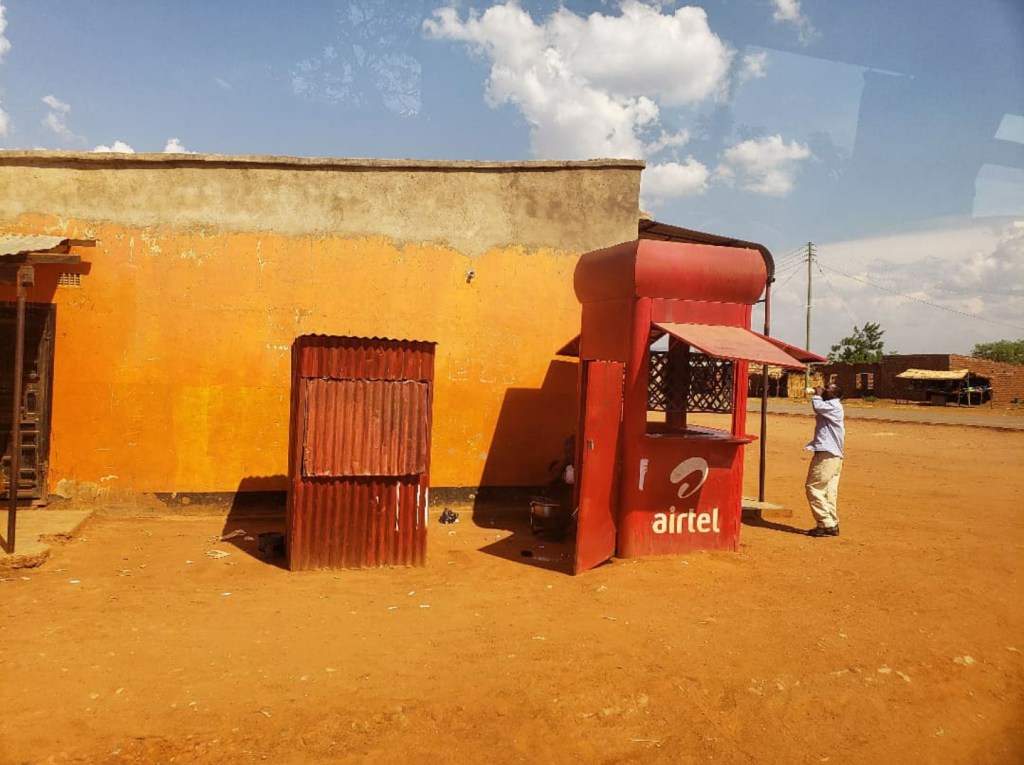
The next morning, I was very excited that it was Sunday. We started getting ready for the church service, and I always love visiting church services in other countries as it’s such a unique experience worshiping with believers who don’t speak the same language as me. We then started making our way to this remote village about 45 minutes from Chipata. I got to ride shotgun again, and the view on this drive would be incredible! Suddenly we’re no longer driving on the left side of the road: we’re driving on whichever side has the fewest potholes. We soon left the city and started driving down dirt roads. Small towns popped up here and there with nothing but dirt roads throughout. Women would walk along the road carrying buckets on their heads, while a guy would pass them on a bike with a goat strapped down on the seat behind him. Cows would occasionally wander into the street, and next thing we know, a couple guys would pass us on a cart being pulled by an ox. And as we pass through the town, we’re leaving everything and everyone behind us in a thick cloud of dust. It’s hard to explain what places like these are like unless you’ve actually been.
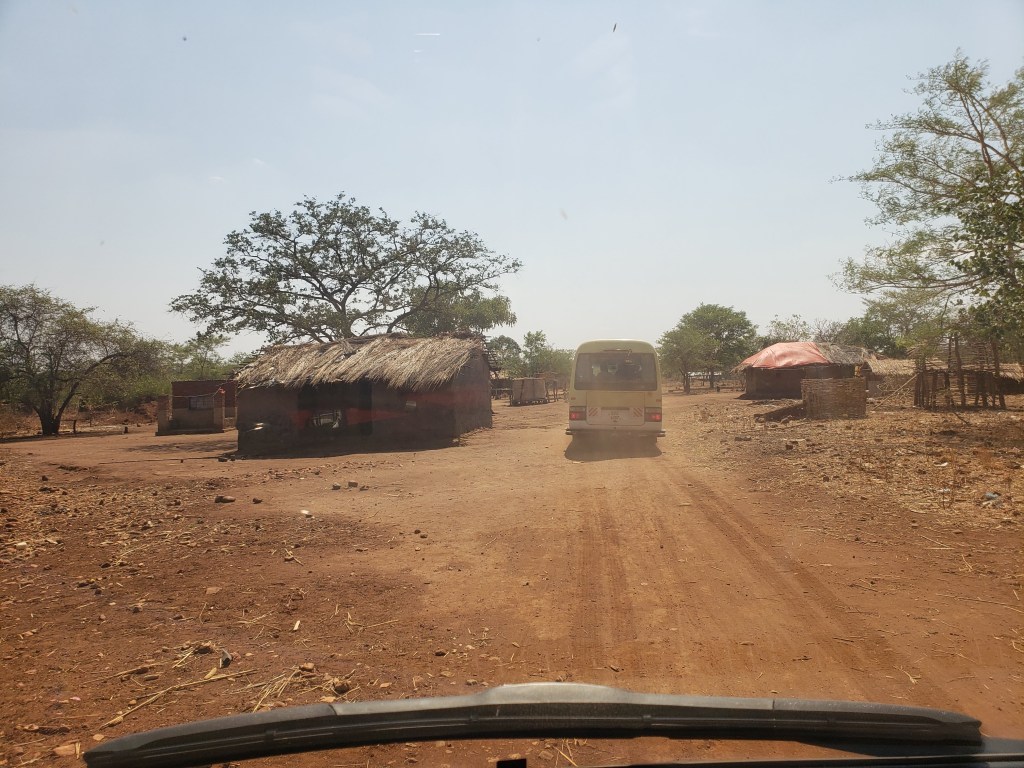
We then turned off those roads and started heading into the villages. Buildings turned into huts, and the environment began to apear much more rural. The local culture in these villages is subsistence farming, as they grow enough food and raise enough animals to feed their own family but don’t try to sell any of it for profit. As a result, they don’t have much, but they have just enough to get by. There were goats, pigs, cows, and chickens wandering around everywhere I looked. Smiling faces greeted us as we passed by, and kids would run up to wave at us. We finally reached Muma Village, the one we’d be working in for the rest of the week, and right at the far corner of the village was a church building. We went inside, and they had men sitting on one side and women sitting on the other. We found our seats, and the service started soon after.
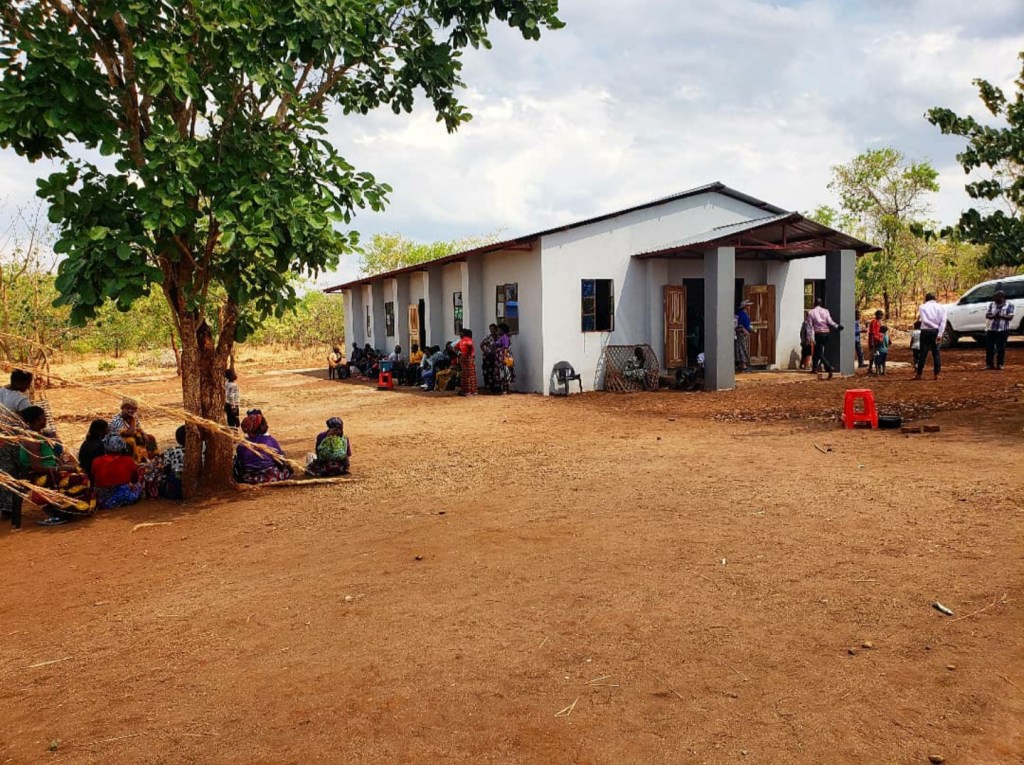
A group of women sang some specials to start the service off. They came in from the main entrance at the back of the auditorium and walked up the center aisle to the stage, singing in their language the entire time. They then sang several songs on the stage before heading back down the center aisle and out the main entrance. We then sang as a congregation, and we were given hymnals in the local Nyanja language so we could follow along. The worship leader was a very good singer, and I was shocked at how easy it was to follow along in a language I had never heard of before. Even Spanish songs are difficult to follow along with at times (and don’t get me started on Romanian), but I seemed to catch on with this one pretty quickly. Though we may not speak the same language, we can all worship the same Savior together, and there’s nothing like it! It’s like getting a small glimpse into heaven where every nation, tribe, and tongue will be represented at the throne of God. Pastor Beaman preached a salvation message before more singing, and soon the service was over.
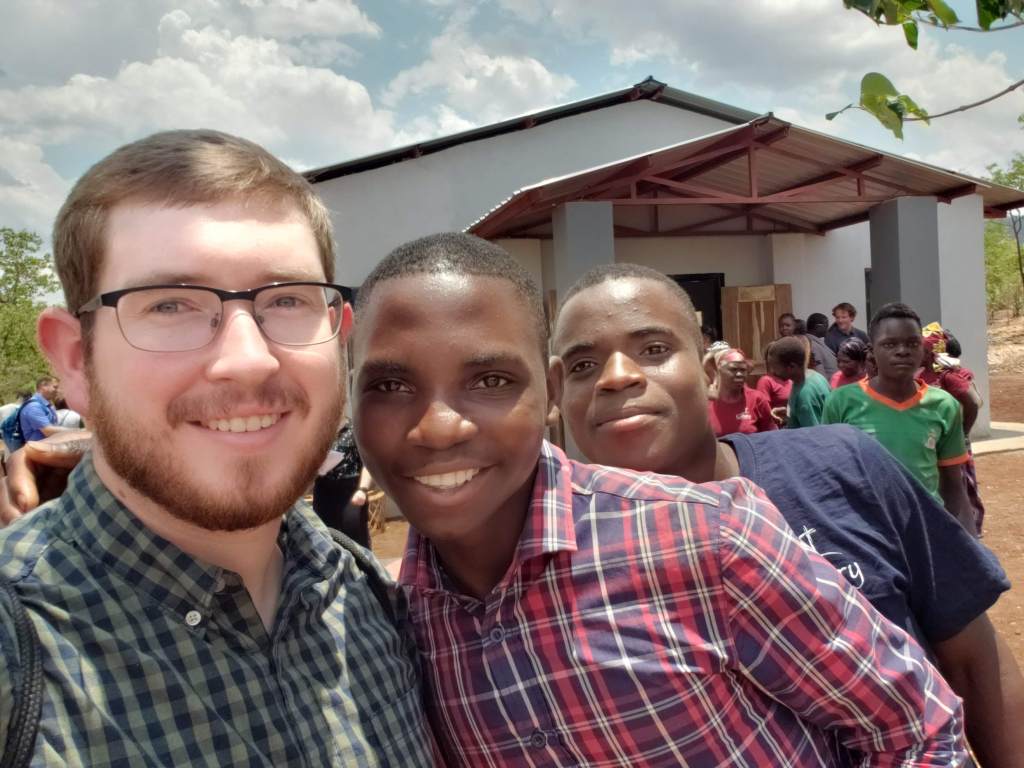
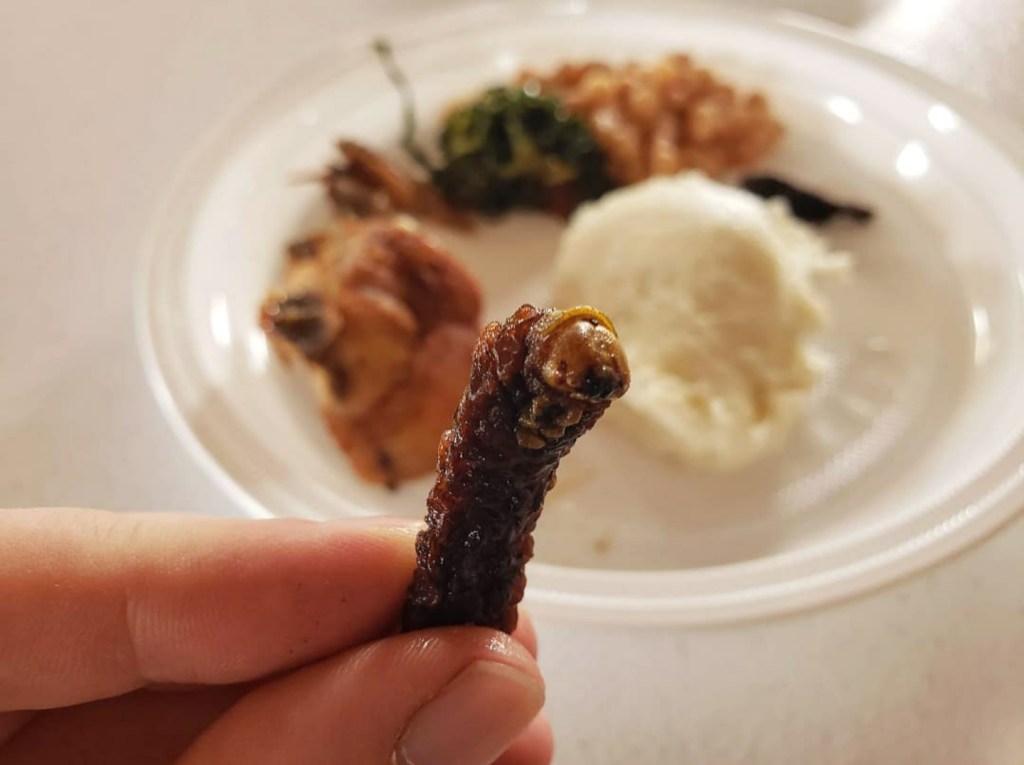
After speaking with the church members for a while, we had lunch at the church where we ate some local food as the locals do: with our hands. The most popular traditional food of Zambia is called nshima. If you’ve had ugali, it’s basically the same thing- it’s just cornmeal, and to me it’s very bland, though I know many people enjoy it. Then there was some chicken, beans, and greens. It was all fine but not what I’d want to eat on a regular basis. But the two things that stood out the most because of how unique they are were the tiny fish and caterpillars we picked up from the market. Most of us were interested in trying them, though not everyone did. First, I had to try the caterpillar. There was initially a loud crunch when biting into it, but then it became very chewy. There wasn’t much flavor at all, and the chewiness made it hard to swallow. Once I finally got that down, I had to try the fish, and I had a much stronger reaction to that. Take the dead fish smell and increase it by about 5, then dunk it in salt water, and that’s what it tasted like. I had a much harder time eating the fish than I did the caterpillar.
We then started preparing for the first day of clinics after lunch. We still didn’t have any of our equipment, but we promised this village we’d hold medical clinics, so we were going to do what we could with our limited resources. Because it was impossible to hold an optical clinic without glasses, I had to step up and help in a different area. So I was assigned to help keep the clinic running smoothly by directing patients. No, it’s not as satisfying as giving someone sight for the first time, but it’s what was needed, so I’ll gladly help. The patients first come to the registration table/triage where they describe their chief complaints and get their initial temperature, weight, etc. recorded. Here, they were also asked typical Covid questions, so we got an idea of whether or not they could potentially test positive. We would have a separate line for them in order to keep them away from the rest of our patients.
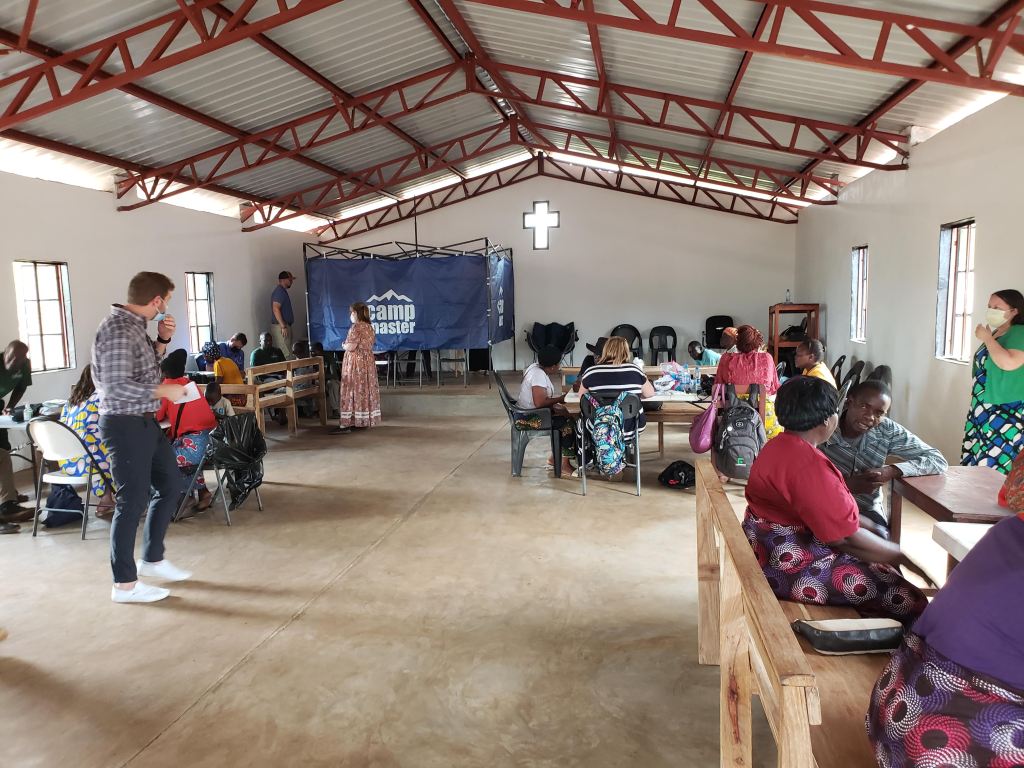
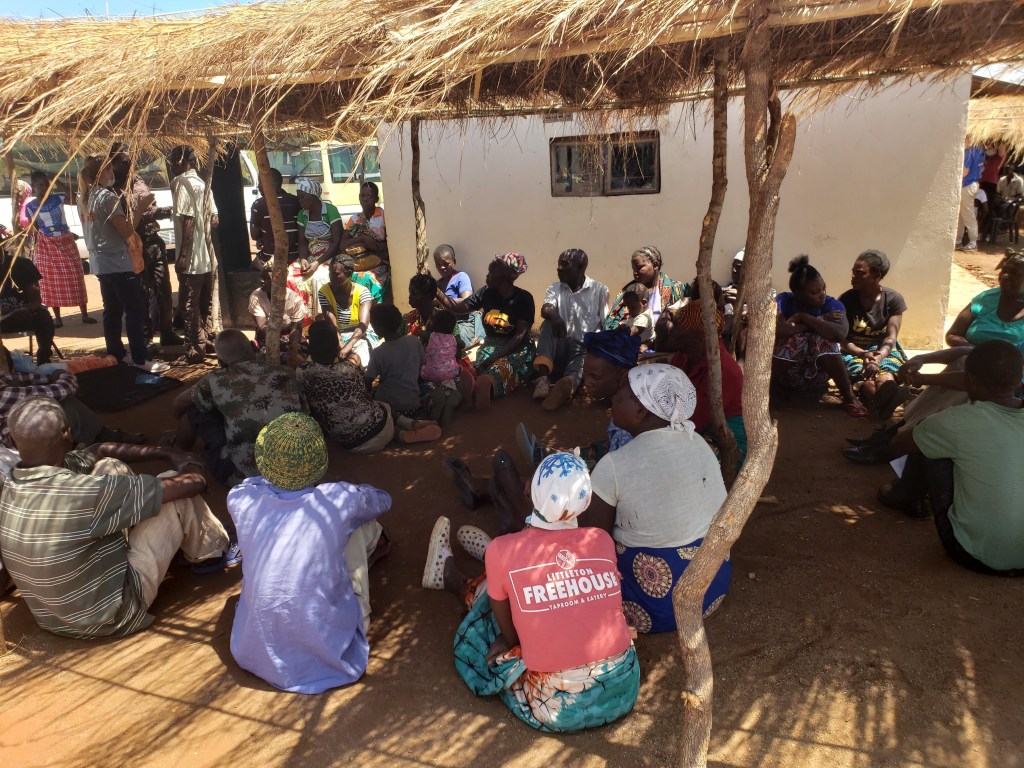
Patients would then be directed into the church building where they would see a doctor or nurse and get medications prescribed to them. All we could really tell them after this point is to come back tomorrow to see if our medicine has arrived yet. I would then direct them to another building where the church members would talk to each person individually about salvation. I also got to be one of the first patients for the physical therapy team as my knee was really bothering me at this point. We had a smooth first day of clinics, but it was really frustrating not being able to give our patients the medications promised to them. All we could really do is pray that it gets released from the airport.
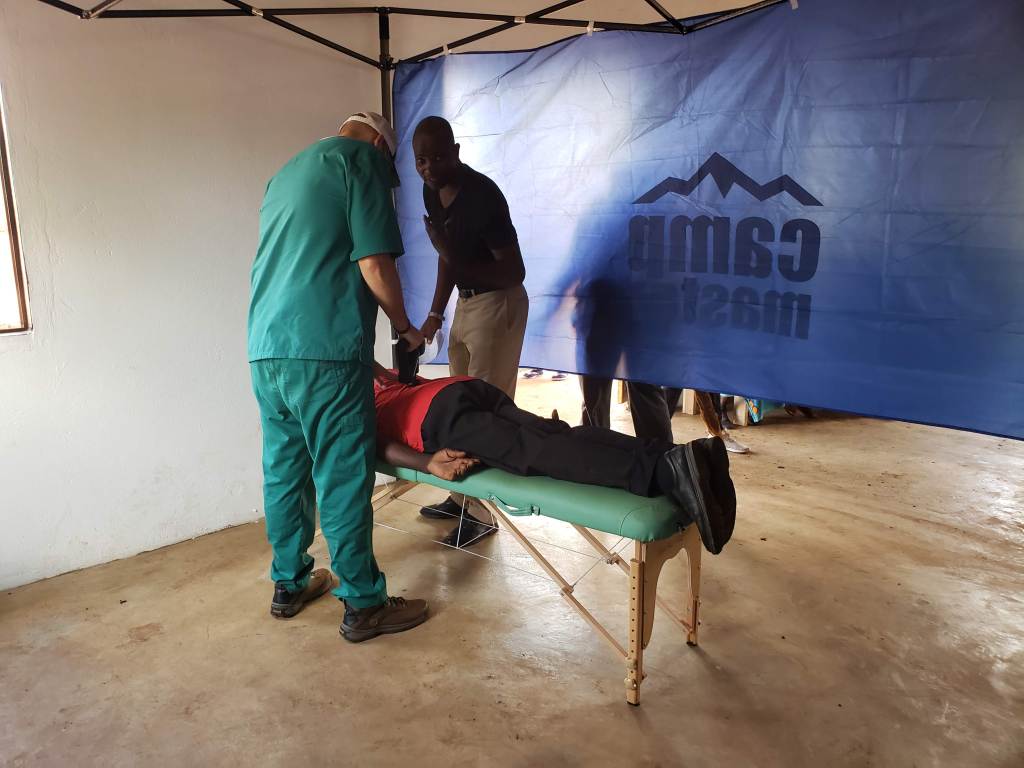
Monday morning came, and we headed back out to Muma Village for our first full day of clinics. We were praying that the airport in Lusaka would release our equipment so we could have it on Tuesday, but it started to look like that was not going to happen. We had gotten approval from the government prior to coming, so it was frustrating that they wouldn’t release it. But it turns out that there was an election between getting the approval and showing up. A different party won the election, and the current administration didn’t want to honor what the previous administration had approved. Every time we’d call in, we would get transferred to the same person who refused to help. So Monday was another day of telling patients to come back tomorrow to see if we have our medicine yet.
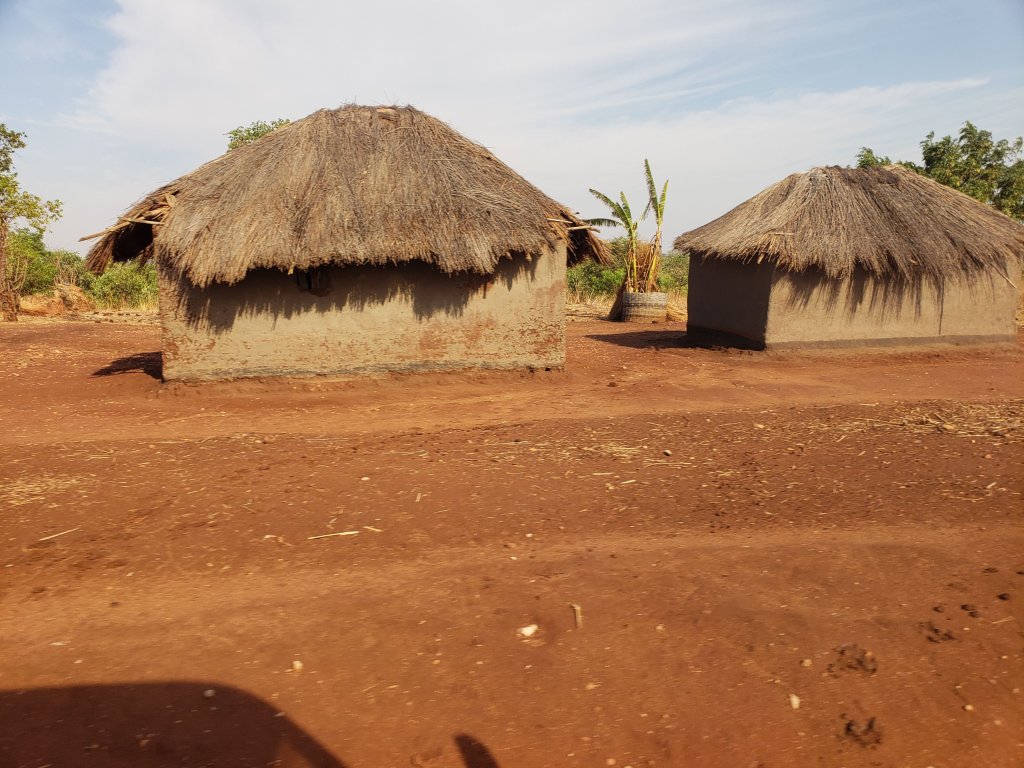
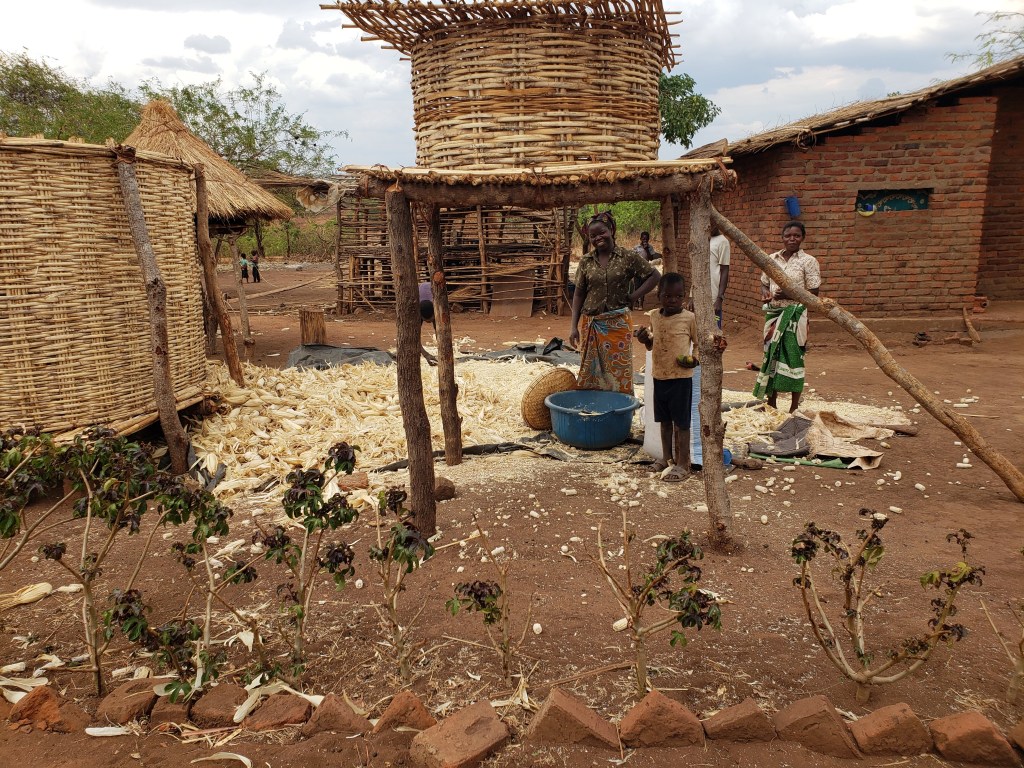
When we reached a slow point in the clinic, I decided to head out into the village to meet the people there. Several team members came with me, and this was such a unique experience. Several families were hanging out by their homes, and one family in particular was shucking corn. We couldn’t speak to them verbally, but we were still able to communicate, and they were very kind. I loved having this opportunity to meet people from a completely different lifestyle than I’ll ever see in the US and connect with them for a moment. While moments like this make me thankful for the life I’ve been given, it also makes me wish I could understand a little more what it’s like to grow up in a village like this. These are the experiences I’ll remember most later on: Safaris and markets are cool, but getting to connect with people in a remote African village, a culture that is almost completely opposite from everything I’ve ever known, is something you can’t replicate.
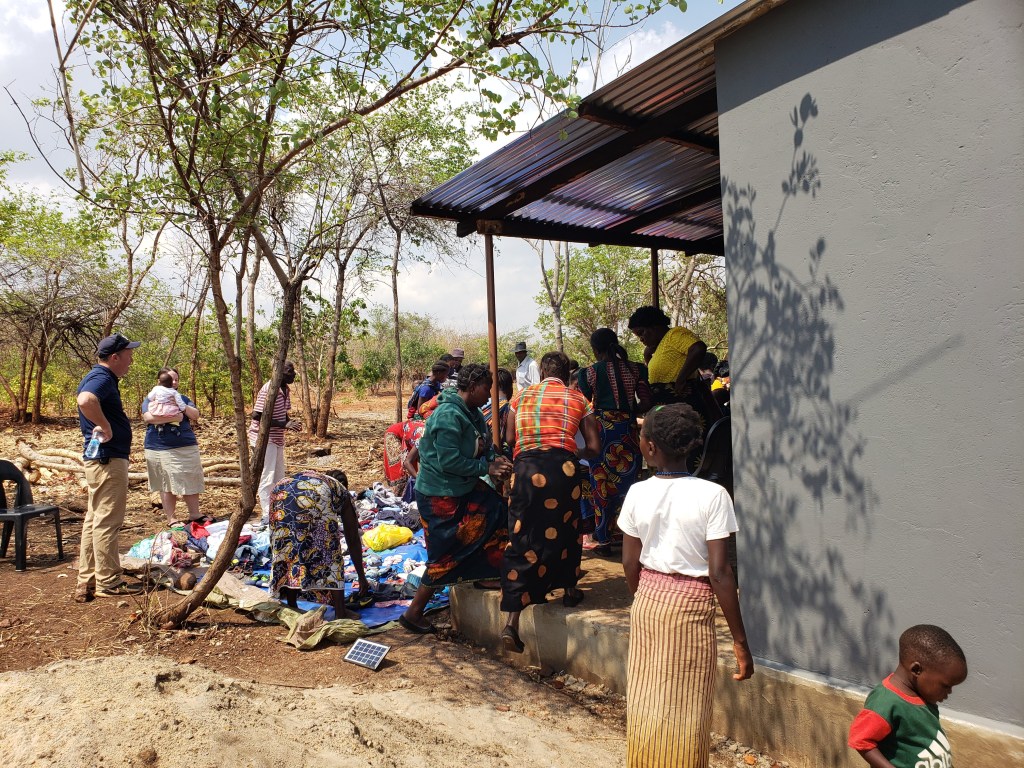
Tuesday came, and it had rained overnight, which really helped get rid of the dust clouds that had loomed over the village. It made me understand why you would “bless the rains down in Africa.” But unfortunately, the airport still refused to release our equipment. What was very frustrating was that many of our patients had been walking 7-8 miles each day only to show up and find out we still didn’t have their medicine. I was worried that this would start to give the ministry a negative perception in the village when we’re there to help them. I love what the Beaman family is doing in this village and wouldn’t want this to hurt their ministry in any way. But to make things interesting today, we had bins of donated clothes to give out. Because they don’t have much money, many villagers can’t afford clothes, so it means a lot when someone’s able to give them clothes for free. A long line soon started to form, and I was asked to help with crowd control.
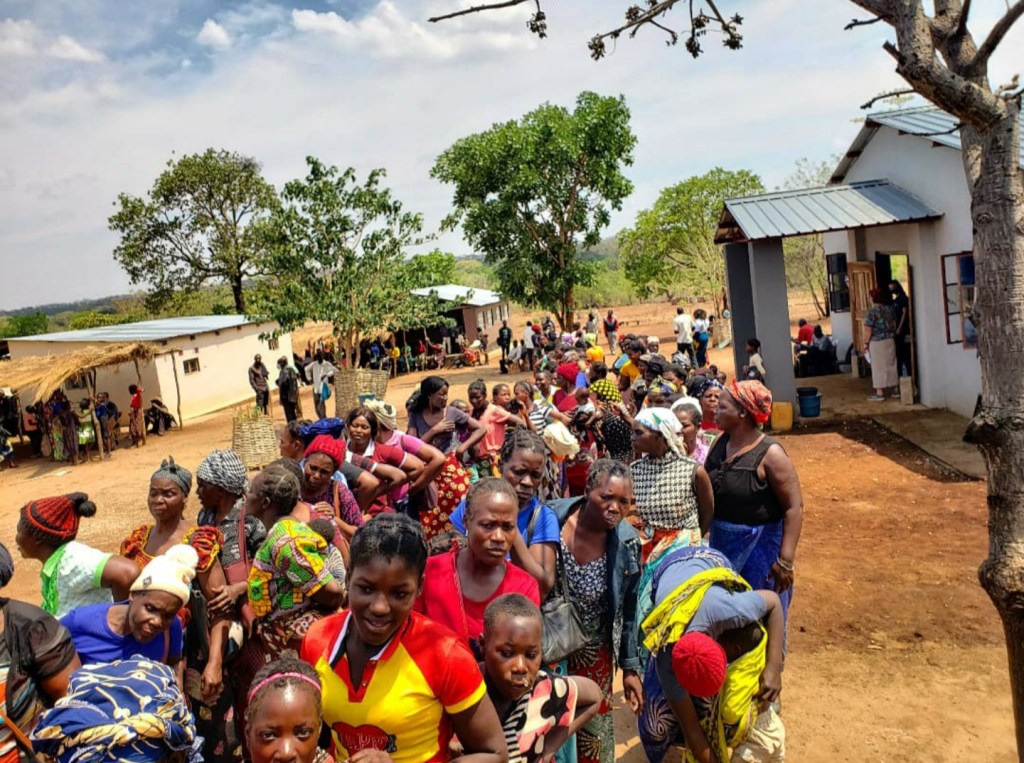
In order to keep things flowing smoothly, we would only allow 5 people to go at a time. They would look through the pile of clothes, take what they need, and leave so the next group could go. This system seemed to work for most of the day. But then as it got later, some started to get impatient, and a rebellion was formed. Suddenly, the entire line of people decided they were going to charge toward us and get to the clothes themselves. So I literally had an angry mob charge at me, and there was nothing I could do. Fortunately the church members jumped in and gained control of the situation, and we had to stop giving out clothes for the day.
On Wednesday morning, we were upset to find out the airport still refused to release our equipment, but God provided in a way that we never expected. It turns out that a team that had previously visited months before left behind a few suitcases. When we decided to look through those, we were shocked to find a full pharmacy! We had enough to get everyone the medicine we had prescribed them throughout the week! So for our final full day of clinics, we all had to work together, to label everything, fill prescriptions, get them to the right patients, and educate them on how to use it. We were all being used in ways we had never expected, but we were able to get everyone their medicine!
I love stories like this because we were able to watch God answer prayers but in a completely different way than we expected. We prayed all week that the airport would release our equipment, but instead God gave us a different group’s equipment. Though we weren’t able to hold optical clinics like we had hoped, we were able to successfully hold medical clinics without our equipment ever being released from the airport. With God, nothing is impossible! I have seen God provide in some amazing ways through all the mission trips I’ve taken, and this is certainly up there in my stories. It’s one of the reasons I keep getting drawn back to these trips. In the end we saw hundreds of patients come through our clinic in this small, remote village, and there were multiple professions of faith. I’m very thankful for the opportunity to be a part of this trip!
While I’d love to keep the story going and share about our safaris, I’ll stop it here and finish it next week. Thanks for reading!
 Tyler's Travels