
This is the final part of my Zambia stories. If you want to read the first two, you can find them here and here. After a week of holding medical clinics in the remote Muma Village near Chipata, we had finally reached our last clinic day. Today was Thursday, and we only had a half day planned because we had to make it out to our hotel for the last night by a decent time. We packed everything we would need for the last two days in a backpack and sent our suitcases on a bus to Lusaka where we’d be reunited with them before leaving the country. We then headed back into Muma Village for our final half day of clinics. This last clinic ran smoothly, and we were able to give everyone their medicine now that we actually had some. The airport still refused to release our equipment, but that’s something we’d have to deal with later.
At the end of the clinic, we packed everyone into one bus to head a couple hours away into South Luangwa National Park. Now South Luangwa is a large park on the Luangwa River. This river is known to have the highest concentration of crocodiles and hippos per square mile than any other river in the world. The park is also known for having the largest naturally-occurring leopard population in the world and has historically housed all of the Big Five safari animals. Today, however, only four of the Big Five can be found here. The Big Five consists of the five most dangerous animals according to hunters: elephants, lions, leopards, cape buffalo, and rhinos. The rhino is no longer found in South Luangwa, but the other four are. This designation also has to do with how dangerous they are when wounded, so crocodiles and hippos didn’t make the cut, even though some argue that hippos (responsible for more deaths than any other animal) should be included in the “Big Six” instead.
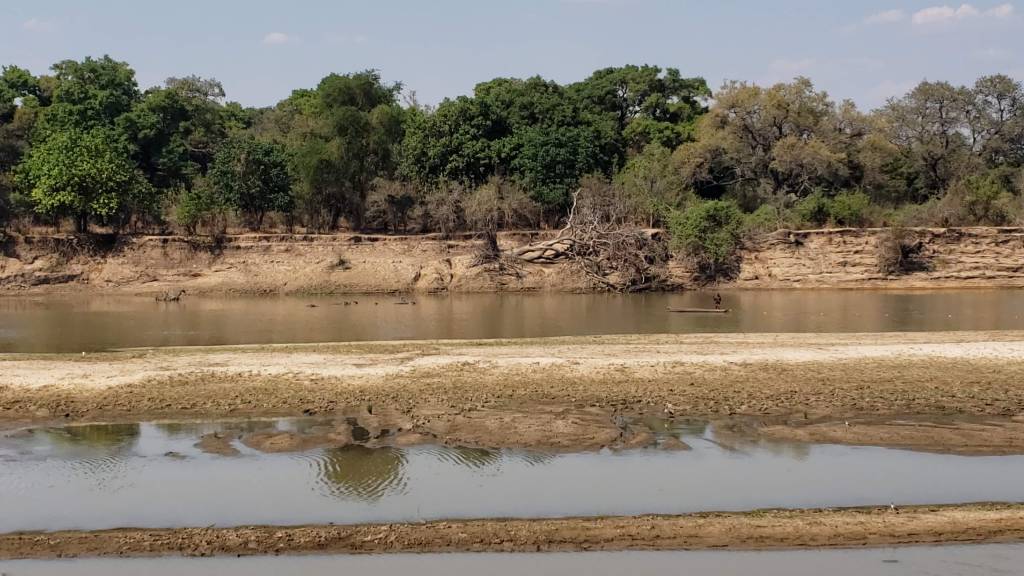
We stayed at Marula Lodge, right on the Luangwa River, and we were actually the lodge’s final guests, as the owners were selling the property to someone else immediately after we left. I would be staying in a tent right by the river, and there was an outdoor shower/toilet on a tree right behind my tent. We were specifically told we cannot have any type of food in our tents at all because the elephants will do whatever they can to break in and steal it, leading to some very dangerous situations. The animals in South Luangwa are completely wild and have free range, so elephants and hippos do regularly wander into the lodge.
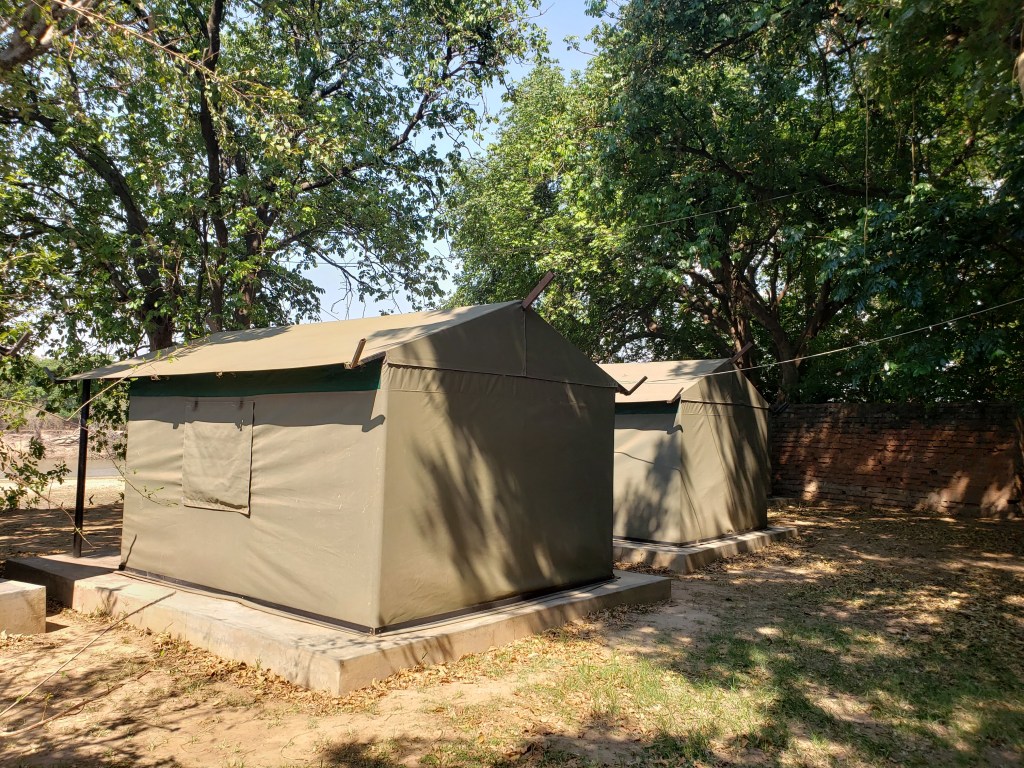
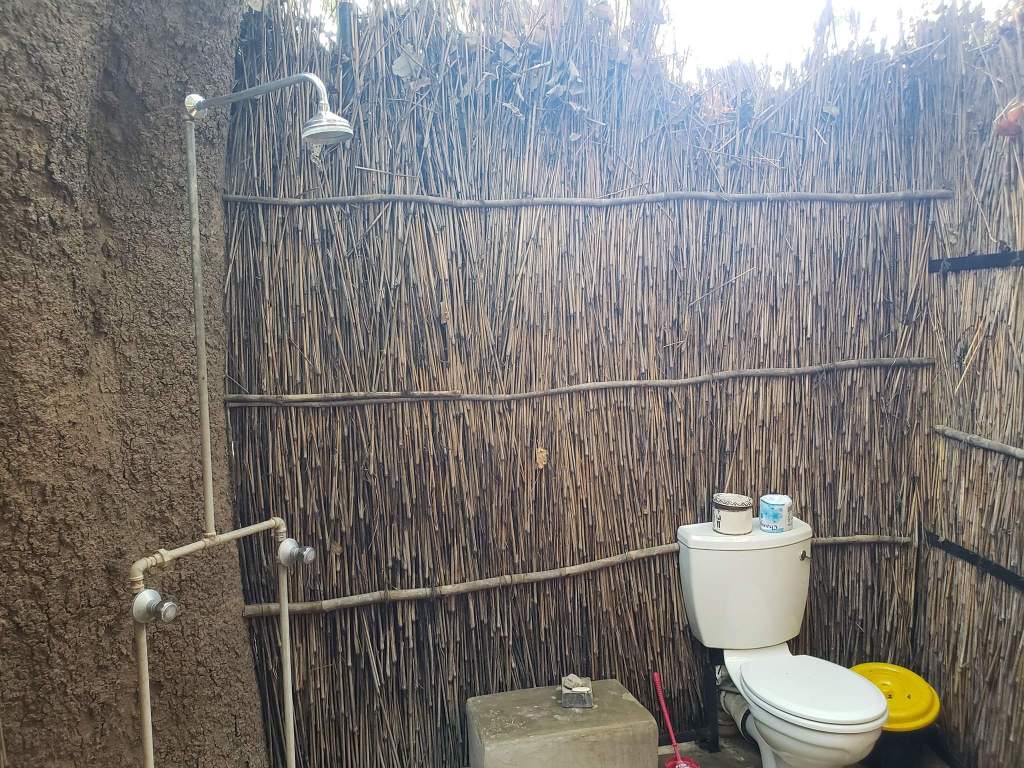
As I was setting all my stuff in my tent, I watched a group of hippos in the river, saw a couple crocodiles stick their heads out of the water, saw monkeys swinging in the trees above, and even saw a waterbuck wandering around right by my bathroom. We asked if it would be possible to swim across the river, and we were told that the crocodiles would get to us before we had a chance. There’s one crocodile in particular that is known to be responsible for many deaths over the years, so this is not something to joke about. I also heard stories of lions attacking people riding bikes in the area and met a guy whose uncle had recently been killed by an elephant. As fun as it is to visit places like this, you have to be responsible. We were soon told to meet for tea and then boarded our 4WD vehicles to start our evening safari.
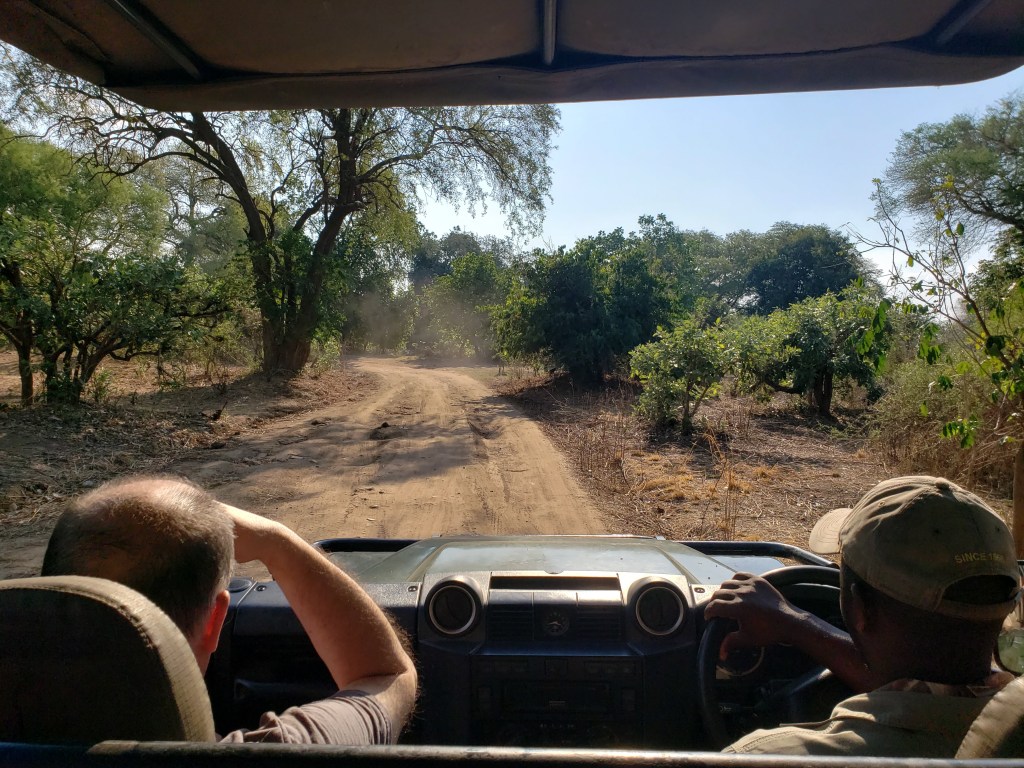
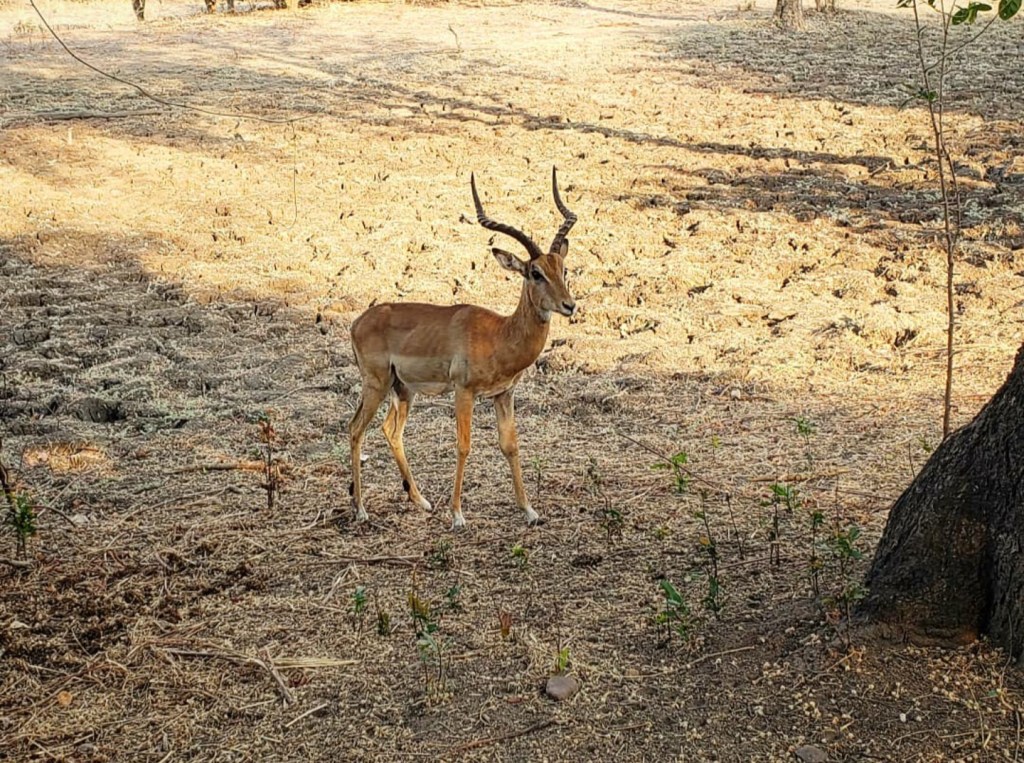
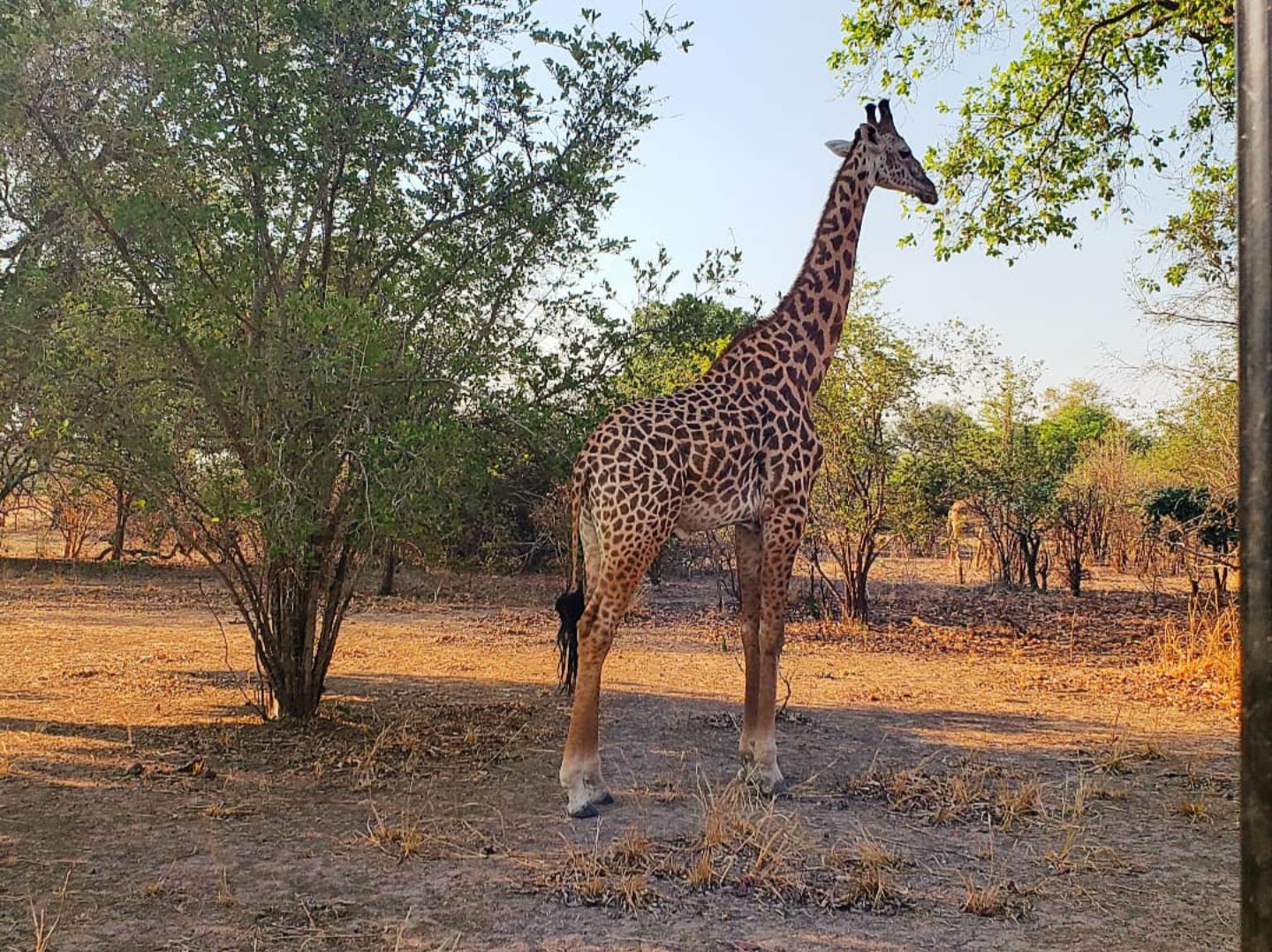
The safari started out kinda slow with impalas popping up within view every now and then. But soon our guide Donald spotted a giraffe in the distance, so we headed over to see it.
Giraffes are so cool to see in the wild! This particular species of giraffe is known as Thornicroft’s Giraffe and is only found here.
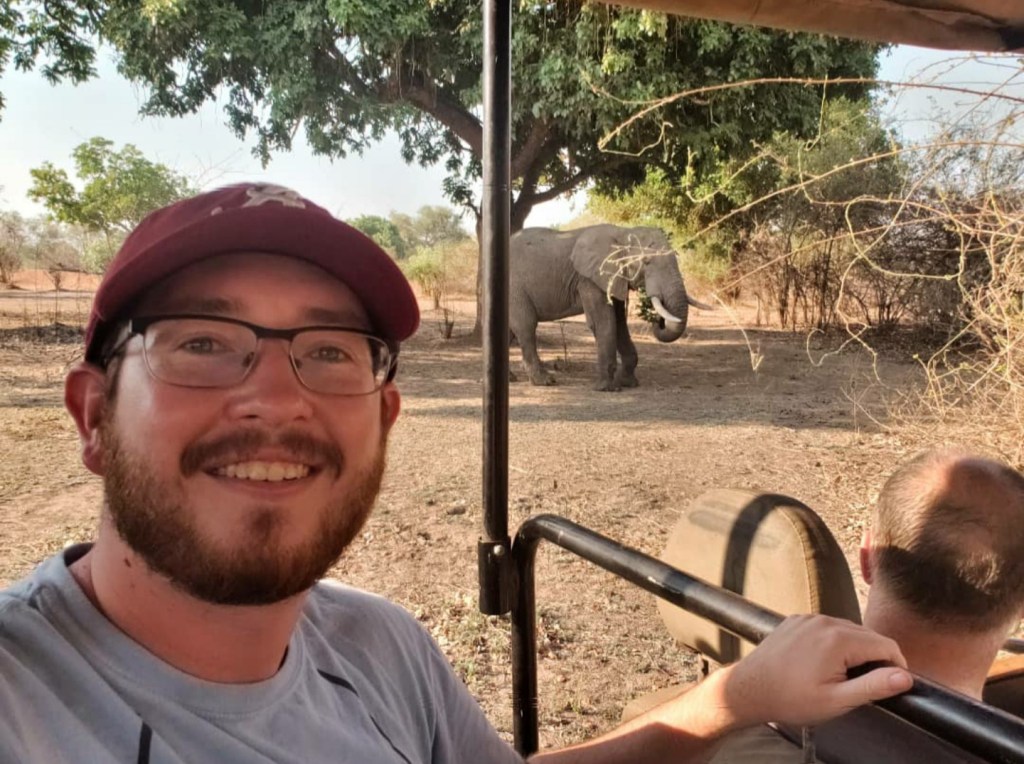
Next thing we knew, Donald spotted an elephant, so we rode over to see it.
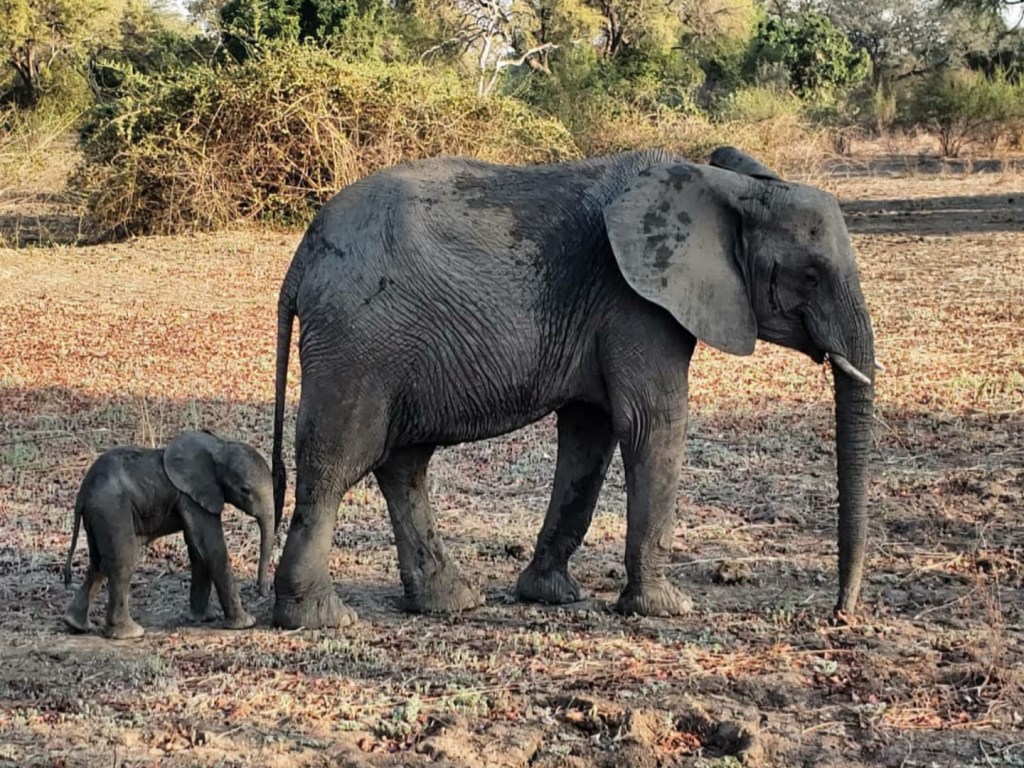
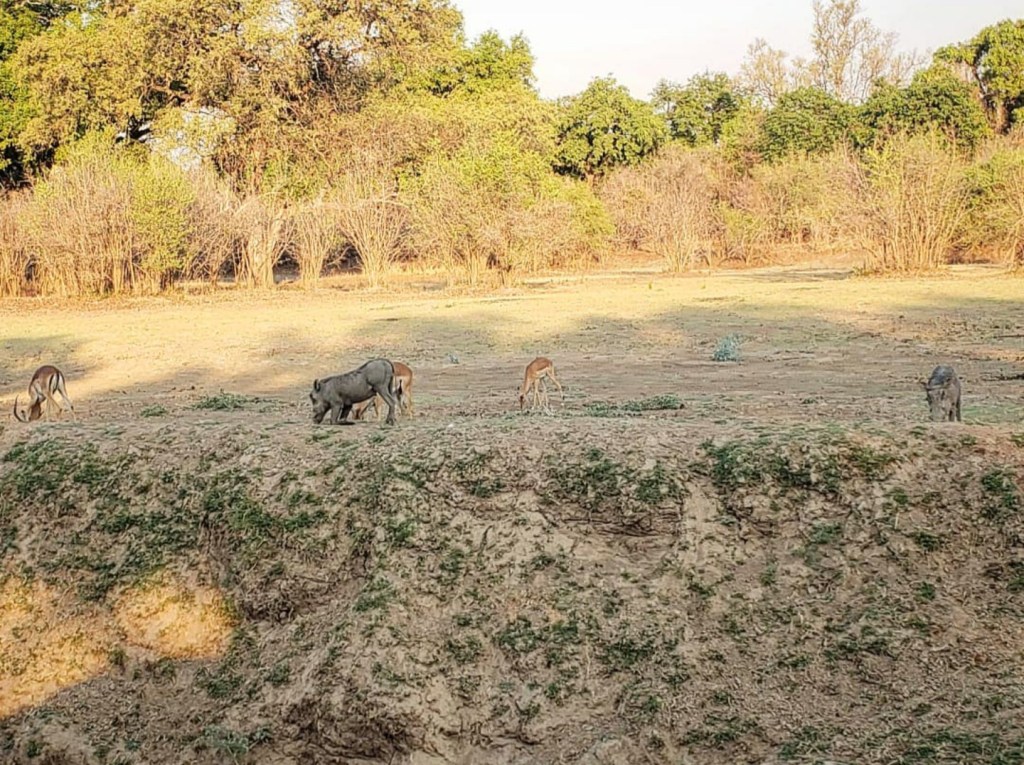
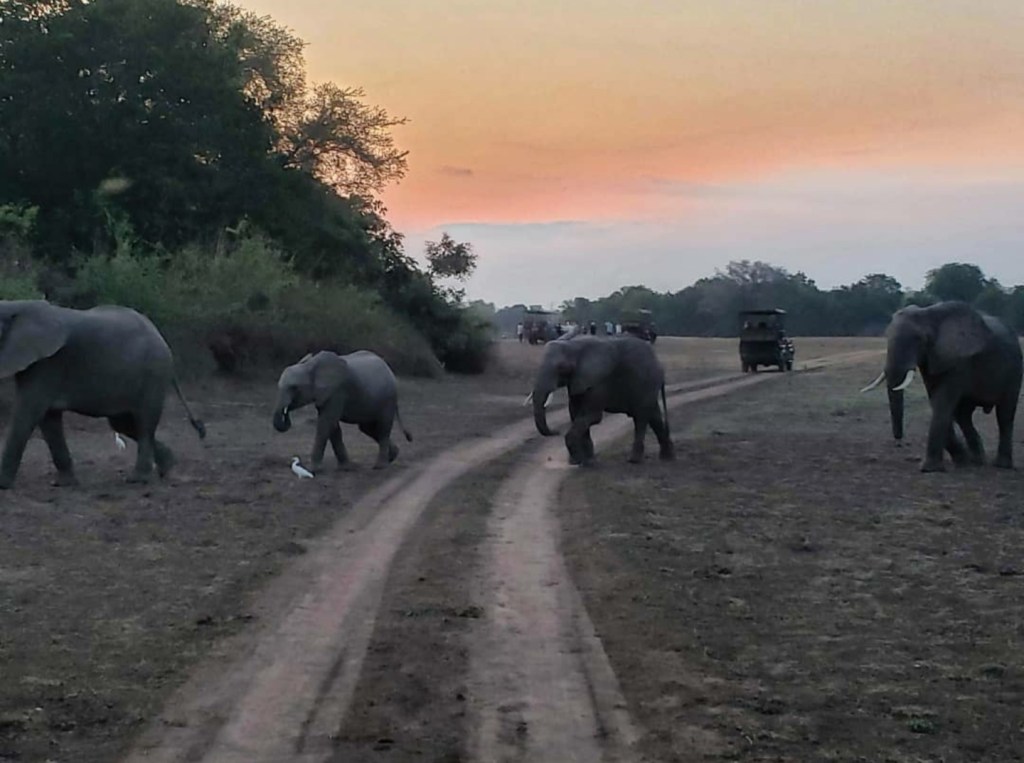
Next, we started driving around looking for more animals. Other safari guides would occasionally drive up to us, and they would talk in their language about which areas they saw certain animals in. We occasionally saw warthogs and waterbucks before finding a group of elephants with a baby following them (picture at the top of this post).
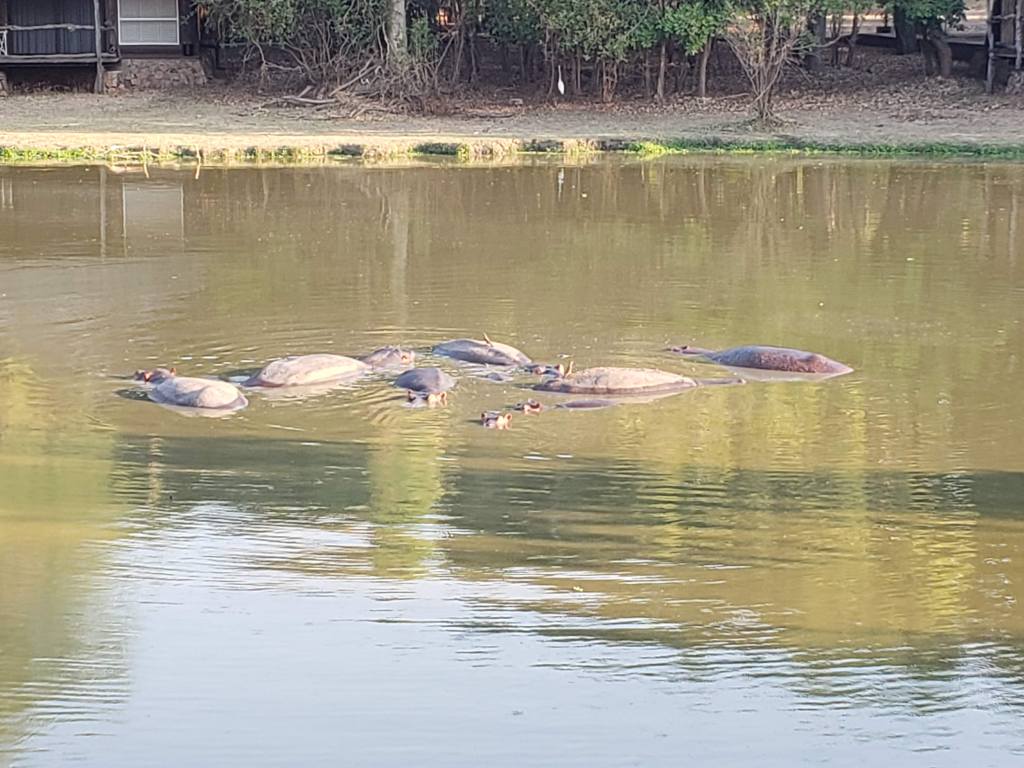
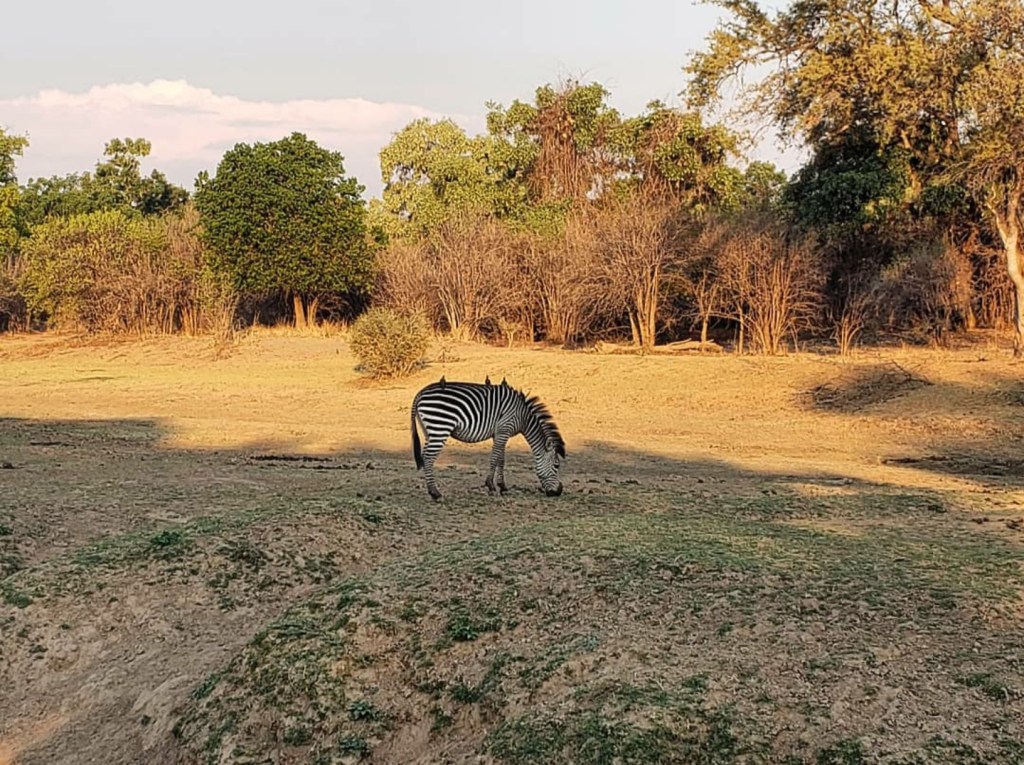
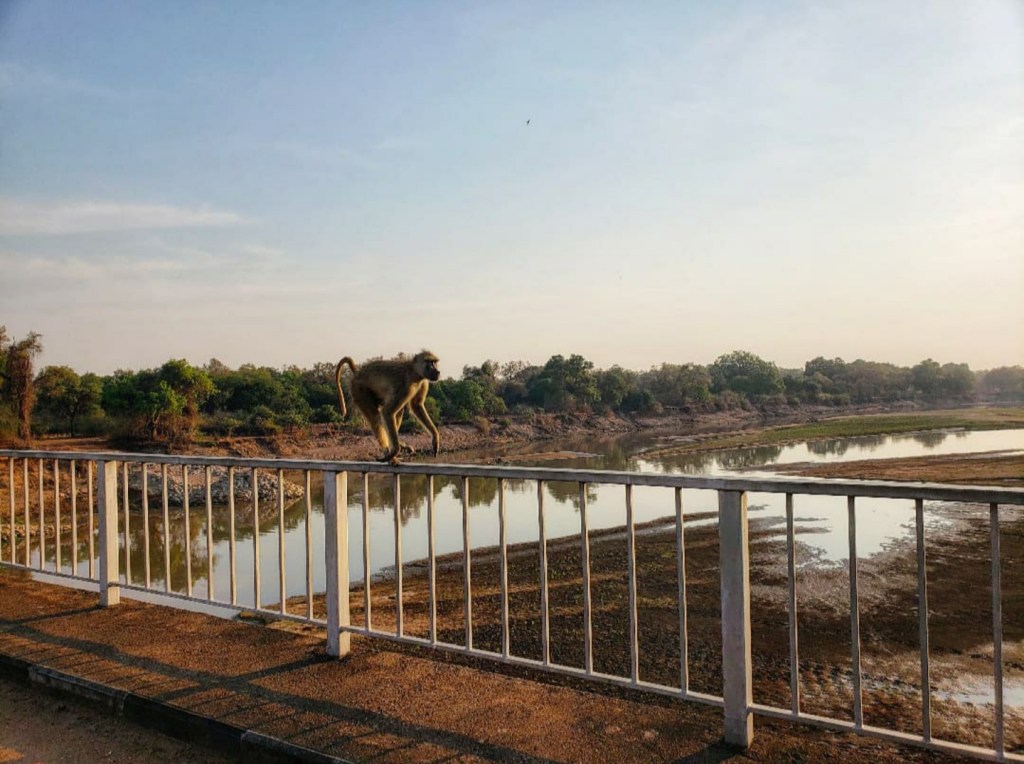
Next, we saw a cape buffalo, some crocodiles, hippos, baboons, and zebras before the sun started going down.
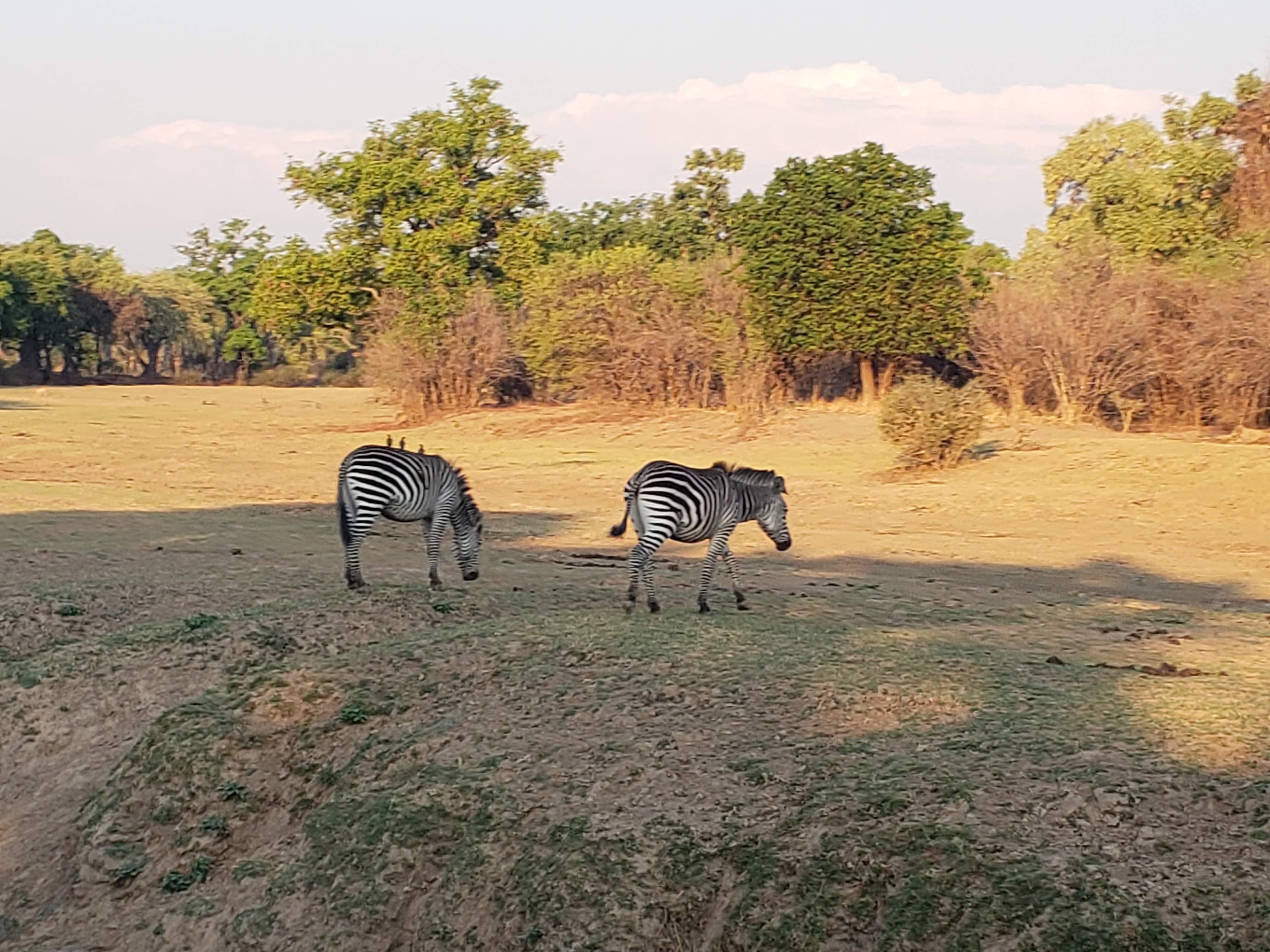
This species of zebra, called Crawshay’s Zebra, is only found here.
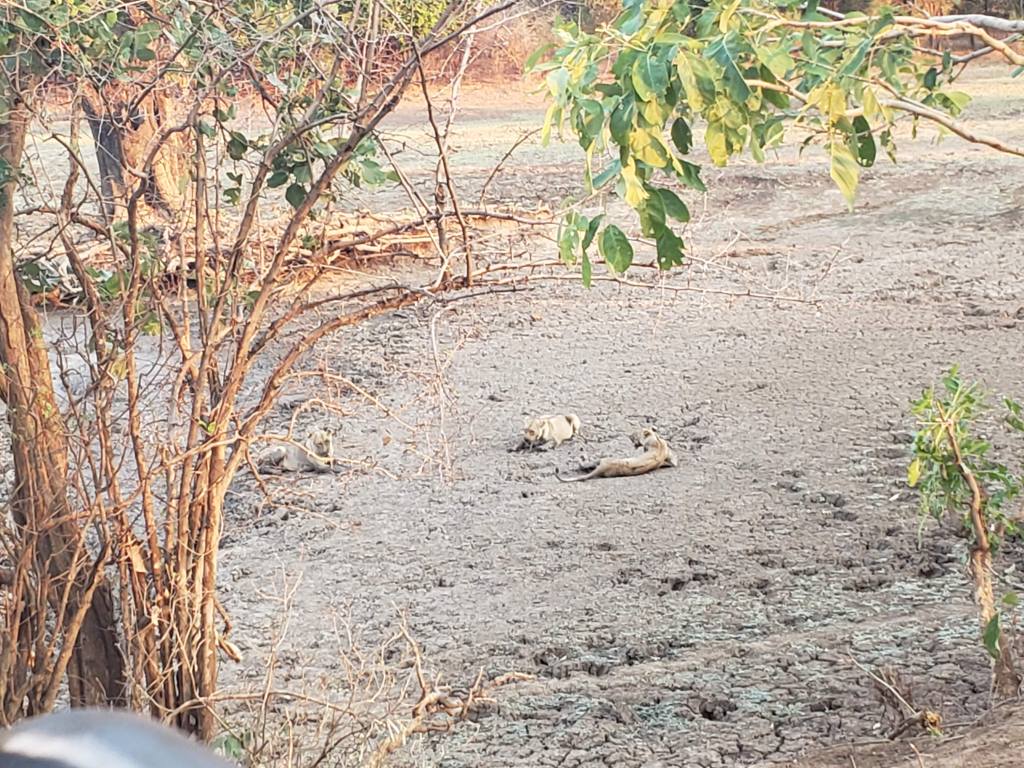
As it stated to get darker, we found a group of lions laying by the mud. There was actually a hippo right next to them in the mud, but it was safe because cats don’t like water.
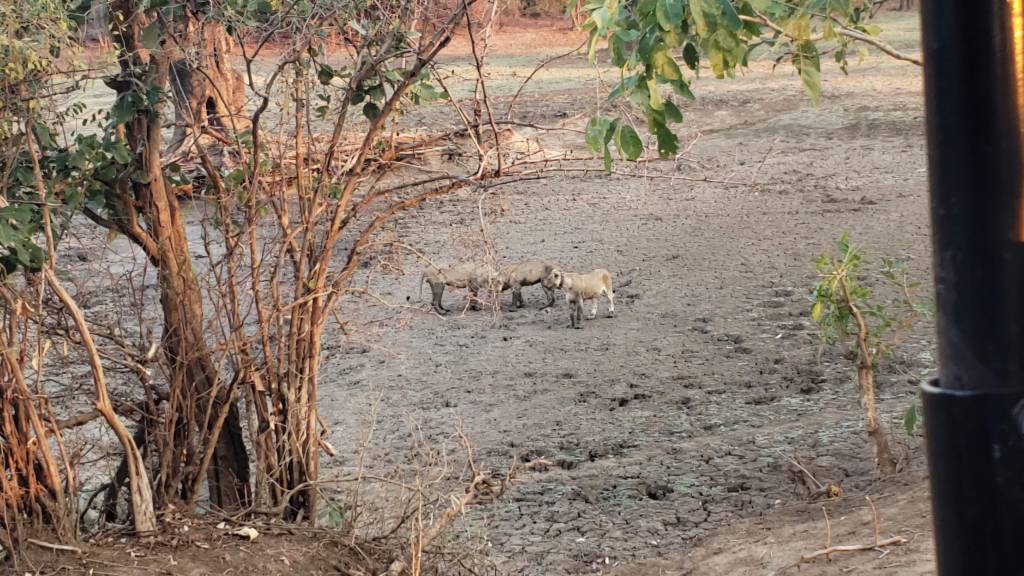
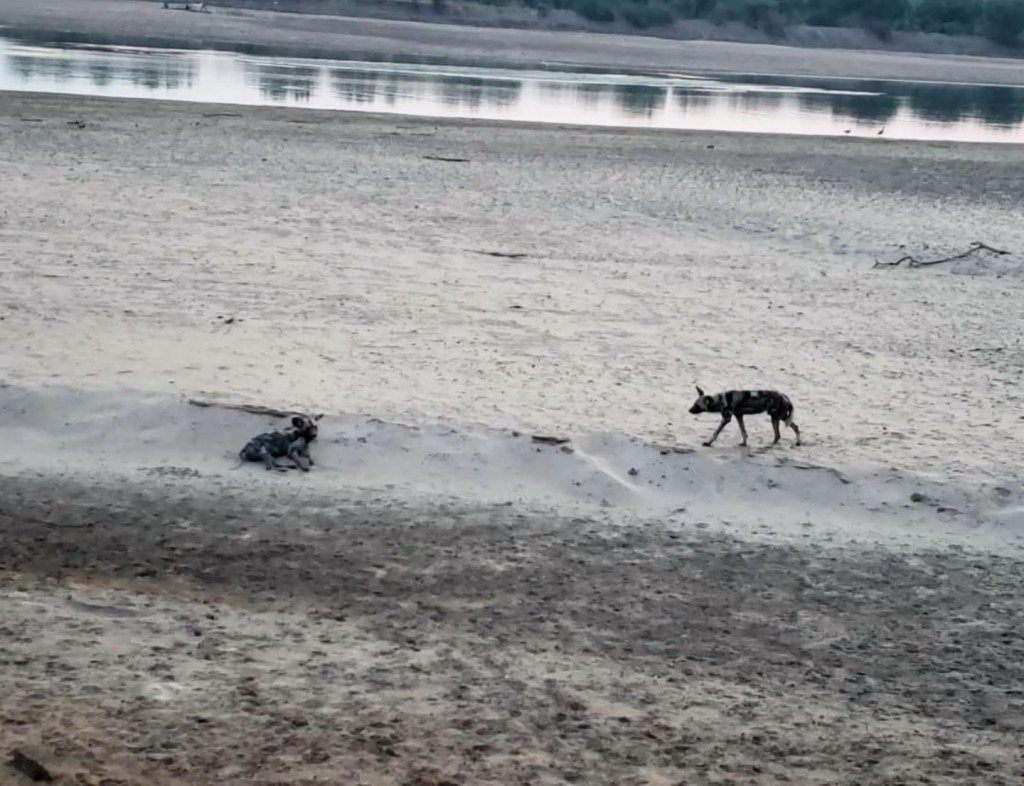
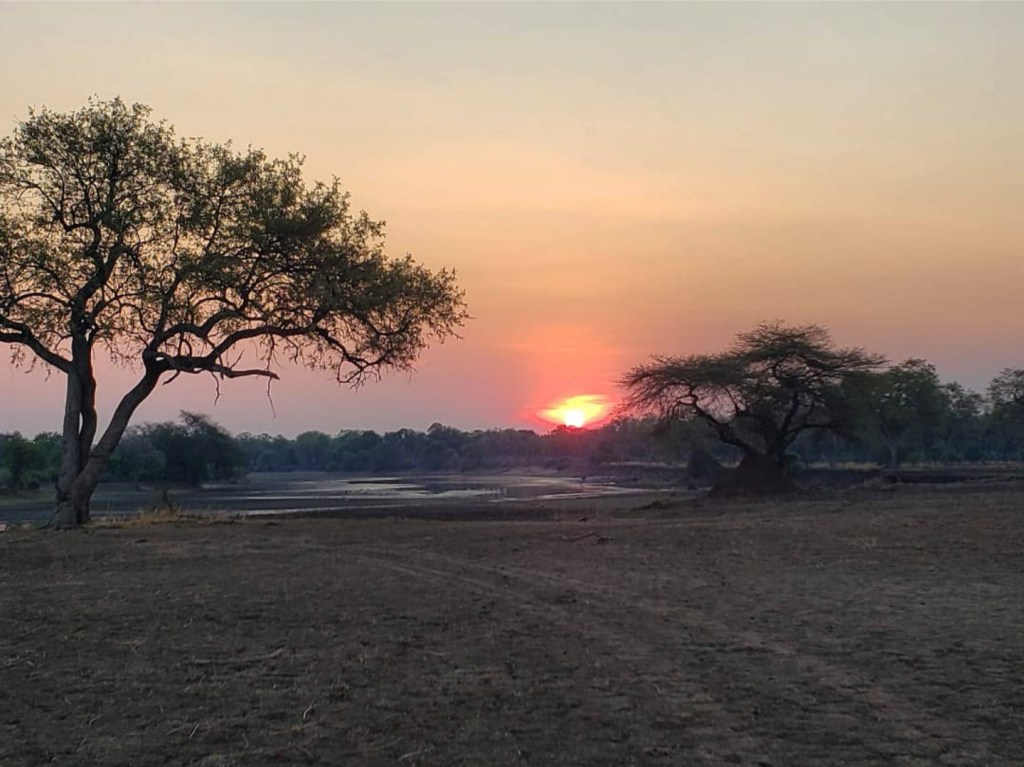
We started watching the sun set and then came across some African wild dogs. They are different than hyenas, so don’t get them confused!
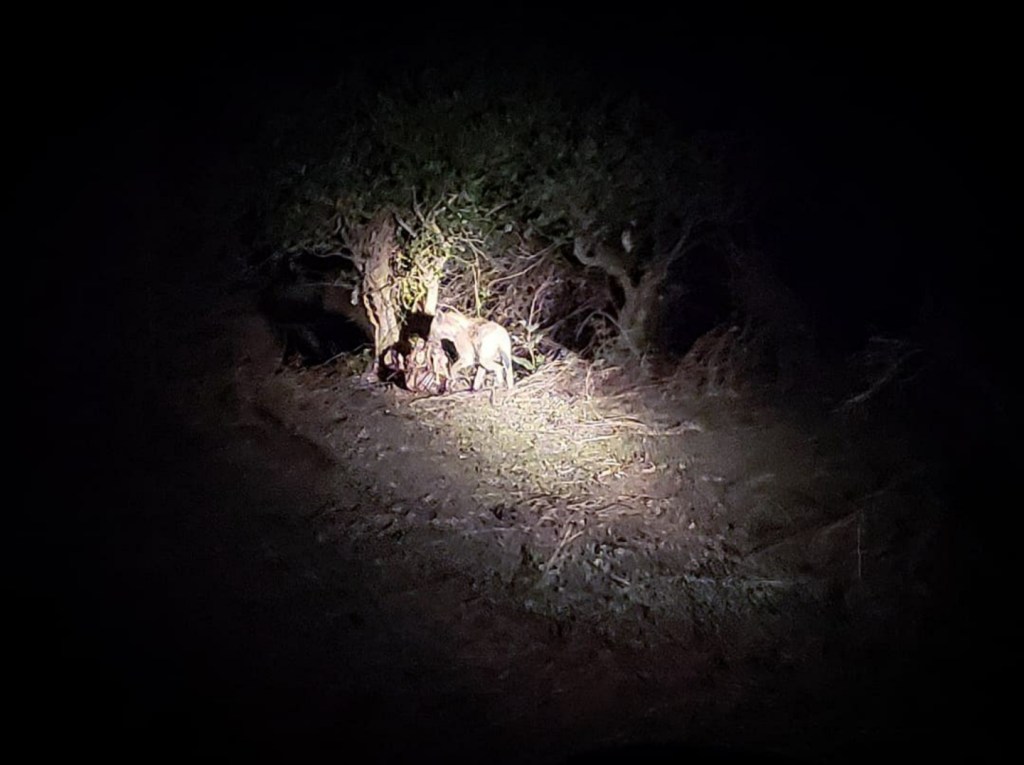
We then started the night portion of the safari where we would shine a spotlight, looking for animals. We did see a hyena here, along with a hippo and elephant, but my pictures from the night portion didn’t turn out that great.
We soon headed back to the lodge, where I got a shower and headed to bed. Fortunately we had a mosquito net over us to help prevent malaria. The next morning, I took another shower because it was very hot and then got ready for our morning safari which left very early.
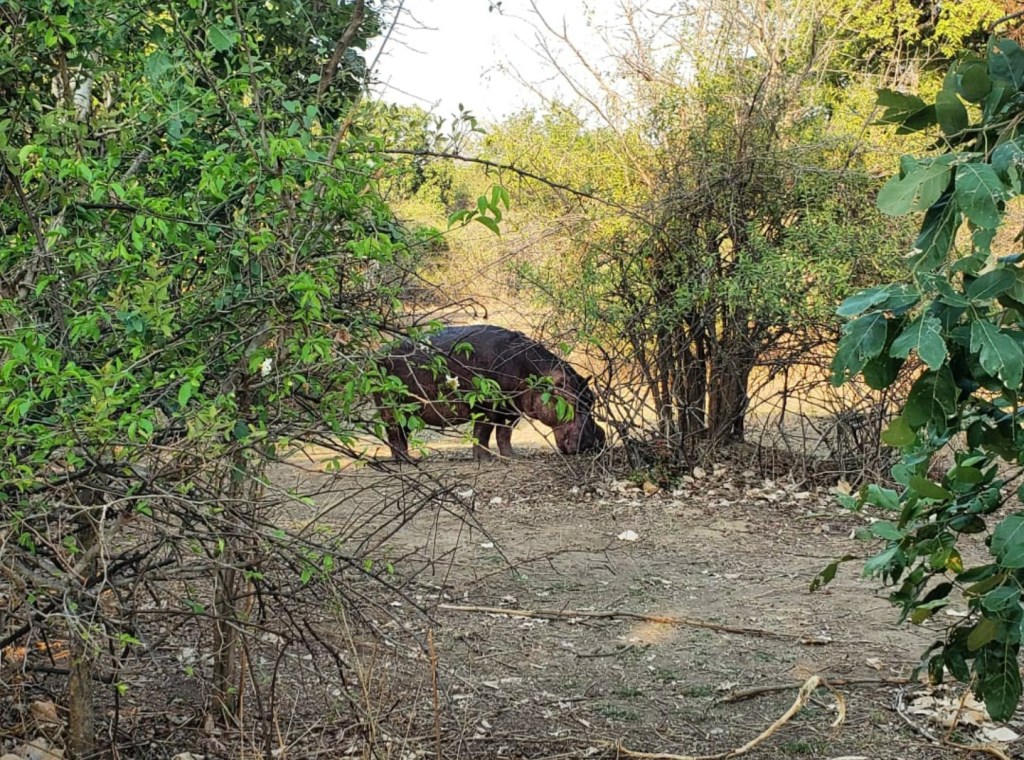
The first major animal we saw was a hippo. It was cool seeing one on land considering they’re mostly seen in the water.
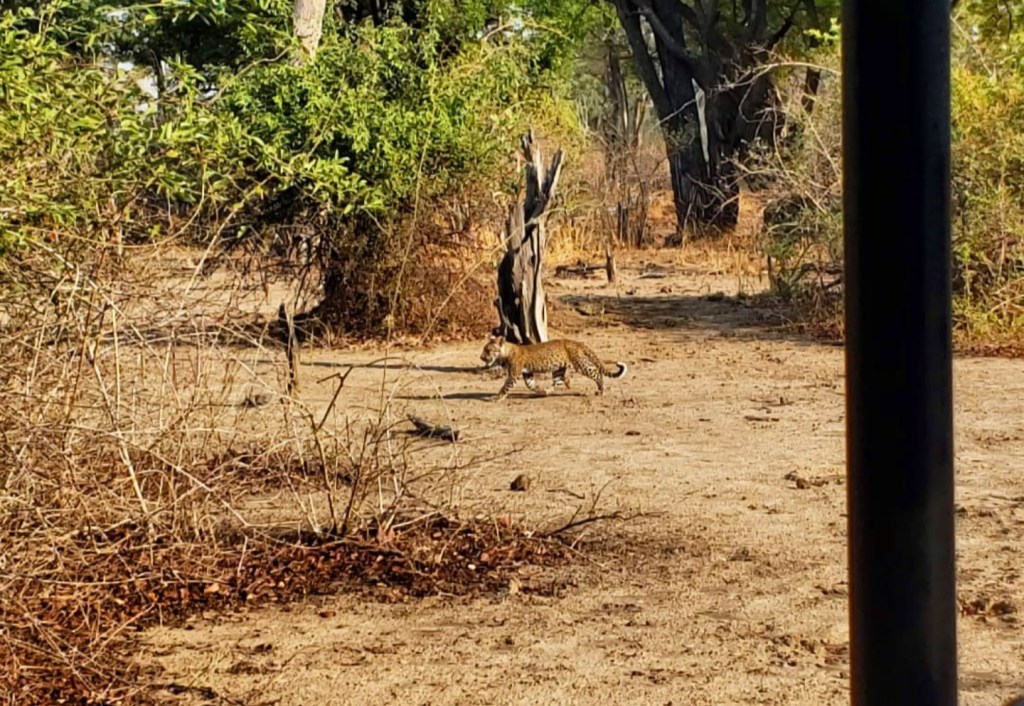
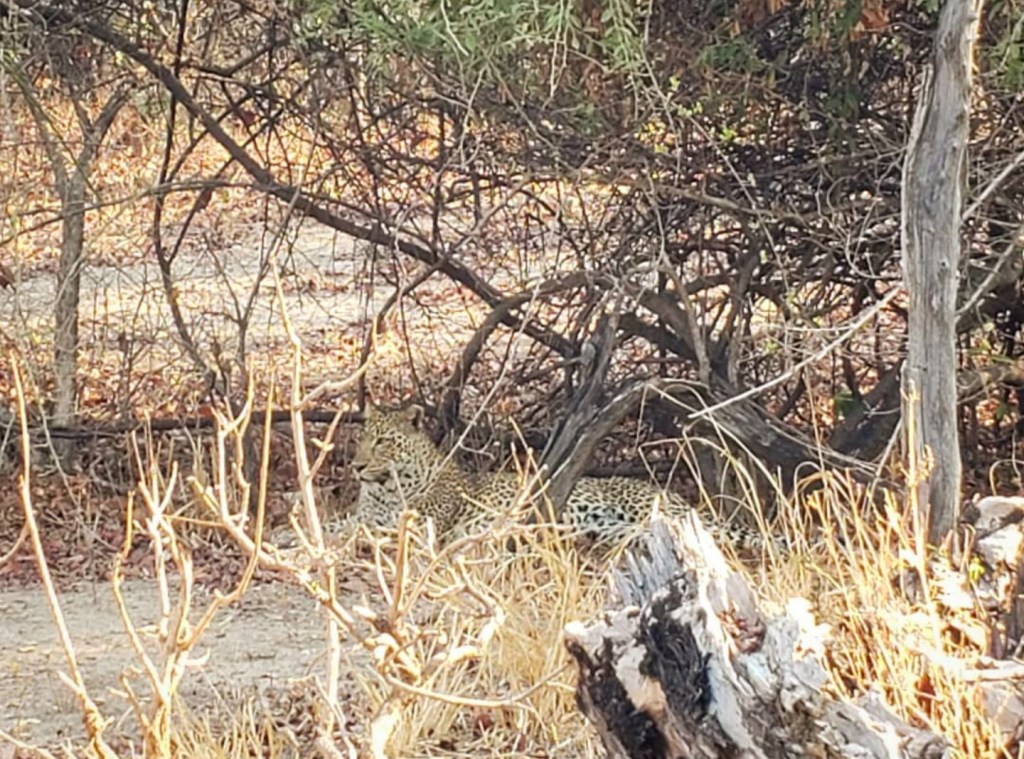
We soon came across a baby leopard, and of course, its mother was nearby, so we got to see her too.
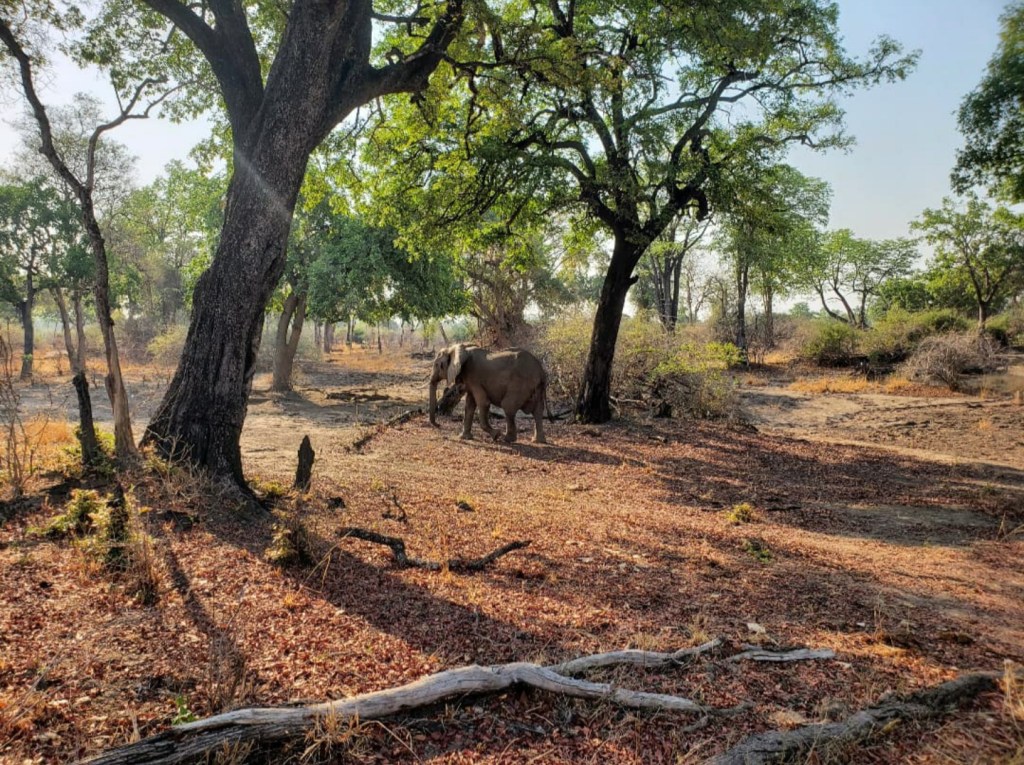
An elephant casually walked by as we were watching the leopard, and I didn’t even know which one to look at because they were both so cool to see.
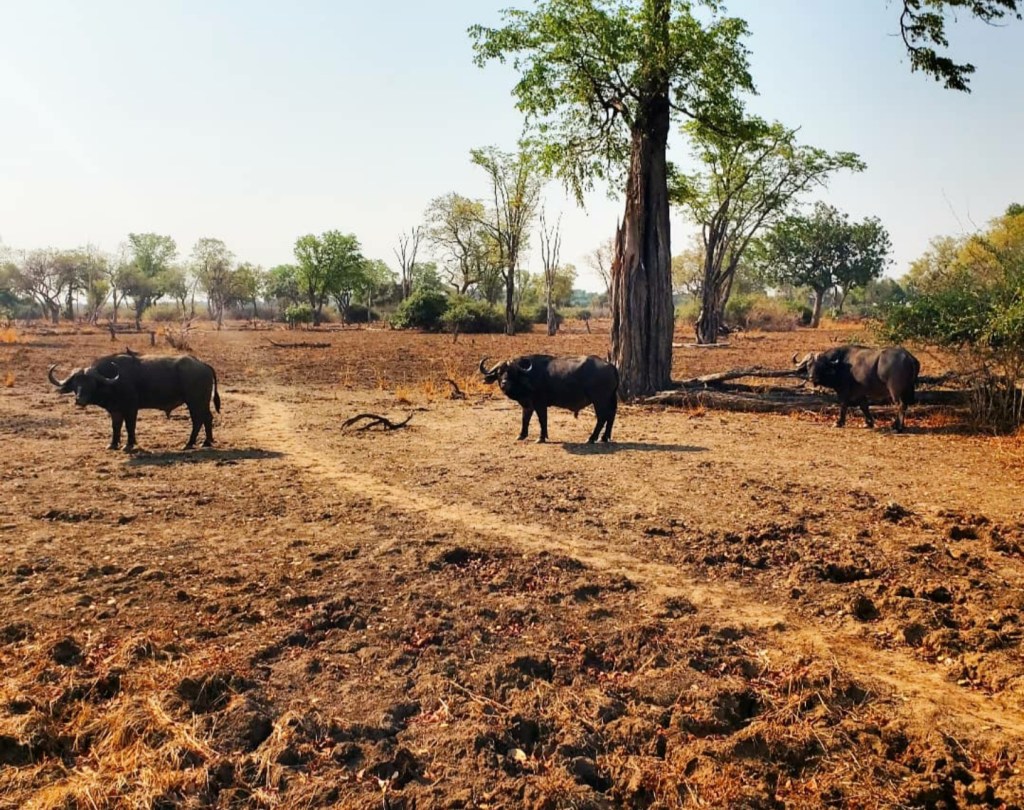
We drove around some more and came across a group of cape buffalos.
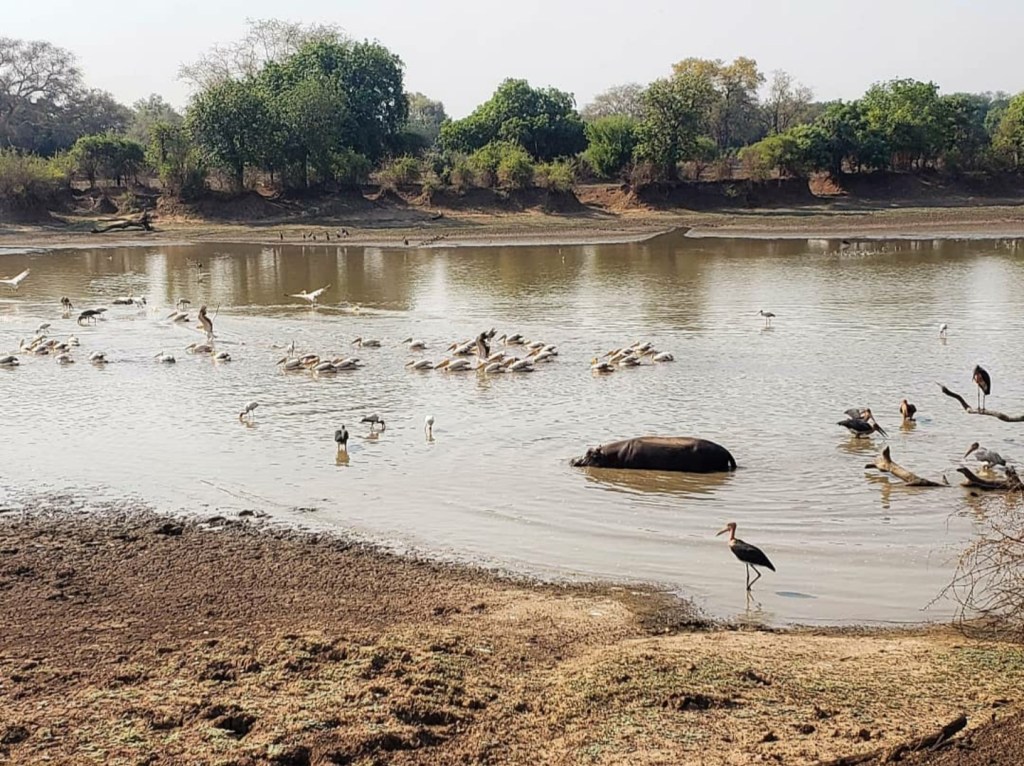
Then we came to a large watering hole where many different birds and some hippos could be seen.
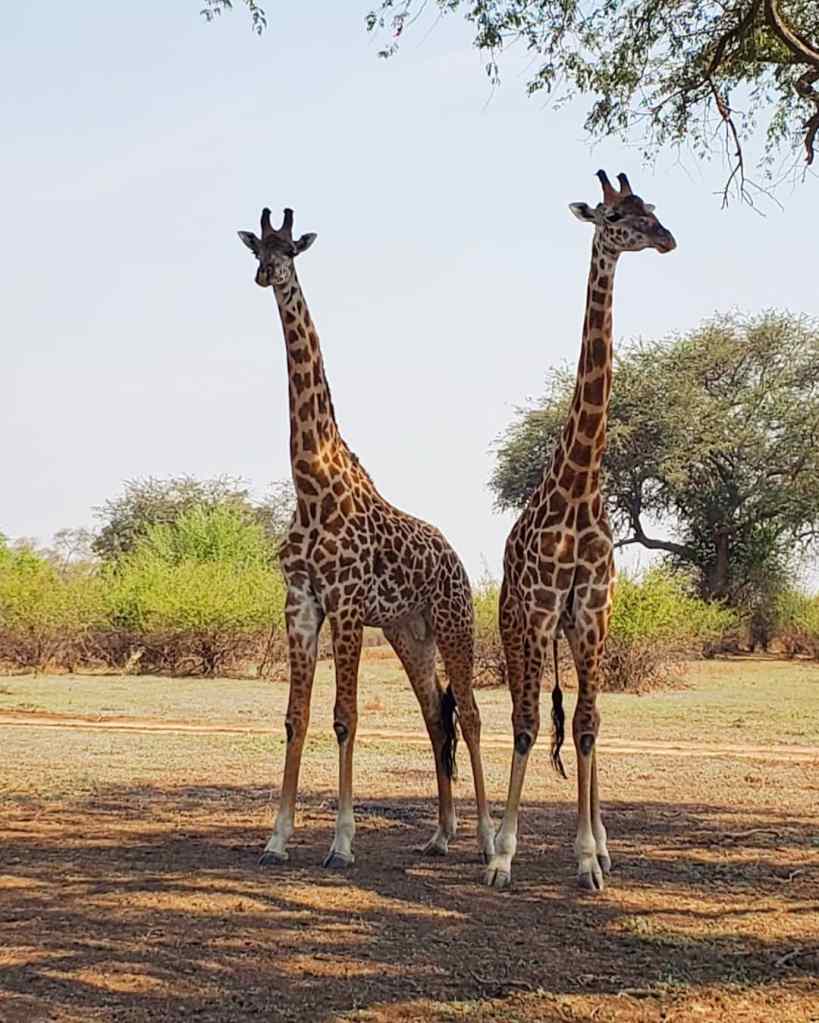
After that, we found a couple giraffes hanging out together. This was probably my favorite giraffe encounter of my 3 safaris.
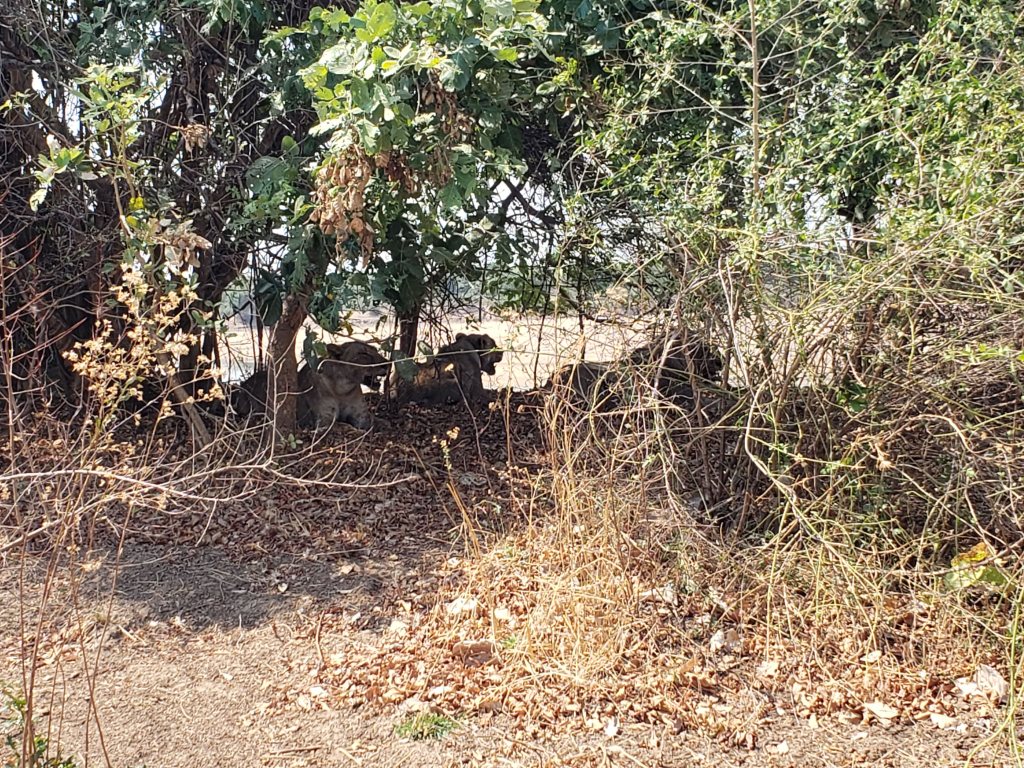
And then we found some lions relaxing in the shade. They had just killed and eaten a baby hippo nearby and were resting following their meal. I was literally just a few feet away from wild lions, and I’ll probably never be that close again!
We then headed over to where the baby hippo’s carcass was, and there were vultures all over it.
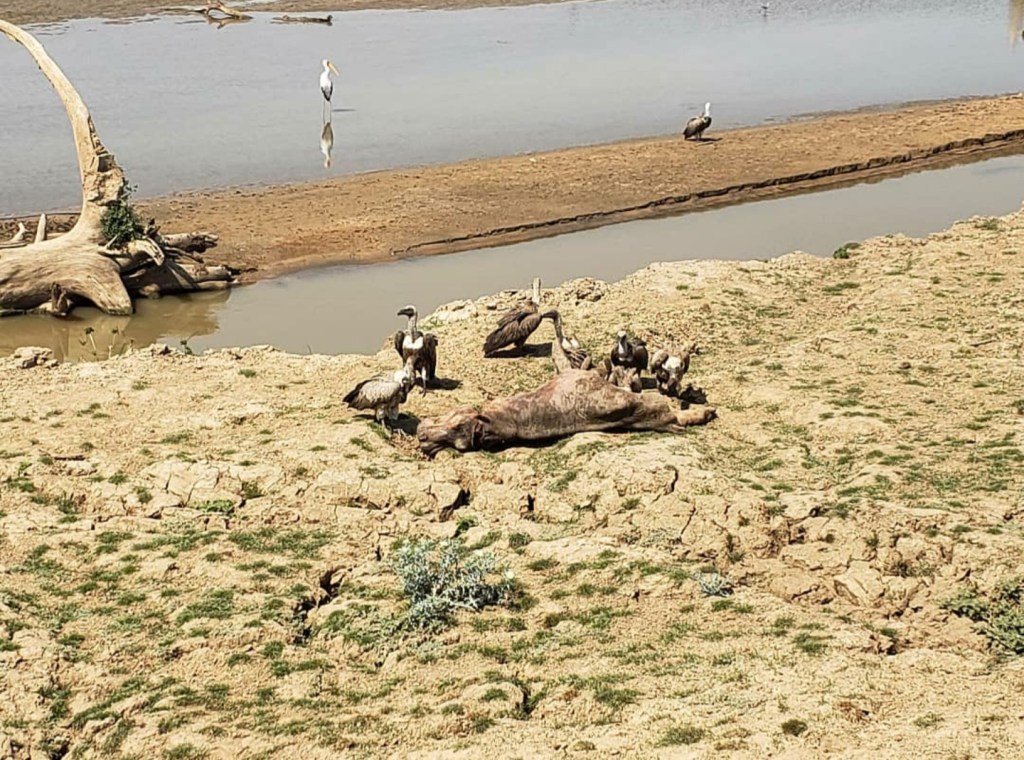
The lions weren’t happy that the vultures were eating their kill, so one of them got up to scare the vultures away.
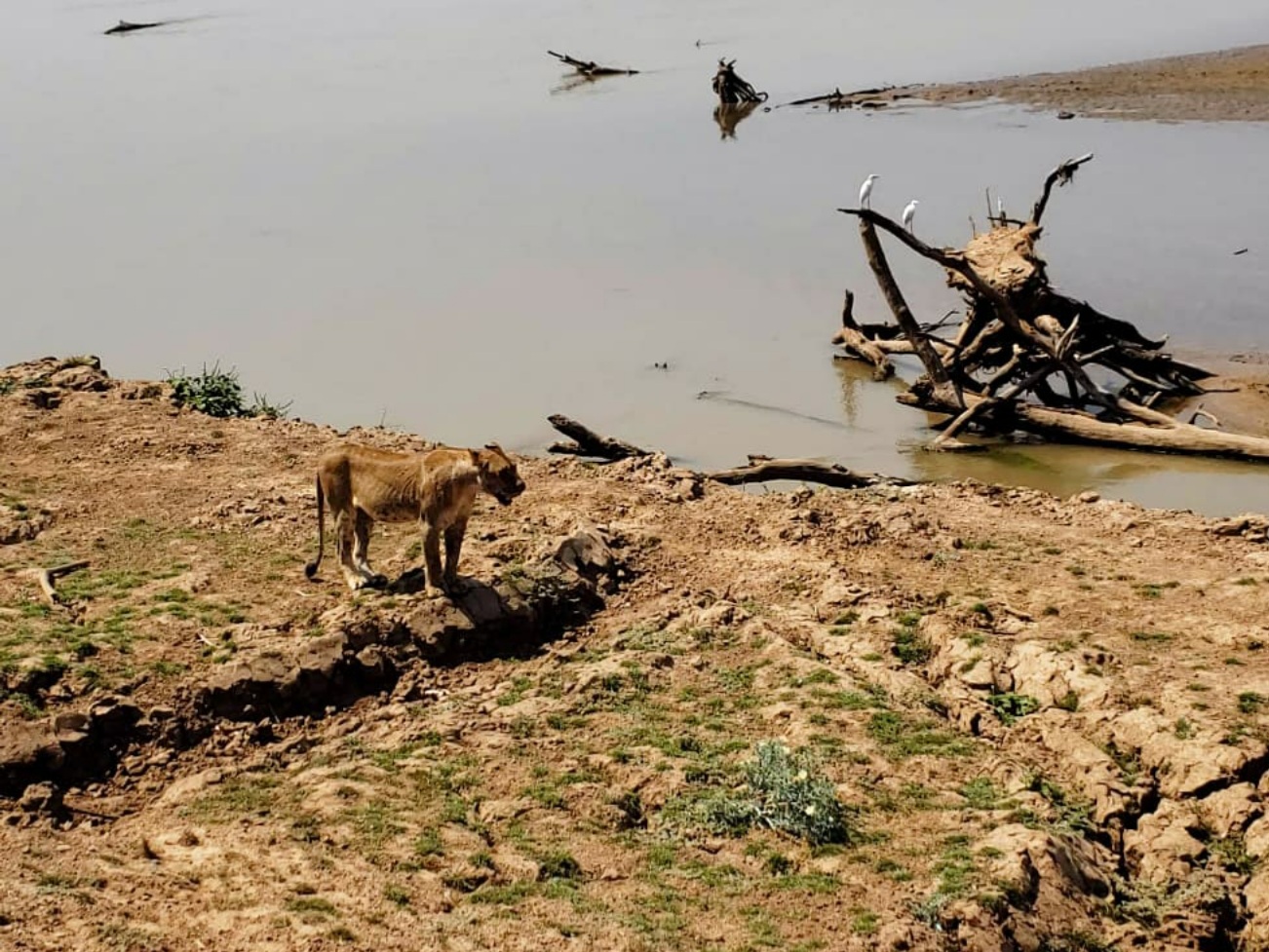
As the lion walked back to its shade, it was hilarious watching the vultures slowly sneak back to the carcass, watching the lion very closely.
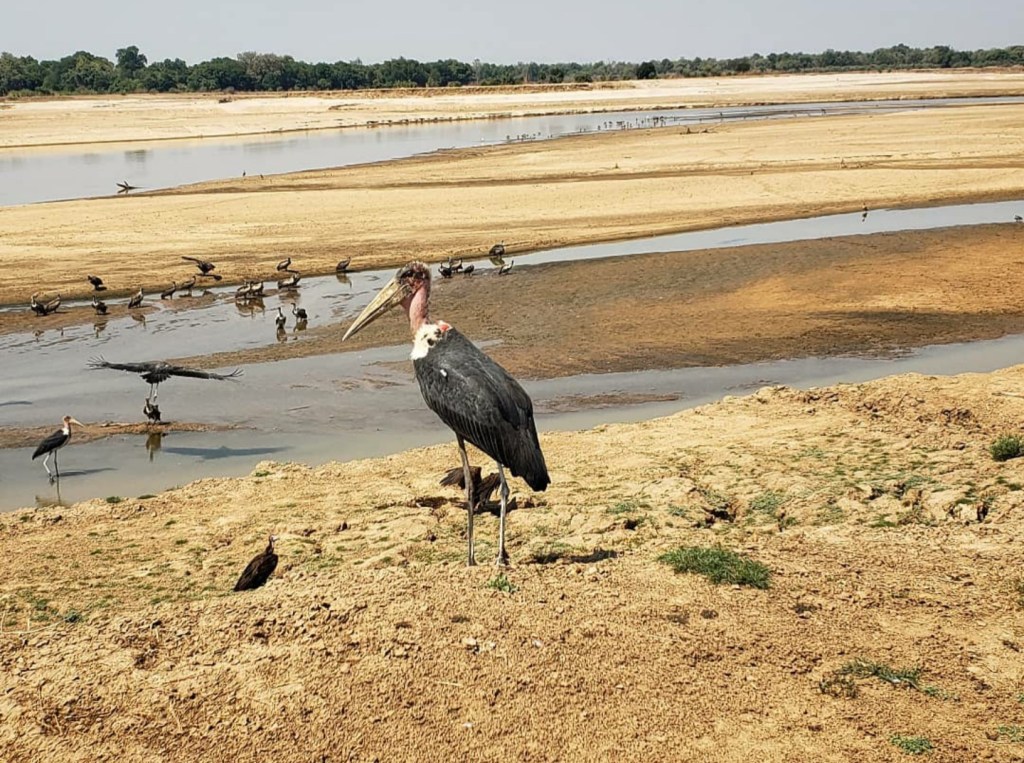
As we were heading back to the lodge, we ran into one last group of elephants.
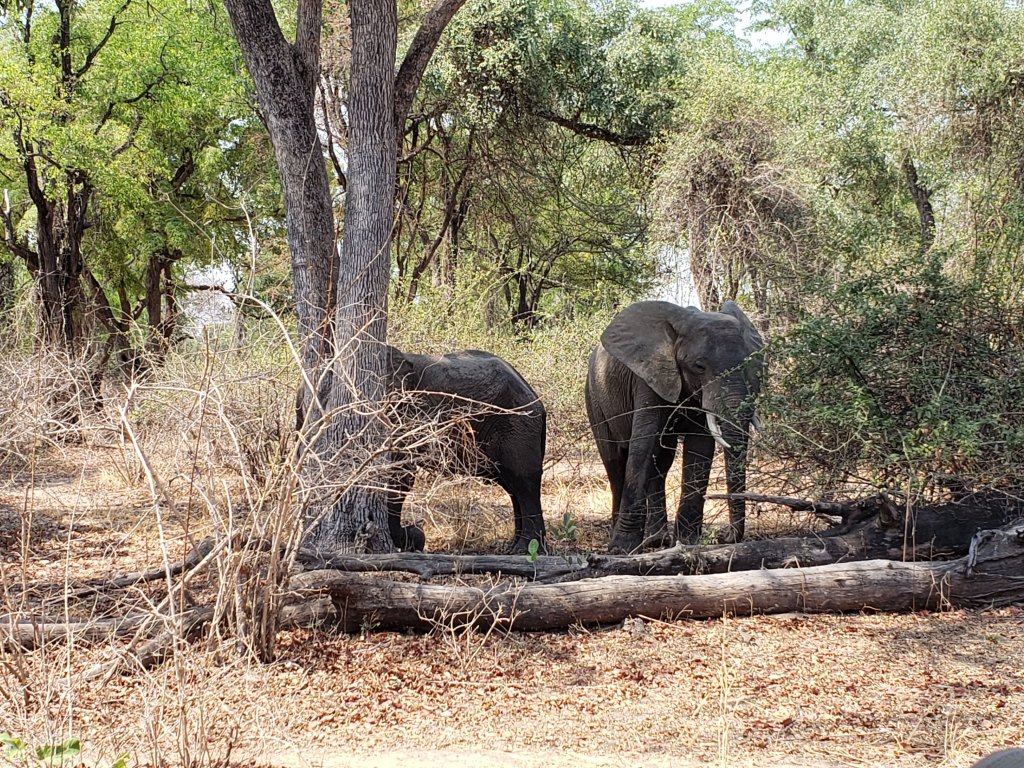
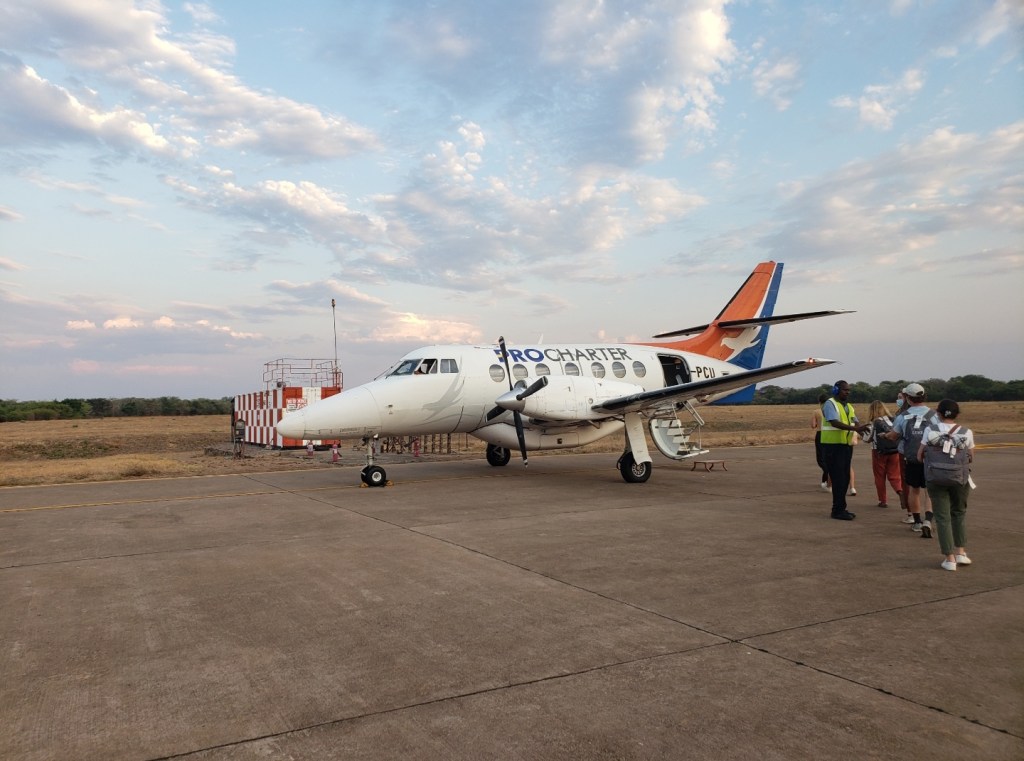
We soon packed up all our stuff and had to take a Covid test before leaving the country. We hired someone from a nearby lab to meet us at the lodge, and then we all sat in a circle under a hut then one at a time sat down in a chair in the middle of our circle where we would get our Covid test. After that was done, we headed to the tiny Mfuwe Airport to take an even smaller plane back to Lusaka. I then officially took my 100th flight on the way home, a goal that I had been working on for years!
This was a great trip! Though things didn’t work out the way we had planned, I loved my time in Zambia. It’s a beautiful country with great people, and I’m happy I had the opportunity to be a part of this experience. Maybe one day I’ll find myself back in Africa, and I can’t wait for that day! Thanks for reading.
 Tyler's Travels