
Mongolia is an interesting and often-forgotten country sandwiched between two of the most infamous nations in the world, Russia and China. It’s different than anywhere else on earth, and a lot of that has to do with its rich history. For centuries, Mongolia was a land of nomadic people groups, herding livestock and moving around as necessary. They would live in gers [literally pronounced “grrr”] that can easily be taken down and set back up in a different place. Their cows, yaks, horses, camels, and sheep would stay with them, and they would stay in one area until their livestock would run out of grass to feed off of and then move to a new area. This lifestyle lasted for generations with no real overruling government- just people moving around and peacefully getting by. This all changed when a man known as Genghis Khan (or Chinggis Khaan depending on who you ask) united these many nomadic tribes together to form the great Mongol Empire. This empire stretched from the coasts of China and Korea, across Central Asia, into Eastern Europe, and down into Mesopotamia and India. Though he was responsible for mass exterminations and destruction, he is credited for building the largest contiguous empire in history. It would be the largest overall of it were not for the British Empire that came hundreds of years later.
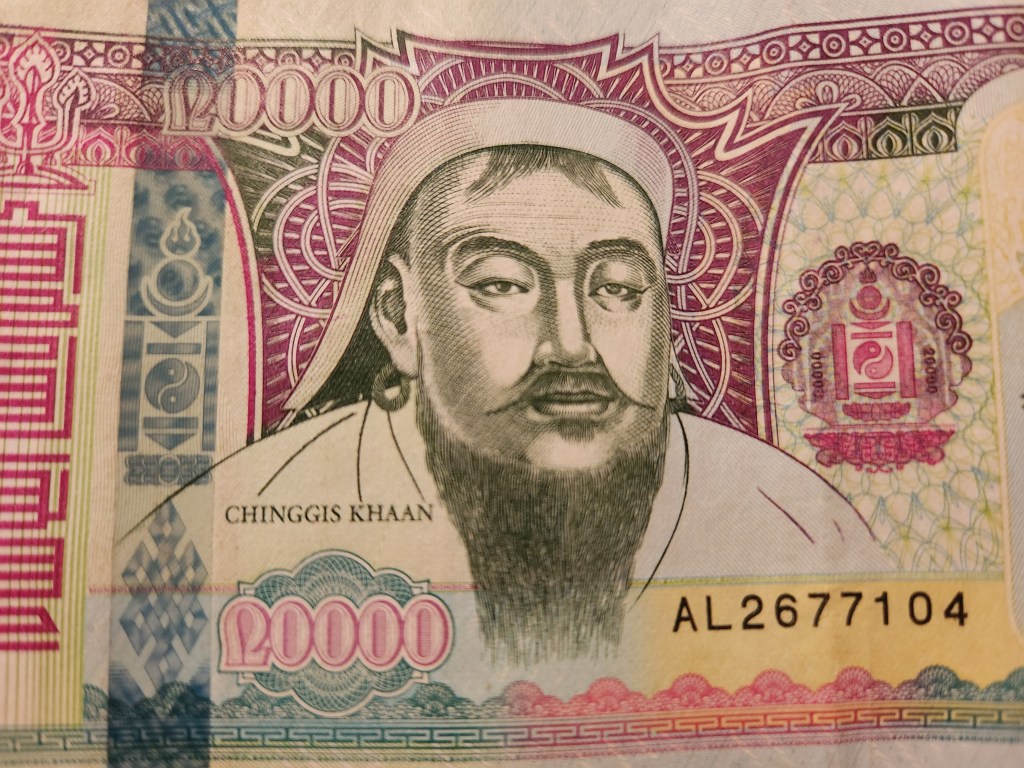
Though he is often remembered as a merciless conqueror, he did bring a lot of positive changes to the world. He established freedom of religion, a concept that hadn’t widely been considered before. He was responsible for opening trade between Europe and Asia, allowing for a global economy unlike anything the world had ever seen. Marco Polo traveled to China during the time of this Mongol Empire, and the Silk Road was established right through the heart of Central Asia, thanks to the efforts of Genghis Khan allowing these regions to be united. The Mongolian script was adopted during this time, which is a unique writing system in which words are written top-to-bottom rather than sideways. Culture and technology spread across the Old World, and Christianity soon followed. But as with every great empire throughout history, this one did not last. When the Mongol Empire fell, the Ottomans, Byzantines, and Ming Dynasty picked up the pieces, and the world has never seen a contiguous empire on this large of a scale ever since.
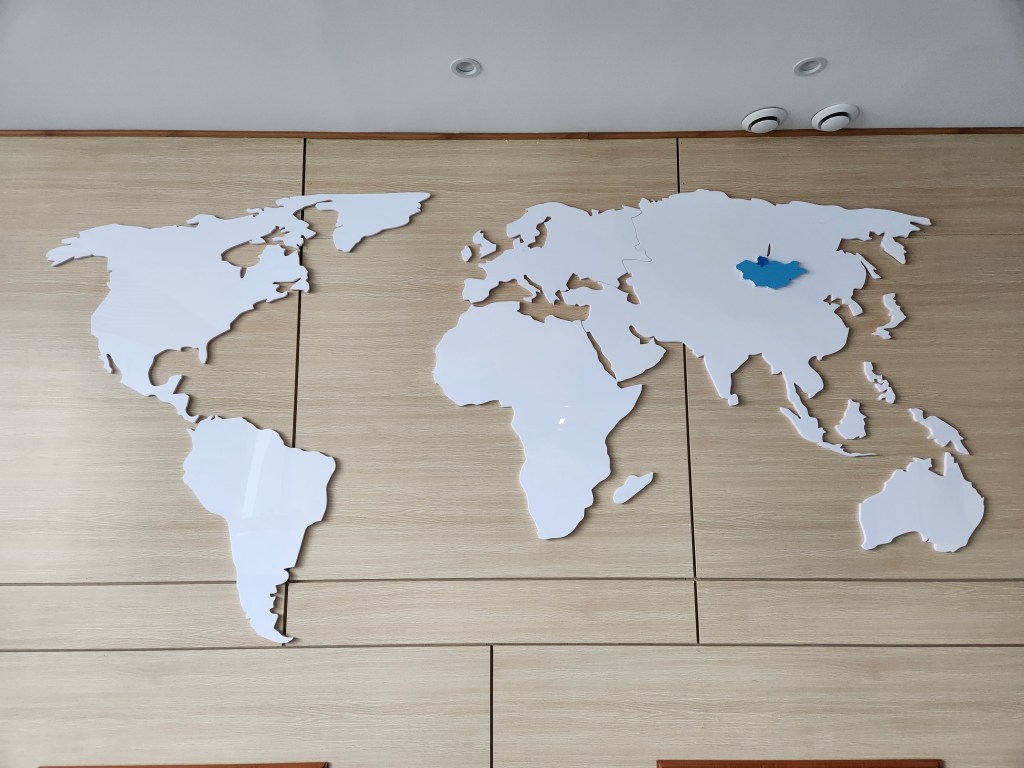
Modern-day Mongolia was occupied and controlled by China for generations following the Mongol Empire’s collapse. After the end of the Qing Dynasty in the early 20th century, Mongolia formed their own government once again, and with protection from the Soviet Union, declared independence from China. The Soviet Union then set Mongolia up as a satellite state as they were grateful for their protection. The traditional Mongolian script had been switched out with Russia’s Cyrillic alphabet, and Communism overtook the country. They then acted as a satellite state of the Soviet Union until it collapsed in 1990. Following Communism, Mongolia has struggled to determine its identity in the world. Parts of the country are being influenced by the ultra-modern cities of China while many parts still feel trapped in Soviet times. And even with all the modern luxuries now available in Mongolia, around 40% of the country’s entire population still chooses to retain that nomadic lifestyle they’ve always known.
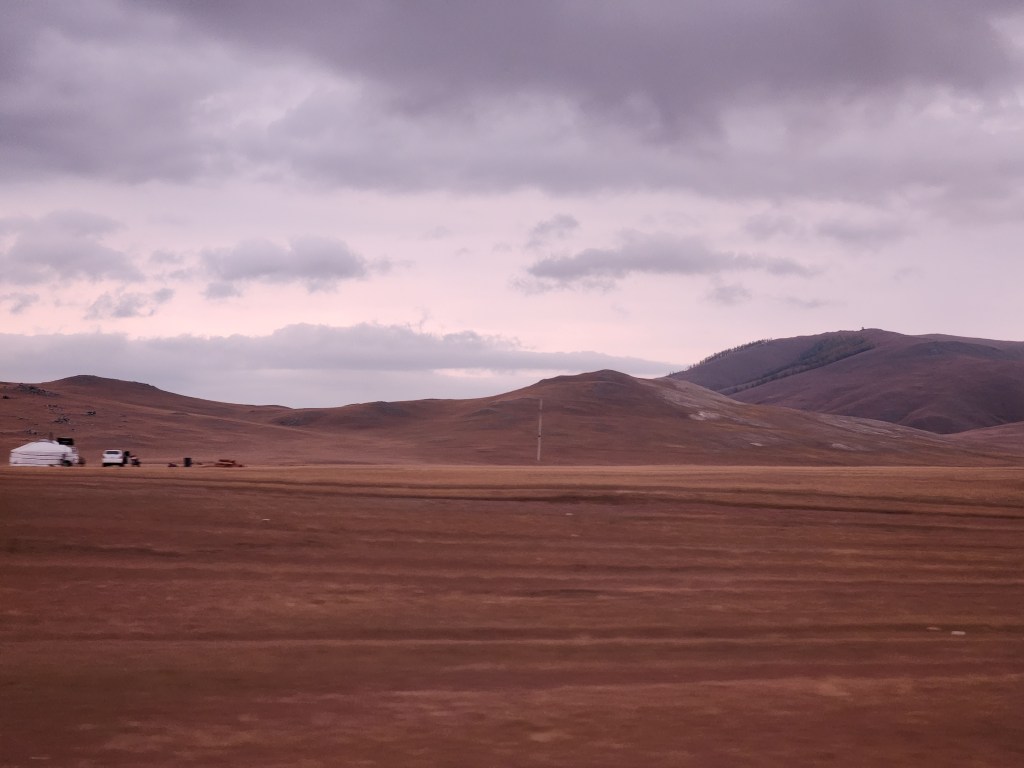
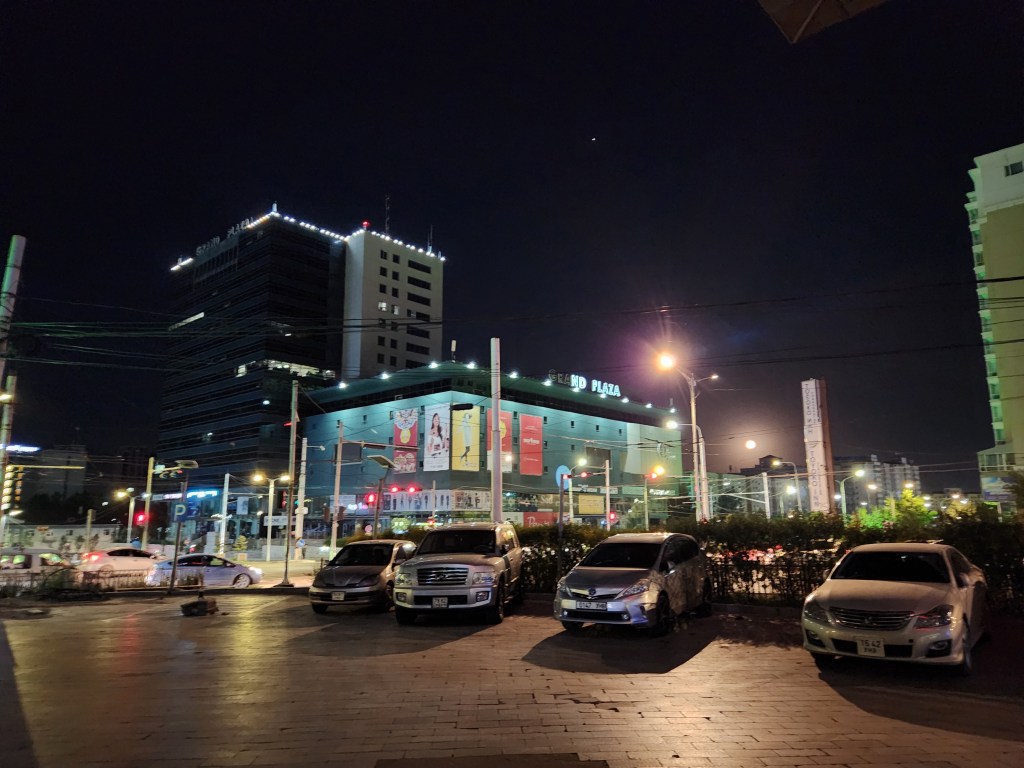
I wasn’t completely sure what to expect when visiting Mongolia. All I knew is that it would be unlike anywhere else I’ve ever visited. After a long direct flight from Atlanta to Seoul, I flew into Ulaanbaatar, the modern capital of Mongolia. The name of the city literally means “Red Hero” to commemorate the beginning of its Communist era following independence from China. It was originally established as a Buddhist monastic center and naturally, as with most cities in this nomadic culture, it changed locations 28 times before sticking with its current location. It’s known as the coldest capital city in the world thanks to its elevation and latitude. Ulaanbaatar is surrounded by literally nothing but desert and steppe for miles. Those living outside the city live in gers, with the exception of the random small village that pops up every now and then. I wasn’t able to get a good sense of Ulaanbaatar on this first visit as I was only there for a few hours at night, but it’s a city that I was interested in seeing more of.
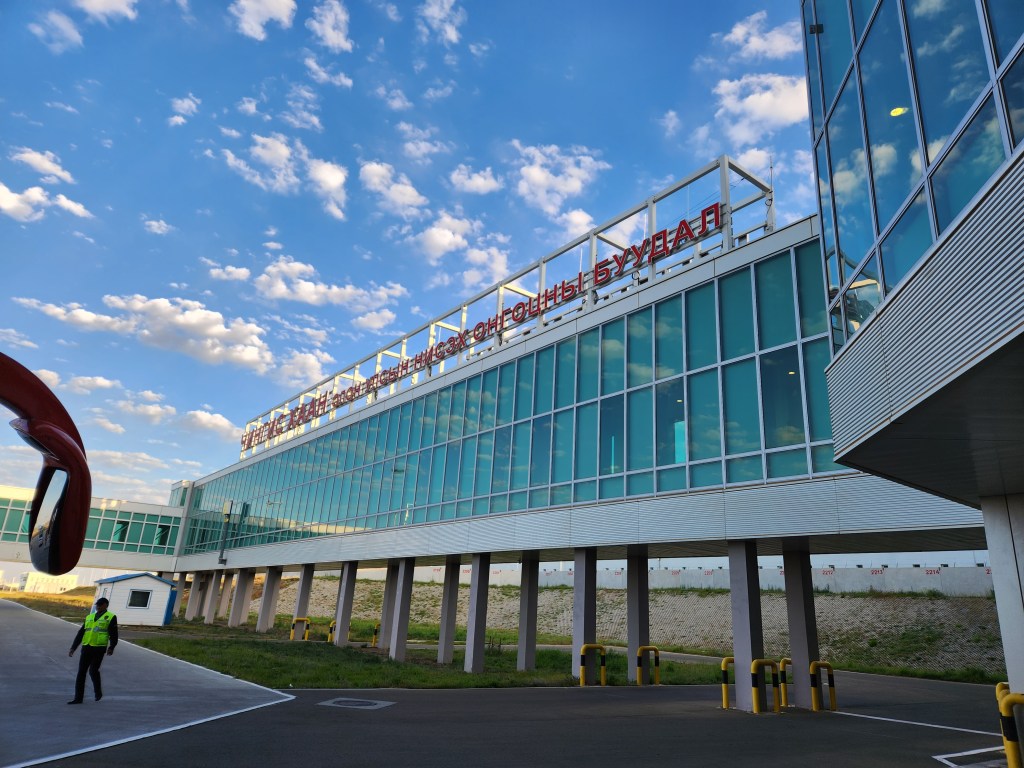
Upon landing in Chinggis Khaan International Airport, I was helping everyone get their luggage together, and this proved to be more difficult than anticipated. For those who don’t know, I work with Medical Missions Outreach, and our goal is to partner with local churches around the world to set up free medical clinics in their communities with qualified medical professionals in hopes of sharing the gospel with each individual that comes through. It’s an awesome ministry that I’ve seen God working through time and time again. Except this is a little more difficult in Mongolia. In the past, Mongolia has had issues with malpractice from outside medical groups, mostly from Korea, and as a result, no outside medical organizations are allowed to operate on their own within the country. The only way we could legally get in is if we were invited by an already-established medical group within Mongolia to assist them. And that’s exactly what we did.
But when trying to get through customs at the airport, all of our bags containing medical equipment and reading glasses were pulled aside for additional examination. No matter how much we tried to explain to them that we had been invited by Mongolian doctors, they refused to give us our luggage. We even showed them the letters of invitation we received. Feeling defeated, we checked into our hotel in the middle of Ulaanbaatar for the night (only for around 4 hours). We had enough time to take a shower and get a quick nap before it was time to head back to the airport to catch our final flight. When we did arrive at the airport, that lady from customs came to meet us at check-in. She explained to us that she could not sleep all night knowing she had taken our equipment. She told us that she was thankful we were there to help her people and that she felt bad for potentially hindering us from doing so and decided to give it all back! This was such an unexpected turn of events as past experiences like this in other countries did not have the same result.
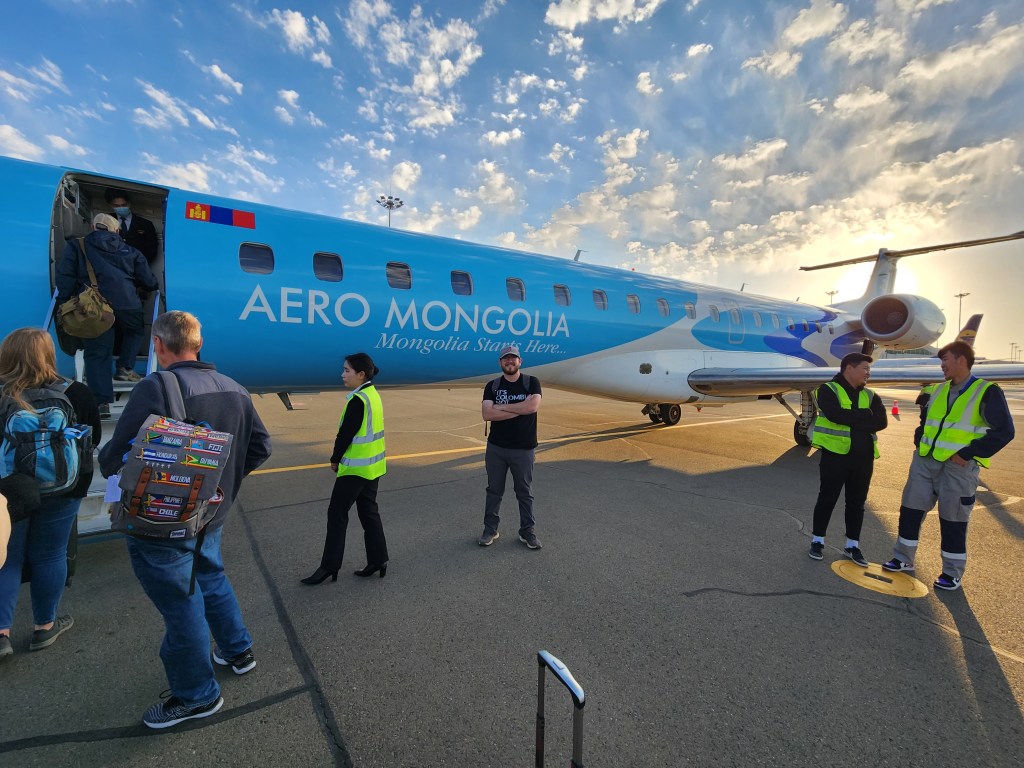
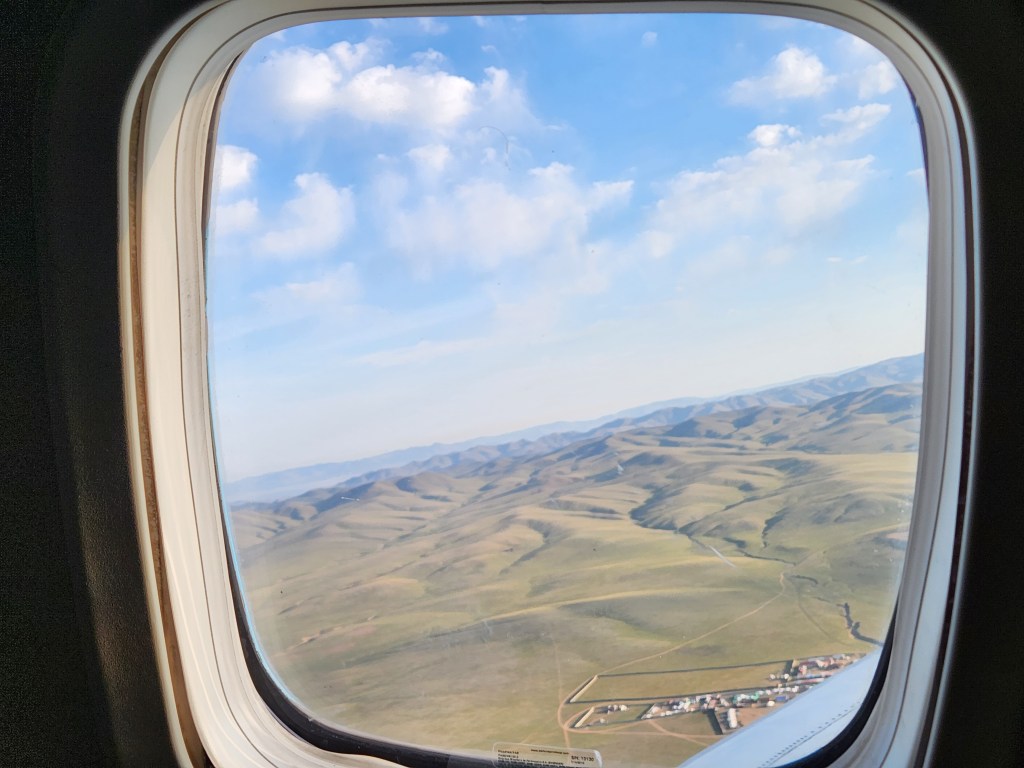
We boarded a small Aero Mongolia plane heading for Murun (or Mörön) in the remote north of the country. We had to rent the entire plane due to the lack of in-country flights operating at this time. Many of the Mongolian medical profesionals we were partnering with and our translators joined us for this flight, and we took off, flying over rolling green hills that stretched on as far as we could see in every direction. This country is beautiful but empty. Though it’s one of the largest countries in the world by area, it’s the least densely-populated country on earth with a total population of 3.3 million people compared to the 8.4 million people living in New York City alone. This truly is a desolate region of the world that I had dreamed of visiting myself for years.
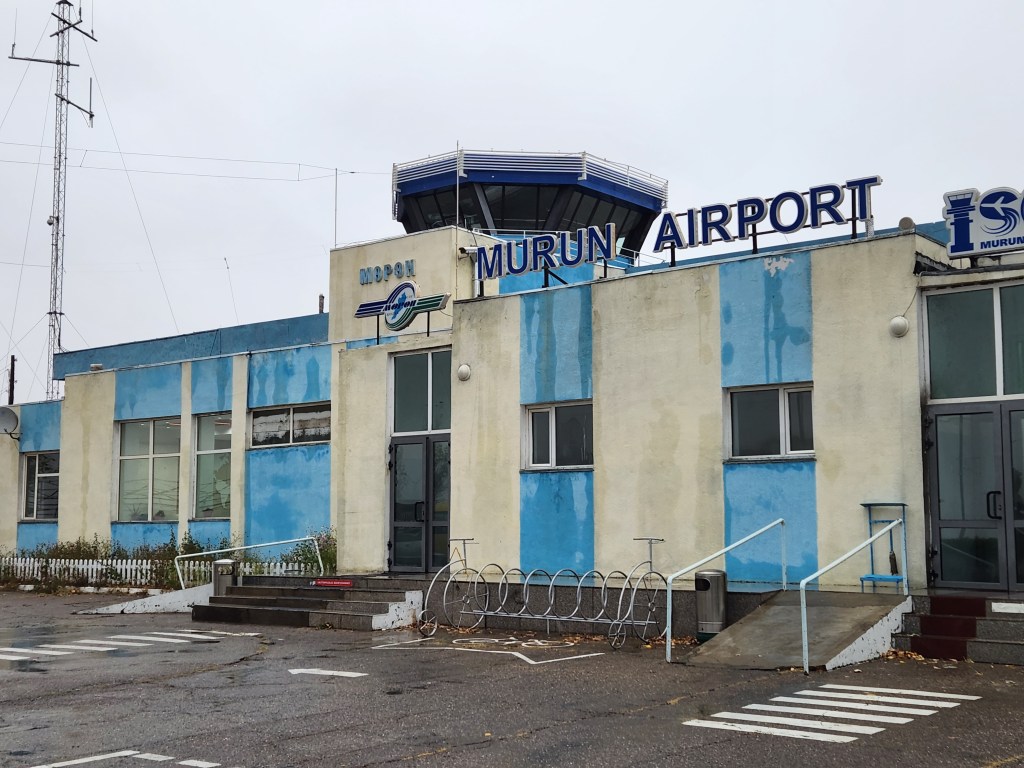
We soon landed in Murun and were greeted by a quiet Soviet-era airport with that familiar block architecture and Cyrillic script throughout. We then took a bus through the emptiness of the steppe to our final destination of Khatgal. On this drive, we could see gers set up in the distance where nomads chose to live. In Mongolia, you are legally allowed to camp anywhere you want without needing any type of permission, and this is in response to these nomads that make up almost half of the population. They are truly free to set their ger wherever they want. The only sights we saw on this hour-long drive, besides the occasional ger, were sheep and cows and horses. In fact, there are over ten times more sheep in Mongolia than people! Some areas became a little more mountainous, but it was mostly just flat steppe as far as the eye could see.
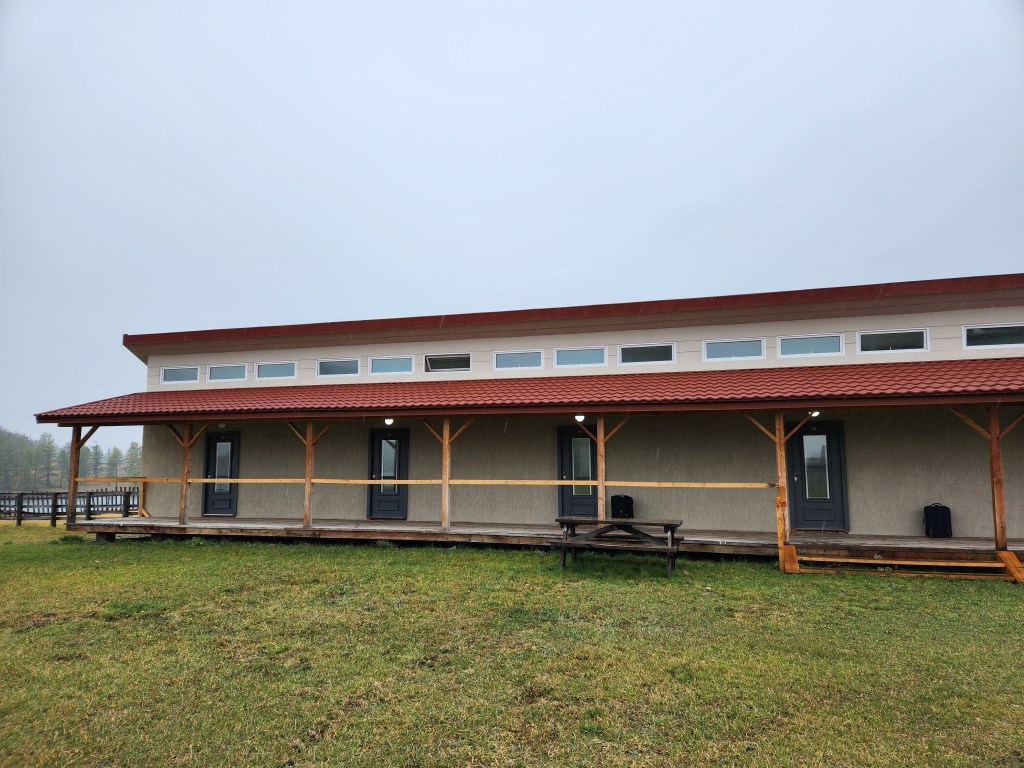
We finally arrived in Khatgal (or Hatgal), our final destination, and got the chance to see where we’d be spending the next week. Unlike past medical trips where our group stays in a nice hotel, this time we would be staying in a camp setting. Hotels aren’t really available in Khatgal, so this was the best option available to us. Thankfully, the ministry we were partnering with has a nice facility that they use for summer camps every year. There are dorm rooms with four bunk beds in each, a nice sports center, a small chapel, and a kitchen/eating area. This is all found in what used to be the grounds of an old Soviet wool factory before the ministry bought the property and converted it into a camp. While the camp itself was impressive, what I loved the most was its setting.
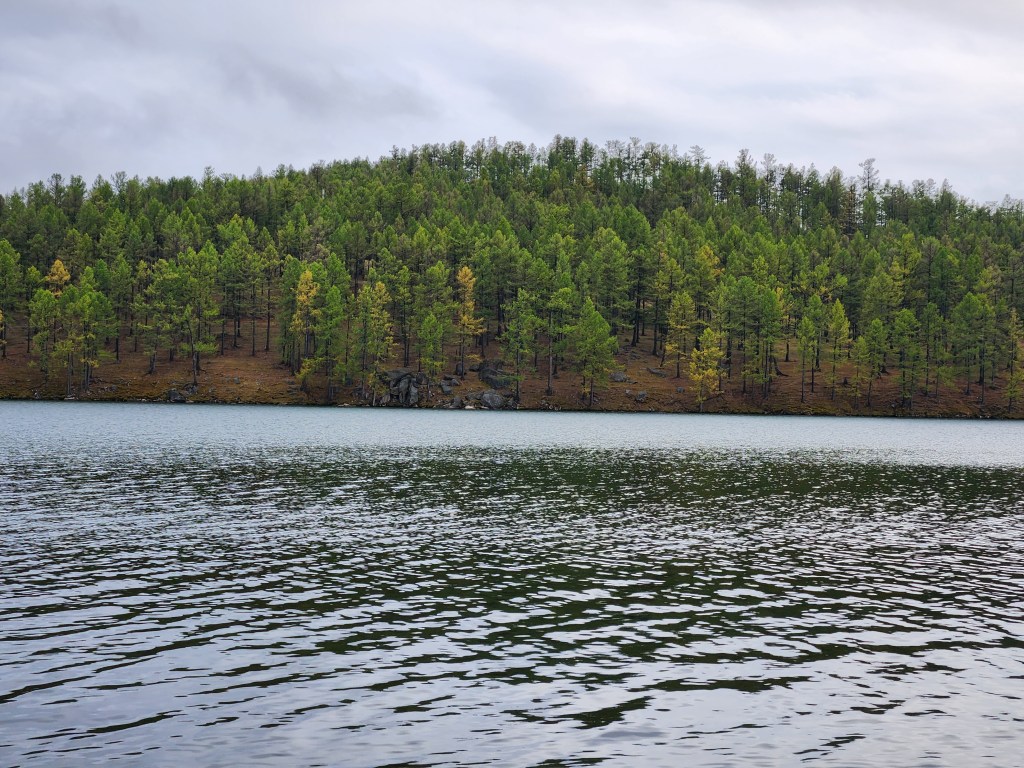
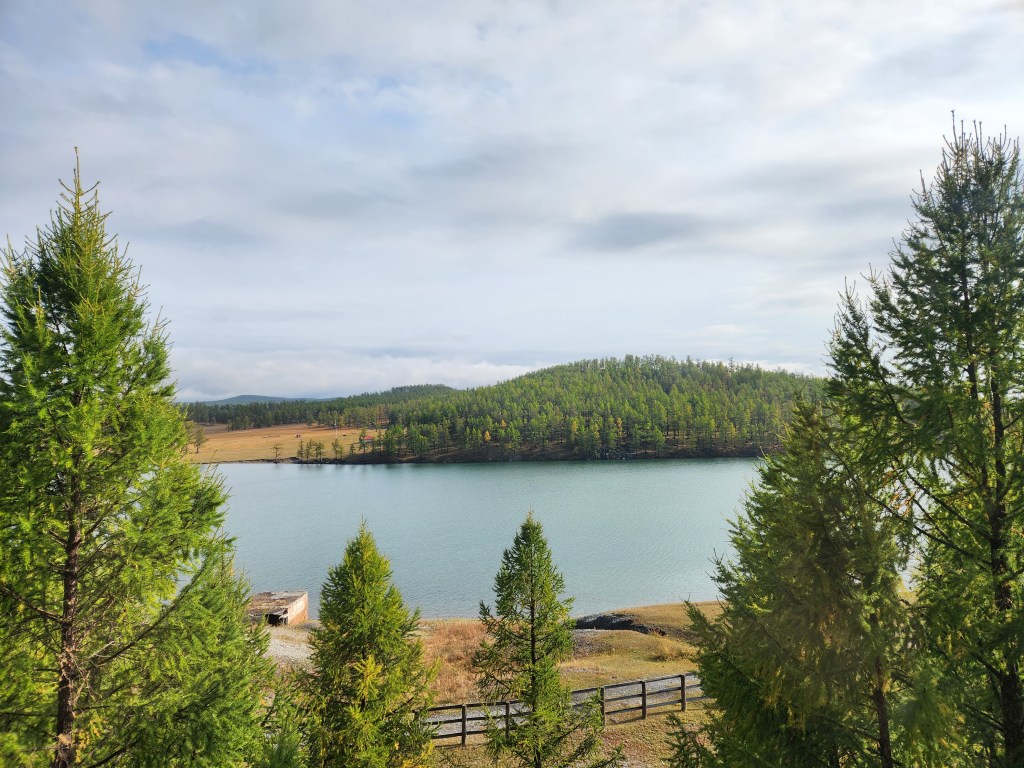
The entire camp was situated right on the edge of Lake Khövsgöl (or Khuvsgul), a beautiful blue lake with green mountains on the other side. This is the largest lake in Mongolia by volume at 84.5 miles long and 876 feet deep at its deepest (with an average depth of 453 feet). It’s also known to be one of the clearest lakes in the world and is the sister lake of the iconic Lake Baikal, just across the border in Russia. Though we’re not in Russia itself, Khatgal is located in the geographic region of Siberia and experiences extreme temperatures during the winter, causing the lake to freeze over. Fortunately, the temperatures did not reach that level while we were there. Though there were cooler temperatures on the forecast, it was fall here, and that meant colorful leaves as well. Due to the vastness of empty landscapes spread across Mongolia, visiting these isolated towns takes you into regions largely untouched by Western influence. I loved everything about it.
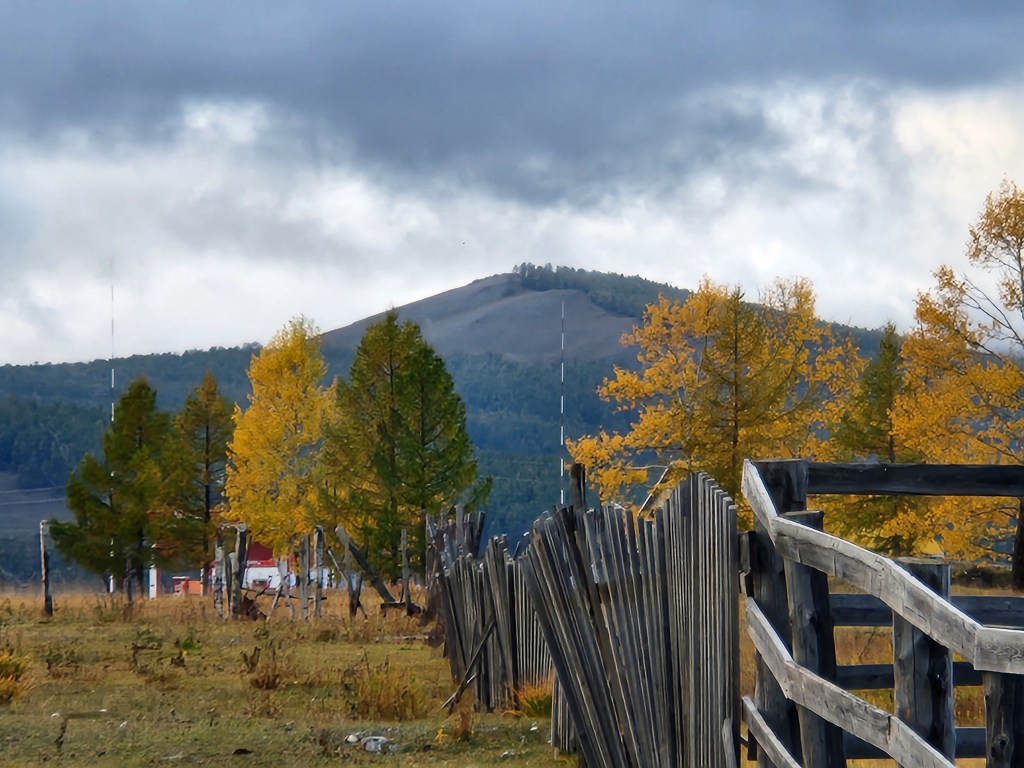
This beautiful setting in one of the most remote corners of the globe is where I would spend the next week of my life, volunteering in free medical clinics open to whoever will show up. This was an amazing experience that I can’t wait to share more about. Make sure to check back later this week to read the next chapter of this story that I’m still trying to process- You won’t want to miss it!
Thanks for reading.
 Tyler's Travels