
This is the second chapter and continuation of my Mongolia series. If you missed the first chapter, you can find it here.
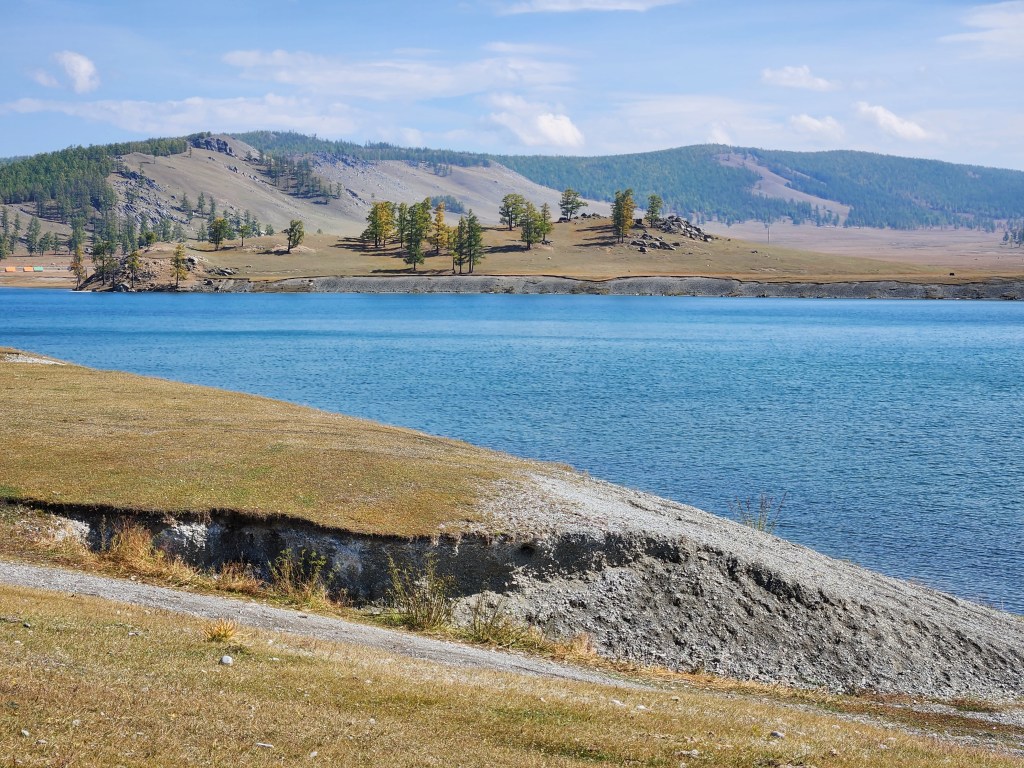
We had just arrived at our camp in Khatgal, a small village on the shores of the great Lake Khövsgöl in the north of Mongolia. This is a remote area with no other towns nearby and a climate similar to the rest of the Siberian region. The village itself is surrounded by mountains and then nothing but steppe beyond that. After getting settled into our dorm rooms at the camp, we decided to take a walk to a coffee shop in town. This was really my first chance to try to get an understanding of what this town is like. It was cold enough to wear a jacket but not cold enough to be uncomfortable. We met in the center of the camp and walked to the street outside the entrance.
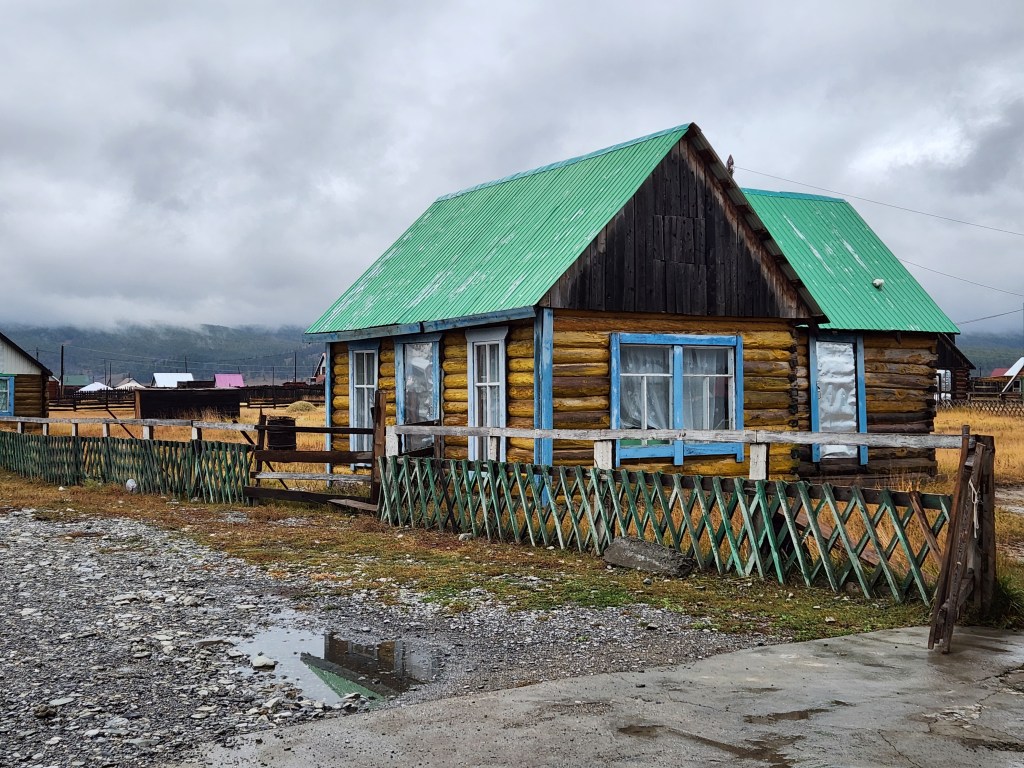
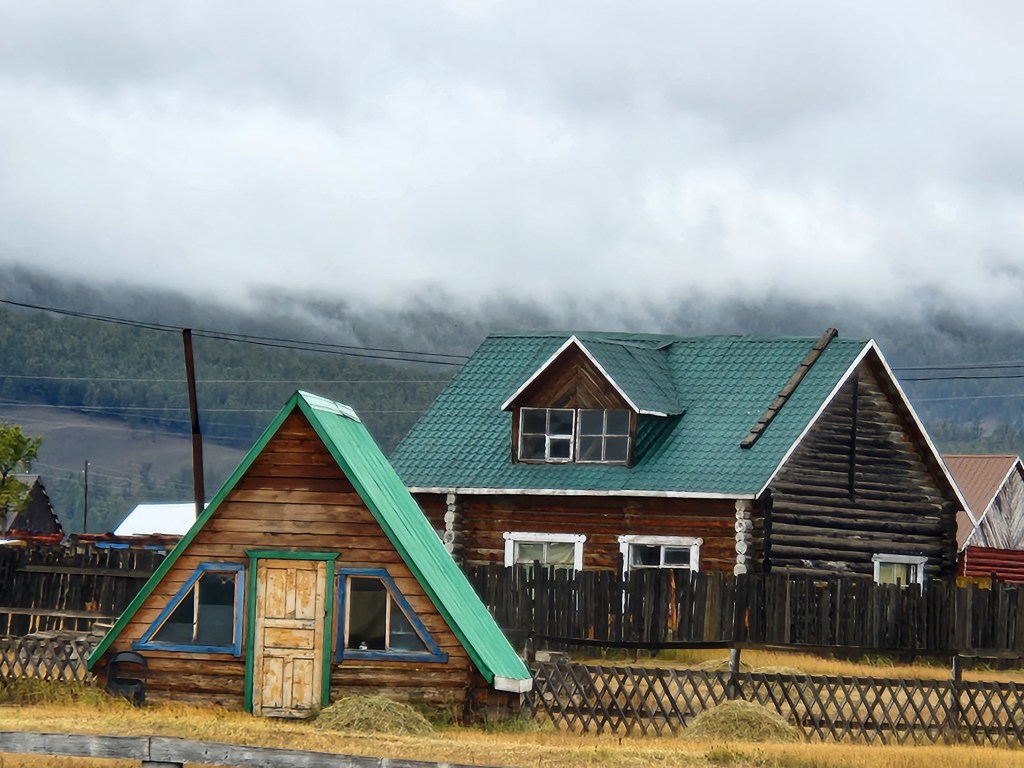
While the landscapes were what I was expecting here, the architecture took me by surprise. The first thing I noticed were the colorful roofs. Every house and business had a different colored tin roof- something you don’t really see much of in the United States. But then it started to become clear that most of the buildings themselves resembled log cabins. I heard many compare the architecture to that of Alaska or Wyoming, yet here we are in the middle of Asia. We noticed a lot of similarities between Mongolian practices and those of Native Americans, leading to the thought that maybe the first occupants of the New World could have actually come from Mongolia. [And based on recent studies I’ve looked at since returning, this is actually a strong possibility]. These log cabin businesses then have Cyrillic script written across the front, giving us an idea of what Alaska might have looked like if it had remained a part of Russia. I also noticed that most houses had a ger in back. Some people like to live a nomadic lifestyle during parts of the year and then live in town for other parts. Or maybe it’s just a cultural thing. Whatever their reason for having a ger, almost everyone in this region owns one. And I was determined to stay in one overnight if possible.
As we walked toward the coffee shop, we noticed a dog (or possibly a wolf) following us. I’m used to seeing stray dogs all over the world as they’re a big problem in many countries I’ve visited, and my first reaction is to avoid them. You never know what these stray dogs might be carrying. I found it interesting though that when we all went into the coffee shop, the dog just stayed outside and waited on us to finish. He was also a little fatter than the regular stray dogs I’m used to seeing, leading me to question whether or not he actually was a stray. We finally finished up in the coffee shop and started walking back to the camp, and the dog got up and walked alongside us all the way back. And a few of us also stopped to check out the local grocery stores along the way.
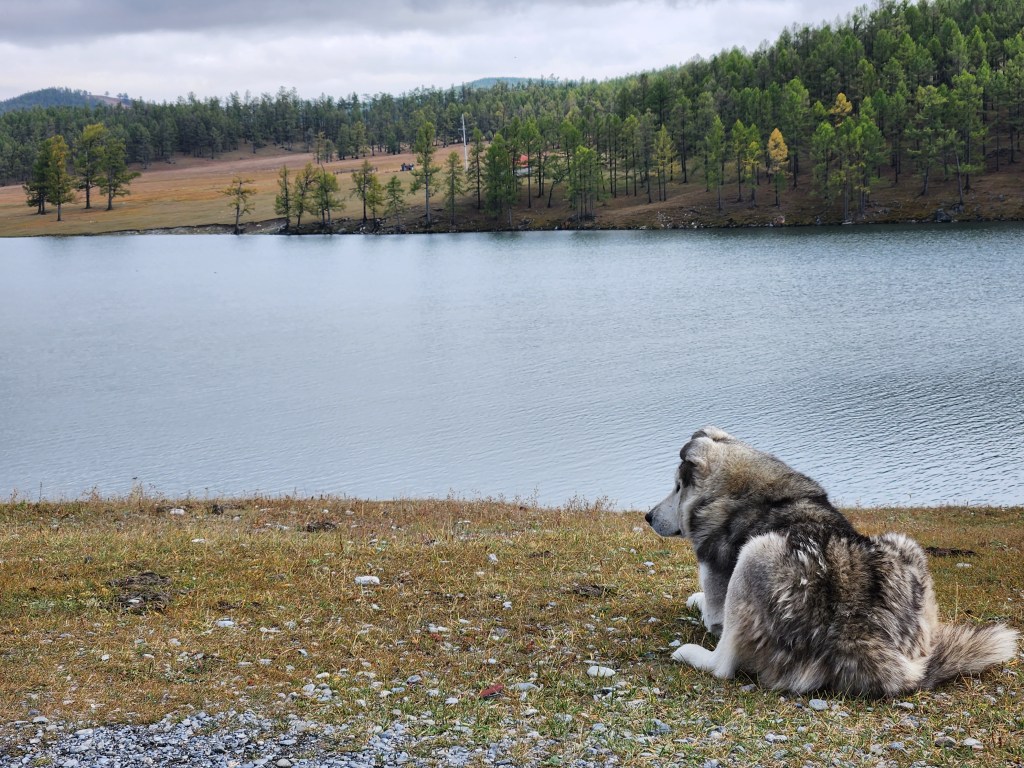
After arriving at the camp, we had several hours to become familiar with the area. I spent a lot of time by the lake, taking pictures of it. It’s a very beautiful area and very picturesque. There’s also what looks like an old Soviet bunker by the water which I took time to explore as well. Before long, the dog that had followed us around in town showed up. He never made me feel uncomfortable, so I decided to start taking pictures of him and trying to talk to him a little. I still didn’t want to touch him though because I know touching strays can cause all kinds of problems. The day finally came to a close, and we started preparing for our clinics we would be holding the rest of the week in the camp’s sports center before going to bed.
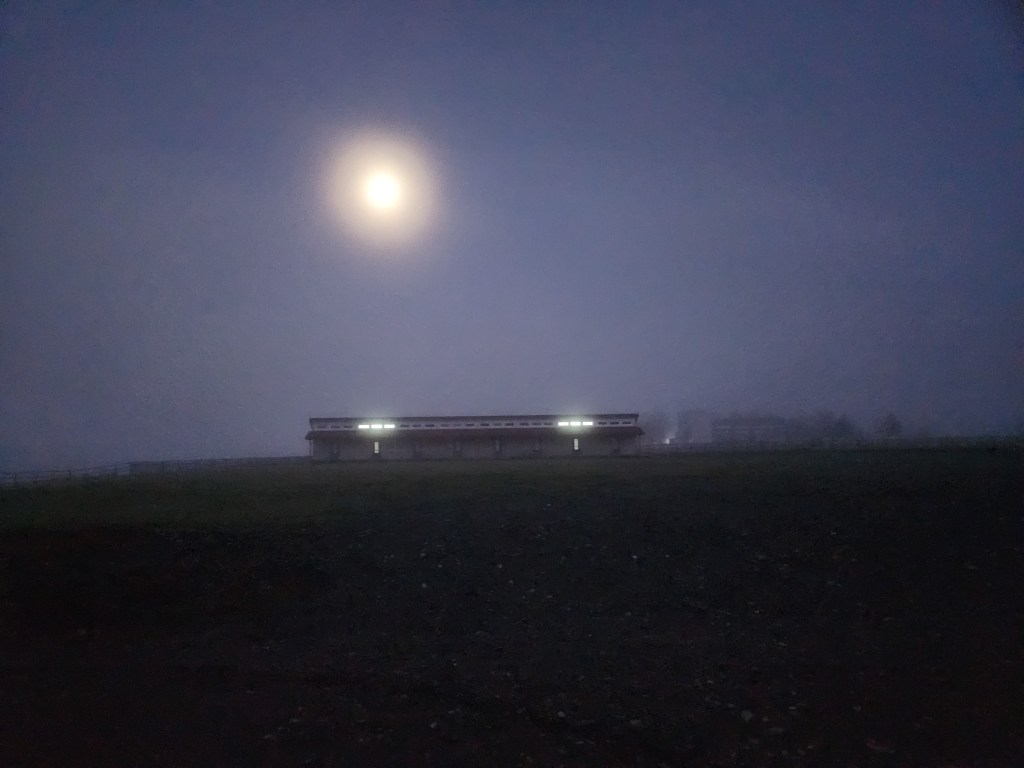
Sleeping in a camp dorm room was interesting as there were four of us in one room, and the restroom was on the other side of the property. So when I would wake up in the middle of the night needing to use the restroom, I would have to get fully dressed and walk across the camp in 30° weather to get there. But though I felt alone in the pitch black of the middle of the night, I wasn’t the only one up. This region of the country is the center for shamanism in Mongolia. Most of the country’s population follows Buddhism, but here in Khatgal, shamanism is more popular. Shamans believe that everything has a spirit and that they can interact with the spirit world through entering a trance-like state. That’s why I didn’t see many locals fishing: shamans believe it will upset those river spirits if you catch their fish. For shamans, the wind is very spiritual, and they can often be heard beating drums and chanting late on a windy night in order to please these spirits. This is not something that I witnessed myself, but I heard reports from others in my group that this could be heard echoing through the valley one night while we were there.
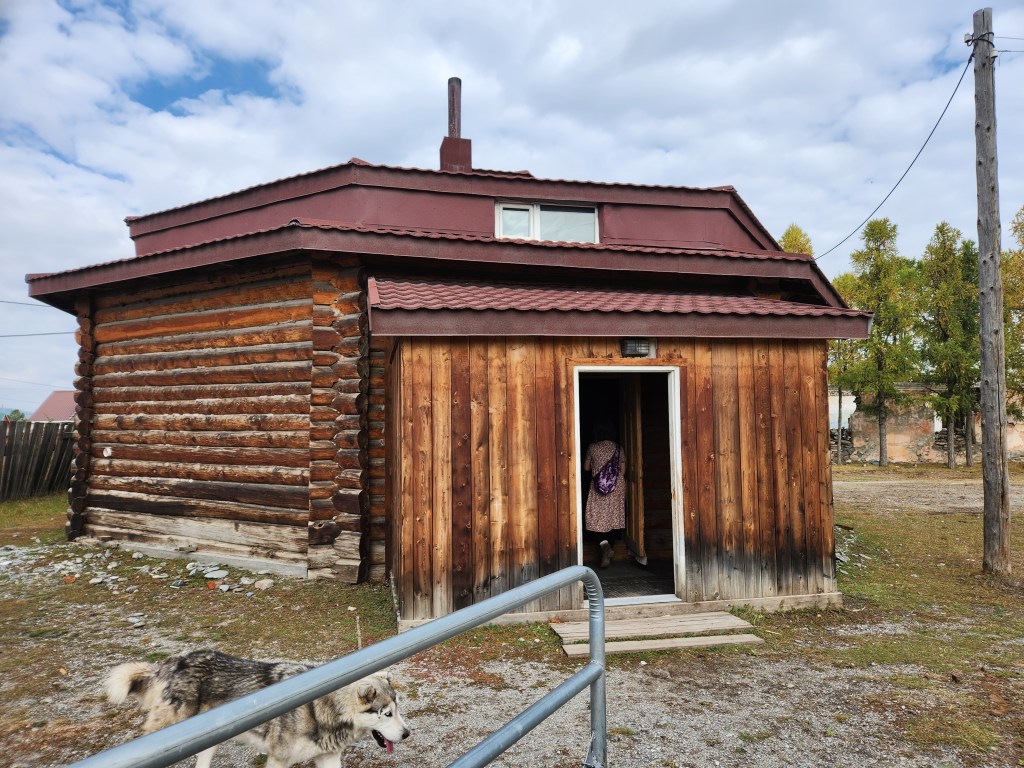
The next morning was Sunday, so it was time to visit the church we would be partnering with all week. There was no power at all in the village as it had been shut down for the morning for regular maintenance work, but life goes on as normal. This happens in Khatgal every few weeks, and you would only know to expect it if you follow their community Facebook page. (Yes, even in the most remote parts of the world, Facebook is still a thing). We walked through this log cabin town followed by that same friendly husky (or wolf?) all the way to this small wooden church building known as Hatgal Baptist Church. This is where I gave in and pet the dog for the first time- he was just too friendly to ignore. I then started to hear that some in our group had already named him Peter, and the name kinda stuck. I walked in the building, and there were around 30 in attendance, so my group of 30+ people more than doubled it. The service was great as I always love having the chance to worship with believers on opposite sides of the globe. There are many in this village that want the church to fail- as I already mentioned, it’s a dark place spiritually due to the stronghold shamanism has on the region. We were also told that it’s difficult to witness to those in this village and often takes months and sometimes even years before they will start to listen.
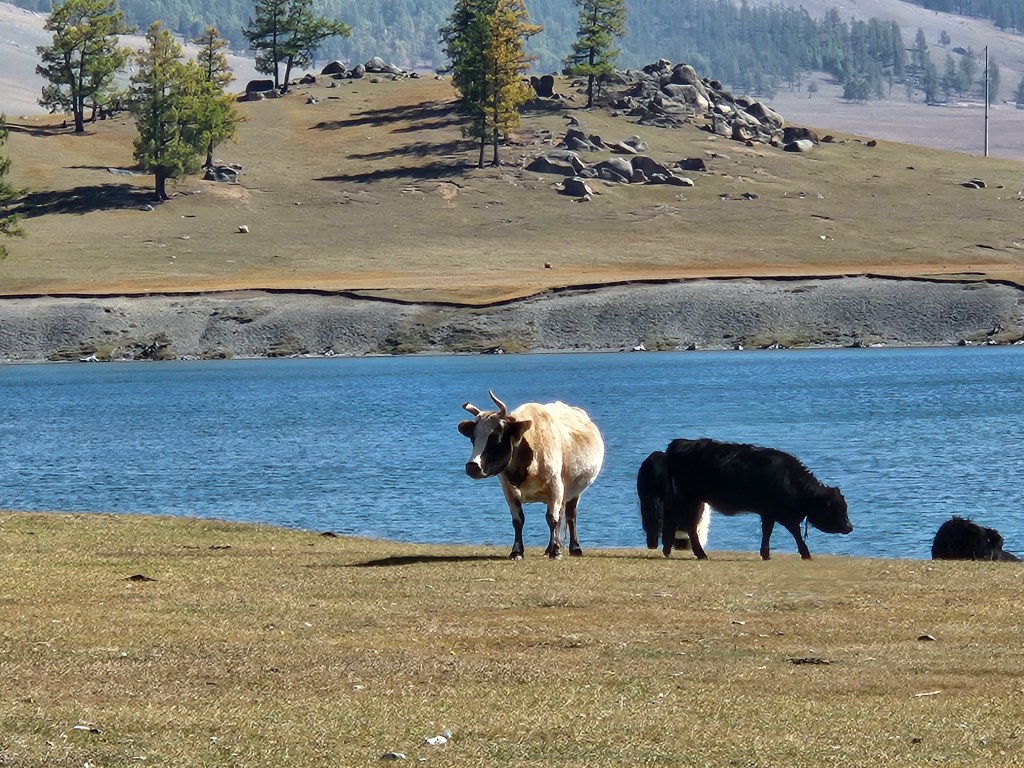
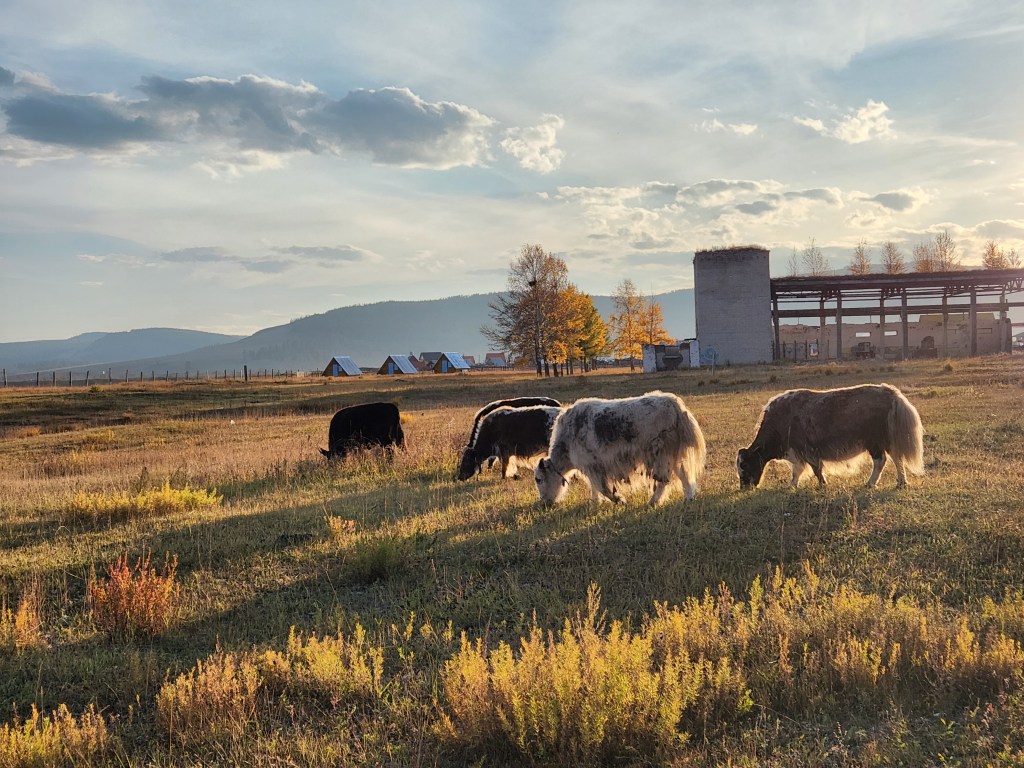
Following the service, we walked back to the camp to set up for our trial clinic run. We always use this first half-day of clinics as a practice run to get prepared for the rest of the week, and we offer it only to church members and their families. As I arrived back at camp, I noticed some cows walking along the lake and decided to go take pictures of them. Livestock roam around town freely, so it’s very common to see cows, yaks, and horses everywhere you go with no restraints. After that, it was time for clinic. I was originally assigned to help in triage, but I was really there to help in any way that was needed. For this first day, we needed labels printed in Mongolian, so that’s what I was asked to do. This first day went relatively smoothly, and it helped us get an understanding of what needed to be focused on the rest of the week.
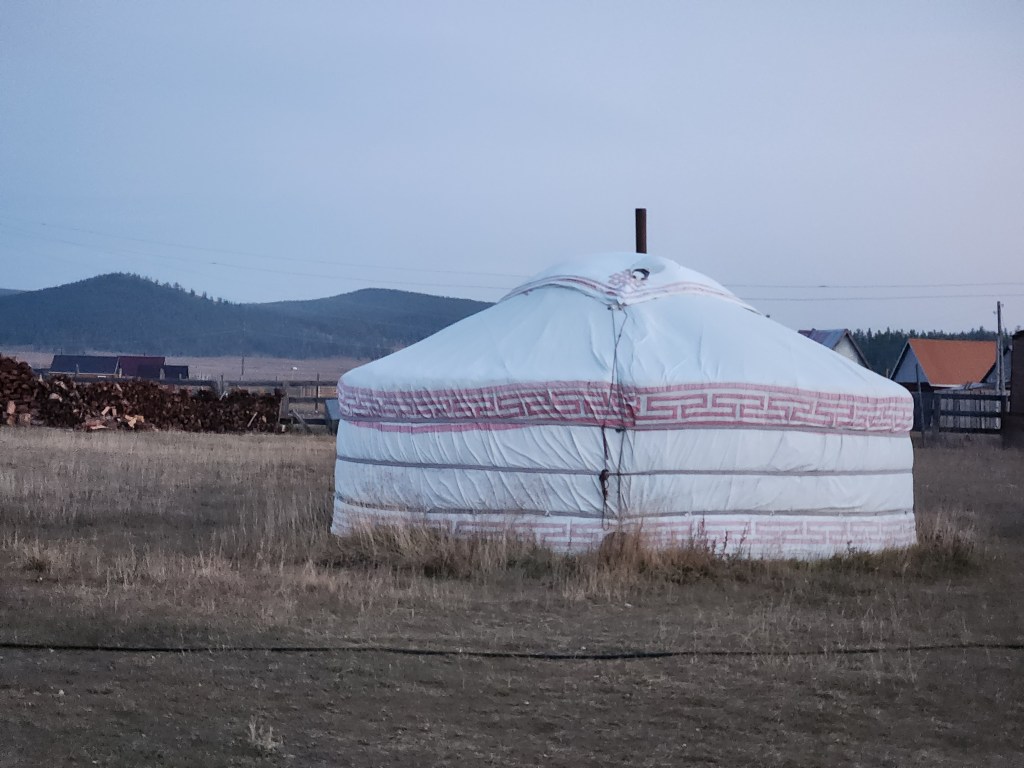
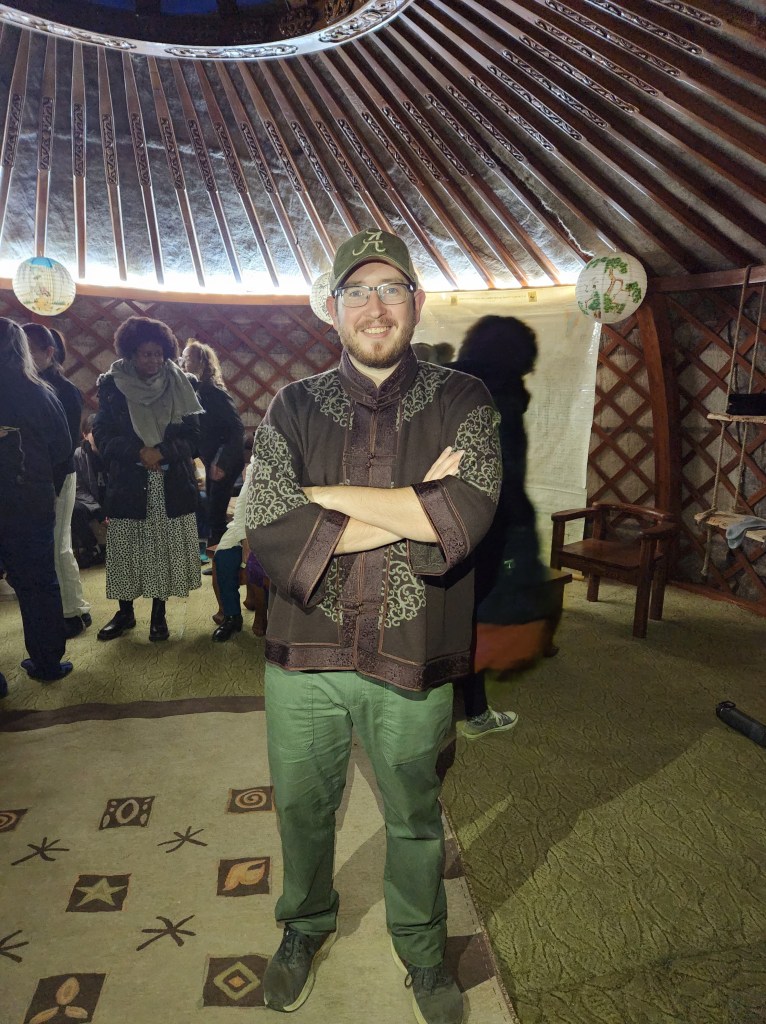
That night, I was invited to join a group going to a business that the pastor’s wife owns. I had no idea what to expect, but I’m always up for an adventure, so I hopped in her car and went to check it out. It turns out that she owns a tourist camp with several gers that tourists can stay in. Also on property were some nicer gers- one that is used as a gift shop and one that is used for special events. It was a very nice place to visit! I considered the thought that maybe this would be my chance to stay in a ger overnight, but realistically I knew it was too far from the camp for me to attempt it. I would need to be at the sports center ready for clinics early the next morning, so it just wasn’t reasonable. I also got to try on a local outfit here and felt like a true Mongolian until I saw a picture of myself and realized I don’t look Mongolian at all.
The moon was bright as we arrived back at the camp. I played a little carpet ball in the sports center before going back to bed, planning to wake up early the next morning to catch the sunrise. Our clinics would be officially open to the public the next morning, so we were all anxiously wondering how many patients we might see. We weren’t expecting a huge turn-out for multiple reasons; mainly, past issues of malpractice from outside medical organizations and the stronghold that shamanism has on this town that might prevent locals from attending a clinic sponsored by a church. But we knew no matter what that this was going to be a special week as it was evident that God had already been working wonders to get us here. Check back later this week as I share the next chapter of this Mongolia story.
Thanks for reading!
 Tyler's Travels