
This is the third chapter and continuation of my Mongolia series. If you missed either of the first two, I’d recommend reading them first. You can find them by clicking here:
Chapter 1 – Introduction to Mongolia
Chapter 2 – First Thoughts of Khövsgöl
After spending the first couple days trying to understand Khatgal and holding a trial run of our clinic with church members, the day of our first official clinic arrived. I’ve already mentioned our concerns about the clinic, but just to summarize, Mongolia has had past issues with malpractice from outside medical groups leading some to distrust medical profesionals in general. In addition, shamanism is the most popular religion in this region, and this will likely keep many from visiting a clinic that is sponsored by a church. We were hoping to see a decent number come through, but we weren’t very optimistic. The goal was to see 20% of the population, and considering there are around 4,000 people in this village, that would mean seeing around 800 patients.
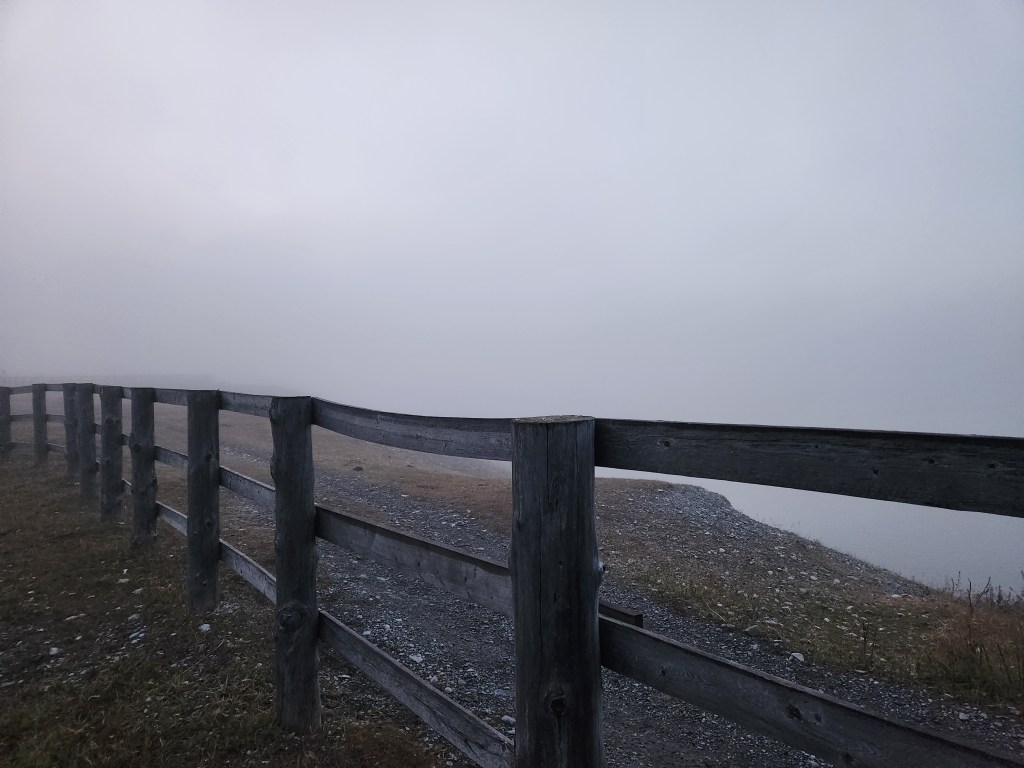
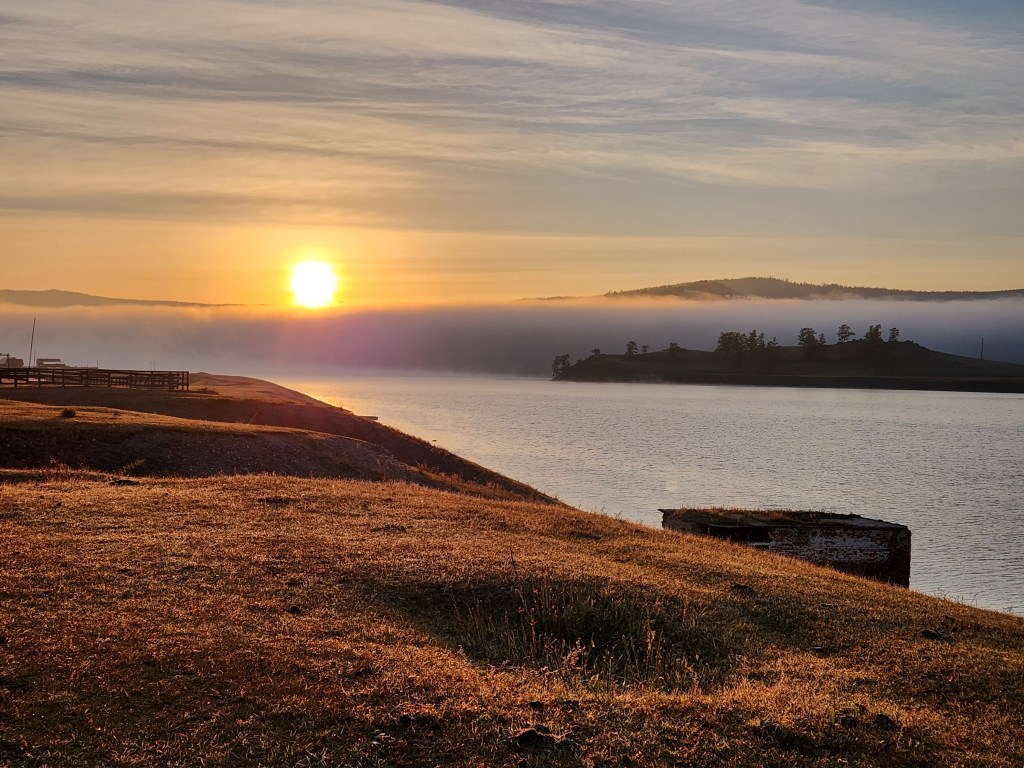
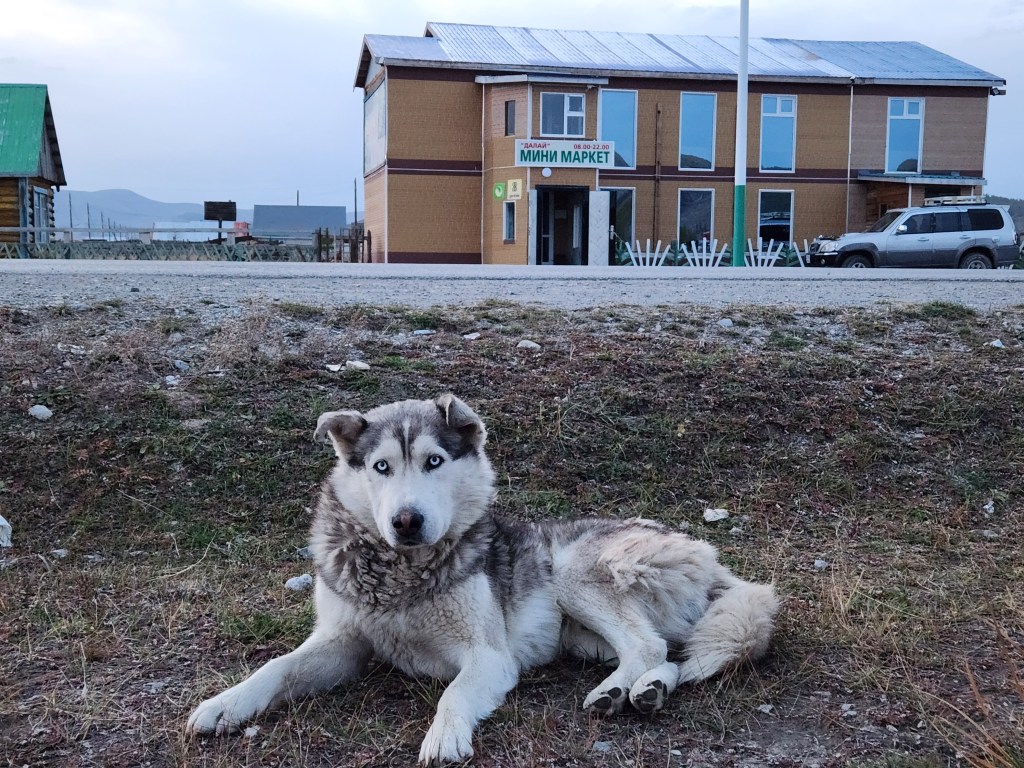
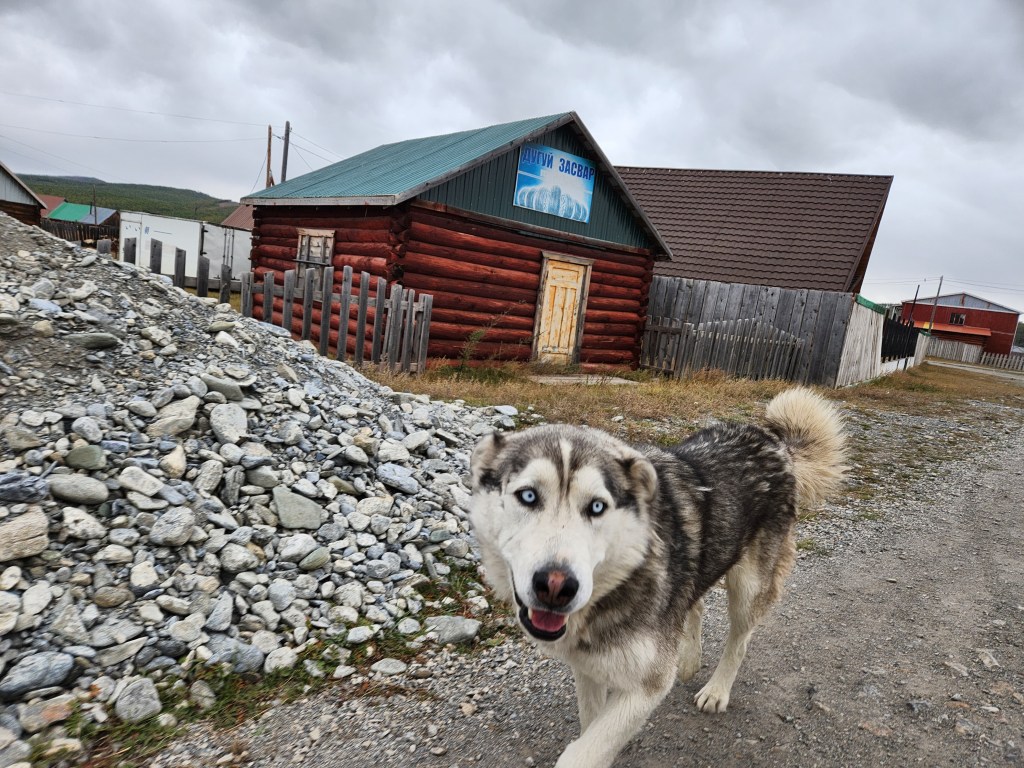
I woke up early to try to see the sunrise, but instead I was met with a thick layer of fog that gave the lake a very eerie feeling. The mountains on the other side of the lake were completely hidden, and it almost looked somewhat apocalyptic. A couple others were with me as we hopefully waited for an eventual sunrise. It didn’t look very promising, but we hoped that maybe the sun would light up the fog in a cool way. Minutes turned into an hour, and we finally started to see a little bit of light peaking through the fog. Then out of nowhere as if I were watching a movie, the fog gently disappeared, showcasing one of the most beautiful sunrises I had ever seen! We stayed there and took pictures of the sunrise for a while before going to breakfast where we were met by Peter the dog, who waited patiently for us to finish our breakfast and feed him bacon. (I didn’t feed him, but some team members did).
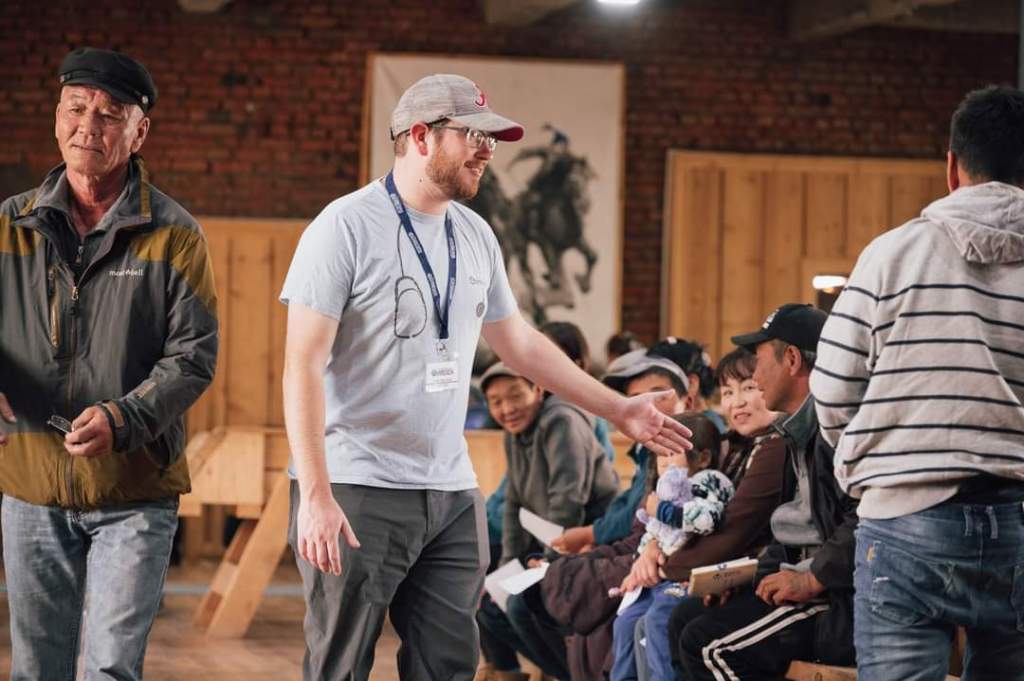
Shortly after eating, it was time to start our clinic, and I was finally able to participate in triage. When patients first arrive on location, they are met by registration where they share their chief complaint. Those at registration would then either direct them to our optical team or send them through to triage. Our optical team was located on the top floor while the medical side was on the bottom floor, making the organization of the clinic a little easier to follow. Once at triage, we would take their weight, blood pressure, and pulse ox before sending them on to the waiting area in the center of the room. We then had 5 stations with providers and translators that we would send patients to see. After talking with a provider, they were then led to another waiting area while the pharmacy prepares their medications. Providers could also send them to the lab for additional testing or to our physical therapist if needed. After receiving their medications, they were free to leave, and local church members would introduce themselves and become connected with them to start getting to know them a little more. As I mentioned previously, witnessing is a long process here, and this is just the beginning stage. Other services we provided in our clinic included dental work and ultrasounds for expecting mothers.
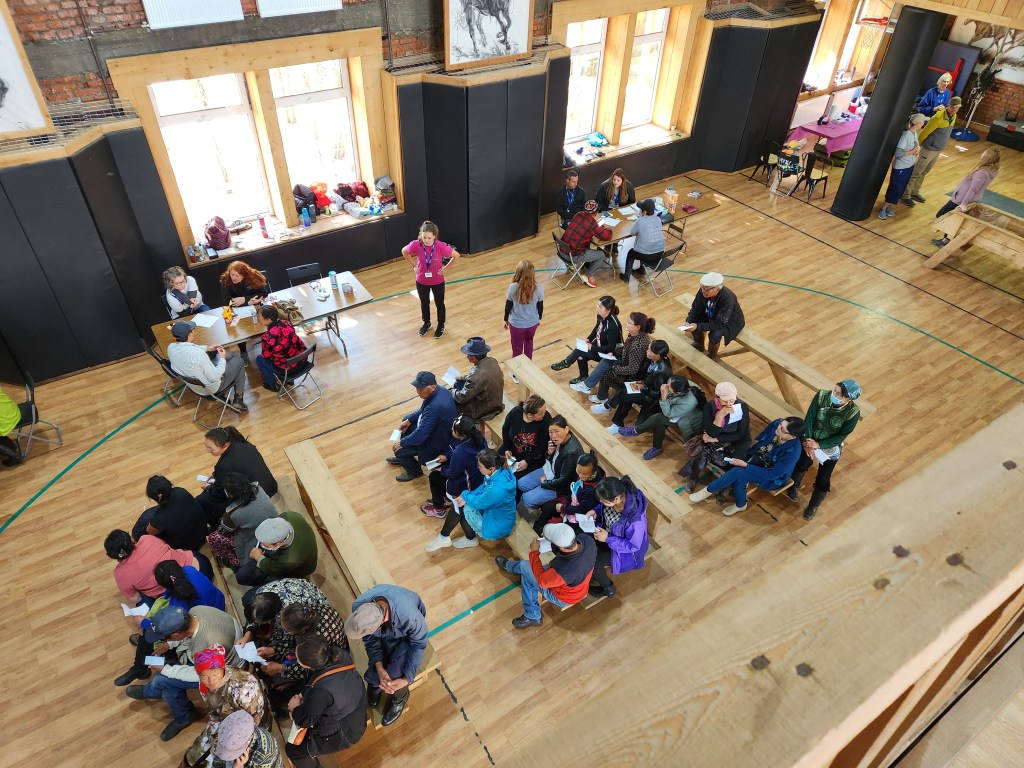
The entire day was very busy, making us optimistic that we may reach our goal. Some of our patients were nomads that traveled into town to be a part of it, and we were even told of some patients traveling from Ulaanbaatar which is a 16-hour drive away. For lunch we tried carrot salad and khuushuur, a meat pie filled with either cow or yak meat. (Cows and yaks are basically interchangeable here. The only difference is that the yaks have longer hair). Our first day of clinic finally came to an end, and we had the afternoon free. The missionary we were partnering with offered to show us his house which has a ger in back, just like most of the local houses do. It was cool to be able to step inside a Mongolian ger, but that only made my desire to stay in one overnight stronger. Following the ger tour, a group of us decided to walk into town to visit a grocery store. Peter the dog joined us, but when we reached the store, we realized the power had been cut off again so they had to turn us away.
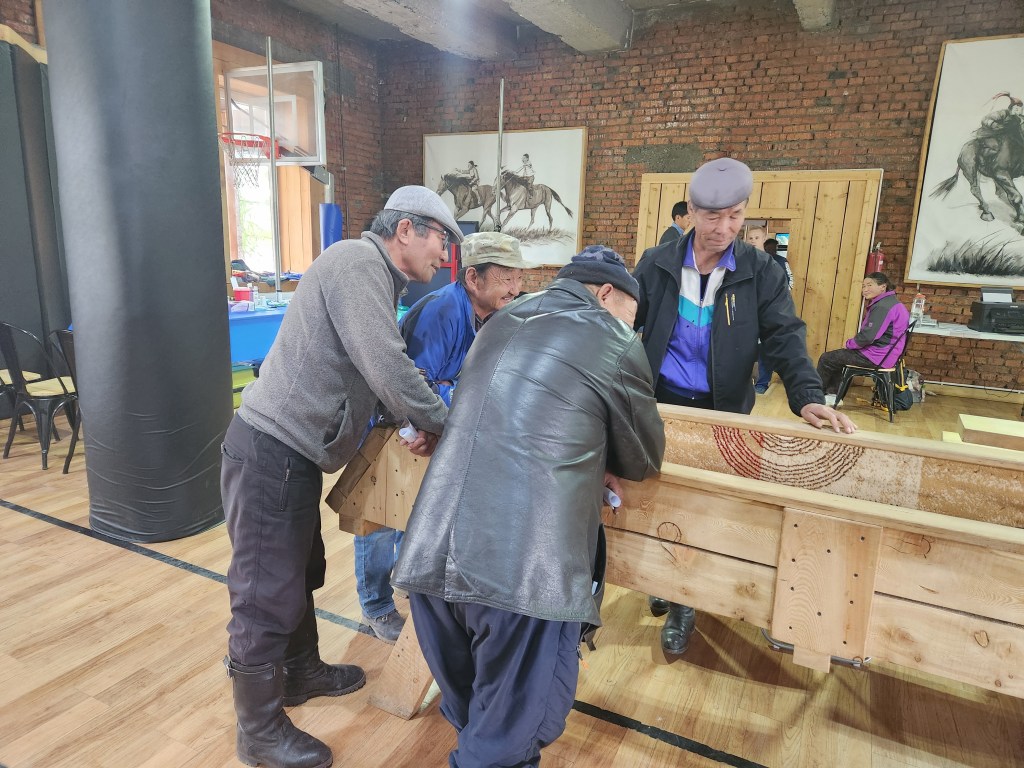
A local family that we knew from the camp and church saw us and invited us to tour their home. This was such a special experience, and out of respect I did not take pictures of their home, but it’s a beautiful house. It’s smaller than most that I’m used to seeing in the states, but it was just as welcoming, and I can honestly say that I could easily live there. The next morning we held clinics again, and I was asked to help with crowd control to ensure the clinic ran as smoothly as possible. This is something I have plenty of experience with on past trips, so I immediately knew what to do. The only hiccup came when there was a difference in culture that led to some confusion. You’re not supposed to motion to others using your hands because that’s how they motion to their animals. When motioning to people, you’re supposed to use your whole arm, and a few had been offended, thinking we were treating them like animals. After correcting that problem, the clinic was very steady throughout the day and then started to slow down after lunch. Speaking of lunch, we got to try buuz, a Mongolian dumpling, inspired by Chinese dumplings from the Inner Mongolia region. Again, they were stuffed with either cow or yak meat, and they were delicious! As the clinic slowed down, some of our patients who had been waiting for a while started to play carpet ball to pass the time, and it was fun to jump in and play against them.
I was asked to make a drink run into town for several people, so I gladly accepted. This was my first opportunity to explore the town solo, so of course I was excited. I took off, and it was much different than past countries I have wondered around on my own. Though this is probably the place where I have had the least bit of communication with locals, it’s the one place where I have felt the safest. I had previously said that Puerto Nariño, Colombia, is the place I’ve felt the safest, but Khatgal has now passed Puerto Nariño, and I can’t really say that it’s close either. This is a very friendly and welcoming town, and I never felt that I was in danger or even maybe a target for pickpockets. Of course Peter followed me around, so that added another layer of protection.
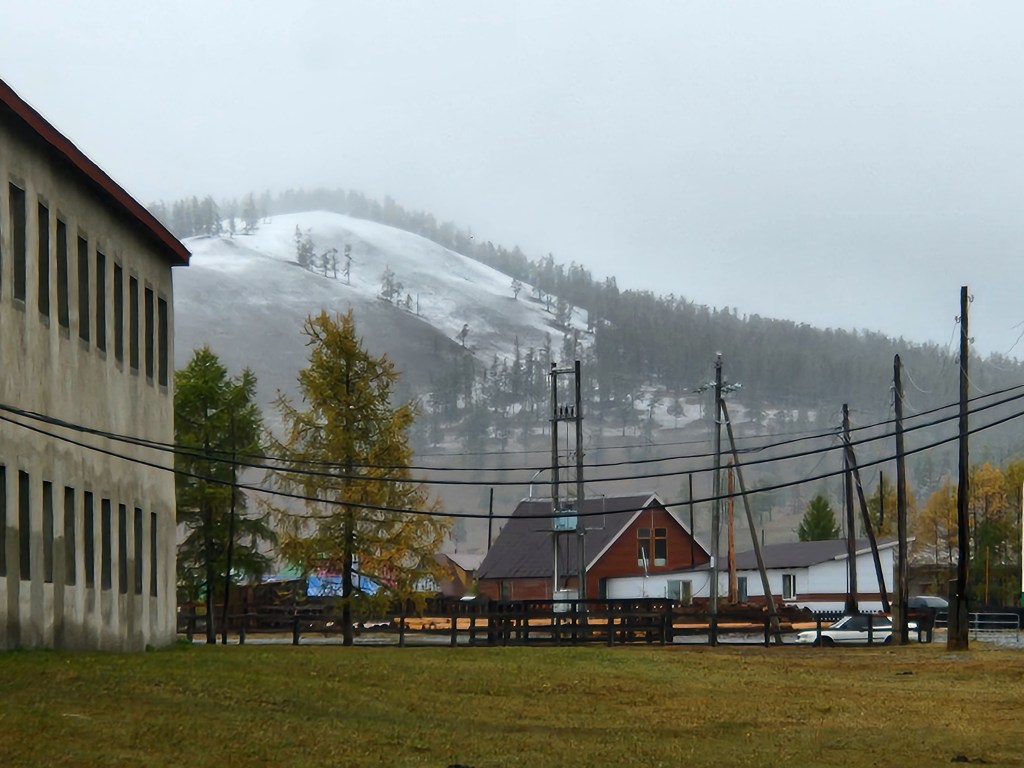
The next day, we were shocked to see horses right outside our door in the morning. It had also snowed overnight in the surrounding mountains, making it very scenic. The temperature was much colder as well, so we all had to wear layers. Some of our team from colder areas of the US even admitted that it was cold. We had a full day of clinics which was slower than we had seen the previous days, and I made another drink run into town. That night we started a campfire and roasted marshmallows we found from a nearby grocery store. But while everyone else was excited about the fire, I had something else on my mind. This was one of our last nights in Khatgal, and I was still determined to stay in a ger. A friend and I decided to walk over to a neighbor’s house and ask him if we could stay in his ger. He had several set up behind his house, so we knocked on his door and asked. He excitedly agreed to let us stay, and it turns out he runs a guesthouse for tourists that come through. He told us we could stay for 35,000 tugriks each (about $12 a person).
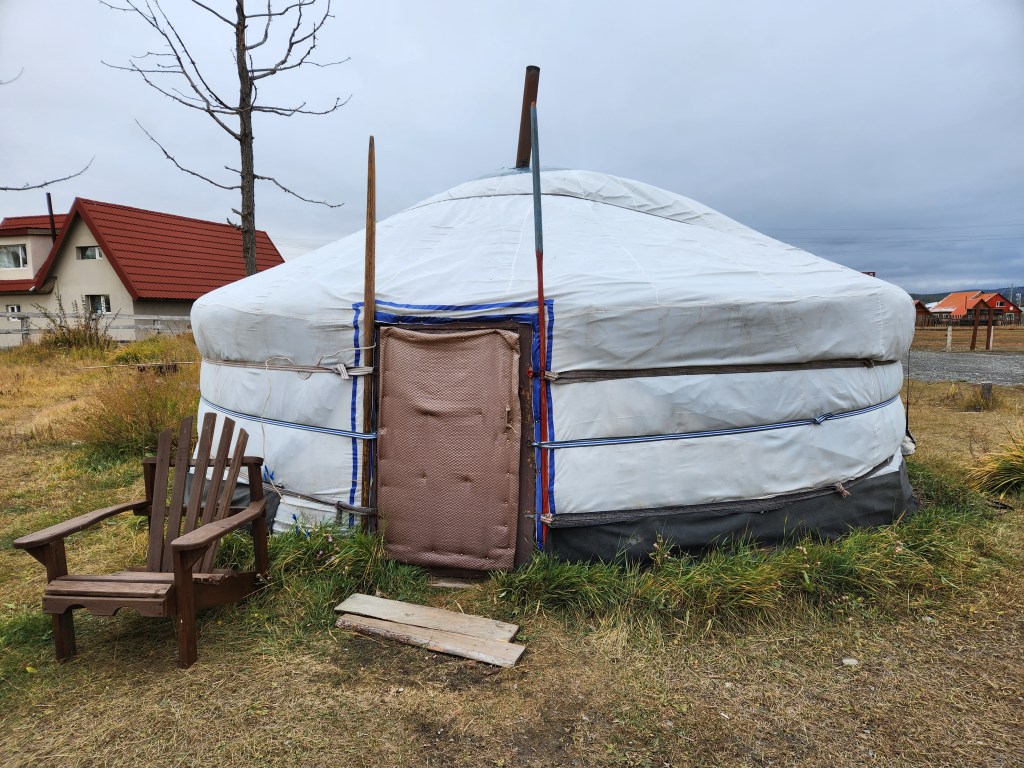
We also found out that Peter’s real name is Max, and the guy we’re renting the ger from is his owner. I would’ve felt really bad about leaving him behind if he was a stray, so it was very relieving to meet his owner and realize he’s being well taken care of. We hurried back into the camp and quietly invited a few others to stay with us in the ger. There were five of us men in one ger and three women in the other. When we arrived with what we needed for the night, we were instructed to light a fire in the furnace in the center of the ger and to keep wood burning all night so we don’t freeze. There were five beds lining the walls on the inside, and when we first walked in, it was extremely hot! I was worried that it might be too hot to fall asleep. We all hung out for a while in the little guest house he had before returning to our gers for the night. There were outhouses on the other side of his property, but by this time, we were already used to having to walk to the restroom in the cold, so that wasn’t a big deal to us.
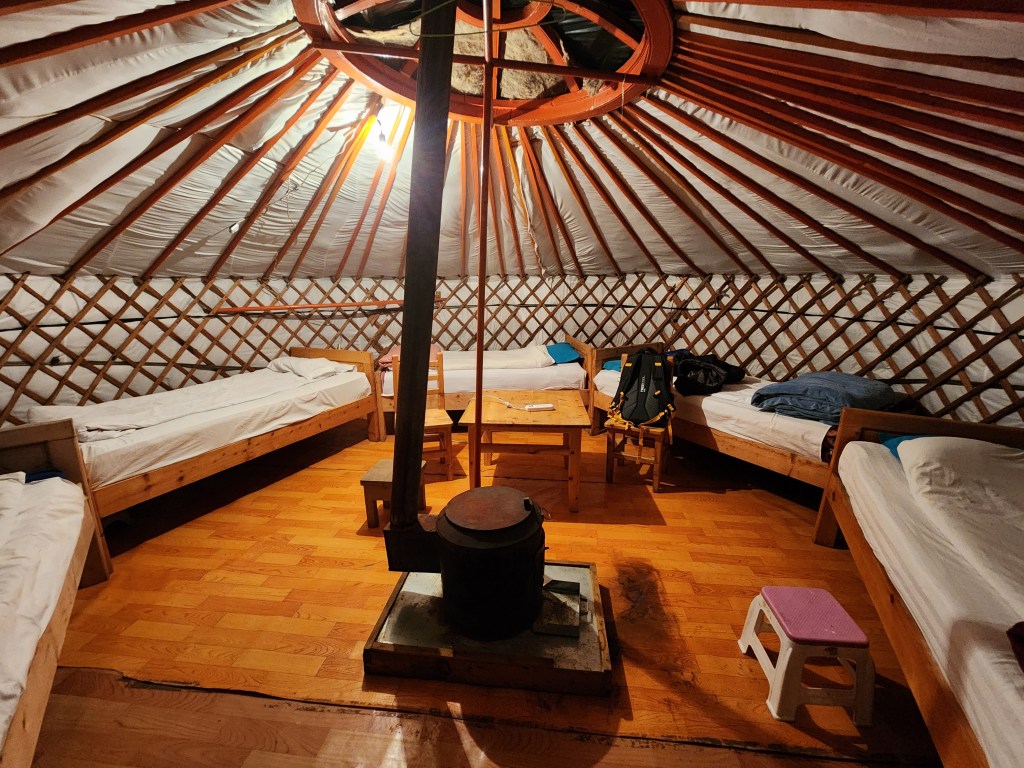
As we started to get ready for bed, another concern popped up: there were these giant spiders hanging around our beds. We killed a few before checking all our bedding and trying to keep our stuff off the floor. Going to sleep knowing there are giant spiders crawling around may be difficult, but I had been dreaming of staying in a ger all week, so I wasn’t going to let that stop me. Fortunately there was a power strip on the table in the middle of the ger that we could use to charge our phones, and it was honestly a quicker charge than I’m used to in the US. There are a few ger etiquette rules that I’ll mention here as it’s important to try to respect others’ culture when visiting like this. First of all, you should never step on the threshold of a ger: that is very disrespectful. And second, never touch the posts or walk between them if there are multiple. It was finally time to go to sleep, so we threw some more wood on the fire and started to try to get comfortable, hoping the spiders wouldn’t be too aggressive overnight. I’m going to have to stop here and finish this story next week when I share about my final two days in Mongolia which were much more eventful than we had expected. This last chapter will cover the night in the ger, our final day of clinics, our last day in Mongolia, and my final thoughts overall of the trip.
Thanks for reading!
 Tyler's Travels